
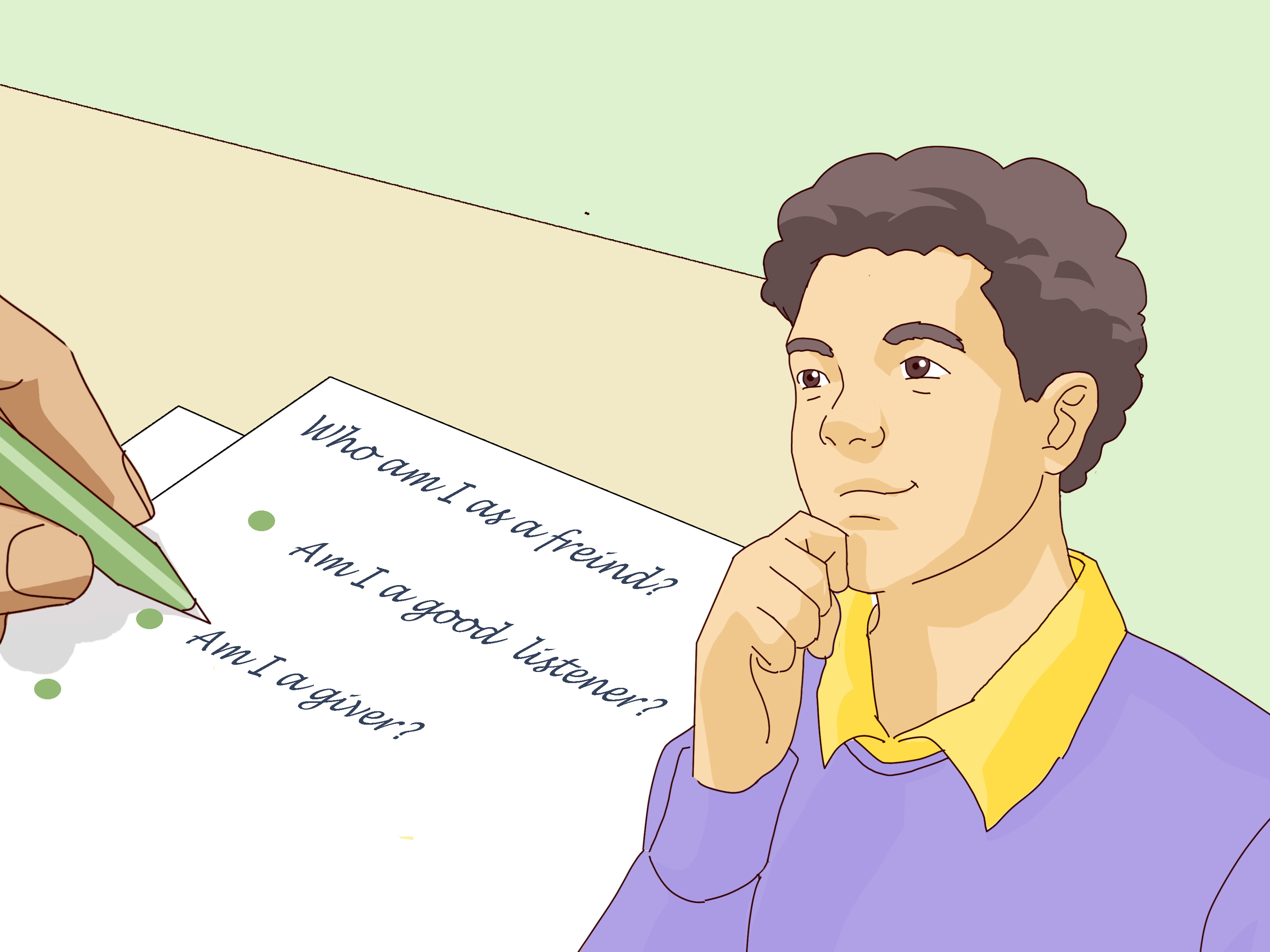
Getting friends to do things with you should not feel like launching a congressional campaign. Yet sometimes it does. You suggest brunch, and the group chat becomes a digital ghost town. You mention a weekend hike, and suddenly everyone has “a thing.” You propose game night, and someone replies three days later with a thumbs-up emoji that somehow means absolutely nothing.
The good news? Your friends probably do not secretly hate fun. More often, people are tired, distracted, overbooked, socially rusty, or unsure whether the plan will be worth the effort of putting on real pants. The secret to getting friends to want to hang out is not pressure, guilt, or dramatic “nobody ever makes time for me” speeches. It is making friendship feel easy, rewarding, mutual, and emotionally safe.
Friendship is not just a nice bonus feature of life. Strong social connections are linked with better mental health, lower loneliness, more resilience, and even better physical well-being. But friendships do not maintain themselves like phone apps updating overnight. They need small, repeated moments of care, effort, humor, and planning that does not make everyone feel like they are signing up for a triathlon.
This guide explains how to get your friends to want to do things with you naturally, without begging, overplanning, or becoming the unpaid cruise director of your social circle.
Why Friends Say No, Flake, or “Forget” to Reply
Before you decide your friends are villains in a very boring soap opera, consider the real reasons people hesitate to make plans. Adults and teens alike often deal with busy schedules, decision fatigue, social anxiety, money concerns, transportation issues, family responsibilities, and plain old exhaustion. Sometimes a person wants to see you but cannot handle a complicated plan that requires three apps, two outfit changes, and a parking strategy.
Another reason is emotional uncertainty. People are more likely to join plans when they know what to expect. “We should hang out sometime” sounds friendly, but it gives the brain nothing to grab onto. When? Where? Who is coming? Is this a casual coffee or a mysterious six-hour adventure? Vague invitations often die because nobody knows what the next step is.
There is also the group chat problem. The larger the group, the easier it is for everyone to assume someone else will answer. This is called diffusion of responsibility, though in group-chat language it is known as “seen by 8.” If you want friends to join you, make the plan simple enough that responding feels easy.
Start With the Right Mindset: Invite, Don’t Beg
The most attractive social energy is warm, clear, and low-pressure. You are not trying to drag people into your life like a cartoon villain with a friendship net. You are offering a good time and allowing them to choose.
Try shifting from “Why won’t anyone hang out with me?” to “How can I make spending time together feel enjoyable and easy?” That one change keeps you from sounding needy or resentful. It also helps your friends feel wanted rather than trapped.
A healthy invitation has three qualities: it is specific, simple, and easy to decline without drama. For example: “I’m going to try that new taco place Saturday at 1. Want to come?” That is much better than “We never hang out anymore,” which may be emotionally honest but usually makes people want to hide under a blanket.
Make Plans That Are Easy to Say Yes To
If your friends often decline, the plan itself may be too demanding. Not every hangout needs to be an event with a theme, a reservation, a dress code, and a shared spreadsheet named “Friendship Weekend Final FINAL.” Low-friction plans work because they reduce the effort required to join.
Choose short, casual activities
Start with plans that last one to two hours: coffee, a walk, a quick lunch, a movie, a gym session, a bookstore visit, or a casual dinner. Short plans feel safer because people know they can return to their lives afterward. Ironically, short plans often turn into longer hangouts because nobody feels trapped.
Give one clear option
Instead of asking, “What does everyone want to do?” offer one concrete idea. Too many choices can kill momentum. Say, “I’m thinking bowling Friday night around 7. Anyone in?” If people suggest changes, great. But give the plan a starting shape.
Make the cost obvious
Money is a quiet reason many people avoid plans. If the activity is free or cheap, say so. “Free concert in the park” sounds much easier to accept than “Let’s go out,” which could secretly mean a $90 evening and emotional damage from the appetizer menu.
Become the Friend Who Creates Good Vibes
People want to do things with friends who make them feel comfortable, valued, and included. This does not mean becoming fake-positive or performing happiness like a motivational poster. It means being the person who brings steady, pleasant energy to the plan.
Good vibes come from small behaviors. Show up on time. Listen when people talk. Do not turn every hangout into a complaint festival. Avoid making someone feel weird for being quiet, leaving early, ordering cheap, or not drinking. Include quieter friends in the conversation without putting them on trial. A simple “What do you think?” works better than “Why are you so silent?” which is basically a social jump scare.
Friends remember how they feel around you. If they feel judged, rushed, used, or drained, they will hesitate next time. If they feel relaxed and appreciated, they are more likely to say yes again.
Use the “I’m Doing This Anyway” Invitation
One of the best ways to invite friends without pressure is to build plans around something you already want to do. This works because the invitation feels casual, not desperate.
Try messages like:
- “I’m grabbing coffee after school/work. Want to join?”
- “I’m going for a walk at 6. Come with me if you’re free.”
- “I’m checking out that food truck Saturday. Want to tag along?”
- “I’m watching the game/movie tonight. You’re welcome to come over.”
This type of invitation has a secret power: it removes the burden of making the plan successful. You are already going. Your friend can join or not. Nobody has to feel responsible for your entire emotional weather system.
Match the Plan to the Friend
Not every friend enjoys the same kind of hangout. Some friends love loud restaurants and big groups. Others would rather be gently buried under a pile of library books than attend a crowded party. If you keep inviting an introverted friend to chaotic events, do not be shocked when they vanish like a magician with social anxiety.
Think about each friend’s style. The active friend may say yes to hiking, basketball, or a fitness class. The creative friend may prefer a craft night, open mic, museum, or cooking experiment. The low-energy friend may be happiest with takeout and a show. The deep-conversation friend may love coffee, long walks, or sitting in a parked car discussing life like philosophers with cup holders.
When your invitation fits the person, it feels thoughtful. Thoughtful plans make people feel seen.
Stop Making Every Plan a Group Plan
Group plans can be fun, but they are harder to organize. One-on-one hangouts are often easier, deeper, and more reliable. They also remove the hidden pressure of group dynamics: Who else is coming? Will I know anyone? Will I be stuck next to the friend who explains cryptocurrency during dinner?
If you want a friendship to feel closer, invite one person at a time. Say, “Want to grab lunch this week? Just us.” That small phrase can make someone feel chosen rather than randomly included.
Once you build stronger individual connections, group plans become easier because the foundation is already there.
Be Consistent Without Becoming Clingy
Friendships grow through repeated contact. One invite every six months followed by resentment is not a strategy; it is a social lottery ticket. At the same time, texting someone every four hours asking if they are free yet can feel like being chased by a calendar.
A good rhythm is steady but relaxed. Invite, wait, accept the answer, and try again another time. If someone says no, respond kindly: “No worries, maybe next time.” This tells your friend that your invitation is safe. They do not have to manage your disappointment.
Over time, people are more likely to say yes when they trust that saying no will not cause drama.
Make Your Friends Feel Appreciated
People repeat experiences that feel rewarding. If your friend shows up, acknowledge it. You do not need to deliver a wedding toast. A simple “I’m glad you came” or “That was fun, thanks for hanging out” goes a long way.
Appreciation is especially powerful when someone makes effort. Maybe they drove across town, changed their schedule, or came even though they were tired. Notice that. “Thanks for making the time” is a small sentence with big friendship energy.
Do not only contact friends when you want them to attend something. Send a meme, ask about their exam, check in after their job interview, remember their favorite snack, or follow up on something they told you. Friendship becomes stronger when people feel valued outside of invitations.
Learn to Handle Rejection Gracefully
Sometimes friends will say no. Sometimes they will cancel. Sometimes they will forget to reply because their phone apparently fell into a volcano, despite being active on every other app. It is annoying, but how you respond matters.
If a friend declines, do not punish them with cold silence or sarcastic comments. Try, “Totally fine. Hope your week calms down.” If they cancel last minute, you can be kind and still honest: “No worries, but give me a heads-up earlier next time if you can.”
Grace does not mean having no boundaries. If someone repeatedly flakes, stop building important plans around them. Invite them to casual, flexible things instead. You can care about a friend without letting their unreliability run your life.
Create Traditions, Not Just Random Plans
Recurring traditions make friendship easier because the decision is already half-made. A monthly pizza night, Sunday walk, Friday gaming session, seasonal movie marathon, or “try one new restaurant a month” plan gives people something familiar to look forward to.
Traditions do not need to be fancy. In fact, the best ones are usually simple. The magic is repetition. When a plan becomes part of the rhythm of life, friends do not have to wonder whether they are invited. They already know there is a place for them.
Use Better Texts: Examples That Actually Work
Your message can make the difference between a yes and a forgotten notification. Good invitation texts are clear, casual, and specific.
Instead of this:
“We should hang out sometime.”
Try this:
“Want to get coffee Thursday after work? I’m free around 5:30.”
Instead of this:
“Nobody ever wants to do anything.”
Try this:
“I miss hanging out. Want to plan something easy this weekend?”
Instead of this:
“What do you guys want to do?”
Try this:
“I’m thinking tacos Saturday at 1. Casual, cheap, and emotionally supportive. Who’s in?”
A little humor helps, as long as it does not hide resentment. Keep the tone light. Make the plan easy to understand. Give people a reason to respond.
Be the Organizer, But Don’t Become the Whole Committee
If you are always the planner, it is easy to feel unappreciated. You may start thinking, “Would these people ever see each other if I stopped?” Maybe not. Some friend groups survive because one person has the courage to type “Saturday?” into the void.
Still, you should not carry the entire social life forever. Ask for help directly. Say, “I picked the last place. Someone else choose this time.” Or, “I can organize the date, but can someone make the reservation?” People often help when the task is specific.
Also, pay attention to reciprocity. Friendship does not require perfect equality, but it should not feel like you are running a free emotional catering company. If your effort is never returned, invest more in friends who also reach back.
Make Room for Different Seasons of Life
Sometimes friends are not rejecting you; they are surviving a busy season. New jobs, school pressure, family issues, money problems, health concerns, relationships, and burnout can shrink someone’s social energy. A good friend notices this without making everything personal.
You can say, “I know you’ve been busy. Want to do something low-key soon?” This shows care without guilt. For a stressed friend, a low-pressure invitation may feel like relief.
At the same time, do not wait forever for unavailable people to become available. Keep building a wider social circle through hobbies, classes, volunteering, sports, clubs, neighborhood events, or online communities that lead to real-life connection. The healthiest social life usually has more than one door.
Real-Life Experiences: What Actually Makes Friends Want to Join
Here is the practical truth from real social life: people usually want to do things when the plan feels easier than staying home, emotionally safer than being alone, and more fun than scrolling for two hours while claiming they are “resting.” The challenge is that staying home has become extremely competitive. It has snacks, pajamas, streaming, and no requirement to find parking. Your plan has to offer something better than comfort, or at least comfort with witnesses.
One experience many people share is the failed “big plan.” Someone gets inspired and suggests a beach day, road trip, fancy dinner, or full friend-group reunion. Everyone reacts with excitement for seven minutes. Then reality arrives wearing practical shoes. Who is driving? What time? How much will it cost? Can partners come? What if it rains? Suddenly the plan collapses under its own ambition. The lesson is simple: start smaller. A two-hour picnic is easier than an all-day beach production. A casual dinner is easier than a weekend trip. A walk is easier than a fitness challenge that sounds like punishment with scenery.
Another common experience is discovering that friends respond better when they feel personally invited. Posting “Anyone want to hang?” in a group chat often gets ignored. Sending one person a direct message saying, “I thought of you because you said you wanted to try this place” feels warmer. People like to feel chosen. It does not have to be dramatic. You do not need violin music. Just make it clear that their presence matters.
There is also the “third place” effect. Friendships often grow around repeat locations that are not home, school, or work: a coffee shop, park, gym, bookstore, diner, library, basketball court, or community event. When friends know where they will go and what the vibe is, plans feel less risky. Over time, the location becomes part of the friendship. You are not just asking them to “hang out.” You are inviting them back into a familiar little world.
Many people also learn the hard way that guilt ruins invitations. Saying “You never make time for me” may be understandable if you feel hurt, but it rarely makes someone excited to show up. A better approach is honest but hopeful: “I miss you. Want to catch up this week?” That message gives the friendship a bridge instead of a courtroom.
Finally, the best experiences usually come from being flexible. Maybe only one friend can come. Go anyway. Maybe the restaurant is full. Get takeout. Maybe the movie is bad. Laugh about it afterward. A perfect plan is not what builds friendship. Shared stories do. Sometimes the night everyone remembers is the one where the bowling alley was closed, the pizza was weird, and someone spilled soda in a way that became legendary. Friendship does not need flawless production. It needs presence, repetition, and the kind of laughter that makes people say, “Okay, we have to do this again.”
Conclusion: Make Friendship Feel Easy, Warm, and Worth It
Getting your friends to want to do things with you is not about becoming more popular, more impressive, or more available at all times. It is about creating invitations that feel clear, comfortable, and genuinely enjoyable. Be specific. Keep plans simple. Match activities to the people you invite. Appreciate the friends who show up. Handle rejection with maturity. Build small traditions. And remember that friendship is less about one perfect hangout and more about steady, repeated moments of connection.
The best social plans do not make people feel pressured. They make people feel included. When your friends associate you with ease, respect, laughter, and good memories, they will not just agree to do things with you. They will start looking forward to it.
SEO Tags
Note: This article is written as original, publish-ready web content based on widely accepted friendship, communication, and social connection principles. It avoids source links in the body so it can be copied cleanly into a CMS.













