
Note: This article is based on current carrier guidance and U.S. consumer-protection rules from USPS, UPS, FedEx, FTC, USPIS, BBB, Amazon, and U.S. legal references. USPS allows an addressee to refuse certain unopened mail within a reasonable time; UPS and FedEx provide delivery-management options for return-to-sender requests; and U.S. law treats unordered merchandise differently from ordinary mistaken deliveries.
A package lands on your porch. You pick it up, squint at the label, and realize one of three things: it is not yours, you did not order it, or you ordered it but immediately regret inviting it into your life. Congratulationsyou have entered the oddly dramatic world of “return to sender.”
Returning a package to sender sounds simple: write a few magic words on the box, toss it back into the delivery universe, and hope it boomerangs home. But in real life, package returns involve carrier rules, consumer rights, etiquette, and a few legal boundaries. The correct move depends on whether the package was misdelivered, addressed to a former resident, refused before opening, part of a scam, or simply an unwanted purchase.
This guide explains how to return a package to sender the right waywithout accidentally breaking rules, annoying your mail carrier, or turning your front porch into a tiny logistics warehouse.
What Does “Return to Sender” Mean?
“Return to sender” means the package cannot or should not be delivered to the person or address listed as the final destination, so the carrier sends it back to the original shipper. Common reasons include an incorrect address, a former resident, refusal by the recipient, a damaged package, unpaid charges, suspected fraud, or delivery restrictions.
The phrase is most commonly associated with USPS mail, but similar return processes exist with UPS, FedEx, Amazon, and other carriers. The important detail is this: “return to sender” is not the same thing as a retail return. A retail return usually requires a return authorization, return label, refund request, or seller approval. A return-to-sender action simply tells the carrier that delivery should not be completed or accepted.
When Return to Sender Works Best
Return to sender is usually appropriate when the package is unopened, clearly not meant for you, addressed to someone who no longer lives there, or refused at delivery. It is less useful when you opened the item, used it, need a refund, or are trying to return an online order under a store’s return policy. In those cases, contact the seller first. The box may be innocent, but the refund department is not psychic.
Is It Legal to Return a Package to Sender?
Yes, returning a package to sender is generally legal when you are refusing delivery, correcting a misdelivery, or returning unopened mail that is not yours. The legal concern begins when someone opens, hides, keeps, destroys, or uses mail that was clearly meant for another person.
Under federal law, intentionally opening or interfering with mail before it reaches the person it was directed to can create serious legal problems. That is why the safest rule is simple: if the package is not addressed to you, do not open it. If you already opened it by mistake, stop handling the contents, repackage it carefully, and contact the carrier for instructions.
The Big Legal Exception: Unordered Merchandise
Unordered merchandise is different. If a company sends you merchandise you did not order and then tries to demand payment, U.S. consumer-protection rules say you do not have to pay for it or return it. You may treat it as a free gift. However, unexpected packages can also be connected to brushing scams, where sellers send cheap items to create fake “verified buyer” reviews. In that situation, keeping the item may be legal, but reporting the incident is wise.
In other words: a package meant for “Alex Johnson” at your address is not the same as a random item sent to your name as part of a shady online marketplace scheme. Same porch, different rulebook.
How to Return a USPS Package to Sender
USPS has specific rules for refused and undeliverable mail. If a package is offered to you and you do not want to accept it, you may refuse it at the time of delivery. If it has already been delivered, USPS guidance allows certain unopened mail to be marked “Refused” and returned within a reasonable time. The key word is “unopened.” Once you open the package, you generally cannot simply send it back postage-free as refused mail.
Step-by-Step: Returning an Unopened USPS Package
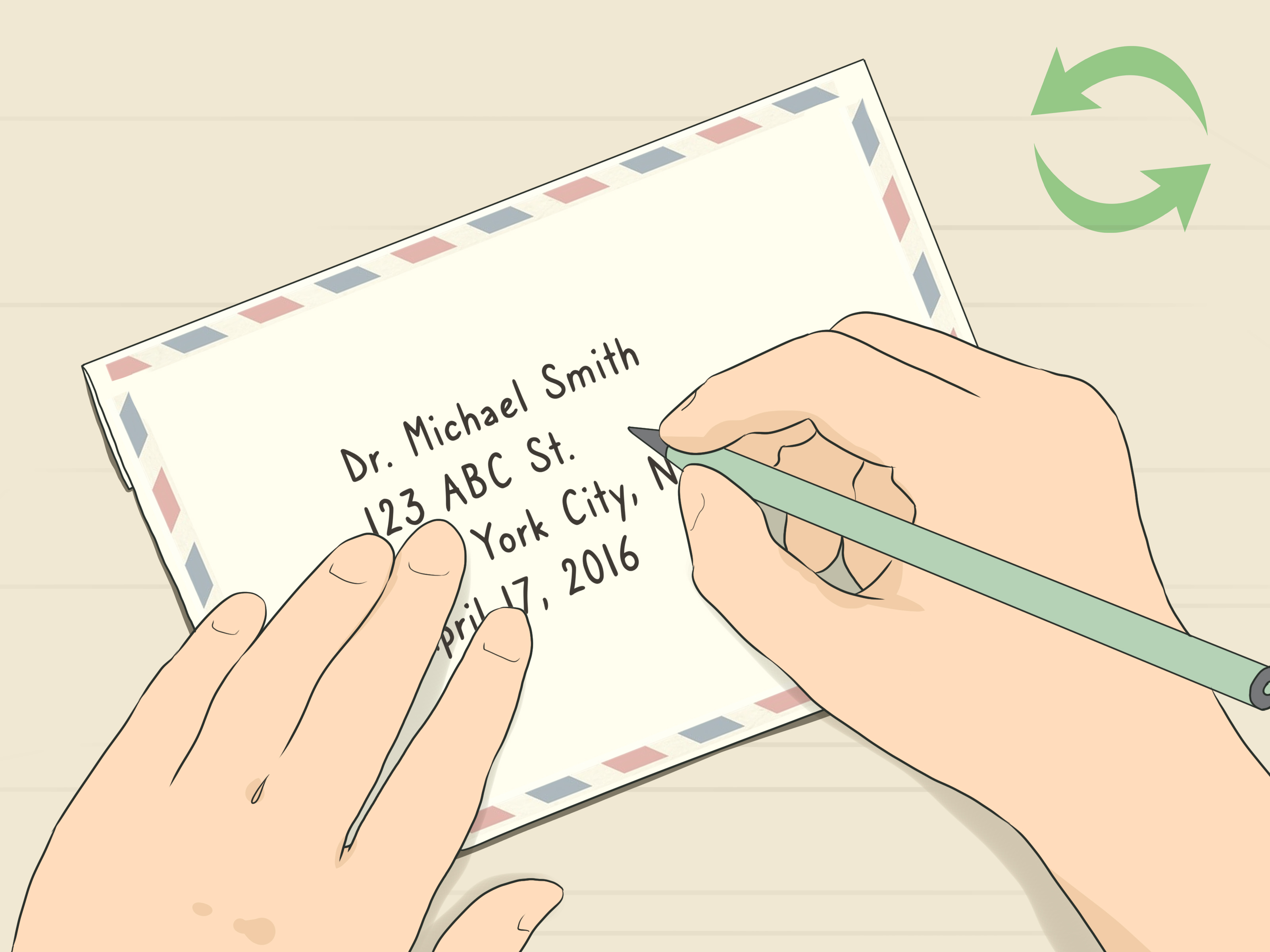
First, inspect the outside label without opening the package. If the package is not yours, write a clear note such as “Not at this address,” “Addressee unknown,” or “Return to sender.” If you are refusing a package addressed to you, write “Refused.” Keep the original barcode and address visible unless a postal worker tells you otherwise.
Next, place the package back in your mailbox if it fits, leave it where your carrier can safely see it, or take it to your local post office. For larger parcels, visiting a post office counter is often the cleanest option. You can explain the situation and ask the clerk to process it properly.
What Not to Do With USPS Packages
Do not cross out every barcode like you are censoring a classified file. Do not cover the label with duct tape until the box looks like it survived a raccoon attack. Do not open the package “just to check.” And do not throw away someone else’s package because it is inconvenient. Misdelivered mail should be put back into the postal system or reported to USPS.
How to Return a UPS Package to Sender
UPS offers delivery-management options that may let recipients refuse or return a shipment before delivery is completed. In some cases, you can use UPS My Choice, track the package, select delivery-change options, and choose “Return to Sender.” UPS also notes that before delivery, a visible note for the driver may work if it includes the tracking number, sender’s name, and reason for refusal.
If the package is already delivered, do not assume you can simply drop it anywhere and say “good luck, little box.” Contact UPS or use the tracking page to check available options. Some sender restrictions may prevent delivery changes, which means the seller or shipper may need to authorize the return.
Best Practice for UPS Returns
If the package belongs to a former resident, contact UPS and explain that the recipient no longer lives at the address. If the package is yours but unwanted, check the retailer’s return policy instead of relying on refusal. A retail return label gives you better tracking, clearer refund documentation, and fewer “where is my money?” headaches.
How to Return a FedEx Package to Sender
FedEx also provides a return-to-shipper process through package tracking and delivery management. FedEx guidance allows users to enter the tracking number, choose “Manage Delivery,” select “Return to Shipper,” give a reason for the return, enter contact information, and keep the case number.
Reasons may include an undeliverable address, suspected fraud, wrong item, recipient changed their mind, or payment-related issues. As with UPS, options can vary depending on the shipment, service type, sender restrictions, and delivery status.
When to Contact FedEx Directly
Contact FedEx if the package appears suspicious, is addressed to someone else, contains visible damage, or has already been delivered and you cannot manage it online. If you are dealing with an international shipment, refusing delivery may not automatically erase duties, taxes, or customs issues. International packages can carry extra paperwork baggage, because apparently boxes enjoy bureaucracy too.
Package Return Etiquette: How to Be Helpful Without Becoming the Neighborhood Mailroom
Returning a package is not just about rules. It is also about common courtesy. A polite, practical approach can solve the issue faster and prevent repeat deliveries.
If the Package Is for a Neighbor
If the package is clearly for a nearby neighbor and was simply placed on your porch by mistake, the kindest move is often to bring it over or message them. Do not open it. Do not hold it hostage until they mow their lawn. Just hand it over or leave a note. If you do not feel comfortable delivering it yourself, contact the carrier.
If the Package Is for a Former Resident
Write “Not at this address” or “No longer at this address” on the package and return it through the carrier. If the same name keeps appearing, contact the carrier or local post office and ask how to reduce repeat misdeliveries. For USPS mail, make sure your own names are clearly listed in your mailbox if appropriate.
If the Package Is Yours but Unwanted
If you ordered the item, returning it to sender may not be the best path. Retailers often require an official return label, return merchandise authorization, or online return request. Refusing the delivery might delay your refund or create confusion because the seller may not connect the returned package to your order quickly.
For online shopping returns, boring paperwork wins. Save the tracking number, keep screenshots, photograph the package condition, and follow the seller’s return steps. Future you will thank current you with the quiet joy of a clean refund.
What to Do With a Suspicious or Unordered Package
An unexpected package addressed to you may be harmless, but it can also signal a brushing scam. In a brushing scam, a seller sends low-value merchandise to real addresses so they can create fake online reviews or make sales numbers look better. Some modern versions include QR codes that may lead to phishing pages.
Safety Steps for Mystery Packages
If you receive a package you did not order, avoid scanning QR codes, visiting unknown links, or calling suspicious phone numbers printed inside the box. Check your shopping accounts for unauthorized orders. Change passwords if you suspect account access. Report unsolicited packages to the retailer or marketplace named on the label. If the package seems dangerous, leaking, powdery, or otherwise suspicious, do not handle it casually; contact the carrier or appropriate authorities.
Legally, you may not have to return unordered merchandise, but practically, you should treat it as a warning sign. Free socks are nice. Identity theft is not a loyalty program anyone signed up for.
Common Mistakes When Returning a Package to Sender
Opening the Package First
The biggest mistake is opening a package that is not yours. Once opened, the package may no longer qualify for simple refusal or postage-free return. If it belongs to someone else, opening it can also raise legal concerns.
Using “Return to Sender” for a Store Return
If you bought the item and want a refund, use the retailer’s return system. “Return to sender” may send the package back physically, but it may not trigger a refund, replacement, or account credit.
Covering the Original Label Completely
Carriers need the tracking number, sender information, and barcodes to process the package. A clear written note is helpful; label destruction is not.
Waiting Too Long
If a package should be refused, act quickly. USPS uses the phrase “within a reasonable time” for certain refused mail after delivery. Other carriers may have time-sensitive delivery-change windows. The sooner you act, the cleaner the return trail.
Examples: What Should You Do?
Example 1: A Package Arrives for Someone Who Moved Out
Do not open it. Write “Not at this address” and return it through the carrier. If USPS delivered it, place it back for pickup or take it to the post office. If UPS or FedEx delivered it, contact the carrier or use the tracking page.
Example 2: You Ordered Shoes but Changed Your Mind
Do not rely on “return to sender” unless the retailer specifically tells you to refuse delivery. Start a return through the store, print the return label, and keep tracking. Shoes deserve closure, and so does your refund.
Example 3: A Mystery Package Arrives With a QR Code
Do not scan the code. Check your online accounts, report the package to the marketplace or retailer, and monitor for suspicious activity. You may not be required to return it, but you should treat it as a possible brushing scam.
Example 4: The Box Is Damaged at Delivery
If you are present when it arrives, you may refuse delivery or ask the driver to note the damage. If it was already delivered, photograph the package before opening and contact the seller or carrier. Damage claims often depend on documentation.
Personal Experience and Practical Lessons: Returning Packages Without Losing Your Mind
Anyone who has lived in an apartment building, shared house, college rental, or fast-growing neighborhood knows that package confusion is not rare. Names linger at addresses like ghosts with subscription boxes. A former tenant orders vitamins. A neighbor’s dog food arrives at your door. A mysterious padded envelope appears with a return address that looks like someone typed it during a sneeze. The good news is that most package problems are easy to fix if you stay calm and do not treat the box like a puzzle room.
One of the most useful habits is checking the label before opening anything. It sounds obvious, but many people open packages automatically, especially during holidays or big sale seasons. A two-second label check can prevent a ten-email customer service saga. Look at the name, street number, apartment number, and carrier. If one detail is wrong, pause. The package is not a piñata; it does not need immediate investigation.
Another practical lesson is to write short, clear notes. “Return to sender” is helpful, but sometimes a more specific phrase works better. “Not at this address” tells the carrier the person does not live there. “Refused” tells the carrier the recipient is declining delivery. “Wrong address” tells the carrier the delivery location was incorrect. Avoid long emotional messages like “This person has not lived here since the Obama administration.” Funny? Yes. Operationally useful? Not really.
For apartment dwellers, building communication matters. If you keep receiving packages for former residents, tell your landlord, leasing office, or front desk. Ask whether names can be updated in the package room system. If your building uses lockers, make sure your account information is current. A surprising number of “lost” packages are not lost; they are sitting in a locker under a name nobody recognizes, quietly judging everyone.
For online orders, experience teaches one golden rule: use the seller’s return label whenever a refund is involved. Refusing a package may feel faster, but it can create tracking gaps. The retailer might not know whether the item came back because you refused it, the address was wrong, or the package entered a secret cardboard witness protection program. A proper return label connects the item to your order number and makes the refund process easier to prove.
It is also wise to keep a small record. Take a photo of the package label before handing it back. Save the tracking number. If you speak with customer service, write down the date and case number. This is not because you want to become a shipping detective. It is because if the package disappears, the person with documentation usually has a much easier conversation.
Finally, do not ignore suspicious packages. Most surprise deliveries are boring mistakes, but brushing scams and QR-code tricks are real enough to deserve caution. If the package is addressed to you but you did not order it, report it to the marketplace if one is identified. Do not scan mystery QR codes. Do not provide payment information to “confirm delivery.” A legitimate delivery problem should be handled through the carrier’s official website or customer service channel, not through a random slip of paper inside a mystery box.
The best approach is simple: do not open what is not yours, act quickly, use the correct carrier process, and document anything tied to money. Returning a package to sender should be a small errand, not a courtroom drama with bubble wrap. Handle it neatly, and the box can continue its journey without dragging you into unnecessary chaos.
Conclusion
Returning a package to sender is usually simple, but the right method depends on why the package needs to go back. If it is unopened USPS mail that you are refusing, mark it clearly and return it promptly. If it came through UPS or FedEx, use tracking tools, delivery-management options, or customer service. If it belongs to someone else, do not open it. If it is unordered merchandise, remember that U.S. consumer law gives you rights, but scams still deserve attention.
The polite, legal, low-drama formula is this: read the label, keep the package intact, choose the correct reason, contact the carrier or seller when needed, and save proof. Your porch is not a package court, but with a little common sense, you can still deliver justicepreferably with tracking.














