
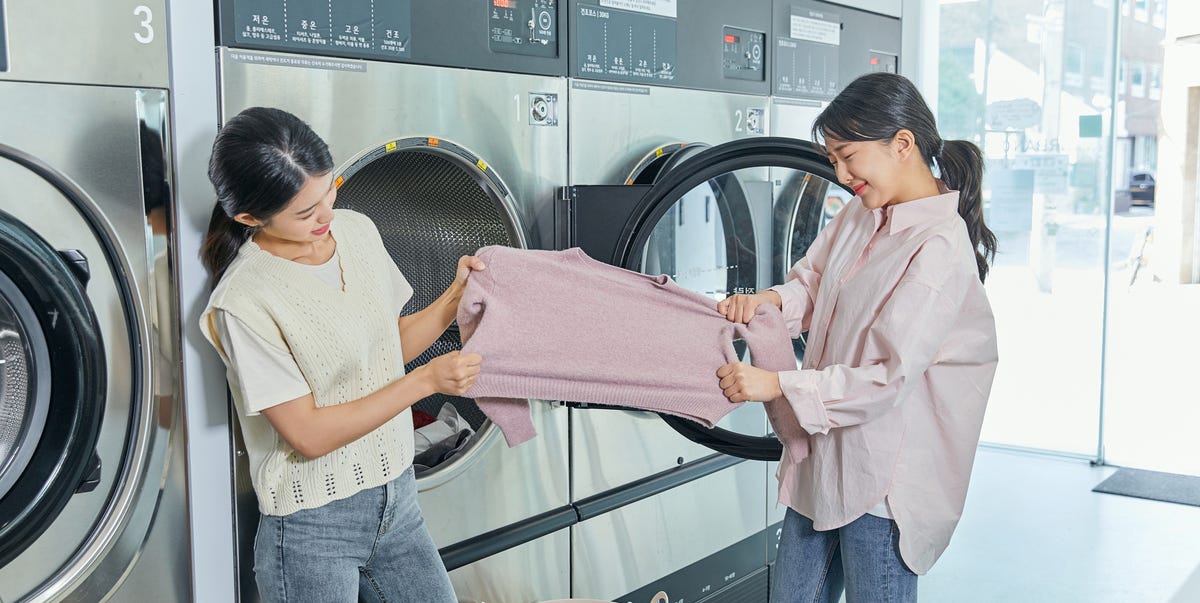
Some laundry disasters are quiet. A red sock sneaks into the whites. A pen detonates in the dryer. A sweater goes into the wash looking like something an adult human might wear and comes out sized for a confident squirrel. That last one is exactly why the viral “unshrink clothes” hack keeps making the rounds online.
The promise sounds almost magical: soak the shrunken garment in lukewarm water with hair conditioner or baby shampoo, gently stretch it back into shape, let it air dry, and boomyour favorite shirt, sweater, or pair of pants returns from the laundry afterlife. It is comforting, cheap, and conveniently uses something already sitting in the bathroom. No wonder people share it with the urgency of a secret government document.
But what do laundry pros actually say? The answer is not as satisfying as a 20-second cleaning video, but it is far more useful: the hack can sometimes relax fibers enough to improve the fit temporarily, especially on certain natural fabrics. However, it does not truly “unshrink” clothing in the permanent, back-to-new way social media often suggests. In many cases, the garment will shrink again the next time it gets wet, washed, or dried incorrectly.
So before you baptize your cashmere sweater in conditioner and hope for a miracle, let’s break down what is really happening, when this viral laundry hack might help, when it is basically fabric wishful thinking, and what laundry experts recommend instead.
What Is the Viral “Unshrink” Hack?
The most common version of the hack goes like this: fill a sink or basin with lukewarm water, mix in a small amount of hair conditioner or baby shampoo, soak the shrunken clothing for about 20 to 30 minutes, remove excess water without wringing, stretch the garment gently back toward its original size, then dry it flat.
The theory is simple. Conditioner softens human hair by coating and smoothing the strands. Since natural fabrics are also made of fibers, the conditioner is supposed to help loosen them so they can be stretched. Baby shampoo is used in some versions because it is mild and less likely to strip or damage delicate materials.
On camera, the hack can look convincing. A tight T-shirt appears wider. A sweater sleeve grows longer. A dress that looked doomed suddenly looks wearable. But laundry professionals tend to be more cautious. They point out that stretching fabric is not the same as reversing shrinkage. A garment may look better for a while, but the fibers have not necessarily returned to their original construction.
Why Clothes Shrink in the First Place
To understand why the hack has limits, you need to know why clothes shrink. Shrinkage usually comes from some combination of heat, moisture, agitation, and fiber type. In other words, the washer and dryer are not villains exactly; they are more like overly enthusiastic personal trainers for your clothes.
Heat Can Tighten Fibers
Hot water and high dryer heat can cause fibers to contract. Cotton, wool, linen, silk, rayon, and some blends are more vulnerable than many synthetic fabrics. When a garment is exposed to too much heat, the fibers may pull closer together, making the item shorter, narrower, or generally more “why does this now belong to a toddler?”
Agitation Can Make Things Worse
Washing machines clean by moving clothes around. That movement is useful for removing dirt, but rough agitation can encourage fibers to tighten, mat, twist, or lock together. Wool is especially dramatic here. When wool fibers are exposed to moisture, heat, and friction, they can felt. Once felting happens, the fibers are tangled and compacted in a way that is very difficultand often impossibleto fully undo.
Dryers Are Often the Main Culprit
Many laundry pros agree that the dryer causes some of the worst shrinkage. The combination of heat and tumbling can be brutal on delicate knits, natural fibers, and garments that should have been air-dried. Overdrying is especially risky because clothing continues to lose moisture after it is technically dry, and that extra heat exposure can lock in a smaller size.
So, Does the Conditioner Hack Actually Work?
Here is the honest answer: sometimes a little, sometimes temporarily, and sometimes not at all.
Hair conditioner or baby shampoo can make fibers feel softer and more flexible while the garment is wet. That can give you a window to gently stretch the item. If the shrinkage is mild and the fabric has some give, you may regain enough length or width to make the garment wearable again. This is most likely with knits, cotton shirts, wool sweaters that have not fully felted, and certain loosely constructed fabrics.
But laundry experts warn that this does not rebuild the garment. It does not reverse heat damage. It does not restore broken elasticity. It does not magically re-engineer a sweater whose fibers have locked together. And it definitely does not guarantee that the clothing will keep its stretched shape after another wash.
Think of it more like coaxing the garment into a better mood. You are not turning back time; you are negotiating with fabric.
What Laundry Pros Like About the Hack
Even skeptical laundry pros do not necessarily say the hack is useless. They usually object to the word “unshrink,” because that makes the process sound more permanent and scientific than it really is. Still, there are a few reasons the method has survived outside social media hype.
It Is Gentle Compared With Aggressive Pulling
Soaking first is better than simply yanking on a dry garment. Wet fibers are more flexible, and conditioner may reduce friction enough to make stretching less damaging. For a lightly shrunken cotton tee or a sweater that only needs a small size correction, a careful soak-and-reshape attempt may be worth trying.
It Encourages Flat Drying
The best versions of the hack tell people to dry the garment flat. That part is genuinely smart. Flat drying helps prevent stretching from gravity, protects knits from hanger bumps, and reduces the risk of new shrinkage from dryer heat.
It Makes People Pay Attention to Fabric Care
Ironically, the hack’s biggest benefit may be educational. Once someone spends 45 minutes massaging a sweater like it is at a luxury spa, they tend to start reading care labels. Pain is a powerful teacher, and laundry pain often wears sleeves.
What Laundry Pros Warn About
The biggest warning is that the hack can create false confidence. If you believe every shrunken garment can be rescued, you may keep washing delicate pieces the same careless way. That is how one shrunken sweater becomes a whole drawer of crop tops you did not order.
The Results May Not Last
A stretched garment can shrink back after the next wash, especially if it is exposed to warm water, high heat, or agitation again. Moisture allows fibers to move; heat and tumbling can encourage them to contract again. This is why professionals emphasize prevention over rescue.
Some Fabrics Do Not Respond Well
Not every material behaves the same way. Wool, cashmere, cotton, linen, rayon, silk, polyester, spandex, and blends all have different reactions to water, heat, and stretching. A cotton T-shirt might tolerate a gentle reshaping attempt. A felted wool sweater may laugh in your face. A spandex blend that has lost elasticity may never bounce back properly.
Overstretching Can Distort the Garment
Pull too hard and you may not fix the clothingyou may simply create a new problem. Necklines can warp. Side seams can twist. Sleeves can become uneven. A shirt that was too small may become strangely wide in one area and still too short in another, which is not so much a recovery as a textile identity crisis.
When the Unshrink Hack Is Worth Trying
The conditioner soak may be worth a careful attempt if the garment is only slightly shrunken, made from a natural fiber or knit fabric, and not extremely valuable. It is also more reasonable if the alternative is throwing the item away or turning it into a cleaning rag.
Good candidates include a cotton T-shirt that feels a little tight, a sweater that shrank slightly but still has visible knit structure, or a casual garment that does not need perfect tailoring. The hack is less promising for severely felted wool, structured clothing, lined garments, pleated pieces, suits, embellished items, or anything labeled “dry clean only.”
If the item is expensive, sentimental, vintage, or made from delicate fibers, a professional cleaner is the safer choice. Yes, that costs more than conditioner water. So does replacing a beloved sweater after you accidentally turn it into a potholder.
How to Try the Hack Safely
If you want to test the viral unshrink method, treat it like a delicate fabric-care experimentnot a wrestling match.
Step 1: Read the Care Label
Before doing anything, check the care tag. If the label says dry clean only, proceed with caution. If it says do not wash, do not tumble dry, or do not wring, believe it. Care labels exist because manufacturers are required to provide instructions for at least one safe cleaning method, and ignoring them is how laundry drama begins.
Step 2: Use Lukewarm Water
Fill a clean sink or basin with lukewarm water. Avoid hot water. Hot water may be part of what caused the shrinkage in the first place, so inviting it back is like hiring the raccoon that trashed your kitchen to organize your pantry.
Step 3: Add a Small Amount of Conditioner or Baby Shampoo
Mix in about one tablespoon for a small basin or two tablespoons for a larger sink. You do not need half a bottle. Too much product can leave residue, attract grime, or make the fabric feel limp.
Step 4: Soak Gently
Place the garment in the water and let it soak for 20 to 30 minutes. Do not scrub, twist, or aggressively massage it. The goal is to relax the fibers, not interrogate them.
Step 5: Remove Water Without Wringing
Lift the garment out and press out excess water gently. Lay it on a clean towel, roll the towel with the garment inside, and press to absorb moisture. Wringing can distort fibers and seams.
Step 6: Reshape Slowly
Lay the damp garment flat. Gently stretch it in small sections, checking the shape as you go. For sweaters, focus on even reshaping: body length, sleeve length, shoulder width, and hem alignment. You can use another similar garment as a size guide.
Step 7: Dry Flat
Leave the garment flat on a towel or mesh drying rack until fully dry. Keep it away from high heat, direct intense sunlight, and hangers that can create shoulder bumps. For heavier knits, flip occasionally so both sides dry evenly.
What to Do If the Hack Fails
If the garment does not return to a wearable size, do not keep stretching harder. More force usually means more distortion. At that point, you have a few options: take it to a professional cleaner, repurpose it, donate it if still wearable, or accept its new life as a lesson with sleeves.
For wool and cashmere, a cleaner who handles delicate fibers may be able to improve the shape, especially if the item is only mildly shrunken. But if the fabric is felted, stiff, and dramatically smaller, full restoration is unlikely.
For cotton, linen, and rayon, steaming while gently easing the fabric may help slightly, but it should be done carefully. Too much heat can make the problem worse. When in doubt, stop before “I can fix this” becomes “I have created modern art.”
The Better Strategy: Prevent Shrinking Before It Happens
Laundry pros are boring in the most useful way here: prevention beats rescue. Once a garment shrinks badly, your options are limited. The smartest move is to reduce shrinkage risk from the beginning.
Wash in Cold Water When Appropriate
Cold water is gentler on many everyday fabrics and helps reduce shrinking, fading, and fiber stress. Hot water has its place for certain whites, towels, bedding, and heavily soiled items, but it should not be the default for every load.
Use Gentle Cycles for Delicates
Delicate cycles reduce agitation and spin intensity. This matters for knits, wool, rayon, silk, and lightweight fabrics. A mesh laundry bag can also reduce friction inside the washer.
Air-Dry Shrink-Prone Clothing
If you remember only one thing, remember this: the dryer is where many garments go to become smaller versions of themselves. Air-dry wool, cashmere, delicate knits, rayon, linen, and anything you would be sad to lose. For items that can go in the dryer, use low heat and remove them while slightly damp.
Sort by Fabric Weight
Sorting only by color is not enough. Heavy jeans rubbing against thin shirts can increase wear and distortion. Wash delicate items with other delicate items. Your silk blouse does not want to go on a spin-cycle road trip with bath towels.
Do Not Overload the Washer
Clothes need room to move through water and detergent. Overloading increases friction, reduces cleaning performance, and can leave garments twisted or stressed. Give your laundry some personal space. It has been through enough.
Fabric-by-Fabric Reality Check
Cotton
Cotton is one of the more forgiving fabrics. If a cotton shirt shrinks a little, soaking and gently stretching may improve the fit. Still, cotton can shrink again if washed hot or overdried. Air-drying is your friend.
Wool
Wool is tricky. If it has only tightened slightly, careful reshaping may help. If it has felted, become dense, or lost its original texture, the damage is often permanent. Wool prefers cool water, gentle handling, and flat drying.
Cashmere
Cashmere is soft, expensive, and emotionally manipulative. Treat it gently. A mild soak may help minor shrinkage, but high heat and agitation can ruin it quickly. Hand washing or professional cleaning is often safer.
Rayon and Viscose
Rayon can shrink, stretch, wrinkle, and generally behave like it read the care label and chose chaos. Follow the tag closely. Some rayon garments are washable; others are not. Avoid high heat.
Polyester and Spandex
Synthetics are usually more shrink-resistant, but they are not invincible. High heat can damage elasticity, melt finishes, or cause shape changes. Once stretch fibers lose recovery, conditioner will not bring them back like a motivational speech.
What Laundry Pros Really Want You to Know
The viral unshrink hack is not completely fake, but it is oversold. It can help relax and reshape some garments under the right conditions. It cannot guarantee permanent results. It cannot reverse every kind of shrinkage. It cannot save a sweater that has been cooked, tumbled, and felted into a dense wool pancake.
The professional view is practical: try it gently on low-risk items, keep your expectations realistic, and change your laundry habits so you do not need the hack in the first place. Read labels. Use cold water more often. Avoid high heat. Dry delicate garments flat. Sort by fabric type. Remove clothes before they are bone-dry. These steps are not glamorous, but neither is explaining why your favorite cardigan now fits the family dog.
Real-Life Laundry Experiences: What This Hack Teaches You After a Few Shrinkage Disasters
Anyone who has tried to rescue a shrunken garment learns quickly that laundry advice sounds simple until you are standing over the sink holding a sweater that used to respect you. The first experience is usually denial. You pull the item from the dryer, hold it up, and think, “Maybe it was always this small.” Then you try it on and discover that the sleeves now end somewhere near your elbows. This is the moment the internet becomes very persuasive.
The conditioner hack feels hopeful because it gives you something to do. Instead of mourning the shirt, you prepare a basin, add conditioner, and begin a small domestic science project. The process itself is oddly calming. The water softens the fabric, the conditioner smells pleasant, and for a few minutes you feel like a laundry expert with a secret technique. Then comes the stretching, which is where reality enters wearing practical shoes.
On a mildly shrunken cotton T-shirt, the experience can be surprisingly decent. After soaking, pressing, and stretching it flat, you may gain enough width that the shirt no longer clings like it has personal questions. The fabric may feel softer, and if you dry it carefully, the result can be wearable. But the next wash becomes the real test. If you toss it back into warm water and a hot dryer, the shirt may shrink again, as if your previous effort was merely a polite suggestion.
Sweaters are more emotional. A lightly tightened sweater may respond well to patient reshaping. You can ease the sleeves longer, square the shoulders, and coax the hem downward. Using a similar sweater as a template helps because wet knits are easy to stretch unevenly. Without a guide, one sleeve can become longer than the other, giving the garment the look of someone who lost a fight with a measuring tape.
But a badly felted wool sweater is a different story. If the fabric feels thick, stiff, and compact, the conditioner bath may soften it slightly, but it probably will not restore the original size. This is where many people learn the difference between “shrunk” and “structurally transformed.” Felted wool is not just smaller; its fibers have locked together. You can pull at it, flatter it, bargain with it, and play inspirational music, but it may remain stubbornly tiny.
The biggest lesson from trying the hack is not that conditioner is magic. It is that laundry care is cumulative. One hot wash may not ruin every garment. One tumble dry may not destroy every shirt. But repeated heat, rough cycles, and careless sorting gradually wear fabrics down. The viral hack is a rescue attempt after the mistake; good laundry habits are the seatbelt before the crash.
Another useful experience: patience matters. People often ruin garments during the “fix” because they rush. They wring wet fabric, stretch too aggressively, hang heavy knits from hangers, or speed things up with heat. A damp sweater should be handled like a sleeping cat: gently, slowly, and with respect for its ability to make your life harder.
After a few experiments, you start developing practical instincts. Cotton tees can usually handle more coaxing. Wool needs gentleness. Rayon demands label-reading. Anything expensive deserves professional attention. Anything sentimental deserves caution. And anything you would be devastated to lose should probably never be introduced to the dryer unless the care tag clearly allows it.
The viral unshrink hack is best treated as a last-chance rescue for everyday garments, not a guaranteed solution. It may save a shirt. It may improve a sweater. It may do absolutely nothing except make your bathroom smell like conditioner. Still, it teaches one priceless laundry truth: clothes are easier to protect than to resurrect.
Conclusion: Should You Try the Viral Unshrink Hack?
The viral conditioner-and-water unshrink hack is not total nonsense, but it is not the miracle cure social media sometimes makes it out to be. Laundry pros generally agree that it may relax fibers and help you gently reshape lightly shrunken clothes, especially some natural-fiber knits and cotton garments. But it is not a permanent fix, and it cannot reverse severe shrinkage, felting, heat damage, or ruined elasticity.
If the garment is casual, mildly shrunken, and otherwise destined for the donation pile, the hack is worth a careful try. Use lukewarm water, a small amount of conditioner or baby shampoo, gentle stretching, and flat drying. If the garment is expensive, structured, delicate, sentimental, or labeled dry clean only, skip the social media experiment and ask a professional cleaner.
The smartest laundry move is still prevention: read care labels, wash shrink-prone fabrics in cold water, use gentle cycles, avoid overloading the washer, and keep delicate pieces away from high dryer heat. The best “unshrink” hack is never shrinking the garment in the first placewhich is less viral, admittedly, but much better for your wardrobe.
Note: This article synthesizes real laundry-care guidance from professional cleaners, fabric-care experts, appliance care resources, consumer cleaning guidance, and established home-care publications. It is written for general information and should not replace professional care for valuable, vintage, delicate, or dry-clean-only garments.














