
Editorial note: This article is an original, web-ready synthesis based on real product information, brand history, retailer listings, and coffee culture references. No source links are included in the article body for cleaner publishing.
Small Cup, Big Personality
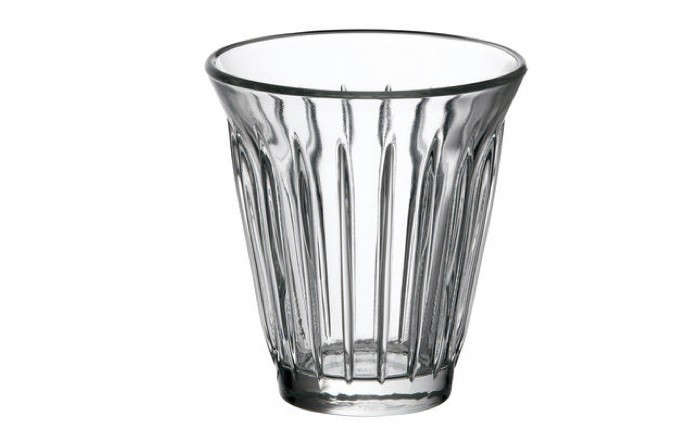
The La Rochere Zinc Traditional Northern Africa Espresso Cup is the kind of little glass that walks into your kitchen and immediately starts acting like it has a passport, a favorite café table, and strong opinions about crema. Compact, clear, ridged, and unmistakably French in spirit, this espresso cup set blends everyday durability with a design language that feels at home beside a moka pot, an espresso machine, a tray of dates, or a late-night dessert plate.
At first glance, it is simply a small glass espresso cup. Look again and the details begin doing their quiet magic. The vertical ridges give the cup texture, grip, and visual rhythm. The clear glass lets you admire the layered look of espresso, especially that golden cap of crema coffee lovers treat like a tiny crown. The 3.5-ounce capacity makes it practical for single shots, double shots, small desserts, Turkish-style coffee moments, and after-dinner sips that say, “I am awake, but elegantly.”
La Rochère, the historic French glassmaker behind the Zinc line, has been producing glassware since 1475. That means the brand was already making glass before modern coffee culture, before dishwasher debates, and long before anyone tried to describe their morning routine as “aesthetic.” The result is a cup that carries both heritage and usefulness: old-world character, modern table appeal, and enough sturdiness to survive actual daily life.
What Is the La Rochere Zinc Espresso Cup?
The La Rochere Zinc espresso cup is a small clear glass cup, commonly sold as a set of six. Current product details list each cup at approximately 3.5 ounces, with a height around 2.5 inches and a diameter around 2.75 inches. It is made in France and designed for espresso, after-dinner coffee, and other small-format drinks.
The word “Zinc” in the collection name refers to the inspiration behind the design. In French café culture, zinc-topped counters and tables are a familiar symbol of bistro life: practical, cool, slightly industrial, and beautifully unfussy. La Rochère’s Zinc collection translates that atmosphere into pressed glass. The faceted, ridged exterior feels utilitarian, but not boring. Think Paris café meets practical kitchen shelf, with a little North African coffee-house mood stirred in for good measure.
The “Traditional Northern Africa” phrasing often attached to this product points toward the small-glass coffee and tea traditions associated with North African and Mediterranean hospitality. Across Morocco, Algeria, Tunisia, and neighboring regions, strong coffee, spiced coffee, mint tea, and sweet accompaniments are often served in small glasses. This La Rochere cup is not a museum replica of one exact regional vessel; rather, it fits comfortably into that broader tradition of serving concentrated drinks in compact, clear glassware.
Design: Ridged Glass That Works Hard
The most memorable feature of the La Rochere Zinc espresso cup is its ribbed exterior. Those raised ridges are not just decorative. They help create a more secure grip, add a slight buffer between fingers and hot glass, and give the cup a lively texture. Smooth espresso cups can feel slippery, especially when condensation, steam, or hurried morning hands get involved. The Zinc cup says, “Relax, I have traction.”
The ridges also create a handsome play of light. Espresso looks darker and richer through the vertical facets, while milk-based mini drinks, layered desserts, and syrups appear more dimensional. If you enjoy photographing coffee for a blog, menu, social post, or personal proof that breakfast happened, these cups are cooperative little models.
Clear Glass for a Better Coffee Moment
Ceramic espresso cups are classic, but clear glass has its own charm. It lets you see the espresso as a complete visual experience: the dark body, the crema, the swirl of sugar, and the slow fade when a splash of milk is added. For people who enjoy ristretto, doppio, cortado-style pours, or tiny affogato servings, clear glass makes the drink feel more intentional.
There is also a practical side. Clear glass helps you judge serving size quickly. When you are pouring espresso, Turkish-style coffee, or a small digestif, you can see exactly how much is in the cup. That sounds minor until you have overfilled a tiny cup onto a tray and had to pretend it was part of the presentation.
Size and Capacity: Why 3.5 Ounces Makes Sense
Espresso is small by design. A traditional espresso serving is usually around one ounce, while many modern café shots and double shots may run larger depending on recipe, roast, grind, and barista preference. A 3.5-ounce cup gives you breathing room. It can hold a single espresso with room for crema, a double shot without panic, or a small coffee dessert without forcing you to perform liquid geometry at 7 a.m.
Compared with standard demitasse cups, which often fall around 2 to 3 ounces, the La Rochere Zinc cup is slightly more flexible. That extra capacity is useful for anyone who enjoys a splash of steamed milk, a sugar cube, a spoonful of whipped cream, or a tiny scoop of vanilla ice cream for an improvised affogato. It is still small enough to feel elegant, but not so tiny that it becomes a dollhouse accessory.
Material and Durability
The cup is made of clear pressed glass. La Rochère is known for traditional molded glassware with visible seams, a feature many collectors and fans consider part of the brand’s authenticity. Pressed glass allows for decorative relief, consistent shapes, and everyday toughness. The Zinc cup is not trying to be fragile crystal that needs a whispered apology every time you touch it. It is tableware meant to be used.
Current care guidance for the Zinc espresso set indicates that the cups are dishwasher safe, preferably on the top rack and gentle cycle. They are also listed as microwave safe for brief reheating, with caution against sudden temperature changes. That last point matters. Glass can be durable and still dislike thermal shock. Do not pull a chilled cup from the refrigerator and blast it with boiling espresso like you are conducting a science fair experiment called “Regret.”
How It Fits Northern African Coffee and Tea Culture
North African coffee culture is wonderfully diverse. In Morocco, Algeria, Tunisia, and nearby regions, coffee may be brewed strong, sometimes scented with spices such as cardamom, clove, cinnamon, or nutmeg. Tea, especially mint tea in Morocco, is often served in decorative glasses rather than handled mugs. The shared idea is hospitality: small servings, bold flavor, conversation, and something sweet nearby.
The La Rochere Zinc cup fits that style because it has the right scale and visual openness. A small glass of spiced coffee looks beautiful when the color is visible. A date, almond cookie, baklava square, or piece of dark chocolate beside it turns the serving into a small ritual. The cup does not shout “theme party.” It simply gives traditional small-glass service a polished, French-made interpretation.
That makes the cup especially useful for hosts who enjoy mixing influences. You can serve Italian espresso after dinner, Moroccan-inspired spiced coffee on a tray, Turkish-style coffee for a social gathering, or a tiny Vietnamese coffee concentrate over condensed milk. It is not locked into one cuisine. It is a flexible little vessel with a very good attitude.
Best Uses for the La Rochere Zinc Espresso Cup
Classic Espresso
This is the obvious use and probably the best starting point. Warm the cup first with hot water, pull your shot, and serve immediately. The clear glass highlights the crema, while the ridges make the cup easier to hold. A single shot looks refined; a double shot still has room to breathe.
After-Dinner Coffee
After a meal, large mugs can feel clumsy. These small cups create a restaurant-style finish, especially when paired with biscotti, dates, macarons, fruit, or chocolate. They make a weeknight dinner feel a little more complete, even if dinner was pasta eaten while standing near the sink. We do not judge.
Spiced Coffee
For a Northern African-inspired serving, brew a strong coffee and add a touch of cardamom, cinnamon, or clove. Serve in the Zinc cup with a date or sesame cookie. The glass shows off the coffee’s rich color, and the size encourages slow sipping instead of giant-mug chugging.
Mini Desserts
Because the cups are clear and compact, they are excellent for tiny desserts. Try espresso panna cotta, chocolate mousse, mini tiramisu, layered yogurt with honey, or a one-scoop affogato. The ridged glass makes simple desserts look deliberate, which is the entire secret of entertaining.
Tastings and Flights
If you enjoy comparing beans, roasts, brew ratios, or small-batch liqueurs, a set of six is ideal. Use the cups for espresso flights, cold brew concentrate samples, amaro tastings, or even olive oil tastings if your dinner party has reached that level of sophistication.
Styling Ideas for Home and Hospitality
The La Rochere Zinc espresso cups look best when you let their clarity and texture do the work. Place them on a wooden tray with a brass spoon, linen napkins, and a small dish of sugar cubes. For a North African-inspired setup, pair them with a patterned tray, dates, almonds, orange slices, or small pastries. For a French café look, use white saucers, a silver spoon, and a zinc or marble tabletop if you have one handy. If not, your normal counter will survive the indignity.
They also pair well with mixed glassware. Because the design is textured but not overly ornate, it can sit beside La Rochère Bee glasses, bistro tumblers, ceramic plates, stoneware bowls, or vintage dessert dishes. This is a strong advantage for real homes, where everything rarely matches unless someone recently got married or reorganized during a very ambitious Sunday.
Pros and Cons
Pros
- Made in France by a historic glassware brand
- Clear glass highlights crema, color, and layered drinks
- Ridged exterior improves grip and visual texture
- 3.5-ounce capacity works for espresso, double shots, and mini desserts
- Dishwasher safe for easy daily use
- Set of six is practical for hosting
- Versatile enough for French, Italian, North African, and Mediterranean-style service
Cons
- Glass may not retain heat as long as thick porcelain
- No handles, so very hot drinks require a little care
- Pressed-glass seams may be visible, which some people love and others may not
- The product name can be confusing because the design is French café-inspired, while the serving style can suit North African traditions
How to Care for the Cups
For everyday use, place the cups on the top rack of the dishwasher and choose a gentle cycle when possible. Avoid harsh scouring pads that could dull the surface. If mineral spots appear, rinse with warm water and a little white vinegar, then dry with a soft cloth. This is especially helpful in areas with hard water.
When reheating, keep it brief and avoid sudden temperature swings. Do not move the glass directly from freezer to microwave or from cold sink water to boiling liquid. Glass likes drama only in design, not in temperature.
Who Should Buy the La Rochere Zinc Espresso Cup?
This cup is a smart choice for coffee lovers who want something more interesting than a plain white demitasse but still practical enough for regular use. It is also ideal for hosts, design-minded home cooks, collectors of French glassware, and anyone building a stylish coffee station. If your kitchen leans bistro, farmhouse, Mediterranean, modern rustic, or eclectic, the Zinc cup will blend in without trying too hard.
It is less ideal for someone who wants maximum heat retention above all else. Thick ceramic or double-wall insulated glass may keep espresso hotter for longer. But if your priorities include beauty, heritage, clear presentation, and table versatility, the La Rochere Zinc cup earns its shelf space.
Buying Tips
When shopping, check that the listing specifies the espresso size, not the larger Zinc tumbler or long-drink glass. The Zinc line includes multiple formats, and photos can look similar online. Look for details such as 3.5 ounces, 10 centiliters, or set of six espresso cups. Also confirm the seller’s return policy, because glassware should arrive well packed and intact.
Prices may vary by retailer, availability, and shipping. Some listings position the cups as a specialty tabletop item, while others include them among broader La Rochère drinkware collections. If you are buying for a gift, the set-of-six format is convenient because it feels complete. Add a bag of espresso beans, a tin of cardamom coffee, or a small tray, and you have a thoughtful present that does not scream “I bought this at the last minute,” even if you absolutely did.
Experience: Living With the La Rochere Zinc Traditional Northern Africa Espresso Cup
Using the La Rochere Zinc Traditional Northern Africa Espresso Cup feels different from grabbing an ordinary mug. The difference is not loud or flashy. It is more like putting on a linen shirt instead of an old gym tee. Both technically do the job, but one makes you stand a little straighter.
The first thing you notice is the grip. The ridges make the cup feel secure, even though it has no handle. When filled with espresso, the glass warms quickly, but the textured surface helps prevent that unpleasant “why am I holding lava?” sensation that can happen with thin, smooth glass. It is still a hot drink in a small cup, so common sense remains invited to the party. But compared with slick, handleless cups, the Zinc design feels more confident in the hand.
Visually, it is rewarding. A shot of espresso in this cup looks rich and serious. The crema sits on top like a polished walnut-colored lid, and the faceted glass gives the dark coffee a deeper, almost jewel-like tone. If you add a little milk, the swirl is visible through the side. If you use it for Turkish-style coffee, spiced coffee, or a tiny dessert, the clear walls turn the serving into part of the experience.
For morning use, the cup encourages a slower ritual. A giant mug often invites multitasking: email, toast, phone, chaos. A small espresso glass asks for two quiet minutes. It makes coffee feel like a pause instead of a fuel transaction. That may sound poetic for a 3.5-ounce piece of glass, but small rituals matter. They are how kitchens become homes rather than appliance storage units.
For hosting, the set of six is especially satisfying. Six matching cups instantly make coffee service look organized. Place them on a tray with spoons and a bowl of sugar, and suddenly the host looks like someone who has a plan. Serve them with dates, almond cookies, baklava, biscotti, or squares of dark chocolate, and the entire table feels warmer. The cups are small enough to pass around easily, and because they are clear, guests can see what they are being served.
The Northern African connection is most enjoyable when treated as inspiration rather than strict authenticity. Brew a strong coffee with cardamom and cinnamon, serve it in the Zinc cups, and pair it with dates or orange slices. The glass shape supports the mood beautifully. It feels hospitable, intimate, and slightly ceremonial without becoming theatrical. No one needs a costume. No one needs a lecture. Just good coffee, small glasses, and something sweet.
Cleaning is easy, which matters because beautiful objects become annoying quickly if they require royal treatment. The dishwasher-safe construction makes daily use realistic. Hand washing is simple too, because the cups are small and sturdy. The ridges can catch a little water, so drying with a cloth keeps them sparkling. If hard-water marks appear, warm water and vinegar usually restore the shine.
The only real adjustment is heat retention. Glass does not always hold heat as long as thick ceramic, so prewarming the cup helps. Pour in hot water, let it sit for a moment, discard, then pull the espresso. This tiny step improves the drinking experience and makes the cup feel more café-like. It is also a useful reminder that good coffee rewards attention, not panic.
Overall, living with these cups is pleasant because they are both special and usable. They do not need to be locked away for guests, yet they are handsome enough for guests. They make espresso look better, dessert look fancier, and small coffee rituals feel more intentional. That is a lot of work for a little glass, but the La Rochere Zinc cup handles it with French composure and just enough sparkle.
Final Verdict
The La Rochere Zinc Traditional Northern Africa Espresso Cup is a charming, practical, and design-forward choice for anyone who appreciates small-format coffee service. Its ridged clear glass, French manufacturing heritage, 3.5-ounce capacity, and set-of-six convenience make it more versatile than a standard espresso cup. It is equally comfortable serving a morning shot, an after-dinner espresso, a spiced North African-inspired coffee, or a miniature dessert.
It may not be the best option for people who demand maximum insulation, and its handleless design requires thoughtful handling with very hot drinks. Still, the cup succeeds where it matters most: it turns a small serving into a memorable ritual. In a world full of oversized mugs with questionable slogans, that feels refreshingly civilized.













