
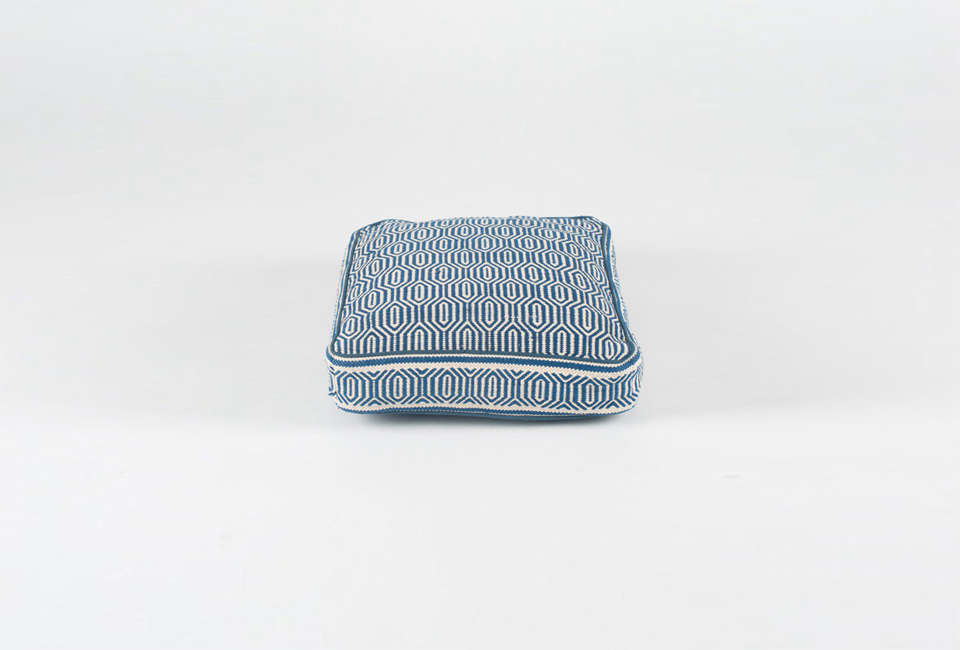
A Blue and White Geometric Square Dog Bed sounds like something a stylish interior designer would choose after politely asking the dog for approval. And honestly, that is exactly the point. Modern pet parents no longer want a lumpy cushion that looks like it escaped from a garage sale. They want a dog bed that supports their pup, survives real-life messes, and still looks good sitting in the living room, bedroom, home office, or cozy corner where the dog has already declared royal ownership.
This type of bed blends three things people care about: comfort for the dog, convenience for the human, and style for the home. The blue and white color palette feels clean, coastal, classic, and surprisingly flexible. The geometric pattern adds visual structure without turning the room into a circus tent. The square shape makes placement easy, especially against walls, beside sofas, inside crates, or under windows where dogs can supervise neighborhood squirrels with professional seriousness.
But a good dog bed is not just décor with paws on it. Dogs spend a significant part of the day resting, napping, stretching, curling, sighing dramatically, and pretending they do not hear the word “bath.” A supportive, easy-to-clean, properly sized bed can help create a predictable resting space that supports better comfort and calmer daily routines.
Why a Blue and White Geometric Square Dog Bed Stands Out
The first thing people notice is the design. Blue and white has been a beloved home décor combination for generations because it feels fresh without being loud. Navy and white can look crisp and tailored. Sky blue and ivory feel airy and coastal. Indigo and bright white can lean global, nautical, farmhouse, or modern depending on the surrounding furniture.
Geometric patterns are especially useful for pet products because they hide minor fur, lint, and everyday wear better than flat solid fabrics. A repeating diamond, lattice, chevron, tile, or block pattern gives the eye something to follow, which means one stray paw print is less likely to look like a crime scene. For homes with white walls, wood floors, blue accents, coastal décor, modern farmhouse furniture, or minimalist rooms that need a little personality, this bed works like a small design anchor.
The Practical Beauty of a Square Dog Bed
Round beds are adorable, but square dog beds are wonderfully practical. A square shape fits naturally into corners, beside furniture, under console tables, inside open shelving nooks, or at the foot of a bed. It also gives dogs clear edges, which many pets enjoy when they like to press their back or paws against something while sleeping.
A square dog bed can be especially useful for dogs that rotate between sleeping styles. Some dogs curl into tiny cinnamon rolls. Others sprawl diagonally as if they are auditioning for a furniture catalog. A square cushion gives both types room to negotiate. For smaller breeds, it can feel nest-like. For medium dogs, it can provide a defined lounge zone. For larger dogs, the square format works best when the dimensions allow the dog to lie fully stretched without limbs hanging over the sides like a tired spaghetti noodle.
Comfort Comes First: What to Look for Inside the Bed
The exterior may win the style contest, but the filling decides whether your dog actually uses the bed. A quality blue and white dog bed should provide enough loft and support to keep your pet off the hard floor. Thin, flimsy beds may look cute for a few weeks, then flatten into something closer to a decorative pancake.
Supportive Foam
Foam-based beds are popular because they offer more structure than loose polyester stuffing. Memory foam or orthopedic foam can be helpful for senior dogs, large breeds, dogs with stiff joints, and pets that prefer a stable sleeping surface. The goal is not to make the bed rock-hard. The goal is gentle support that distributes body weight and reduces pressure on hips, shoulders, elbows, and spine.
Soft but Durable Fill
Polyester fiberfill can feel plush and cozy, especially for younger dogs or small breeds that love a cushioned nest. However, it should be dense enough to resist clumping. A high-quality insert should spring back after pressure rather than staying dented in the exact shape of your dog’s afternoon nap.
Bolster or No Bolster?
Some square dog beds include raised edges or bolsters. These are great for dogs that like head support, lean while sleeping, or feel safer in a more enclosed space. Flat square beds are better for dogs that stretch out fully, overheat easily, or have mobility issues that make climbing over raised sides uncomfortable.
Choosing the Right Size for Your Dog
Size matters. A bed that is too small becomes a decorative footrest. A bed that is too large may overwhelm a tiny dog who prefers a snug sleeping spot. The easiest method is to measure your dog from nose to tail while resting, then add several inches so there is room to stretch and shift.
For curlers, the bed can be slightly more compact because they like to tuck themselves into a ball. For sprawlers, choose a larger square dog bed with enough surface area for legs, paws, and the occasional upside-down nap. For leaners, a square bed with at least one raised side may be ideal. For senior dogs, prioritize low entry, stable support, and enough space for turning around without awkward stepping.
Fabric Matters More Than You Think
A beautiful pattern is only useful if the fabric can handle real dog life. Dogs shed, drool, track in dust, carry snacks to forbidden locations, and occasionally treat their bed like a wrestling opponent. A good geometric dog bed should use a fabric that balances softness with resilience.
Look for Washable Covers
A removable, machine-washable cover is one of the best features a dog bed can have. It saves time, keeps odors under control, and extends the life of the insert. Zippered covers are especially convenient because you can remove the outer layer without wrestling the entire bed into the washing machine.
Consider Water-Resistant Layers
Water-resistant or moisture-resistant liners are useful for puppies, senior dogs, dogs that drool, and pets who return from outdoor adventures with paws that look suspiciously swamp-adjacent. A liner helps protect the foam or filling from accidents and spills, which is important because inserts are usually harder to clean than covers.
Pet-Friendly Texture
Smooth, tightly woven fabrics tend to release fur more easily than heavily textured materials. Patterned fabric can hide small marks, but it should not trap hair so aggressively that cleaning becomes a weekend hobby. Ideally, the surface should be comfortable for the dog and practical for the human with the lint roller.
Why Blue and White Works in Real Homes
The charm of a blue and white geometric square dog bed is that it does not scream “pet accessory.” It looks intentional. Place it next to a navy sofa, and it coordinates. Put it in a white bedroom with light wood furniture, and it feels breezy. Add it to a mudroom, sunroom, or home office, and it creates a clean, pulled-together pet station.
Blue is also one of the easiest colors to layer with neutrals. It works with gray, cream, beige, tan, walnut, black, brass, rattan, and painted white furniture. The white portion keeps the bed visually light, while the geometric print adds movement. If your home already includes patterned rugs, striped pillows, ceramic planters, or coastal artwork, a geometric dog bed can join the party without knocking over the punch bowl.
Where to Place a Square Dog Bed
Dogs like comfort, but they also like being part of the household action. The best place for a square dog bed is usually somewhere quiet but not isolated. A corner of the living room, a spot beside your desk, a bedroom wall, or a sunny window area can all work well.
Avoid placing the bed in drafty hallways, directly beside loud appliances, or in busy walkways where people may step around the dog all day. Dogs need a resting spot where they can relax without being startled every five minutes. If your dog follows you from room to room, consider using two beds: one in the main living area and one in the bedroom. Congratulations, your dog now owns a small real estate portfolio.
Cleaning and Care Tips
To keep a blue and white bed looking bright, vacuum it regularly and wash the cover according to the care label. Cold or warm water is often safer for printed fabrics than hot water, which can fade colors or shrink certain materials. Dry the cover fully before putting it back on the insert to prevent trapped moisture and musty odors.
For quick refreshes, shake the bed outdoors, use a pet hair roller, or spot-clean with a mild pet-safe cleaner. If the bed has a foam insert, avoid soaking it unless the manufacturer specifically says it is washable. Foam can hold water for a long time, and nobody wants a dog bed that smells like a forgotten beach towel.
Best Dogs for This Style of Bed
A square geometric dog bed can work for many breeds and ages, but it is especially useful for dogs that enjoy defined boundaries. Small breeds like French Bulldogs, Cavalier King Charles Spaniels, Dachshunds, Pugs, Shih Tzus, and miniature Poodles often appreciate a cozy square cushion. Medium dogs such as Beagles, Cocker Spaniels, Shelties, and terriers may enjoy the balance of room and structure. Larger breeds can use square beds too, as long as the dimensions and thickness are appropriate.
Senior dogs may benefit from a supportive foam version with a low profile. Puppies may need a washable, durable cover because puppies are adorable chaos machines in tiny fur coats. Dogs with allergies may do better with washable materials that can be cleaned frequently to reduce dust, dander buildup, and outdoor particles.
How to Style It Without Overthinking
The easiest way to style a blue and white geometric bed is to repeat one color nearby. Add a blue throw pillow to the sofa, a white basket for toys, or a navy leash hook near the door. This makes the bed feel like part of the room instead of a random square that arrived during a pet-supply emergency.
For a coastal look, pair it with woven baskets, pale woods, linen curtains, and natural textures. For a modern look, place it near black metal furniture, white walls, and clean-lined accessories. For farmhouse style, combine it with wood tones, ticking stripes, and ceramic bowls. For maximalist homes, let the geometric pattern join other prints, but keep the color palette controlled so the room feels collected rather than confused.
Common Buying Mistakes to Avoid
The biggest mistake is buying for appearance only. A bed can be gorgeous and still fail if it is too thin, too small, hard to wash, or made from fabric that snags easily. Another mistake is ignoring your dog’s sleeping style. A curled-up Chihuahua and a sprawling Labrador do not need the same bed, even if both have excellent taste.
Also check the bottom of the bed. A non-slip base is helpful on hardwood, tile, and laminate floors. Without it, an excited dog may launch the bed across the room like a furry sled. If your dog chews, digs, or nests aggressively, prioritize reinforced seams and durable fabric over delicate decorative details.
Is a Blue and White Geometric Square Dog Bed Worth It?
Yes, if it combines comfort, washability, and good construction. This bed style is more than a pretty print. It can provide your dog with a dedicated place to rest while improving the look of your home. The best version will have a supportive insert, removable cover, durable stitching, pet-friendly fabric, and a size that matches your dog’s body and habits.
Think of it as a small piece of furniture for the family member who barks at delivery trucks. When chosen well, it becomes part of the daily rhythm: morning stretch, afternoon nap, evening chew toy session, and nighttime flop. It is practical, attractive, and far easier to clean than the sofa your dog keeps pretending is not also a dog bed.
Real-Life Experience: Living With a Blue and White Geometric Square Dog Bed
The first thing you notice after bringing home a blue and white geometric square dog bed is that the dog will inspect it like a tiny hotel critic. There will be sniffing. There may be pawing. There might be a dramatic circle-turning ceremony before the final decision is made. Once approved, however, the bed quickly becomes part of the house.
In a living room, this style feels surprisingly polished. Instead of hiding the dog bed when guests come over, you can leave it out with confidence. The geometric pattern looks like a deliberate textile choice, especially when paired with blue pillows, white curtains, or a patterned rug. Guests may even compliment it before realizing it belongs to the dog, who is usually lying on it with the relaxed confidence of someone who pays no rent.
Daily use teaches you what matters most. A removable cover becomes less of a luxury and more of a survival tool. After a rainy walk, a dusty backyard adventure, or one mysterious snack crumb incident, being able to unzip the cover and wash it feels like winning a small domestic championship. Blue and white stays fresh-looking when cleaned regularly, but the pattern also helps disguise minor signs of use between wash days.
The square shape is another practical advantage. It slides neatly beside a sofa, under a window, or next to a nightstand. In a home office, it gives the dog a place to settle while you work. This can be helpful for pets that want to stay close but do not need to climb into your lap during every video call. The dog gets a cozy station, and you get fewer surprise tail appearances on camera. Everyone wins, except possibly the tail.
For dogs that like routine, the bed can become a cue for calm behavior. When placed in the same spot every day, it helps create a predictable resting zone. After walks, meals, or playtime, many dogs naturally return to their bed to decompress. Adding a favorite blanket or chew toy can make the space even more inviting. Just avoid overcrowding it; dogs appreciate comfort, but they do not need a full interior design installation.
One real-world lesson is that the best dog bed is the one your dog actually uses. Some pets love bolsters because they enjoy resting their chin on the edge. Others prefer a flat cushion because they stretch in every direction like they are trying to become a rug. Watch your dog for a few days before deciding which version is best. Their sleeping habits will tell you more than any product label.
The bed also changes how a room feels. Pet items often look temporary, but a blue and white geometric dog bed feels integrated. It says, “Yes, a dog lives here, and yes, the dog has better textiles than some college apartments.” That mix of humor, comfort, and style is exactly why this design has such broad appeal. It respects the dog’s need for rest and the owner’s desire for a home that still looks intentional after the zoomies have passed.
In the end, the experience is simple: a well-made blue and white geometric square dog bed makes life easier. It gives your pet a soft, reliable place to nap. It gives you a washable, attractive alternative to surrendering every cushion in the house. And it gives the room a small pop of pattern that feels cheerful rather than chaotic. For a product that will probably host hundreds of naps, several dreams about squirrels, and at least one stolen sock, that is a pretty impressive résumé.
SEO Tags
Note: This HTML body is written in standard American English for web publishing and intentionally excludes source links or citation artifacts.














