
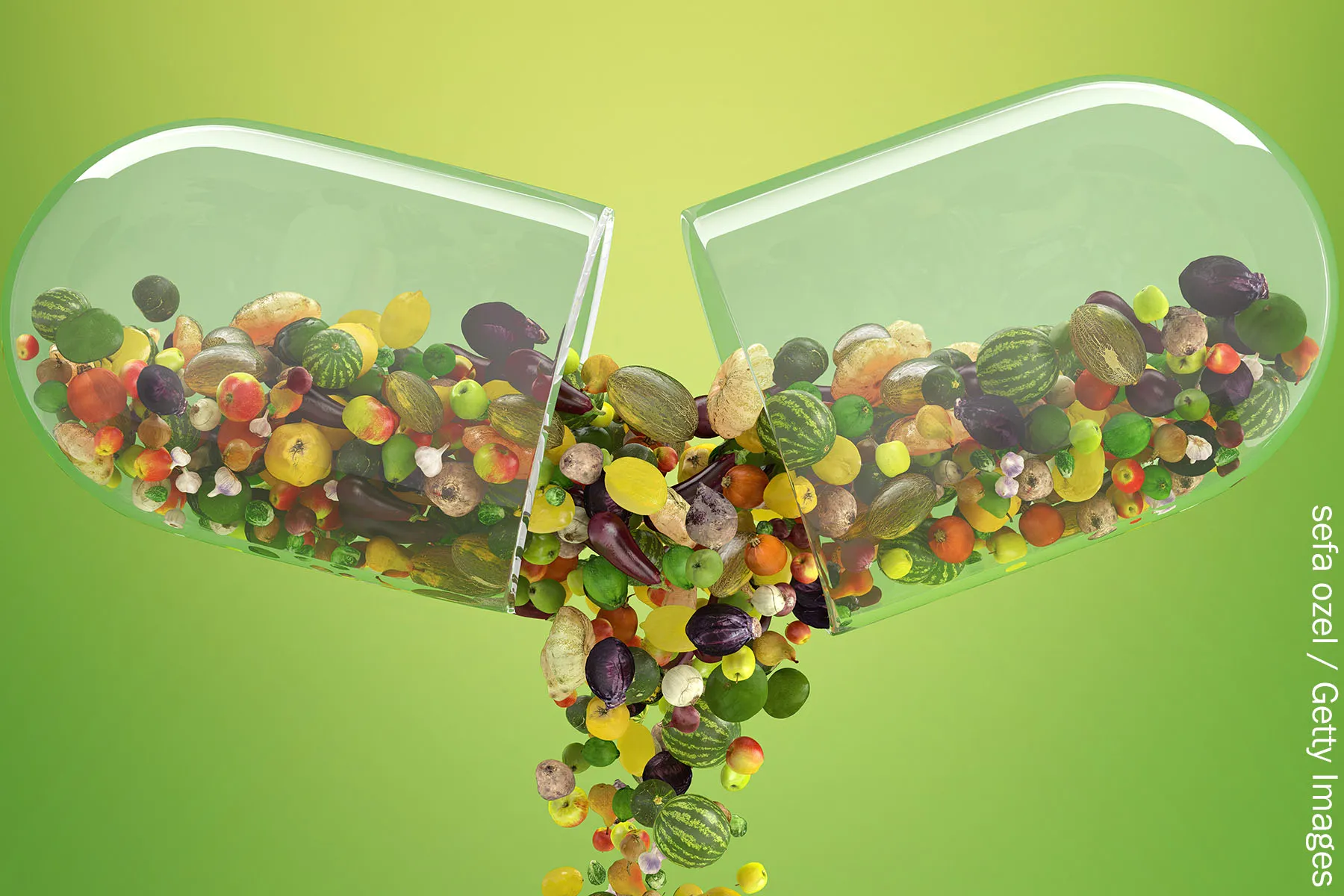
There was a time when “doctor’s orders” usually meant a bottle from the pharmacy, a stern look over the top of a clipboard, and a reminder to stop treating coffee as a food group. Today, the prescription pad is getting a delicious upgrade. More physicians, dietitians, public health experts, and health systems are talking seriously about food as medicinenot as a cute slogan for a farmers market tote bag, but as a practical way to help prevent, manage, and sometimes improve diet-related health conditions.
Let’s be clear from the appetizer: broccoli is not a magic wand, blueberries do not wear tiny lab coats, and lentils cannot replace emergency care. Food is not a substitute for prescribed medication, surgery, vaccines, or professional medical treatment. But the food we eat every day does influence blood pressure, blood sugar, cholesterol, inflammation, gut health, weight, energy, and long-term disease risk. In other words, dinner has entered the chat.
The idea behind Food: Just What the Doctor Ordered is simple: when meals are built around nutrient-dense foodsvegetables, fruits, whole grains, beans, nuts, seeds, lean proteins, seafood, healthy fats, and lower-sugar dairy or fortified alternativesthey can become part of a smarter health plan. Not a punishment plan. Not a “chew sadness until your jeans approve” plan. A real-life, flavor-friendly, budget-aware, culturally flexible plan that helps your body do its job.
What Does “Food as Medicine” Really Mean?
Food as medicine refers to the use of nutritious food and nutrition-based interventions to support health, prevent disease, and help manage chronic conditions. This can include everyday healthy eating, medically tailored meals, produce prescriptions, nutrition counseling, meal planning for diabetes, low-sodium diets for blood pressure, and anti-inflammatory eating patterns for overall wellness.
The movement has gained momentum because chronic diseases such as heart disease, type 2 diabetes, obesity, some cancers, kidney disease, and hypertension are closely tied to lifestyle factors, including diet quality. That does not mean disease is a moral failure. Bodies are complicated, genetics matter, stress is real, food access is uneven, and life occasionally hands you a drive-thru dinner at 9:47 p.m. But it does mean food choices are one powerful leverespecially when communities, health care systems, and families make nutritious foods easier to access.
Why Doctors Care About What Is on Your Plate
Doctors care about food because food becomes biology. Carbohydrates affect blood glucose. Sodium can affect blood pressure. Fiber feeds beneficial gut bacteria and supports healthy cholesterol levels. Saturated fat and trans fat can influence heart health. Protein helps preserve muscle. Calcium, vitamin D, potassium, magnesium, iron, folate, and omega-3 fats all play important roles in keeping the body running like a well-managed kitchen instead of a smoke alarm with legs.
One meal will not make or break your health. The body is forgiving. Thank goodness, because birthday cake exists. But eating patternsthe repeated choices made over weeks, months, and yearsmatter deeply. A pattern rich in whole and minimally processed foods gives the body more of what it needs and less of what tends to cause trouble when eaten too often: added sugars, excess sodium, refined grains, heavily processed meats, and large amounts of saturated fat.
The Big Three: Heart Health, Blood Sugar, and Inflammation
For heart health, eating more vegetables, fruits, beans, whole grains, nuts, fish, and unsaturated fats can support healthier cholesterol and blood pressure. This is why Mediterranean-style and DASH-style eating patterns are so often recommended. They are not built around deprivation. They are built around abundance: colorful plants, smart fats, satisfying proteins, herbs, spices, and meals that do not taste like cardboard attending a wellness seminar.
For blood sugar, balanced meals matter. Pairing high-fiber carbohydrates with protein and healthy fat can slow digestion and reduce glucose spikes. A bowl of oatmeal with nuts and berries is usually more blood-sugar friendly than a sweet pastry eaten alone. The pastry may be charming, but charm is not the same as metabolic strategy.
For inflammation, a diet centered on whole foods may help reduce chronic low-grade inflammation. That does not mean one “anti-inflammatory smoothie” will undo years of ultra-processed snacking. It does mean that consistent choicesleafy greens, berries, olive oil, beans, fatty fish, whole grains, and nutscan support the body’s normal repair systems.
The Doctor-Approved Grocery List
A health-supportive kitchen does not need to look like a luxury wellness retreat where every almond has a biography. Start with ordinary foods that do extraordinary work.
Vegetables: The Original Multivitamin With Crunch
Vegetables bring fiber, potassium, folate, antioxidants, and volume to meals. Leafy greens, broccoli, carrots, peppers, tomatoes, onions, mushrooms, squash, and cabbage are all strong choices. Frozen vegetables count. Canned vegetables count too, especially when you choose no-salt-added or rinse them before eating. The best vegetable is not the fanciest one. It is the one you will actually eat before it becomes a compost experiment in the back of the fridge.
Fruits: Sweet, Smart, and Fiber-Friendly
Whole fruits offer natural sweetness plus fiber, vitamins, minerals, and plant compounds. Berries, apples, oranges, bananas, pears, peaches, grapes, and melon can all fit into a healthy eating pattern. For most people, whole fruit is a better daily choice than fruit juice because it is more filling and less concentrated in sugar. Translation: eat the orange more often than you drink the orange.
Whole Grains: Carbs With a Resume
Whole grains such as oats, brown rice, quinoa, barley, farro, whole wheat bread, corn tortillas, and whole grain pasta contain more fiber and nutrients than refined grains. They help meals feel satisfying and support digestive health. Carbohydrates are not the villain. The issue is quality, portion, and what they are paired with. A balanced plate with whole grains, vegetables, and protein is a different story from a mountain of refined noodles wearing a tiny hat of parsley.
Beans, Lentils, Nuts, and Seeds: Small Foods, Big Payoff
Beans and lentils are budget-friendly nutrition heroes. They provide fiber, plant protein, magnesium, potassium, and slow-digesting carbohydrates. Nuts and seeds add healthy fats, protein, minerals, and satisfying crunch. Add chickpeas to salads, black beans to tacos, lentils to soup, chia seeds to yogurt, or walnuts to oatmeal. Your future self may not send a thank-you card, but your gut bacteria might hold a parade.
Lean Protein and Seafood: Build, Repair, Repeat
Protein supports muscle, immune function, hormones, and satiety. Good options include fish, poultry, eggs, tofu, tempeh, beans, lentils, low-fat dairy, Greek yogurt, and lean cuts of meat. Fatty fish such as salmon, sardines, trout, and tuna provide omega-3 fats, which are associated with heart and brain health. Processed meats, on the other hand, are best treated like loud relatives at a holiday party: occasionally present, not in charge.
Healthy Fats: Do Not Fear the Avocado
Healthy fats help absorb fat-soluble vitamins and make meals satisfying. Olive oil, avocado, nuts, seeds, and fatty fish are useful choices. The goal is not “no fat.” The goal is better fat. Replacing butter-heavy, deep-fried, and highly processed fat sources with unsaturated fats can support heart health while still keeping food enjoyable.
The Plate Method: A Prescription You Can Actually Remember
Nutrition advice can get confusing fast. One expert says “eat more plants,” another says “watch carbs,” and somewhere on the internet a man with abs is yelling at a banana. The plate method cuts through the noise.
Try building many meals like this: fill half your plate with non-starchy vegetables, one quarter with protein, and one quarter with high-quality carbohydrates such as whole grains, beans, lentils, fruit, or starchy vegetables. Add a small amount of healthy fat, and choose water or an unsweetened drink most often. This approach is simple, visual, and flexible enough for many cuisines.
For example, a “doctor ordered” plate could be grilled chicken, brown rice, roasted broccoli, and avocado. It could also be tofu stir-fry with vegetables and soba noodles, lentil soup with salad and whole grain bread, salmon tacos with cabbage slaw and beans, or eggs with sautéed spinach, fruit, and oatmeal. Healthy eating does not have to speak only one culinary language.
Food for Specific Health Goals
For High Blood Pressure
Focus on vegetables, fruits, beans, low-fat dairy or fortified alternatives, nuts, seeds, whole grains, and foods rich in potassium, calcium, and magnesium. Reduce sodium by cooking more at home, tasting before salting, using herbs and spices, and checking labels on packaged foods. Restaurant meals and processed foods can hide enough sodium to make your blood pressure file a complaint.
For Type 2 Diabetes or Prediabetes
Choose high-fiber carbohydrates, watch portions, pair carbs with protein, and spread intake throughout the day in a way that fits your medical plan. A balanced breakfast might include Greek yogurt with berries and nuts, eggs with vegetables and whole grain toast, or oatmeal with peanut butter and cinnamon. People taking diabetes medication should work with a clinician or registered dietitian because meal timing and carbohydrate intake may affect blood sugar and medication needs.
For Cholesterol
Increase soluble fiber from oats, beans, lentils, apples, citrus, and barley. Replace some saturated fats with unsaturated fats from olive oil, nuts, seeds, and fish. Eat more plant-forward meals. This does not mean you must break up with cheese forever. It means cheese should stop acting like the main character in every meal.
For Gut Health
Fiber is the gut’s favorite housekeeping service. Beans, whole grains, vegetables, fruits, nuts, and seeds support a diverse gut microbiome. Fermented foods such as yogurt with live cultures, kefir, sauerkraut, kimchi, miso, and tempeh may also be helpful for some people. Increase fiber gradually and drink water, unless you enjoy feeling like your intestines are inflating a parade balloon.
What to Eat Less Often Without Turning Life Into a Lecture
A healthy eating pattern leaves room for pleasure. The goal is not perfection; it is direction. Most people benefit from eating less added sugar, refined grains, sugary drinks, excess sodium, highly processed foods, and processed meats. These foods are not “evil.” They are simply easy to overeat and often crowd out more nutritious options.
Instead of banning everything fun, use upgrades. Swap soda for sparkling water with citrus. Choose oatmeal instead of a frosted breakfast bar most days. Add a salad to pizza night. Use herbs, garlic, vinegar, lemon, chili, and spices to reduce the need for heavy salt. Keep dessert, but make it intentional. A cookie enjoyed slowly beats six cookies inhaled over the sink while pretending it “doesn’t count” because no plate was involved.
Food Access Matters: Medicine Must Be Reachable
Talking about food as medicine without talking about access is like prescribing swimming lessons to someone without a pool. Many families face high grocery prices, limited transportation, food deserts, time constraints, medical conditions, or cultural barriers in nutrition advice. “Just eat salmon and organic berries” is not helpful when a person has $40, two kids, and a bus ride between them and the nearest supermarket.
That is why food-based health programs matter. Produce prescriptions, medically tailored meals, food pharmacies, nutrition counseling, community gardens, school meals, and benefits that support healthy groceries can help turn advice into action. Food as medicine works best when it is practical, affordable, culturally respectful, and supported by the health care systemnot when it is tossed at patients like a kale grenade.
How to Start Without Overhauling Your Entire Life
Start small enough that success feels almost suspicious. Add one vegetable to lunch. Replace one sugary drink per day with water. Cook one bean-based meal per week. Keep washed fruit visible. Choose whole grain bread. Add nuts to breakfast. Make a simple dinner formula: protein plus vegetable plus high-fiber carbohydrate plus flavor.
Meal planning also helps. You do not need matching glass containers arranged like a social media photoshoot. You need a rough plan. Cook a pot of soup. Roast a tray of vegetables. Make a grain or bean salad. Keep eggs, yogurt, canned tuna, frozen vegetables, hummus, and whole grain wraps on hand. The easier the healthy choice becomes, the more often you will choose it.
A Realistic One-Day “Food as Medicine” Menu
Breakfast
Oatmeal topped with blueberries, walnuts, cinnamon, and a spoonful of plain Greek yogurt. This meal offers whole grains, fiber, protein, healthy fat, and natural sweetness.
Lunch
A grain bowl with brown rice, black beans, roasted peppers, greens, salsa, avocado, and grilled chicken or tofu. It is colorful, filling, and built on the plate-method idea without requiring a calculator.
Snack
An apple with peanut butter, carrots with hummus, or cottage cheese with fruit. Snacks work best when they include fiber, protein, or healthy fat instead of just a quick sugar rush followed by the emotional crash of wanting another snack five minutes later.
Dinner
Baked salmon or lentil patties with roasted sweet potatoes, steamed broccoli, and a side salad with olive oil and vinegar. Add herbs, lemon, garlic, or chili flakes for flavor. Healthy food should taste like someone cared.
Experience Section: What Happens When Food Becomes Part of the Health Plan?
Here is the experience many people discover when they stop treating healthy eating like a temporary punishment and start treating it like daily maintenance. The first week is not glamorous. You may buy spinach with heroic confidence and then stare at it like it is a green legal document. You may forget the beans. You may realize that “meal prep” sounds easier before there are dishes involved. That is normal. The goal is not to become a nutrition influencer by Thursday. The goal is to make food work for you in real life.
A practical starting point is breakfast. Many people notice that a protein-and-fiber breakfast keeps them fuller than a sweet coffee drink and a pastry. For example, eggs with vegetables, oatmeal with nuts, or yogurt with berries can reduce the midmorning snack emergency. Nobody becomes a superhero from oatmeal, but it is nice to reach 11 a.m. without bargaining with a vending machine.
Lunch is often where good intentions go to wrestle with busy schedules. A helpful experience is building “assembly meals.” Keep a base like greens, brown rice, quinoa, or whole grain wraps. Add protein such as beans, chicken, tuna, tofu, or eggs. Add vegetables, sauce, and crunch. Suddenly lunch becomes less of a daily crisis and more of a five-minute construction project. The trick is flavor. A healthy meal without flavor is just homework in a bowl. Salsa, hummus, yogurt sauce, vinaigrette, chili crisp, lemon, garlic, herbs, and spices can make nutritious food something you actually look forward to eating.
Dinner becomes easier when you repeat formulas instead of recipes. Soup night, taco night, sheet-pan night, stir-fry night, breakfast-for-dinner nightthese patterns reduce decision fatigue. One roasted vegetable, one protein, one smart carbohydrate, and one sauce can become dozens of meals. This is where food starts feeling less like a prescription and more like a rhythm.
People also learn that the biggest benefits often come from what gets added, not only what gets removed. Add beans to chili. Add spinach to eggs. Add berries to breakfast. Add a side salad to pasta. Add frozen vegetables to soup. These small additions increase fiber, vitamins, minerals, and volume. Over time, cravings may shift because the body is finally getting steady fuel instead of a roller coaster of sugar, salt, and “Why am I tired again?”
The most encouraging experience is confidence. Once you know how to build a balanced plate, read a sodium label, cook a few simple meals, and keep emergency healthy foods on hand, eating well feels less mysterious. Food becomes part of self-care, not a courtroom where every meal is judged. And yes, there is still room for pizza, birthday cake, and fries. The difference is that they become part of the pattern, not the entire pattern. That is food as medicine at its most human: practical, flexible, flavorful, and forgiving.
Conclusion: The Best Prescription May Start in the Kitchen
Food will never replace your doctor, and it should not be used as an excuse to ignore symptoms, skip medication, or self-treat serious conditions. But food absolutely belongs in the conversation about health. A thoughtful eating pattern can support heart health, blood sugar control, healthy weight, digestion, energy, and long-term disease prevention. It can also make daily life better, because feeling nourished is not a luxuryit is basic maintenance for being a human with errands.
The smartest approach is not extreme. It is consistent. Eat more plants. Choose whole grains. Include satisfying protein. Use healthy fats. Limit added sugars, excess sodium, and heavily processed foods. Ask for help when you need it. Make food delicious enough to repeat. The doctor’s orders are not about building a perfect plate every time. They are about building a healthier pattern, one meal at a time.













