
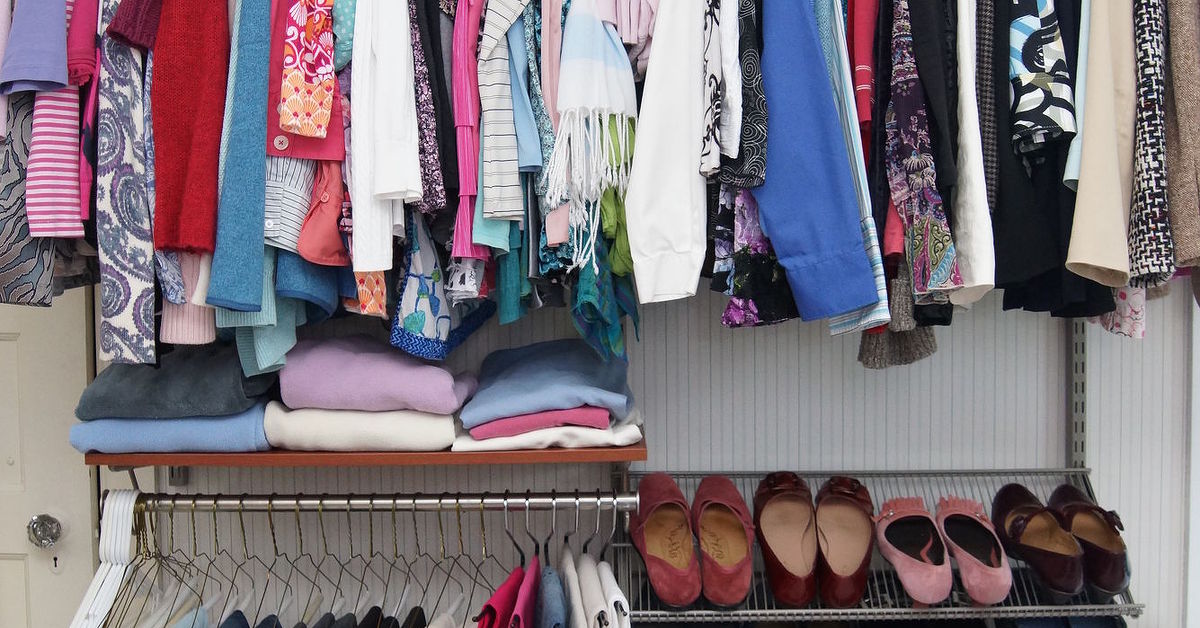
The master closet has a funny way of becoming the family museum of “maybe someday.” Maybe someday those jeans will fit. Maybe someday that mystery belt will find its matching outfit. Maybe someday you will need seven nearly identical black T-shirts because one of them has “weekend energy.” Meanwhile, your morning routine turns into a small archaeological dig.
The good news is that organizing the master closet does not require a celebrity-sized dressing room, a custom island, or a chandelier dramatic enough to have its own agent. What it does require is a practical system: clear categories, better visibility, smart storage, and a maintenance routine that does not collapse the first time laundry day shows up wearing muddy shoes.
This guide breaks the process into six simple organizing tips that work for reach-in closets, walk-in closets, shared closets, rental closets, and closets that currently look like a department store had a nervous breakdown. The goal is not perfection. The goal is a master closet that helps you get dressed faster, protects your clothes, uses space wisely, and makes your bedroom feel calmer.
Why Master Closet Organization Matters
A well-organized master closet does more than look pretty in a before-and-after photo. It saves time, reduces duplicate purchases, protects clothing from wrinkles and damage, and makes it easier to see what you already own. When every shirt, shoe, bag, and sweater has a sensible home, you spend less time searching and more time leaving the house without muttering at your hangers.
Master closet organization is especially important because this space often holds more than everyday clothing. It may include shoes, bags, accessories, seasonal clothes, formalwear, travel items, keepsakes, and sometimes things that have no business being there at all. A closet works best when it supports your daily routine instead of storing every item that did not know where else to go.
Before buying bins, baskets, dividers, or matching hangers, start with a plan. The most common closet mistake is shopping for organizers before understanding what needs to be organized. A basket is not magic. It is just a container that can hide chaos more politely.
Tip 1: Empty, Edit, and Be Slightly Ruthless
The first step in organizing the master closet is to take everything out, or at least work section by section if the whole closet feels too overwhelming. Emptying the space gives you a realistic view of what you own, what you wear, and what has been quietly living rent-free behind your sweaters since 2018.
Create simple piles: keep, donate, sell, repair, relocate, and discard. The “relocate” pile is important because many master closets become storage zones for unrelated items. Pet supplies, old paperwork, random décor, broken hangers, empty boxes, and forgotten gift bags can make the closet harder to use. If it does not help you get dressed, maintain your wardrobe, or store personal accessories, it may belong somewhere else.
Questions to Ask While Decluttering
As you review each item, ask yourself practical questions. Have I worn this in the past year? Does it fit my current life? Is it damaged beyond repair? Do I feel good wearing it? Would I buy it again today? If the answer is no, the item may be ready for a new home.
Be honest about aspirational clothing. One or two special pieces are fine. A closet full of “future me” outfits can make current you feel like you are failing a fashion exam nobody assigned. Keep clothing that serves your actual lifestyle, not an imaginary version of yourself who attends garden parties every Tuesday.
For sentimental clothing, set a limit. A wedding outfit, a meaningful jacket, or a concert tee from a favorite memory can stay, but it should not crowd out daily essentials. Store sentimental items in a labeled keepsake box instead of mixing them with everyday clothes.
Tip 2: Organize by Category, Then by Frequency
Once you know what is staying, sort everything by category. Group shirts with shirts, pants with pants, dresses with dresses, workout clothes with workout clothes, and accessories with accessories. This sounds obvious, but closets often become confusing because categories are scattered. One sweater on a shelf, three in a drawer, two under a coat, and one draped over a chair is not a system. It is a sweater migration pattern.
After grouping by category, organize by frequency of use. Everyday items should be placed at eye level or within easy reach. Less-used items, such as formalwear, vacation clothing, or out-of-season pieces, can live on higher shelves, in labeled bins, or in another storage area. Your closet should reward your real routine. If you wear work pants five days a week, they deserve prime real estate. The sequined holiday blazer can survive on the upper shelf until December.
Create Zones for Shared Closets
If two people share the master closet, divide the space clearly. Each person should have designated hanging sections, shelves, drawers, and shoe storage. Shared accessories, laundry supplies, or travel items can go in a neutral zone. This prevents the classic relationship mystery known as “Why are your hoodies on my side?”
Within each zone, arrange clothing in a way that matches the dressing routine. Some people prefer clothing by type, then color. Others prefer workwear, casualwear, and activewear separated into mini wardrobes. The best system is the one you can maintain when you are tired, late, and holding a cup of coffee like it is emotional support.
Tip 3: Use Matching Hangers and Hang the Right Things
Matching hangers instantly make a master closet look cleaner, but they also improve function. Uniform hangers save space, reduce visual clutter, and help clothing hang at the same height. Slim non-slip hangers are useful for blouses, shirts, and lightweight jackets. Sturdier hangers are better for coats and structured pieces.
That said, not everything belongs on a hanger. Heavy sweaters can stretch out when hung, so fold them on shelves or place them in breathable bins. Delicate knits also do better folded. Pants can be hung on clip hangers or folded over trouser hangers, depending on the space. Dresses, blazers, button-downs, and wrinkle-prone items usually benefit from hanging.
Try the Reverse Hanger Test
For clothing you are unsure about, try the reverse hanger method. Turn all hangers backward. After you wear an item, return it to the closet facing the normal direction. After a few months, you will clearly see what you reach for and what you ignore. It is a quiet little truth-teller, like a fitness tracker for your wardrobe, minus the judgmental step count.
This method works best for everyday clothing. Seasonal items need a separate review because a winter coat may not be worn in July, and that does not mean it has betrayed you. Use common sense and evaluate seasonal clothing when its season ends.
Tip 4: Maximize Vertical Space, Doors, and Corners
Most master closets have more usable space than they appear to have. The secret is looking up, down, behind, and sideways. Vertical space is valuable for shelves, stackable bins, hanging organizers, double rods, and shoe racks. If your closet has one lonely rod with a large empty area beneath it, consider adding a second rod for shorter items like shirts, skirts, and folded pants.
High shelves are ideal for off-season clothing, luggage, keepsake boxes, and special-occasion accessories. Use labeled bins so you do not have to play “guess the mystery container” every time the weather changes. Clear bins make contents visible, while fabric or woven bins create a softer, more decorative look. Choose what fits your style and your patience level.
Do Not Ignore the Closet Door
The inside of the closet door is often wasted space. Over-the-door organizers can hold shoes, scarves, belts, small bags, jewelry, hats, or accessories. Hooks can hold tomorrow’s outfit, a robe, a frequently used tote, or a dry-cleaning bag. Wall hooks or peg rails can also help with items that otherwise land on the nearest chair, also known as “the chairdrobe.”
Corners can work harder too. A narrow shelf, rotating organizer, corner shoe rack, or small stack of drawers can turn awkward dead space into useful storage. The trick is not to fill every inch just because it exists. Empty breathing room is part of good organization. A closet packed tighter than a suitcase before vacation is difficult to maintain.
Tip 5: Make Shoes, Accessories, and Small Items Easy to See
Small items create big clutter. Belts, watches, jewelry, scarves, sunglasses, ties, handbags, and wallets can quickly turn into a tangled nest. The solution is visibility. When you can see what you own, you are more likely to use it and less likely to buy duplicates.
Use drawer dividers for jewelry, rolled belts, socks, undergarments, and small accessories. Use trays for watches, perfume, sunglasses, or daily jewelry. Use shelf dividers to keep handbags upright and prevent sweater stacks from leaning like tired skyscrapers. For scarves and ties, a hanging organizer or dedicated rack keeps everything accessible.
Give Shoes a Real Home
Shoes deserve a system that fits the closet. Options include angled shelves, cubbies, clear shoe boxes, stackable racks, over-the-door organizers, or floor shelves. Keep everyday shoes in the easiest spot and store special-occasion pairs higher or lower. If shoes are dirty, let them dry and clean them before returning them to the closet. Your white shirts did not volunteer to live beside muddy sneakers.
For handbags, avoid stuffing them into a pile. Line them up on a shelf, use dividers, or store smaller bags inside larger ones if they are protected and easy to retrieve. Add tissue or soft inserts to help structured bags keep their shape. Store clutches in a labeled bin or file-style organizer so they do not disappear into the accessory abyss.
Tip 6: Build a Maintenance Routine That Takes Minutes
The best master closet organization system is not the one that looks perfect on day one. It is the one you can still use on day thirty-seven. Maintenance matters more than perfection. A simple daily reset can prevent clutter from rebuilding.
At the end of the day, return clothes to one of three places: back in the closet if clean, the hamper if dirty, or a small “rewear” hook or basket if worn but not ready for laundry. This prevents the common pile of half-clean clothes from taking over a chair, bench, or floor corner.
Schedule Seasonal Closet Reviews
Plan a closet review at least twice a year, ideally during spring and fall. Rotate seasonal items, check for repairs, donate pieces you did not wear, and wipe down shelves. A quarterly mini-edit is even better if your wardrobe changes often. Keep a donation bag or basket in the closet so letting go becomes easy. When the bag fills, take it out of the house promptly. Otherwise, congratulations: you have simply created a second closet in bag form.
Also make maintenance easier by labeling bins and shelves. Labels are not just for people who own label makers and alphabetize spices. They help everyone using the closet know where things belong. A labeled bin for “winter accessories” or “travel bags” reduces decision fatigue and keeps categories from drifting.
Simple Master Closet Layout Ideas
Different closets need different layouts, but the same principles apply. In a reach-in closet, use double rods on one side for short hanging clothes and a taller section for dresses or coats. Add shelves above for bins and lower racks for shoes. Use the door for accessories or slim shoe storage.
In a small walk-in closet, keep the main path clear. Place everyday clothing along the most accessible walls and reserve high shelves for seasonal storage. Add hooks near a mirror or door for outfit planning. If space allows, a narrow dresser, stackable drawers, or small bench with hidden storage can make the closet more functional.
In a large master closet, resist the urge to overfill it. More space can still become cluttered without zones. Create separate areas for hanging clothes, folded clothes, shoes, bags, accessories, laundry, and outfit planning. Lighting is especially useful in bigger closets because dark corners invite forgotten items. Battery-powered lights, LED strips, or better overhead lighting can make colors easier to distinguish and help the closet feel more polished.
Budget-Friendly Closet Organization Ideas
You do not need a custom closet system to create a better space. Start with low-cost improvements that create immediate impact. Replace broken hangers. Add shelf dividers. Use bins you already own. Roll scarves into a drawer. Place a small basket near the door for items that need repair. Add hooks for belts, hats, or tomorrow’s outfit. Fold bulky sweaters instead of hanging them. Move off-season items to labeled containers.
Before buying anything, measure the closet. Measure shelf depth, rod height, floor space, door clearance, and drawer interiors. This prevents the deeply annoying experience of buying a beautiful basket that fits absolutely nowhere. Measure first, shop second, brag later.
When purchasing organizers, choose items that solve specific problems. If shoes are the issue, buy shoe storage. If accessories are tangled, buy dividers or trays. If shelves are crowded, use shelf risers or labeled bins. Do not buy a full matching set of containers just because they look charming in the store. The goal is function with style, not style holding a tiny flag while function cries quietly in the corner.
Common Master Closet Mistakes to Avoid
One common mistake is keeping too much in the closet year-round. Seasonal rotation can free up prime space and make daily dressing easier. Another mistake is storing items where they are hard to reach even though they are used often. If you wear sneakers every day, they should not be in a top-shelf box requiring a ladder and a personal pep talk.
Another mistake is organizing only for looks. A color-coded closet is lovely, but if it separates pieces in a way that confuses your routine, it will not last. Function should come first. Beauty can follow. A closet that works well usually ends up looking better anyway.
Finally, avoid overstuffing. Shelves, rods, drawers, and bins all need breathing room. When a closet is packed too tightly, clothes wrinkle, accessories vanish, and putting things away becomes annoying. Leave a little extra space so the system can flex after laundry day or shopping trips.
Extra Experience Section: Real-Life Lessons From Organizing a Master Closet
After organizing enough closets, one truth becomes clear: the closet is rarely the real problem. The real problem is delayed decisions. Every unworn shirt, mystery box, uncomfortable pair of shoes, and “I might need this for a costume party” hat represents a decision postponed. Organizing the master closet is really about making those decisions in a calm, practical way.
One helpful experience is starting with the easiest category. Shoes are often a good place to begin because the decision is usually visible. If the shoes hurt, are damaged, do not fit, or have not been worn in years, the answer is probably obvious. Once shoes are sorted, the closet already feels lighter, and that momentum makes harder categories easier.
Another lesson is that people underestimate how much space empty space creates mentally. A shelf with three neatly folded sweaters and a little room around them feels peaceful. A shelf with twelve sweaters wedged together feels stressful, even if technically they all fit. The goal is not to prove how much the closet can hold. The goal is to make the closet easy to use.
Shared closets also teach an important rule: fairness is not always equal inches. One person may own more hanging clothes while the other needs more drawers. One may have many shoes while the other has bulky work gear. Instead of splitting the closet exactly down the middle, divide it according to real storage needs. The conversation may be less glamorous than a closet makeover show, but it prevents future arguments over shelf territory.
Lighting is another underrated upgrade. Many closets look cluttered partly because they are dim. When you cannot see clearly, you stop putting things away carefully. A brighter closet makes colors easier to match, corners easier to clean, and items easier to find. Even a simple stick-on light can make a small closet feel more intentional.
One of the most useful habits is creating a “decision zone.” This can be a small basket or section for items that need action: tailoring, dry cleaning, donation, repair, or return. Without a decision zone, those items usually drift around the room like tiny fabric ghosts. With a decision zone, they have a temporary home and a clear next step.
Another practical experience: do not organize when you are already frustrated. Closet cleanouts can bring up guilt, especially around money spent on clothes that were barely worn. Instead of focusing on guilt, focus on information. If you bought five uncomfortable blouses, you learned something about fabric, fit, or shopping habits. That lesson can save money later.
Maintenance becomes easier when the system matches natural behavior. If you always drop your belt on a shelf, place a small tray there. If workout clothes never make it onto hangers, give them a drawer or bin. If you plan outfits the night before, add a hook. Good organization does not force you to become a different person overnight. It builds a better path around the habits you already have.
Finally, the best master closet is not the most expensive or the most photogenic. It is the one that helps you start the day with less friction. When your favorite jeans are easy to find, your shoes are paired, your sweaters are not collapsing into a pile, and your accessories are visible, the whole morning feels smoother. That is the real win. Not perfection. Not a showroom. Just a closet that behaves itself.
Conclusion
Organizing the master closet is not about turning your wardrobe into a museum display. It is about creating a simple, realistic system that supports your daily life. Start by decluttering, then sort by category, prioritize what you wear most, use the right hangers and storage tools, maximize vertical space, organize small items clearly, and maintain the system with quick resets.
The best closet organization ideas are the ones you can actually keep using. A tidy master closet should make mornings easier, protect your clothes, reduce clutter, and help your bedroom feel more peaceful. And if it also makes you feel like the kind of person who has matching hangers and a plan for scarves, enjoy the moment. You earned it.
Note: This article is written in original, publication-ready American English and synthesized from real home organization guidance without inserting source links or citation markers into the article body.














