
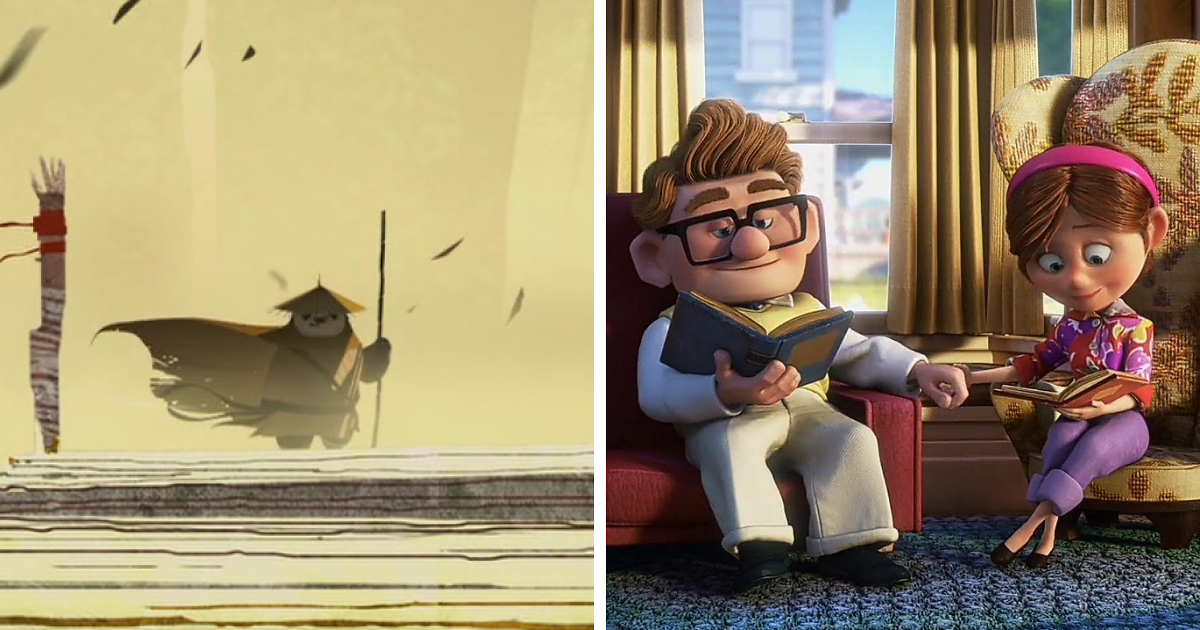
A great movie opening scene is like a firm handshake, a warning label, and a magic trick all rolled into one. Before the plot has fully unpacked its suitcase, the first few minutes tell us what kind of journey we are taking: scary, funny, violent, romantic, weird, elegant, chaotic, or all of the above with a side of popcorn butter.
The best opening scenes in movies do not merely begin the story. They teach us how to watch. A shark attack in Jaws tells us the ocean is no longer a vacation brochure. The bank heist in The Dark Knight announces a crime saga with clockwork cruelty. The farmhouse interrogation in Inglourious Basterds proves that a glass of milk can somehow become more terrifying than an explosion. That is cinema, baby: even dairy gets dramatic.
Below is a curated, analysis-driven list of 70 unforgettable movie openings that set the tone perfectly. Some are loud. Some whisper. Some throw you into war, space, traffic, murder, romance, childhood trauma, or a musical number on a freeway. All of them understand one golden rule: start strong, or risk losing the audience to their phone.
What Makes a Movie Opening Scene Great?
The greatest opening scenes usually do at least one of four things. First, they establish mood. The Shining uses sweeping mountain roads to make isolation feel inevitable. Second, they introduce character through behavior, not biography. Indiana Jones does not need a résumé; the whip, the hat, the traps, and the giant boulder do the talking. Third, they create a question. Why is there a body in the pool in Sunset Boulevard? Who is the driver in Drive? What kind of world lets a café explosion happen in Children of Men? Fourth, they promise a style. La La Land opens with movement, color, and music, practically yelling, “Yes, people will sing their feelings here. Please adjust your cynicism accordingly.”
Opening scenes matter because viewers remember beginnings. They frame expectations before a film has explained itself. A perfect opening can be a short film inside the film, a thesis statement, a jump scare, a joke, or a miniature emotional wrecking ball. The following 70 prove that tone is not an accident. It is built, shot, cut, scored, and sometimes blown up before the title card appears.
70 Best Opening Scenes in Movies That Set the Tone Perfectly
1. Saving Private Ryan
The Omaha Beach sequence is one of cinema’s most overwhelming war openings. It removes glamour from combat immediately, using sound, chaos, and terror to tell viewers this story will not romanticize sacrifice.
2. Jaws
A moonlit swim turns into primal horror. The shark is unseen, which makes the water itself feel guilty. Spielberg teaches us that what we cannot see may ruin summer forever.
3. Star Wars: Episode IV – A New Hope
The crawl, the star field, the tiny rebel ship, and the massive Star Destroyer create instant myth. In minutes, the film sells scale, adventure, danger, and destiny.
4. Raiders of the Lost Ark
The jungle temple opening introduces Indiana Jones through action, wit, fear, failure, and style. It is pulp storytelling at full sprint, complete with betrayal, traps, treasure, and one very committed boulder.
5. The Dark Knight
The bank heist is a villain introduction disguised as a crime scene. The Joker’s plan unfolds with ruthless precision, setting a tone of moral collapse and controlled chaos.
6. Scream
The phone call with Casey Becker begins playfully and turns vicious. It announces the film’s genius blend of horror knowledge, humor, suspense, and real danger.
7. The Godfather
Opening in Don Corleone’s dark office, the film immediately frames power as intimate, polite, and terrifying. The scene is quiet, but every pause has weight.
8. Inglourious Basterds
A farmhouse conversation becomes a masterclass in suspense. Hans Landa’s charm is the trap, and Tarantino lets dread build until even silence feels armed.
9. 2001: A Space Odyssey
The “Dawn of Man” opening stretches cinema back to prehistory. It is bold, mysterious, and cosmic, establishing that this movie is interested in humanity’s entire homework assignment.
10. Up
The Carl and Ellie montage compresses a lifetime into minutes. It is sweet, funny, devastating, and emotionally efficient enough to make tissues file for overtime.
11. The Lion King
“Circle of Life” opens the film with grandeur and ritual. The animal kingdom, music, sunrise, and presentation of Simba create instant mythic energy.
12. Apocalypse Now
Jungle, fire, helicopters, and psychological fracture collide. The opening does not simply begin a war film; it drops us into a soldier’s damaged mind.
13. Goodfellas
The trunk scene establishes violence, speed, narration, and criminal aspiration. It is shocking, funny in a grim way, and immediately tells us this gangster story has teeth.
14. Pulp Fiction
A diner conversation shifts from casual chatter to armed robbery. Tarantino’s opening makes crime feel conversational, absurd, and explosive before the credits even hit.
15. Once Upon a Time in the West
Sergio Leone turns waiting for a train into operatic tension. Every creak, drip, buzz, and stare stretches time until the West feels mythic and merciless.
16. Touch of Evil
The famous long take follows a car carrying a bomb across the border. Suspense comes from knowing more than the characters, which is always stressful and slightly rude.
17. Halloween
The first-person murder sequence reveals the killer’s identity with chilling simplicity. It sets a suburban nightmare tone where evil can look disturbingly ordinary.
18. A Clockwork Orange
Alex’s stare into the camera tells us we are trapped with a charismatic monster. Kubrick’s composition, music, and design create immediate unease.
19. The Matrix
Trinity’s gravity-defying escape signals that reality is negotiable. The opening mixes noir, cyberpunk, martial arts, and mystery with sleek confidence.
20. Drive
The getaway sequence is restrained, precise, and cool under pressure. Instead of loud action, it uses patience and control to define the Driver’s world.
21. Children of Men
A café scene introduces a world without children, then detonates it. The opening delivers exposition, atmosphere, and shock without feeling like a lecture.
22. Jurassic Park
The raptor crate scene shows danger before wonder. We do not see much of the creature, but the fear on the workers’ faces tells us enough.
23. Vertigo
The rooftop chase gives the title psychological meaning. Height, fear, guilt, and obsession arrive early, setting up one of Hitchcock’s most haunted films.
24. The Social Network
A breakup scene becomes an origin story. The rapid dialogue, insecurity, ego, and emotional bruising establish the film’s sharp, restless tone.
25. La La Land
A traffic jam becomes a full musical number. The opening declares that Los Angeles frustration and impossible dreams can share choreography.
26. Baby Driver
The opening chase syncs action to music with dazzling precision. It introduces Baby as a getaway driver whose rhythm is his superpower.
27. Trainspotting
The running, narration, and music create a blast of reckless energy. It is funny, bleak, fast, and self-destructive, just like the film that follows.
28. Reservoir Dogs
A diner debate and slow-motion walk introduce criminals through personality rather than action. The tone is talky, stylish, profane, and ready to bleed.
29. Boogie Nights
The nightclub tracking shot glides through a whole social ecosystem. It announces glamour, ambition, desire, and loneliness under disco lights.
30. The Player
Robert Altman’s long Hollywood tracking shot is both technical flex and industry satire. The movie begins by telling us it knows every trick in the business.
31. Magnolia
The opening stories of coincidence prepare viewers for a sprawling emotional mosaic. It says fate, chance, regret, and weirdness are all invited.
32. Lord of War
The journey of a bullet from factory to battlefield is darkly clever. It turns global arms dealing into a grim, mechanical life cycle.
33. Citizen Kane
“No Trespassing,” Xanadu, a dying word, and mystery: the opening builds a legend before dismantling it. The tone is grand, lonely, and investigative.
34. Sunset Boulevard
A dead man narrates from a swimming pool. That single idea establishes noir irony, Hollywood decay, and a story already doomed.
35. The Shining
The helicopter shots over mountain roads make the family car look tiny against nature. The music suggests that the destination is hungry.
36. There Will Be Blood
Nearly wordless labor in a mine introduces Daniel Plainview as willpower in human form. The silence makes ambition feel physical and brutal.
37. No Country for Old Men
Sheriff Bell’s narration and Anton Chigurh’s early violence set a fatalistic tone. The film opens like a moral weather report: bad storm coming.
38. Mad Max: Fury Road
Max’s capture launches the film into panic, speed, and survival. The opening wastes no time explaining a broken world; it lets you inhale the dust.
39. WALL-E
Earth appears empty, polluted, and lonely, yet the robot’s routine adds tenderness. The opening turns environmental ruin into silent character comedy.
40. The Graduate
Benjamin moving through the airport on a conveyor belt captures young adult paralysis perfectly. He is moving, technically, but not choosing.
41. The Sound of Music
The hills, the camera movement, and Julie Andrews’ voice create pure cinematic uplift. The opening tells viewers that emotion will arrive at mountain altitude.
42. West Side Story
The aerial city opening narrows from urban geography to street-level conflict. It turns New York into a stage for rhythm, rivalry, and tragedy.
43. Manhattan
Black-and-white city imagery and Gershwin music establish romanticized urban melancholy. It is less an opening than a love letter with complicated footnotes.
44. Do the Right Thing
Rosie Perez dancing with fury and style announces heat, rhythm, politics, and confrontation. The movie begins with energy that refuses to sit politely.
45. Malcolm X
The opening uses the American flag and historical rage to frame biography as indictment. It tells viewers this will not be a soft-focus tribute.
46. Monty Python and the Holy Grail
The coconut gag instantly defines the film’s absurd logic. This medieval world runs on confidence, nonsense, and extremely budget-conscious horse effects.
47. The Naked Gun
The police-car title sequence turns authority into pure slapstick. It is stupid in the smartest possible way, which is the franchise’s entire operating system.
48. Casino
A car bomb, narration, and a man flying through flame announce a world of money, violence, and betrayal. Subtle? No. Effective? Absolutely.
49. A History of Violence
The slow motel opening feels ordinary until violence erupts. It prepares viewers for a film about the terrifying gap between surface calm and hidden brutality.
50. The Departed
News footage, narration, and crime-world grooming place us inside Boston’s ecosystem of corruption. The opening says identity will be a weapon.
51. The Batman
Halloween night, surveillance, fear, and narration introduce Gotham as a city already infected. Batman’s presence is less superhero entrance than urban ghost story.
52. Get Out
A Black man walking through a white suburb becomes a nightmare of social unease. The opening weaponizes everyday discomfort before the plot reveals its machinery.
53. Midsommar
The winter tragedy that opens the film is emotionally crushing. It sets the tone for grief, dependency, and horror in blinding daylight.
54. Hereditary
The camera moves into a dollhouse-like room, quietly announcing themes of control, inheritance, and manipulation. The family already feels trapped in a display case.
55. It Follows
A terrified girl flees an unseen threat. The opening’s mystery, circular movement, and dread establish rules before explaining them.
56. The Evil Dead
The rushing unseen force through the woods gives the horror a predatory point of view. The cabin never had a chance, frankly.
57. Black Panther
The animated Wakanda prologue mixes myth, history, technology, and legacy. It sets a regal tone while grounding the superhero story in cultural memory.
58. The Iron Giant
A storm at sea introduces mystery, danger, and wonder. The opening promises a Cold War fable with a giant metal heart.
59. Finding Nemo
The barracuda attack gives a family film real emotional stakes. Marlin’s fear is not a personality quirk; it is trauma with fins.
60. Monsters, Inc.
The fake bedroom scare simulation introduces the world’s rules with comic efficiency. The film makes workplace bureaucracy out of childhood fear.
61. Indiana Jones and the Last Crusade
Young Indy’s adventure explains the hat, whip, scar, fear of snakes, and moral code. It is backstory with a pulse.
62. Top Gun
The aircraft carrier deck, jets, sunset, and music create instant military cool. It is recruitment-poster cinema, and yes, the sunglasses are doing overtime.
63. GoldenEye
The dam jump and facility escape introduce Pierce Brosnan’s Bond with speed and spectacle. The opening says this 007 era will move fast and flirt faster.
64. Casino Royale
The black-and-white opening strips Bond down to violence, consequence, and transformation. It reboots the character with grit before the glamour returns.
65. Mission: Impossible III
The interrogation opening puts Ethan Hunt in immediate emotional crisis. Instead of gadgets first, the movie begins with panic, helplessness, and personal stakes.
66. The Lord of the Rings: The Fellowship of the Ring
The prologue gives Middle-earth history the weight of legend. Rings, war, betrayal, and ancient evil arrive with operatic clarity.
67. The Terminator
Future war imagery and the arrival of a machine assassin create a cold, relentless tone. The film starts like a nightmare made of chrome.
68. Blade
The vampire nightclub blood rave is outrageous, stylish, and instantly memorable. It tells viewers this comic-book horror world will not behave itself.
69. 28 Weeks Later
The cottage attack is panic in its purest form. It begins with survival, betrayal, speed, and terror, setting a brutal emotional temperature.
70. Promising Young Woman
The bar pickup opening flips predator and prey expectations with icy precision. It establishes the film’s revenge-thriller tone and moral anger immediately.
Why These Opening Scenes Still Work
Looking across these 70 examples, one pattern becomes clear: perfect opening scenes are confident. They do not beg for attention; they seize it. They also understand contrast. Jaws opens with beauty before terror. Up opens with sweetness before grief. The Dark Knight opens with order inside chaos. Scream opens with movie trivia before murder. That tonal turn is often what makes an opening unforgettable.
Another reason these scenes endure is that they trust images. A great opening does not need a character to say, “Hello, I am haunted by ambition,” when There Will Be Blood can show Daniel Plainview clawing wealth from the earth in near silence. It does not need a lecture about Gotham when The Batman can show fear spreading through the streets. Movies are visual machines, and the best openings let the machine purr, roar, or malfunction beautifully.
Finally, these scenes create a contract with the audience. They say, “Here is the kind of movie you are watching.” If the opening lies, viewers feel cheated. If it tells the truth too blandly, viewers feel bored. But when it tells the truth with style, surprise, and rhythm, viewers settle in. The nachos are safe. The phone is face down. The movie has won.
Personal Viewing Experience: What Great Openings Teach Movie Lovers
There is a special pleasure in watching a movie opening that knows exactly what it is doing. You can feel it before you can explain it. The room gets quieter. The snacks pause halfway to the mouth. Someone who was “just checking one text” suddenly remembers they paid for the movie, or at least borrowed a streaming password with dignity. A strong opening changes the viewer’s posture.
One of the best experiences is realizing that an opening scene has already trained you. After Scream, every ringing phone feels suspicious. After Jaws, the ocean becomes a blue crime scene. After Children of Men, background news reports and public spaces feel loaded with danger. Great openings make viewers more alert. They sharpen the senses. You start watching corners of the frame, listening to music cues, reading body language, and questioning every harmless object. A glass of milk? Suspicious. A truck of raptors? Extremely suspicious. A cheerful musical number in traffic? Suspiciously delightful.
For writers, filmmakers, and serious film fans, opening scenes are also miniature masterclasses. They teach economy. The first minutes of Raiders of the Lost Ark explain Indiana Jones better than a character dossier ever could. He is brave, smart, vulnerable, greedy enough to take the idol, humble enough to run from the boulder, and human enough to hate snakes. That is characterization through action. No one has to sit him down under a lamp and ask about his childhood.
For casual viewers, the lesson is simpler: trust your reaction. If an opening scene makes you lean forward, laugh, gasp, tense up, or whisper “Oh no,” it is doing its job. Sometimes the opening is the best part of the movie, and that is okay. Not every film can keep the electricity burning for two hours. But a perfect opening remains rewatchable because it is complete in itself. You can revisit the Drive getaway, the La La Land freeway number, or the Inglourious Basterds farmhouse interrogation like favorite short stories.
The most memorable openings also become cultural shortcuts. Say “the boulder scene,” and people know the hat. Say “the phone call,” and horror fans hear Ghostface. Say “the crawl,” and half the audience hears trumpets in their soul. That is the power of a scene that sets the tone perfectly: it escapes the movie and becomes part of how we talk about movies.
Watching these scenes back-to-back is a reminder that cinema has many ways to say, “Pay attention.” It can whisper from a dark office, scream from a beach, dance on a highway, float through space, or drop a car bomb before breakfast. The method changes. The mission does not. A great opening scene makes a promise. A great movie keeps it.
Conclusion
The 70 best opening scenes in movies prove that beginnings are not warm-up exercises. They are invitations, warnings, thesis statements, and sometimes full emotional ambushes. Whether a film opens with a shark, a starship, a gangster favor, a musical traffic jam, or a serial killer phone call, the goal is the same: set the tone so clearly that the audience knows there is no turning back.
These scenes endure because they combine craft with confidence. They establish mood, reveal character, build suspense, and create cinematic identity in just minutes. That is why movie lovers return to them again and again. The opening scene is the doorway. In the best films, it is also the lock clicking behind you.













