
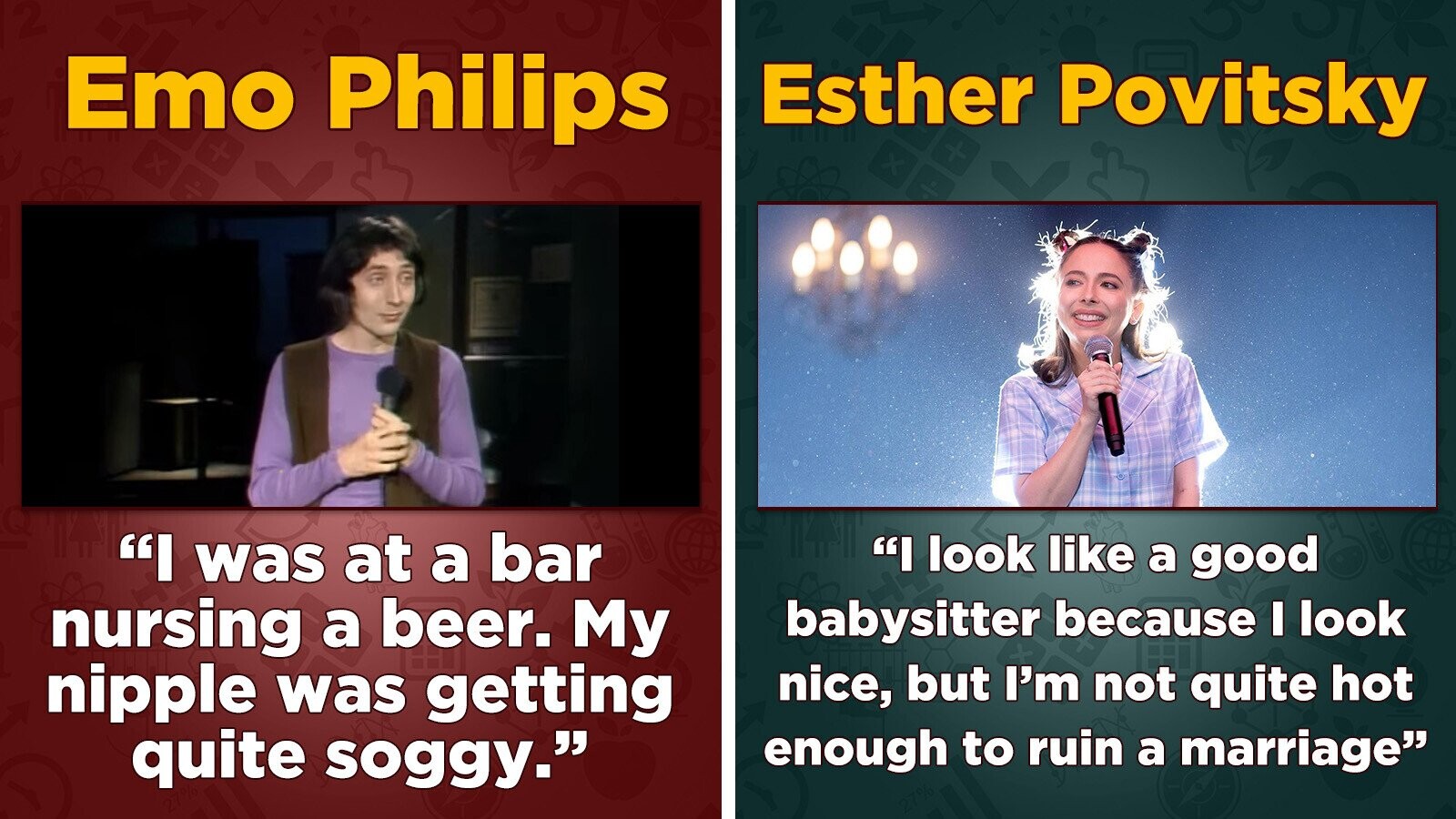
Every once in a while, the internet deserves a tiny museum. Not a marble-columned museum where people whisper at paintings and pretend they understand the “tension of negative space,” but a place where the exhibits are short, silly, and capable of ruining your serious face in public. That is the spirit behind 15 Jokes For The Hall Of Fame 9/1/22: a celebration of jokes that are quick enough to share, clean enough for most company, and ridiculous enough to deserve a tiny velvet rope.
Jokes are one of the oldest social shortcuts humans have. Before we had group chats, office Slack channels, and family text threads named things like “Mandatory Fun,” people used humor to break tension, make friends, test ideas, and survive awkward silences. A great joke does not need a special stage. It can live at the dinner table, in a meeting that has gone three slides too long, or in the mind of a cashier who just heard someone say, “No price tag? Must be free!” for the 400th time this week.
This article looks at what makes a joke feel “Hall of Fame” worthy, why simple one-liners still work in 2026, and how a date-stamped joke list like 9/1/22 can become more than a throwaway laugh. It can become a snapshot of internet humor culture: fast, shareable, a little chaotic, and always hungry for one more punchline.
What Does “Jokes For The Hall Of Fame” Really Mean?
A “Hall of Fame” joke is not necessarily the most complicated joke. In fact, the opposite is often true. The best jokes are usually built with clean machinery: a setup, a twist, and a punchline that makes the brain trip over its own shoelaces. The audience expects one thing, the joke delivers another, and suddenly the room has permission to laugh.
Think of classic joke forms: puns, workplace jokes, dad jokes, animal jokes, food jokes, relationship jokes, and tiny observations about daily life. These formats survive because they are portable. You do not need a ten-minute monologue to enjoy them. You only need a few seconds, a willing listener, and ideally someone who does not respond with, “I don’t get it,” which is the emotional equivalent of stepping on a rake.
The title 15 Jokes For The Hall Of Fame 9/1/22 suggests a curated batch: not every joke ever written, not a scientific ranking of global comedy, but a compact collection with a playful promise. These are jokes that deserve a little spotlight. They are the kind of jokes you might send to a coworker, tuck into a newsletter, or use to rescue a conversation after someone brings up printer toner.
Why Short Jokes Still Win Online
The internet has changed comedy, but it has not destroyed the one-liner. If anything, it has made short jokes stronger. Social media feeds reward speed. Text messages reward clarity. Search engines reward useful, focused content. And readers reward anything that does not make them feel like they signed up for homework.
Short jokes work because they respect attention. They ask for very little and offer a quick emotional payoff. A good one-liner can be read in three seconds, remembered in ten, and repeated badly by your uncle at Thanksgiving for the next seven years. That is cultural durability.
The Secret Formula: Setup, Surprise, and Safety
Most jokes depend on surprise. The setup points your brain in one direction, and the punchline pulls the rug just far enough to make you laugh without falling through the floor. The surprise has to feel safe, though. If the twist feels cruel, confusing, or too heavy, the laugh can disappear faster than office snacks on a Friday afternoon.
That is why clean jokes, dad jokes, and clever puns remain so popular. They are low-risk. You can share them with your boss, your grandmother, your neighbor, or the person next to you at the DMV who looks like they have been waiting since 2013.
15 Original Jokes Worthy of a Tiny Hall of Fame
Below are 15 original jokes written in the spirit of classic, shareable humor. They are not copied from any published list; they are built to match the “Hall of Fame” mood: quick, friendly, and just goofy enough to earn a plaque made of recycled rubber chickens.
1. The Calendar Joke
I asked my calendar why it was so popular. It said, “Because I have dates.”
2. The Gym Joke
I joined a gym for emotional support. So far, the treadmill and I are just seeing each other in passing.
3. The Coffee Joke
My coffee told me to believe in myself. Then it charged me $6.75 for the advice.
4. The Printer Joke
Our office printer is very spiritual. It only works after everyone gathers around and prays.
5. The Refrigerator Joke
I opened the fridge six times looking for snacks. By the seventh time, I was just checking on old friends.
6. The Phone Battery Joke
My phone battery lasts longer when I ignore responsibilities. Finally, technology supports my lifestyle.
7. The Dog Joke
My dog thinks every package is for him. Honestly, with that confidence, he should run for office.
8. The Cat Joke
My cat knocked over a glass and stared at me like I had learned something important.
9. The Grocery Store Joke
I went to the grocery store for one thing and left with twelve items, none of which were the thing. That is not shopping; that is a side quest.
10. The Password Joke
I changed my password to “incorrect.” Now when I forget it, my computer says, “Your password is incorrect.” Finally, teamwork.
11. The Weather Joke
The weather app said there was a 10% chance of rain. Apparently, the 10% was directly above my hair.
12. The Meeting Joke
This meeting could have been an email, but to be fair, the email could have been a thought I kept to myself.
13. The Cooking Joke
I followed the recipe exactly, except for the ingredients, temperature, timing, and confidence.
14. The Plant Joke
My houseplant is thriving because I stopped giving it advice and started giving it water.
15. The Hall of Fame Joke
I tried to get my jokes into the Hall of Fame, but they said I needed better material. So I brought cardboard.
Why These Jokes Work
These jokes rely on familiar experiences: coffee prices, office printers, grocery store distractions, phone batteries, pets, meetings, and plants that somehow judge us silently from the windowsill. Familiarity matters because readers laugh faster when they recognize the situation. A joke about a confusing grocery trip lands because almost everyone has walked into a store for milk and left with chips, candles, and a suspiciously large watermelon.
The humor also comes from gentle exaggeration. A printer does not literally require prayer, but anyone who has fought with a printer knows the feeling. A cat does not truly conduct philosophy lessons through broken glassware, but cat owners may disagree while sweeping. These little exaggerations turn everyday irritation into entertainment.
The Difference Between a Good Joke and a Great Joke
A good joke gets a laugh. A great joke gets repeated. That is the big difference. Great jokes are easy to remember because they have a clean shape. The setup is short. The punchline is clear. The wording does not wobble like a shopping cart with one haunted wheel.
Great jokes also travel well. They do not require a complicated backstory, a specific accent, or a PowerPoint presentation titled “Context for Laughing.” If a joke needs seven minutes of explanation, it may still be funny, but it probably belongs in a comedy club rather than a casual joke list.
Timing Matters, Even on the Page
In live comedy, timing is everything. In written humor, timing becomes structure. Line breaks, sentence length, and word choice all help control the reader’s expectations. A joke can fail if the punchline arrives too early, too late, or wearing a confusing hat.
For example, “Our office printer is broken” is not much of a joke. But “Our office printer is very spiritual. It only works after everyone gathers around and prays” has a setup and a twist. The word “spiritual” creates a strange expectation, and the punchline explains it in a way that feels both silly and true.
Why Date-Based Humor Lists Can Become Evergreen
The date in 15 Jokes For The Hall Of Fame 9/1/22 gives the title a time capsule quality. September 1, 2022, was just another day for most people, but a date can turn a joke list into a digital snapshot. It says: here is what made people laugh then. Here is the style, rhythm, and flavor of that moment.
However, good humor does not expire quickly. A joke about a printer, a dog, a meeting, or a forgotten password can still feel current years later because the frustrations remain. Technology changes, but printers continue to behave like ancient riddles guarded by toner goblins. Meetings change platforms, but they still multiply like damp mushrooms. Pets continue to act like they own the mortgage.
That is why evergreen jokes are valuable for readers and publishers. They can attract search traffic long after the original publication date, especially when the content is organized clearly, written naturally, and built around a search-friendly topic.
How To Share Jokes Without Becoming “That Person”
Sharing jokes is an art. The right joke at the right time can make someone’s day. The wrong joke at the wrong time can make the room quieter than a library during tax season. Before sharing a joke, consider the audience, the setting, and the mood. A harmless coffee joke is great for a morning chat. A sarcastic meeting joke may be funny in the break room but risky during the actual meeting, especially if your manager is holding the laser pointer like a tiny sword.
The safest jokes are usually observational, self-deprecating, or absurd. They point at the weirdness of life rather than attacking a person. This makes them easier to enjoy across different ages, workplaces, and social circles.
Best Places To Use Clean Jokes
Clean jokes can brighten newsletters, blog posts, social media captions, classroom moments, family gatherings, workplace chats, podcast intros, and speeches. They are especially useful as icebreakers because they lower the emotional temperature. A simple joke says, “Relax, we are all human here,” which is much more pleasant than opening with a spreadsheet.
What Humor Writers Can Learn From Hall of Fame Jokes
Humor writing is not just “being funny.” It is noticing patterns, trimming words, and choosing the exact phrase that makes the punchline snap. The best humor writers are often ruthless editors. They cut the extra sentence. They replace the dull word. They test the rhythm until the joke feels effortless, which is unfair because effortless usually takes the most effort.
One useful method is to begin with a common frustration. Ask: What is mildly annoying but widely relatable? Then exaggerate it, reverse it, or give it a silly explanation. That is how an everyday problem becomes a punchline.
For example, many people forget passwords. A direct complaint is ordinary. But turning the password into “incorrect” creates a small trick. The joke works because the computer’s error message becomes accidentally helpful. The reader sees the twist instantly, and the laugh follows.
Why We Need More Everyday Laughter
Laughter is not a cure-all, and no responsible person should claim that a pun can replace sleep, therapy, medicine, or finally learning how to say no to extra work. But humor does help people cope. It lightens tension, creates connection, and gives the brain a tiny vacation from doom-scrolling.
In a world where news moves quickly and stress seems to have a subscription plan, small jokes matter. They do not solve everything, but they make the next five minutes easier. Sometimes that is enough. Sometimes the heroic act is simply sending a friend a joke about a houseplant and reminding them that life is strange, but at least the basil is trying.
Extra Reflections: My Experience With “15 Jokes For The Hall Of Fame 9/1/22” Style Humor
The biggest lesson from a topic like 15 Jokes For The Hall Of Fame 9/1/22 is that jokes do not have to be grand to be memorable. In fact, the jokes that stick with people are often the small ones. They are the quick lines someone repeats while waiting for coffee, the silly office joke that gets pinned in a group chat, or the dad joke that makes everyone groan so loudly it technically becomes a team-building exercise.
One of the best experiences connected with this kind of humor is watching how differently people react to the same joke. A pun can make one person laugh immediately and another person stare into the distance like they are reconsidering every choice that brought them to that moment. That contrast is part of the fun. Humor is personal, but it is also communal. Even a groan is a response. In the world of simple jokes, a groan can be applause wearing a fake mustache.
Another experience is discovering that jokes work best when they feel relaxed. Forced humor is easy to spot. It walks into the room wearing tap shoes and shouting, “Please enjoy me!” Natural humor, on the other hand, sneaks in through the side door. It sounds like something a real person would say. That is why everyday topics are so powerful. Passwords, coffee, pets, weather apps, houseplants, and meetings are not glamorous subjects, but they are shared subjects. Shared subjects create shared laughter.
Writing jokes also teaches humility. A line that seems hilarious at midnight may look suspicious in the morning, like leftover pizza making bold claims about breakfast. The best approach is to write many jokes, keep the clearest ones, and let the weaker ones retire peacefully to a private document where they can live among other brave failures. Every humor writer has a graveyard of almost-funny lines. That graveyard is not a sign of failure; it is proof that editing happened.
The “Hall of Fame” idea is useful because it creates a playful standard. It asks: would this joke deserve a display case? Would someone repeat it? Would it survive outside its original context? A joke does not need to be perfect, but it should have a reason to exist. Maybe it surprises. Maybe it comforts. Maybe it makes an ordinary annoyance feel less lonely.
From a publishing perspective, joke-based articles also reveal something important about search behavior. People do not always search the web for heavy answers. Sometimes they search because they want a laugh, a caption, a quote, an icebreaker, or a tiny escape between tasks. A well-structured humor article can serve that need while still offering thoughtful context. It can be funny and useful at the same time, which is more than can be said for most printer manuals.
The lasting charm of 15 Jokes For The Hall Of Fame 9/1/22 is the promise of quick joy. It does not ask readers to commit to a novel, a documentary, or a self-improvement plan involving cold showers and aggressive journaling. It simply says: here are some jokes; come laugh for a minute. In a busy digital world, that invitation is surprisingly valuable.
Conclusion
15 Jokes For The Hall Of Fame 9/1/22 is more than a quirky title. It represents the internet’s ongoing love for fast, clever, low-pressure comedy. The best jokes do not need to shout. They simply need a familiar setup, a clean twist, and a punchline that makes life feel slightly lighter.
Whether you love dad jokes, office jokes, pet jokes, food jokes, or tiny observations about modern life, the formula remains beautifully simple: notice something true, bend it sideways, and let the laugh happen. A Hall of Fame joke is not always the loudest joke in the room. Sometimes it is the one people remember, repeat, and send to a friend who needs a smile.
Note: This article uses original joke examples and general humor-writing insights so it can be published safely without duplicating copyrighted joke collections.














