
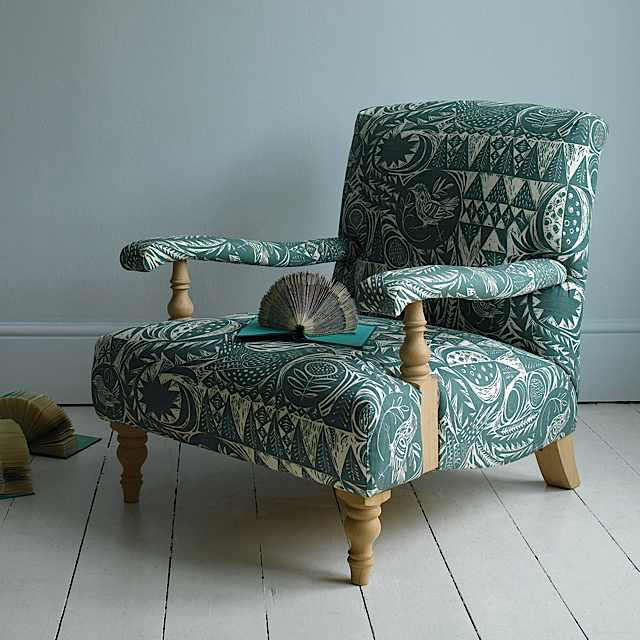
Some design styles whisper. Vintage-inspired flora and fauna strolls into the room wearing embroidered leaves, carrying a brass bird lamp, and acting like it owns the place. Honestly, it kind of does. This look blends old-world botanical beauty with animal motifs that feel storied, collected, and a little bit romantic. It borrows from antique illustrations, heritage wallpapers, classic textiles, nature studies, cottage gardens, and the sort of decor that makes a room feel like it has read poetry by candlelight.
At its best, vintage-inspired flora and fauna is not fussy, fake, or stuck in a museum gift shop. It is layered, warm, and deeply livable. It can lean formal with moody florals and ornate birds, or casual with faded wildflower prints, wicker, weathered wood, and framed nature sketches. The charm comes from balance: enough history to feel rooted, enough freshness to keep it from looking like your great-aunt’s parlor after three cups of tea and a strong opinion about drapery.
For homeowners, renters, stylists, and anyone who has ever seen a botanical print at a flea market and thought, “Well, that little fern has range,” this aesthetic offers a smart way to bring nature indoors without making the room feel theme-y. The appeal is emotional as much as visual. Vintage flora and fauna feels familiar. It creates softness, curiosity, and the sense that a home has been gathered over time rather than ordered in one panic-filled midnight shopping spree.
What Vintage-Inspired Flora and Fauna Really Means
This style centers on decorative elements drawn from plant life and the animal world, filtered through vintage or historically inspired design. “Flora” includes flowers, vines, leaves, branches, berries, seedpods, mushrooms, and garden forms. “Fauna” covers birds, butterflies, insects, rabbits, deer, fish, foxes, and other creatures commonly found in antique illustration, wallpaper, textiles, and decorative arts.
The “vintage-inspired” part matters. This is not the same as generic nature decor or bright tropical maximalism. Instead, it often references older visual languages: Victorian botanical studies, Arts and Crafts patterns, country house textiles, old field guides, natural history engravings, embroidered linens, and wallpapers with repeating birds, thistles, branches, or climbing blooms. The result feels thoughtful and timeworn, even when the pieces themselves are new.
In practical terms, the look often includes muted greens, deep browns, faded reds, ochre, dusty blue, cream, and soft black. Patterns may be intricate, but the palette usually keeps things grounded. Furniture tends to favor natural materials, traditional silhouettes, or slightly worn finishes. Accessories often feel collected: framed prints, ceramic animals, carved wood, antique brass, linen shades, wicker baskets, and books that look like they have survived both decades and at least one dramatic rainstorm.
Why This Aesthetic Keeps Coming Back
Vintage-inspired flora and fauna endures because it solves a modern design problem: how to make a home feel personal, warm, and layered without filling it with clutter that screams for attention. Nature-based motifs do that beautifully. Plants and animals are instantly familiar, but when they appear in antique-style forms, they add depth and character instead of feeling overly trendy.
This aesthetic also thrives because it works across several popular design directions. It fits cottage style, grandmillennial rooms, English country interiors, collected traditional homes, moody maximalism, rustic cabins, historic houses, and even modern spaces that need a little soul. A vintage bird print can soften a clean-lined room. A botanical wallpaper can wake up a sleepy powder room. A floral fabric can make an old chair feel charming instead of tired. It is versatile, which is design-speak for “surprisingly hard to mess up if you pay attention.”
There is also a strong emotional pull. Vintage flora and fauna connects people to gardens, walks, seasons, books, museums, family homes, and the wider natural world. In a culture that often feels very fast and very digital, that slower, tactile, storied beauty has obvious appeal. A room with leaves, birds, and old prints feels like it has a pulse. It suggests memory, observation, and a little reverence for things that grow, bloom, flutter, and outlive our short attention spans.
The Historical Roots Behind the Look
Botanical illustration turned science into beauty
One of the strongest roots of this style is botanical illustration. Long before people were pinning mood boards online, artists were making careful studies of flowers, leaves, fruit, and medicinal plants for books, collections, and scientific reference. Those images were precise, elegant, and often hand-colored. Today, their descendants live on as framed wall art, textile prints, and wallpaper patterns that bring a room both structure and softness.
Birds and animals added movement and story
Fauna motifs gave interiors a sense of life and narrative. Birds perched in branches, rabbits tucked into grasses, butterflies floating through repeating patterns, and insects appearing among blossoms all added visual movement. These creatures made decorative surfaces feel less static. A floral pattern is lovely; a floral pattern with a thieving bird, a hidden fox, or a butterfly migration has personality. Suddenly, the wallpaper is not just background. It has gossip.
Arts and Crafts patterns made nature feel timeless
Historically inspired flora and fauna owes a major debt to Arts and Crafts design, where repeating patterns of vines, flowers, fruit, and birds turned nature into decorative rhythm. These patterns felt rich without needing glitter, because the interest came from line, repetition, and craftsmanship. That logic still works now. You do not need a room full of shiny new things when the pattern itself carries so much visual intelligence.
The Essential Elements of the Style
1. Botanical prints and nature studies
Framed botanical illustrations are one of the easiest ways to introduce the look. Fern studies, wildflower plates, herb drawings, seed diagrams, and vintage fruit prints all work. Grouped in a gallery wall, they feel scholarly and layered. Hung solo, they feel calm and intentional. The magic is in the paper tone, the delicate linework, and that slightly nerdy elegance that says, “Yes, I do know the difference between a thistle and a chrysanthemum, or at least I’m willing to fake it convincingly.”
2. Bird, butterfly, and animal motifs
Birds are especially effective because they bridge the gap between decorative and natural. They look graceful in wallpaper, textiles, ceramics, and art. Butterflies and insects can add whimsy, while woodland animals create warmth and narrative. The trick is restraint. One dramatic bird wallpaper can be gorgeous. Twelve unrelated animal figurines plus a fake nest plus a moose pillow can become a cry for help.
3. Layered textiles
Vintage-inspired flora and fauna often shows up in fabric before anything else. Floral chintz, bird-and-vine upholstery, embroidered pillows, leafy drapery, and faded quilts all build the mood. These textiles work best when mixed with grounding solids and tactile neutrals like linen, wool, cotton, and worn leather. Too much pattern without visual rest can make a room feel like it is moving at sea.
4. Earthy, faded color palettes
Color matters enormously. The most convincing rooms usually avoid neon brightness and instead use greens that resemble moss or sage, reds that feel like berries or brick, blues that echo stormy sky or old china, and creams that recall aged paper. Brown, brass, rust, charcoal, and soft gold help anchor the palette. These tones support the vintage mood without making everything feel dusty.
5. Collected objects with texture
Think ceramic birds, antique frames, carved wooden boxes, pressed botanicals, stoneware vases, rattan trays, old books, and lamps with pleated shades. Texture is what keeps the look from feeling flat. A room full of nature motifs still needs roughness, shine, softness, and age. That tension between delicacy and patina is where the charm lives.
How to Bring Vintage-Inspired Flora and Fauna Into Your Home
Start with the walls
If you want drama, wallpaper is the headline act. Botanical wallpaper, bird repeats, trailing vines, or mural-style garden scenes can instantly set the tone. Powder rooms, entryways, dining rooms, and bedrooms are especially good candidates because they can handle personality. If full-room wallpaper feels too bold, try framed wallpaper panels, a single accent wall, or wallpaper inside a bookcase.
Build a smarter gallery wall
A vintage flora-and-fauna gallery wall works when the pieces feel related but not identical. Mix botanical studies with bird engravings, landscape sketches, and perhaps one oil painting of flowers or fruit. Vary the frame finishes slightly. Too much matching can flatten the character. You want “curated naturalist,” not “hotel corridor with a coupon code.”
Use furniture and upholstery strategically
One floral armchair, a leafy bench cushion, or a bird-print pillow can do more than an entire room of timid beige. Vintage or vintage-style furniture with curved wood, caning, spindle details, or traditional lines supports the look naturally. Pair those pieces with simpler elements so the room feels edited, not overfed.
Add natural materials
Wood, wicker, linen, stone, iron, and antique brass keep the style believable. These materials reinforce the organic theme without needing more pattern. Even a modern room can start to feel more storied when you add a dark wood side table, a basket full of magazines, and a vase of branches that looks like it was collected on a walk rather than purchased five minutes after a panic search for “organic decor.”
Let imperfection do some of the work
Vintage-inspired rooms benefit from irregularity. Slightly tarnished brass, worn frame corners, faded fabric, and old paper tones add depth. You are not trying to recreate a showroom. You are trying to create a room with memory. The beauty is in the collected effect, not in sterile perfection.
Common Mistakes to Avoid
Going too literal: A few animal and plant references are charming. Turning the room into a full wildlife documentary with matching fox curtains, owl lamps, butterfly decals, and a squirrel footstool is… a choice.
Ignoring scale: Large floral wallpaper, tiny botanical prints, and medium-scale upholstery can work together beautifully, but only if the mix feels intentional. Too many patterns of the same size create visual mush.
Forgetting negative space: This style loves layering, but it still needs breathing room. Plain walls, solid upholstery, or simple flooring help the decorative elements stand out.
Making it too dark without relief: Moody is wonderful. Cave-like is less wonderful. Balance deep florals or dark walls with light trim, mirrors, pale upholstery, or natural light.
Buying only reproductions: Reproductions are useful, but a single real vintage object, such as an old print, brass candlestick, or ceramic bowl, adds authenticity fast.
Why It Works So Well in Modern Living
Even in newer homes, vintage-inspired flora and fauna works because it introduces story. Clean architecture can sometimes feel a little anonymous. Natural motifs soften that. Historical patterns add depth. Collected art adds identity. Together, they create rooms that feel inhabited rather than merely assembled.
It also bridges old and new gracefully. A sleek sofa can sit under antique botanical prints. A modern lamp can live happily beside a carved wooden bird. A simple white kitchen can be warmed with vintage fruit art, leafy curtains, and a bowl of branches on the table. This is one of the style’s greatest strengths: it does not require total commitment. You can flirt with the look before marrying it.
And perhaps most importantly, it offers an antidote to disposable design. Vintage-inspired flora and fauna encourages slower choices, layered collecting, and pieces with staying power. It asks you to notice detail. It rewards patience. It is not trying to shout over the room. It is trying to make the room worth lingering in.
Experiences: Living With Vintage-Inspired Flora and Fauna
There is a particular feeling that comes with living in a space shaped by vintage-inspired flora and fauna, and it is hard to reduce it to mere decor. It is less about seeing a flower print on the wall and more about how the room behaves around you. Morning light hits an old botanical frame differently than it hits a blank wall. A bird-patterned curtain moves when the window is cracked, and suddenly the room feels alive in a quiet, almost cinematic way. A ceramic bowl painted with leaves on a wooden table can make even a rushed breakfast feel slightly more civilized, as though you are the lead character in a very calm period drama instead of a person eating toast while checking messages.
This style also changes how people interact with a home. Guests tend to look more closely. They ask questions. They notice the print with the butterflies, the brass heron on the shelf, the faded floral cushion that looks like it belonged to someone interesting. Rooms built around vintage flora and fauna invite conversation because they feel layered and personal. They suggest taste, but not in a cold or intimidating way. They suggest curiosity. They tell people that someone here pays attention.
Seasonally, the look has unusual range. In spring, floral and botanical elements feel fresh and optimistic. In summer, bird and garden motifs feel airy and relaxed. In fall, darker leaves, berries, and woodland accents become richer and moodier. In winter, the same room can feel cozy, especially when paired with lamplight, wool throws, and deeper tones. Few aesthetics move through the seasons this easily. Vintage-inspired flora and fauna never looks like it showed up for one holiday and forgot to leave.
There is also a slower emotional effect. Nature imagery, even in decorative form, can be grounding. Repeating leaves, soft blossoms, and familiar creatures give the eye places to rest. Antique-style prints and older materials add a sense of continuity. In a stressful week, that matters more than people think. A room does not solve your problems, obviously. If it did, everyone would own a fern engraving and call it therapy. But a thoughtfully designed room can steady you. It can lower the noise. It can make home feel like a place where your nervous system gets to unclench a little.
For people who enjoy collecting, this style is especially satisfying because it grows well over time. You can begin with one thrifted botanical print, then add a bird sketch from an estate sale, then an embroidered pillow, then a lamp with a leafy base. Nothing has to happen all at once. In fact, the room often looks better when it does not. The gradual buildup creates authenticity. Each item arrives with a tiny story, and those stories accumulate into atmosphere. That is the real pleasure of vintage-inspired flora and fauna: not just how it looks in a photograph, but how it feels as it becomes part of daily life.
Even small rituals become more enjoyable in these spaces. Reading in a chair upholstered with a faded floral. Writing at a desk near a gallery wall of natural history prints. Setting the table with old plates that feature branches or berries. Watering a real plant in a room full of plant imagery. It creates a gentle conversation between decoration and life. The room echoes the living world without trying to imitate it too literally.
In the end, the experience is one of warmth, memory, and quiet richness. Vintage-inspired flora and fauna does not rely on novelty. It relies on beauty that has already proven it can last. And in a world obsessed with the next thing, that might be its most refreshing quality of all.
Final Thoughts
Vintage-inspired flora and fauna is more than a pretty pattern story. It is a design language built on observation, history, texture, and emotional comfort. By blending botanical art, animal motifs, earthy color, layered textiles, and collected objects, it creates interiors that feel rooted and expressive rather than generic. It can be romantic, scholarly, whimsical, dramatic, rustic, or refined, depending on how you use it.
The key is intention. Choose motifs that you genuinely love. Mix old with new. Let pattern lead, but do not let it stampede. Give the room room to breathe. And remember: when in doubt, a beautiful bird print, a faded fern, and a good brass lamp have rescued many a bland corner before. They are basically the design equivalent of showing up with snacks and excellent timing.














