
If hardwood flooring is the elegant dinner guest, vinyl plank flooring is the friend who shows up in sneakers, helps clean the kitchen, and somehow still looks fantastic. It is practical, stylish, and increasingly hard to tell apart from the real thing. That is exactly why luxury vinyl plank, or LVP, has become such a popular option for busy American homes.
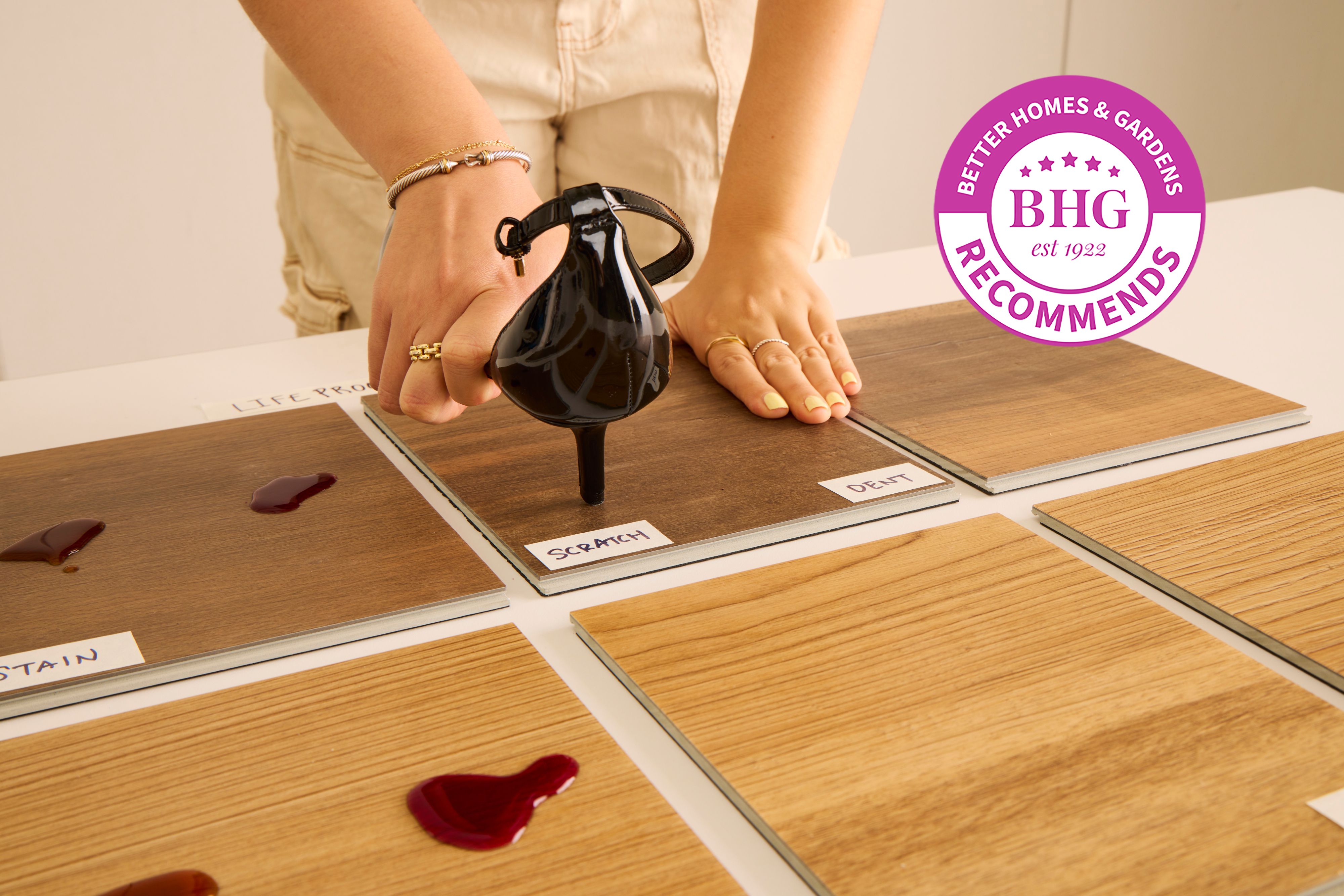
And when Better Homes & Gardens put 12 vinyl plank samples through real-world testing, one product rose above the rest: Lifeproof 22-mil Click Lock Luxury Vinyl Plank Flooring. But picking the best vinyl plank flooring is not just about crowning a winner and calling it a day. It is about understanding what actually matters once muddy shoes, rolling chairs, kitchen spills, and enthusiastic pets enter the chat.
In this guide, we break down what made BHG’s top pick stand out, what other options deserve attention, and how to choose the right vinyl plank flooring for your own home without getting hypnotized by a pretty sample board at the store.
Why BHG’s Top Pick Stands Out
BHG’s testing focused on the stuff homeowners actually care about: how real the floor looks, how easy it is to install, how well it handles water and stains, and whether it can survive scratches and dents without dramatic flair. In that testing, Lifeproof 22-mil Click Lock Luxury Vinyl Plank Flooring came out on top.
What made it win? First, it looked convincingly like real wood rather than a blurry imitation trying too hard. Second, it handled spills like a champ. Third, it resisted scratches, dents, and common household abuse better than many competitors. In plain English, it delivered the magic combo shoppers want: good looks and a tough attitude.
That does not mean it is the only good choice. BHG also singled out SMARTCORE by COREtec as an especially easy-to-install option, TrafficMaster as a budget-friendly pick, Cali Aqua Tough as another durable contender, and NuCore as a rigid-core option worth a look. The big lesson here is simple: the “best” floor depends on where it is going and what kind of chaos it needs to survive.
What Makes Vinyl Plank Flooring So Popular?
The modern appeal of vinyl plank flooring is not hard to understand. It gives you the visual warmth of wood without wood’s tendency to become emotional about moisture, scratches, and everyday life. For kitchens, bathrooms, basements, mudrooms, rentals, pet-heavy households, and family spaces, that matters a lot.
Many of today’s better products are waterproof or highly water resistant. They are also easier to maintain than real hardwood, less intimidating to install than tile, and generally kinder to the budget. Some premium lines even include attached underlayment for sound reduction and a softer feel underfoot, which is great news if you are tired of floors that sound like a marching band every time someone walks across them.
Vinyl plank flooring also comes in an enormous range of colors, grain patterns, widths, and finishes. Whether you want pale coastal oak, warm mid-tone maple, or moody brown planks that make your living room look like it reads literary fiction, there is probably an option for that.
The Real Buying Factors That Matter
1. Wear Layer Thickness
This is the first number smart shoppers look for. The wear layer is the clear top coating that protects the printed design beneath it. It is measured in mils, and yes, this is the kind of detail that separates a smart purchase from a regret with a receipt.
For a low-traffic guest room, a thinner wear layer may be enough. But for hallways, kitchens, entryways, homes with pets, or rooms where chairs roll and toys fly, a thicker wear layer is a much safer bet. Generally, 12 mil works for everyday residential use, while 20 mil or more is better for high-traffic areas. That is one reason BHG’s winning Lifeproof product impressed testers: it offered a 22-mil wear layer, which is a serious durability credential.
2. SPC vs. WPC Core
This is where vinyl plank flooring starts sounding like it belongs in a science fair, but stay with me. SPC stands for stone plastic composite, while WPC stands for wood plastic composite. Both are forms of rigid-core vinyl.
SPC is typically denser, more rigid, and often better at resisting dents in high-traffic areas. That makes it a strong choice for busy homes, commercial-style wear, or rooms where heavy furniture will park itself for years. WPC tends to be a little softer and quieter underfoot, which can feel more comfortable in bedrooms, living rooms, and upstairs spaces.
If your house is basically a small airport with backpacks, dog bowls, and constant foot traffic, SPC deserves a close look. If comfort and sound control matter more, WPC may be the better fit.
3. Plank Thickness
Plank thickness is measured in millimeters and is different from wear-layer thickness. This number affects stability and feel. In general, thicker planks feel sturdier and can help the floor seem more substantial underfoot, though the wear layer is still the better predictor of scratch resistance.
Many homeowners land in the 4 mm to 6 mm range, which tends to balance value and durability well. Super-thin planks can work in low-traffic areas, but they are usually not the hero of the story in busy family homes.
4. Waterproof Claims
“Waterproof” is one of the most attractive words in flooring marketing, right up there with “pet-friendly” and “easy to clean.” But it is worth reading carefully. Many vinyl plank floors are indeed waterproof on the surface, especially rigid-core products. That makes them a practical choice for bathrooms, kitchens, laundry rooms, and basements.
Still, waterproof does not mean invincible. Standing water, poor subfloor prep, bad seams, or moisture trapped underneath can still create problems over time. The floor may survive a spill, but your subfloor might not appreciate being treated like a kiddie pool. Proper installation still matters.
5. Installation Method
Click-lock planks are the favorites for many DIYers because they snap together and float over the subfloor without glue. BHG noted that SMARTCORE was especially easy to interlock, making it a strong option for people who want a less stressful install.
Glue-down products can be excellent for certain spaces and may feel more solid, but they usually require more prep and precision. If you are installing flooring over uneven surfaces or in a tricky layout, professional help can be money well spent.
The Best Types of Vinyl Plank Flooring for Different Homes
Best for Busy Families
Look for rigid-core flooring with a 20-mil or thicker wear layer, a realistic embossed finish, and a strong click-lock system. This is the zone where BHG’s top Lifeproof pick makes a lot of sense. If a floor can shrug off spills, scratches, and dropped water bottles, it has earned its keep.
Best for DIY Installation
If you want to install the floor yourself, prioritize easy-locking planks, attached underlayment, and forgiving installation instructions. SMARTCORE stands out here because ease of assembly can make the difference between a productive weekend project and a home-renovation meltdown featuring muttered insults and a tape measure.
Best for Budget-Conscious Renovations
If price is a major concern, budget lines like TrafficMaster can be appealing, especially in lower-demand rooms or large spaces where material cost adds up fast. Just be realistic about trade-offs. Lower price points often mean a thinner wear layer, less texture realism, or fewer premium features.
Best for High-Traffic Areas
Hallways, entryways, kitchens, and mudrooms need tough surfaces. Go for a product with a thicker wear layer, rigid construction, and a matte or textured finish that hides scuffs better than a glossy one. This is not the place to get overly optimistic about “good enough.”
Best for Basements and Moisture-Prone Spaces
Basements need floors that can tolerate moisture and changing conditions. Waterproof vinyl plank is often one of the safest and most practical options, especially over concrete. Just be sure to follow manufacturer guidance about moisture barriers, transitions, and subfloor prep.
How to Pick the Right Color and Finish
Color affects more than style. Light-toned planks can make small rooms feel more open and airy. They work well in modern, coastal, Scandinavian, and casual interiors. The downside is that some dirt and stains may show more easily.
Darker tones feel cozy and rich, but they can highlight dust. Mid-tone woods are often the easiest to live with because they hide everyday debris better and blend with a wide range of décor styles.
As for finish, matte and lightly textured surfaces tend to look more realistic and do a better job of disguising minor scratches. High-gloss floors may seem glamorous at first, but they can turn into high-maintenance divas in everyday life.
How Long Does Vinyl Plank Flooring Last?
A quality vinyl plank floor can last roughly 10 to 25 years, sometimes longer, depending on the wear layer, installation quality, maintenance habits, and how much abuse it endures. A well-installed premium floor in a moderately busy home can look good for many years. A cheap floor installed poorly in a household with three dogs, two kids, and a rolling office chair may age a bit faster. Floors, like people, tend to reveal how they have been treated.
Common Mistakes to Avoid
Ignoring the Wear Layer
A beautiful sample means very little if the top protective layer is too thin for the room. Always match durability to how the room is actually used, not how tidy you imagine life will become next month.
Assuming Waterproof Means Foolproof
Waterproof flooring still needs proper installation, expansion gaps, and moisture management. Skipping prep is a classic shortcut that often becomes an expensive detour.
Buying Based Only on Price
Cheap flooring can be a smart buy, but only if it fits the space. A bargain floor in a low-traffic guest room? Fine. A bargain floor in a kitchen used by a busy family of five and a Labrador with zero respect for water bowls? Maybe not.
Choosing the Wrong Width
Wide planks can create a modern, open look, but narrow planks may make more sense in small or irregular rooms. The best choice is not always the trendiest one.
Maintenance Tips That Keep Vinyl Plank Looking Good
Vinyl plank flooring is low maintenance, but not no maintenance. Sweep or vacuum regularly to remove gritty debris. Use a damp mop instead of soaking the floor. Wipe spills promptly. Add felt pads under furniture. Avoid dragging appliances or heavy pieces across the planks unless you enjoy creating your own “before” photos.
Also pay attention to the manufacturer’s cleaning guidance. Harsh cleaners and steam in the wrong context can shorten the floor’s good looks faster than you think. Gentle routine care beats dramatic rescue cleaning every time.
Final Verdict
If you want the short answer, here it is: the best vinyl plank flooring is the one that matches your room, your traffic level, and your tolerance for maintenance drama. Based on BHG’s testing, Lifeproof 22-mil Click Lock Luxury Vinyl Plank Flooring stands out as the strongest all-around choice because it looks realistic, resists stains, handles scratches and dents well, and offers the kind of waterproof durability most households actually need.
But the broader lesson from BHG and other trusted U.S. sources is even more useful. Do not shop vinyl plank flooring like it is all the same. Pay attention to wear-layer thickness, core construction, water performance, plank thickness, finish, and installation method. Those details determine whether your new floor becomes a long-term win or an expensive lesson in reading specifications more carefully.
Choose wisely, and you can get the wood-look style you want with fewer worries, easier upkeep, and a floor that can handle real life. And honestly, real life is usually the harshest flooring test lab of all.
Experience and Real-Life Notes on Living With Vinyl Plank Flooring
One of the most interesting things about vinyl plank flooring is that people often do not fully appreciate it until they live with it for a while. On day one, most homeowners focus on color, price, and whether the sample looks like oak, maple, or “something expensive from a designer showroom.” Six months later, their opinion is usually based on a very different set of questions. Does it still look clean after a busy week? Did the dog’s nails leave marks? Did the floor survive a dropped pan, a leaking ice maker, or a rolling office chair that apparently believes it is training for a marathon?
That is where good vinyl plank flooring proves its value. In real homes, the best products earn praise not because they are flashy, but because they make daily life easier. Families like that spills wipe up quickly. Pet owners like that muddy paw prints do not trigger a personal crisis. Parents like that the floor does not feel as delicate as hardwood when toys, scooters, and backpacks start crashing through the room. And DIY-minded homeowners especially love when the installation goes more smoothly than expected and the finished room looks far more expensive than the budget suggests.
Another common experience is surprise at how realistic today’s best vinyl plank options can look. Older vinyl products often had an unmistakably fake appearance. Modern premium planks, by contrast, use better embossing, more variation in grain patterns, and finishes that reduce the plastic look. From a standing position, many people cannot tell the difference without getting down on the floor for an unreasonably intense inspection.
There is also a comfort factor that does not always show up in product listings. Some homeowners switching from tile appreciate that vinyl plank feels a little warmer and less harsh underfoot. Others with upstairs rooms notice that floors with attached underlayment or softer cores can reduce noise more than expected. That may not sound exciting in a showroom, but it becomes very exciting at 6:15 a.m. when somebody else in the house decides that stomping is a valid walking style.
Of course, real-life experience also teaches where buyers should stay realistic. Vinyl plank is durable, but it is not indestructible. Sharp objects, heavy dragging, poor installation, and long-term moisture issues can still cause damage. Budget floors can look good at first and wear faster than expected. Very dark planks can show dust more than buyers anticipated. Very light planks can reveal certain stains or grime. In other words, the lived experience tends to confirm what experts say: the best outcome comes from matching the product to the room rather than chasing the lowest price or the trendiest color.
For many homeowners, that balance is exactly why vinyl plank flooring remains such a strong choice. It offers style without quite so much stress. It handles everyday messes with more grace than many traditional materials. And when chosen well, it can make a room look polished, current, and expensive without demanding constant babying. That is a pretty compelling skill set for a floor.














