
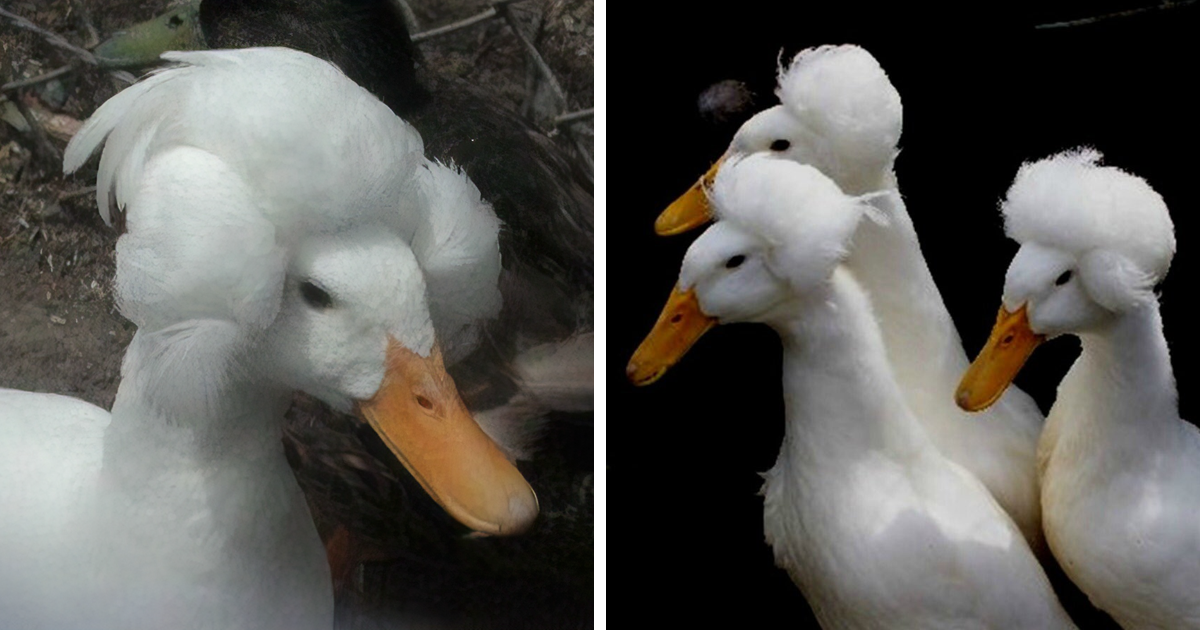
Some animals look majestic. Some look mysterious. And then there are ducks with feathered poufs so dramatic they appear to have waddled straight out of a candlelit palace, slammed a powdered wig onto their heads, and demanded a tiny pond-side carriage.
Welcome to the wonderfully ridiculous world of aristocratic-looking ducks: birds with fluffy crests, glossy heads, regal posture, and enough natural flair to make a Versailles court painter drop his brush. The main celebrity here is the crested duck, a domestic duck known for the rounded tuft of feathers on its head. It is not hair, no matter how convincingly it screams “retired opera judge.” It is a feather crest, shaped by genetics and careful breeding.
But our fancy-duck parade does not stop there. Mallards bring emerald caps and curled tail feathers. Call ducks arrive looking like tiny nobles who misplaced their estate. Runner ducks stand upright like court officials late for a meeting. Cayugas shimmer like they were dipped in midnight ink and bad decisions. Together, they form a floating aristocracy: beaked, web-footed, and extremely overdressed for a puddle.
Why Do Some Ducks Look Like They Are Wearing Wigs?
The “wig” effect usually comes from a crest: a tuft of feathers growing from the top or back of a duck’s head. In crested ducks, this trait is linked to a genetic mutation. Breeders have selected for the look over generations, especially in ornamental domestic flocks. The result can be charming, comical, and occasionally so perfectly round that the duck seems prepared to sign a royal decree about peas.
It is important to admire crested ducks responsibly. The crest is cute, but it can be associated with health and breeding concerns, so anyone considering keeping these birds should learn from poultry experts, ethical breeders, and veterinarians before bringing one home. Ducks are not décor with feet. They need clean water, safe shelter, good nutrition, room to forage, and protection from predators. A powdered-wig vibe does not exempt anyone from animal care.
30 Ducks That Look Like 18th-Century Wig-Wearing Aristocrats
1. The White Crested Duck With the Perfect Powder Puff
This is the classic aristocrat duck: white feathers, orange bill, and a headpiece that looks like it was styled by a royal hairdresser with unlimited starch. It appears innocent, but its expression says, “I own the pond and several neighboring fountains.”
2. The Black Crested Duck With Gothic Nobility
A black crested duck carries the same feather crown, but with a moodier attitude. Imagine a duke who writes poetry during thunderstorms and refuses to attend brunch unless the peas are served in a silver bowl.
3. The Mallard Drake With a Green Velvet Cap
The male mallard may not have a fluffy crest, but that glossy green head looks like a formal court hat. Add the white neck ring and curled tail feather, and suddenly he is not swimminghe is making an entrance.
4. The Call Duck Who Looks Like a Tiny Duchess
Call ducks are small, round, and famously vocal. A crested Call duck looks like a noblewoman who has strong opinions about wallpaper, etiquette, and why everyone else is quacking incorrectly.
5. The Pekin Duck With Accidental Palace Energy
Pekin ducks are large, white, and cheerful-looking. When one has a slightly ruffled crown or theatrical posture, it can look like an 18th-century aristocrat who wandered into the kitchen and decided to stay for biscuits.
6. The Crested Runner Duck Standing Like a Court Messenger
Runner ducks stand upright, giving them a formal, almost human silhouette. Add a head crest, and the bird looks like it is rushing across the palace courtyard with urgent gossip about the queen’s pond.
7. The Cayuga Duck With a Midnight Wig
Cayugas are known for dark, iridescent feathers that can flash green or purple in sunlight. A crested Cayuga looks like a mysterious noble arriving late to a masked ball, possibly with a scandal hidden under one wing.
8. The Magpie Duck With Court Jester Confidence
Magpie ducks have bold black-and-white markings that already feel theatrical. Give one a tufted head, and it looks like the palace entertainer who somehow knows everyone’s secrets and has excellent comic timing.
9. The Blue Swedish Duck With a Noble Bib
Blue Swedish ducks often have soft slate-blue coloring and a white bib. When their head feathers puff up, they resemble a noble official wearing a formal waistcoat and pretending not to be interested in snacks.
10. The Buff Duck With Warm Golden Elegance
Buff ducks have gentle, warm coloring that gives them a refined country-estate look. A crested Buff duck looks less like a palace snob and more like a wealthy aunt who hosts garden parties and judges your tea temperature.
11. The Muscovy With a Royal Red Mask
Muscovy ducks are not mallard-derived like most domestic ducks, and they have a very different face. Their red caruncles give them a dramatic, almost theatrical lookless powdered wig, more “minister of unusual hats.”
12. The Silver Appleyard With Polished Aristocratic Colors
Silver Appleyards have rich, patterned plumage that looks carefully tailored. A well-groomed drake can resemble a gentleman in a painted portrait, only wetter and more likely to chase lettuce.
13. The Saxony Duck With Soft Pastel Court Fashion
Saxony ducks are beautifully colored, with peach, buff, blue-gray, and cream tones. They look like they were designed by someone who believed every duck deserves a spring wardrobe and a dramatic garden backdrop.
14. The Rouen Drake With Estate Owner Energy
Rouen ducks resemble large mallards, but with a heavier domestic build. A Rouen drake has the polished green head and formal chest coloring of a bird who definitely owns land, even if that land is mostly mud.
15. The Welsh Harlequin With Fine Painted Feathers
Welsh Harlequins have delicate patterns and soft colors that make them look hand-painted. They are less “powdered wig” and more “minor royal who keeps an excellent diary.”
16. The Crested Duck With a Side-Parted Pompadour
Not every crest forms a perfect sphere. Some lean, split, or fluff sideways. These ducks look like they asked for a courtly pompadour and got caught in a breeze before the royal portrait session.
17. The Duckling With a Tiny Tuft and Giant Ambition
A crested duckling can look like a baby aristocrat still growing into the family wig. The fluff is small, the feet are huge, and the confidence is already wildly disproportionate.
18. The Elderly Pond Duck With Natural Bedhead
Some ducks develop ruffled, weathered feather styles through molting, age, or general pond drama. These birds look like retired nobles who have seen three revolutions and still refuse to share the good corn.
19. The Duck With a Feather Crown Too Big for Its Face
Occasionally, a crest appears so large that the duck seems to be wearing a ceremonial headpiece. It is charming in photos, but extreme crests should also remind us that animal welfare matters more than novelty.
20. The Court Philosopher Duck
This duck sits quietly, head puff raised, staring into the middle distance. Is it contemplating the meaning of life? Probably not. Is it thinking about whether you brought peas? Almost certainly.
21. The Duck That Looks Like It Owns a Tiny Harpsichord
Some crested ducks have such elegant posture that they seem musically educated. You can picture them tapping one webbed foot beside a harpsichord while criticizing everyone’s tempo.
22. The Pond Baron With a Curled Tail Feather
Male mallards and many domestic drakes may show curled tail feathers. Combined with shiny plumage, that curl adds a final flourish, like the feathered equivalent of signing a letter with a wax seal.
23. The Duck in a Feathered Powdered Wig and Orange Shoes
The contrast is unbeatable: fancy white crest on top, bright orange feet below. It looks like formalwear meeting clown shoes, which honestly describes much of 18th-century fashion better than historians may admit.
24. The Grand Duchess of the Kiddie Pool
Backyard ducks do not need a palace pond, but they do need water deep enough to clean their bills and faces. A crested duck in a kiddie pool can still look like royalty, even while splashing like a toddler.
25. The Duck Who Disapproves of Your Outfit
Some ducks simply have judgmental faces. Add a crest and suddenly the expression becomes devastating. This bird has reviewed your shoes, your posture, and your snack choices. The verdict is not promising.
26. The Shiny-Headed Mallard Minister
Structural color makes certain duck feathers shimmer without relying only on pigment. That is why a mallard’s green head can change with the light, giving him the dramatic glow of a politician entering a ballroom.
27. The Duck With a Split Crest and Theater Kid Energy
A crest that separates into sections can look like a dramatic stage wig. This duck is not merely walking. It is performing Act II of “The Tragedy of the Empty Feed Bowl.”
28. The Aristocrat Who Forgot How to Be Elegant
Ducks are graceful on water and deeply funny on land. A crested duck waddling quickly can look like a noble late for dinner, trying to maintain dignity while both feet betray the entire family name.
29. The Feathered Count Who Loves Mud
No matter how fancy the crest, ducks remain ducks. They dabble, splash, forage, and investigate mud with professional commitment. Aristocratic appearance, swampy hobbies.
30. The Royal Duck Who Wins the Whole Pond
The ultimate wig-wearing duck does not need perfection. Maybe its crest is lopsided. Maybe its feathers are damp. Maybe it has pond weeds on its bill. The magic is the contrast: ridiculous elegance wrapped around pure duck behavior.
What These Fancy Ducks Teach Us About Nature
The joy of these ducks is not just that they look funny. It is that nature is already stranger, sillier, and more stylish than we give it credit for. A duck’s appearance can be shaped by genetics, breeding history, sex, age, season, molting, light, and feather structure. The result is a living costume department with webbed feet.
Most domestic ducks descend from the wild mallard, which explains why familiar mallard features show up again and again in farm flocks and backyard ponds. The Muscovy is the major exception, belonging to a different duck lineage. Meanwhile, ornamental breeds such as crested ducks show how humans have selected certain traits for beauty, exhibition, and novelty.
Still, the best way to enjoy ducks is respectfully. Do not chase them for photos. Do not grab at their crests. Do not feed wild ducks bread, crackers, chips, or popcorn just because they look like they are hosting a picnic. These foods provide poor nutrition and can contribute to unhealthy crowding and water pollution. Watching, photographing from a distance, and supporting healthy habitats are better ways to appreciate the feathered aristocracy.
How to Photograph Aristocratic Ducks Without Annoying Them
If you want photos of ducks looking like 18th-century nobles, patience is your best camera setting. Visit ponds, farms, sanctuaries, or waterfowl shows where birds are safely kept and people are allowed to observe. Use zoom instead of stepping too close. Get low to the ground for a portrait-like angle, but avoid blocking the bird’s path to water or shelter.
Morning and late-afternoon light can make feathers glow, especially on iridescent ducks such as mallards and Cayugas. A calm duck with side lighting can suddenly look like a royal oil painting. A duck shaking water out of its crest, on the other hand, may look like a powdered noble sneezing during a coronation. Both are art.
Personal Experience: Meeting the Pond Nobility
The first time I saw a crested duck in person, I did not react with scientific calm. I reacted like someone who had discovered a bird wearing a bathroom loofah as a crown. It was standing near the edge of a pond beside several ordinary-looking ducks, and yet it had the unearned confidence of a creature that knew it would be the star of every photo on every phone within a fifty-foot radius.
What struck me most was not just the crest. It was the attitude. The duck moved with casual importance, pausing every few steps as though waiting for applause. When it dipped its bill into the water, the fluffy headpiece bobbed slightly, turning an everyday duck activity into something that looked like royal choreography. Nearby mallards were doing normal mallard thingsdabbling, preening, quackingbut the crested duck made even standing still feel ceremonial.
Watching it also changed the way I looked at other ducks. Suddenly, the male mallard’s green head looked less ordinary and more like a velvet court cap. The little brown females, often overlooked, seemed beautifully patterned and practical, dressed not for court gossip but for survival. A dark duck flashing iridescent feathers in the sun looked like it had stolen jewelry from a duchess. Even the awkward waddle became part of the charm. Ducks are elegant only until they leave the water; then they become tiny, determined people in flippers.
The experience also reminded me that funny animal content works best when it includes respect. It is easy to turn a crested duck into a meme, and honestly, the duck does half the work. But behind the comedy is a real bird with real needs. Ducks need clean drinking water, room to move, proper food, and safe living conditions. Crested ducks, in particular, should not be treated as accessories or impulse pets just because they photograph well. That fluffy “wig” is adorable, but it belongs to an animal, not a novelty item.
Since then, I have noticed that ducks make people slow down. At a pond, strangers become quiet observers. Kids point. Adults smile despite themselves. Someone always whispers, “Look at that one,” as if the duck might be offended by direct praise. And maybe that is the secret of aristocratic ducks: they give us a harmless little moment of theatrical delight. For a few minutes, the world contains a bird that looks like it escaped from a royal portrait and chose to spend its freedom splashing in mud. That is not just cute. That is magnificent.
Conclusion
Ducks that look like 18th-century wig-wearing aristocrats are funny because the comparison is absurdand perfect. A crested duck’s feather puff can resemble a powdered wig. A mallard’s shining head can look like formal court fashion. A Runner duck can stand like a palace messenger. Yet beneath the comedy, these birds are fascinating examples of genetics, feather structure, domestication, and animal personality.
Whether you are admiring a white crested duck with a perfect pom-pom or a mallard drake glowing like he owns a velvet cape, the best response is appreciation with a side of responsibility. Enjoy the photos. Laugh at the tiny nobles. Share the joy. Just remember: the duck may look like it belongs in a palace, but it still deserves clean water, healthy food, safe habitat, and the right to waddle away from paparazzi.














