
Note: This article is written in standard American English and is based on synthesized information from reputable technology, audio, consumer testing, manufacturer, and hearing-safety sources.
There was a time when earphones had one job: play music without making you look like you had a small radio station attached to your head. Today, the best earphones are less like accessories and more like tiny lifestyle managers. They help you focus during a noisy commute, survive a video call with the neighbor’s leaf blower in the background, hear your podcast while folding laundry, and pretend your grocery run is a cinematic montage. In other words, modern earphones do not just play sound. They help you soundscape your day.
The phrase may sound a little fancy, like something a spa would print on a eucalyptus-scented brochure, but it is actually practical. A personal soundscape is the audio environment you build around your daily routine. It can be quiet, energetic, cozy, productive, social, or delightfully dramatic. The right wireless earbuds can turn your morning walk into a mood reset, your office desk into a concentration zone, and your evening chores into a private concert where the mop is, regrettably, your dance partner.
As earphones have become smarter, the buying decision has also become more complicated. Active noise cancellation, transparency mode, spatial audio, multipoint Bluetooth, water resistance, fit tests, microphone arrays, app-based EQ, smart cases, and battery life claims all compete for your attention. Style matters too. Earbuds are visible. They sit on your face-adjacent real estate. Whether you prefer the minimalist Apple look, the futuristic transparent design of Nothing, the sporty hooks of Powerbeats, or the understated premium feel of Bose and Sony, your earphones now say something about your day before they play a single note.
Why Earphones Are No Longer Just Earphones
The best wireless earbuds have become everyday tools because daily life is noisy, mobile, and fragmented. You may move from a subway platform to a desk, from a gym session to a phone call, from a podcast to a grocery checkout line. Good earphones adapt to those changes without asking you to dig through five menus like you are launching a spaceship.
Modern earbuds are designed around three big ideas: control, comfort, and context. Control means choosing what you hear and what you block out. Comfort means wearing them for hours without feeling like your ears filed a formal complaint. Context means using the right mode for the moment: noise cancellation for focus, transparency mode for awareness, spatial audio for movies, low-latency settings for gaming, and a secure fit for workouts.
The Features That Actually Matter
Active Noise Cancellation: Your Portable Quiet Room
Active noise cancellation, or ANC, is one of the biggest reasons people upgrade their earbuds. It uses microphones and processing to reduce steady background noise such as airplane rumble, traffic hum, office chatter, and the mysterious HVAC system that sounds like a dragon breathing through a vent. Flagship models from Apple, Bose, Sony, Samsung, and Google have pushed ANC from “nice trick” to “daily survival tool.”
For commuters and frequent travelers, strong ANC can make music clearer at lower volumes. That matters because when your earbuds fight outside noise effectively, you are less tempted to crank the volume. Models such as Bose QuietComfort Ultra Earbuds, Sony’s WF-1000X series, and Apple’s AirPods Pro line are often praised for this reason. They are not magic wands, but they can make a bus engine, airplane cabin, or crowded café feel less like a percussion section warming up badly.
Transparency Mode: Stay in the World Without Removing Your Earbuds
Transparency mode does the opposite of ANC. Instead of blocking the world, it lets outside sound in through the earbuds’ microphones. This is useful when you need awareness: walking near traffic, waiting for an announcement, ordering coffee, or hearing someone ask whether you are “using the good mug again.”
The best transparency modes sound natural rather than robotic. Apple, Bose, Google, and Samsung have all invested heavily in making environmental sound feel less processed. This is especially important for people who wear earbuds for long stretches. A good transparency mode makes the earbuds feel less like a sealed bubble and more like a volume knob for real life.
Fit: The Feature Nobody Brags About Until It Fails
Fit is the unglamorous hero of earphones. You can buy earbuds with incredible drivers, award-winning ANC, and a case that practically deserves its own apartment, but if they fall out when you smile, they are not the right earbuds for you.
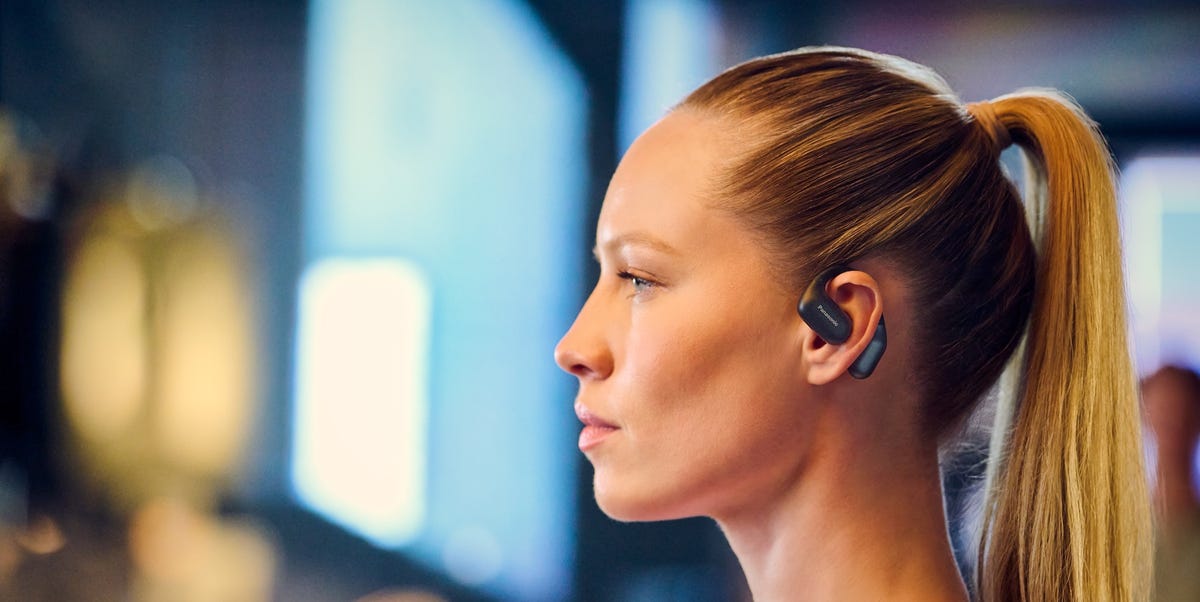
In-ear models with silicone tips usually provide the best passive isolation and bass response. Open-style earbuds feel lighter and more breathable but let in more outside sound. Sport earbuds may use ear hooks or fins for extra security. Powerbeats Pro 2, for example, uses ear hooks aimed at workouts, while Beats Fit Pro uses wing tips. Open-ear options from brands such as Bose and Shokz prioritize awareness and comfort over full isolation, making them appealing for runners, cyclists, and people who dislike plugged-ear pressure.
The best buying advice is simple: choose the fit for your life, not for the product photo. Product photos never sweat, jog, chew, laugh, or wear glasses. You do.
Choosing Earphones by Lifestyle
For the Commuter: Noise Control and Pocket-Friendly Design
If your day begins with trains, buses, traffic, or shared office noise, prioritize ANC, comfort, reliable Bluetooth, and a compact charging case. Apple AirPods Pro 3 are especially appealing for iPhone users because of seamless pairing, device switching, Find My support, and strong ecosystem features. Sony’s premium WF earbuds are strong choices for people who care about detailed sound, app-based customization, and high-quality codecs on Android. Bose QuietComfort Ultra Earbuds remain a favorite for people who want powerful noise cancellation and a warm, immersive listening experience.
For commuters, the best earphones are the ones that make transitions feel effortless. You should be able to leave home listening to a playlist, pause for a coffee order, take a call, and return to your music without performing a small technology ritual in public.
For the Office: Calls, Multipoint, and All-Day Comfort
Office earbuds need to do more than sound good. They must handle calls clearly, switch between laptop and phone, and stay comfortable through meetings that could have been emails wearing business shoes. Multipoint Bluetooth is a major advantage because it lets you connect to two devices and move between them more easily.
Microphone quality is also crucial. Many earbuds now use multiple microphones, beamforming, wind reduction, and AI-assisted voice pickup to separate your voice from background noise. That matters when you are speaking from a kitchen table, coworking space, airport lounge, or living room where someone has decided the blender needs to express itself.
For Fitness: Stability, Sweat Resistance, and Controls You Can Use While Moving
Workout earbuds have a different job. They need to stay put, resist sweat, and offer controls that are easy to use when your hands are busy or your heart rate is trying to negotiate a peace treaty. Powerbeats Pro 2 is a strong example of a fitness-first design, with ear hooks, long battery life with the case, sweat and water resistance, and heart-rate monitoring features. Other workout-friendly options include secure-fit Beats models, JBL sport earbuds, and open-ear designs that keep you aware of traffic and surroundings.
For runners, transparency or open-ear listening can be safer than full isolation. For gym users, ANC can help reduce clanking weights and loud background music. For everyone, a secure fit is non-negotiable. Nothing ruins a personal record like crawling under a treadmill to retrieve a runaway earbud.
For Style Lovers: Design Is Part of the Experience
Earphones are wearable tech, and wearable tech has to live with your wardrobe. Minimalist white stems, glossy black capsules, metallic accents, transparent shells, matte finishes, and jewelry-like open-ear designs all create different impressions. Nothing Ear models are known for their transparent industrial design. Samsung Galaxy Buds3 Pro introduced a more angular, blade-style look with premium audio ambitions. Bose keeps things understated and comfort-focused. Sony leans refined and technical. Apple remains instantly recognizable.
Style should not overpower function, but it should not be dismissed either. If you like how your earbuds look, you are more likely to use them. That sounds obvious, but it is true of glasses, watches, sneakers, bags, and nearly everything else we wear daily. A good pair of earphones should feel like part of your kit, not a gadget you tolerate.
Sound Quality: What to Listen For
Sound quality is not just about bass. Good earbuds should offer clarity, balance, detail, and enough dynamic range to make music feel alive. Bass should have punch without turning every song into a thunderstorm. Vocals should sound present and natural. Treble should add sparkle without stabbing your ears like tiny glitter knives.
Many premium earbuds now include app-based equalizers so you can adjust the sound. Sony, Bose, JBL, Nothing, Samsung, and others offer customization tools. Some listeners prefer a warmer sound with fuller bass. Others want a more neutral profile for podcasts, acoustic music, or long listening sessions. If you listen to many genres, adjustable EQ is worth having.
Codec support may also matter, especially for Android users. LDAC, aptX variants, and brand-specific high-resolution codecs can improve wireless audio quality when paired with compatible devices. For most casual listeners, fit and tuning will matter more than codec names. For audio enthusiasts, codec support can be the difference between “sounds good” and “I need to replay that bridge immediately.”
Smart Features That Are Actually Useful
Spatial Audio and Head Tracking
Spatial audio can make movies, shows, games, and some music feel wider and more immersive. Apple, Bose, JBL, Samsung, and others have versions of this feature. It is not essential for everyone, but it can be fun when watching a movie on a tablet or getting lost in a live album. The best implementation makes audio feel spacious without sounding artificial.
Smart Charging Cases
Charging cases are no longer just battery boxes. JBL Tour Pro 3, for example, uses a touchscreen Smart Charging Case that can control playback, settings, calls, and other functions without pulling out your phone. Nothing Ear (3) introduced a case-based “Super Mic” concept aimed at clearer voice capture. These features may not be essential, but they show where the category is heading: earbuds as compact audio systems, not just two tiny speakers and a lid.
Find My Features
Earbuds are small, expensive, and exceptionally good at hiding in couch cushions. Location features through Apple Find My, Google’s ecosystem, or brand apps can save time and money. A case speaker or precise tracking feature is not glamorous, but it becomes your favorite feature the first time one earbud disappears into the laundry dimension.
Battery Life: Read the Fine Print
Battery life claims can be tricky because they often depend on volume level, ANC use, codec, call time, spatial audio, and temperature. A pair of earbuds may advertise long playback with ANC off, but real-world use with noise cancellation, calls, and transparency mode can reduce that number. The charging case usually extends total listening time significantly, so consider both single-charge battery life and total case battery.
If you wear earbuds all day, look for at least six hours per charge with ANC on, fast charging, and a case that provides multiple top-ups. Fitness users may want longer single-charge playback for long runs, travel days, or gym sessions. Office users may care more about call battery life and comfort over raw playback numbers.
Hearing Health: The Stylish Choice Is the Safe Choice
Great earphones should improve your day, not punish your ears. Hearing-safety guidance from public health sources consistently warns that loud sound exposure can cause permanent damage over time. A practical approach is to keep volume moderate, take listening breaks, use ANC or a good seal to avoid turning volume too high, and pay attention to headphone safety notifications on your phone.
Noise cancellation can support safer listening because it reduces the need to overpower outside noise. Still, ANC is not a license to blast music at maximum volume. If your ears ring after listening, if sounds seem muffled, or if you keep raising the volume over time, treat those signs seriously. Your future self would like to enjoy music too, preferably without subtitles for real life.
How to Build a Personal Soundscape
Think of your earphones as a daily soundtrack tool. For mornings, choose light music, ambient sound, or a podcast that eases you into the day. During work, use instrumental playlists, brown noise, focus apps, or low-volume jazz to create a mental boundary. For errands, transparency mode can keep you connected to your surroundings. For workouts, choose energetic tracks with a secure-fit pair that will not abandon you mid-burpee. At night, switch to calm audio, guided meditation, or silence. Silence, by the way, remains undefeated when used correctly.
The best soundscape is intentional. You do not need audio every second. Sometimes the most functional use of earphones is turning them off and using the case as a reminder to breathe, reset, and stop letting autoplay decide your personality.
Real-World Experience: A Day With Earphones That Actually Work
The best way to understand modern earphones is to imagine them across a normal day. Not a glossy commercial day where everyone jogs at sunrise beside a beach. A real day. The kind where your alarm sounds rude, your coffee is almost enough, and your inbox appears to have multiplied overnight like a tech-enabled fungus.
In the morning, a comfortable pair of earbuds can create a gentle buffer between sleep and responsibility. You tap in a mellow playlist while making coffee, keeping the volume low enough to hear the kettle and high enough to avoid hearing your own thoughts listing tasks in alphabetical order. If your earbuds have a strong transparency mode, you can keep them in while moving around the house without feeling cut off. That small convenience matters. You are not constantly removing and replacing them, which is how one earbud usually ends up under the refrigerator, forming a long-term relationship with dust.
On the commute, noise cancellation becomes the star. The world outside does not disappear completely, but it becomes softer around the edges. Engine noise drops. The sharpness of traffic fades. A podcast becomes easier to follow. You do not need to push the volume to uncomfortable levels just to hear a host explain productivity while you are actively surviving public transportation. The right earphones make the commute less like an obstacle course and more like a controlled transition.
At work, the experience changes again. You may switch from music to video calls, then to focus audio, then back to calls. This is where multipoint connection and microphone quality become everyday luxuries. A good pair lets you answer a phone call, return to your laptop audio, and continue working without wrestling Bluetooth settings like they are an ancient puzzle guarded by a tiny wireless dragon. Clear microphones also reduce the need to repeat yourself. In a world full of “Sorry, you cut out,” that is a small miracle.
During lunch or errands, transparency mode becomes useful again. You can listen to music while staying aware of crosswalks, cashiers, cyclists, or that one friend who appears silently in public like a side quest. Earphones that shift smoothly between isolation and awareness feel more natural because real life is not one audio setting. It is a messy playlist of conversations, announcements, background noise, and private moments.
For exercise, fit decides everything. Earbuds with hooks, fins, or carefully shaped tips can make the difference between a focused workout and a comedy routine involving repeated earbud adjustments. Sweat resistance is important, but stability is emotional support. Once earbuds stay put, your music can do its job: add energy, rhythm, and momentum. A strong workout track through secure earbuds can make a hill feel slightly less rude. Only slightly, but still.
By evening, earphones can help mark the end of the day. A soft playlist while cooking, a show on a tablet without disturbing anyone, or a calming soundscape before bed can create separation between work mode and rest mode. The goal is not to fill every quiet space with audio. The goal is to choose sound deliberately. The right earphones give you that choice: focus when you need it, awareness when it matters, energy when you are dragging, and calm when the day has been a little too loud.
Conclusion: The Best Earphones Fit Your Actual Life
The best earphones are not simply the most expensive or the most feature-packed. They are the ones that match your routines, your devices, your ears, and your taste. If you live in the Apple ecosystem, AirPods Pro may feel effortless. If you want deep customization and rich sound, Sony may be a natural fit. If maximum noise cancellation is your priority, Bose deserves attention. If fitness is your daily anchor, Powerbeats or other sport-focused models may make more sense. If style is part of the fun, Nothing, Samsung, JBL, and open-ear designs offer personality along with performance.
Style and function are no longer separate categories in earphones. Design affects comfort. Fit affects sound. Noise control affects hearing safety. Smart features affect daily convenience. The right pair helps you shape your environment without disappearing from it completely. That is the real promise of modern earbuds: not just better audio, but a better relationship with your day.










