
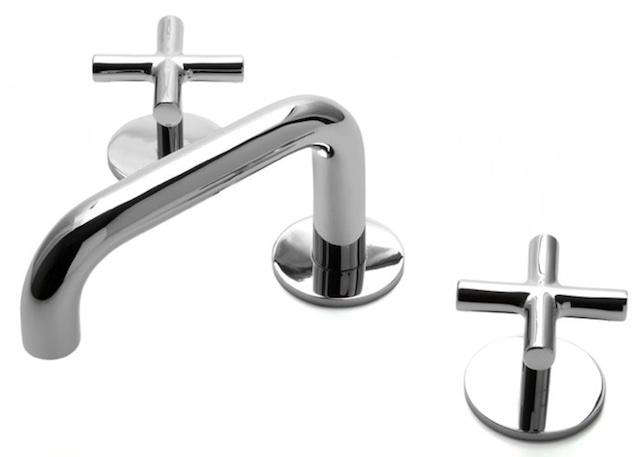
Some bathroom faucets enter a room quietly. Others arrive with a tiny brass trumpet and announce, “Yes, the sink is now the main character.” The Flyte line from the Waterworks Studio Collection lands somewhere in the elegant middle: refined enough for a designer bath, practical enough for everyday use, and streamlined enough that it will not bully your tile, mirror, or vanity into submission.
Flyte is best understood as a modern faucet and fixture family built around clean proportions, slim silhouettes, and versatile finishes. It has the calm confidence of a well-tailored blazer: not flashy, not fussy, but clearly not purchased in a panic five minutes before guests arrived. For homeowners, remodelers, and designers looking for high-end bathroom faucets with a minimalist personality, Flyte offers a strong case for spending attention where hands, water, and daily rituals meet.
What Is the Flyte Line from Waterworks Studio Collection?
The Flyte line is part of Waterworks’ broader world of bath fittings and fixtures. When the Studio Collection first drew design attention, one of its big appeals was accessibility: it delivered the Waterworks look in a more approachable price category than many of the brand’s heritage lines. Early coverage highlighted the collection’s brass construction, chrome and nickel options, and pared-down design language.
Today, Flyte has expanded into a broader family of lavatory faucets, wall-mounted faucets, gooseneck faucets, shower controls, tub fillers, and coordinating trims. The common thread is proportion. Flyte does not rely on oversized handles, chunky bases, or decorative acrobatics. Instead, it uses narrow spouts, precise geometry, and a restrained modern profile. In plain English: it looks expensive without shouting across the bathroom like a faucet with a podcast.
Why Flyte Works in Modern Bathroom Design
Modern bathrooms are no longer just rooms where toothpaste goes to splatter on mirrors. They have become personal retreats, small wellness zones, and design statements. The best fixtures support that mood without stealing all the oxygen. Flyte fits especially well in bathrooms built around stone, plaster, terrazzo, pale tile, warm wood, or dramatic dark surfaces.
Minimalist Shape, Not Minimal Effort
Flyte’s biggest design strength is restraint. The faucets appear light, but not flimsy. The lines are slim, but not cold. The spouts and handles have enough architectural discipline to look intentional beside a floating vanity, vessel sink, or wall-mounted mirror. That makes the collection useful for contemporary, transitional, boutique-hotel, and soft-modern bathrooms.
A Faucet That Lets Materials Shine
If your bathroom already has a beautiful stone counter, handmade tile, or custom vanity, a loud fixture can create visual traffic. Flyte behaves more like punctuation than a paragraph. Chrome adds crispness, nickel brings warmth, brass adds glow, and matte black creates contrast. Each finish changes the mood, but the core shape stays calm.
Key Faucet Options in the Flyte Collection
The Flyte line includes multiple configurations, which matters because not every sink setup is created equal. Some vanities are drilled for three holes. Some bathrooms look better with a single-hole faucet. Some spaces practically beg for a wall-mounted spout because the countertop deserves breathing room.
Three-Hole Lavatory Faucets
The three-hole Flyte lavatory faucet is a natural choice for traditional sink drilling with modern styling. It is available with cross handles or lever handles, giving homeowners a choice between slightly vintage geometry and a cleaner contemporary grip. This format works well on stone countertops, console sinks, and refined vanities where symmetry matters.
One-Hole Lavatory Faucets
The one-hole Flyte lavatory faucet is ideal for a cleaner counter. With fewer deck penetrations, the vanity feels more open and easier to wipe down. That is a small daily luxury. Anyone who has cleaned dried toothpaste from around three separate faucet holes understands that minimalism is not just a design philosophy; sometimes it is a survival strategy.
Gooseneck Lavatory Faucets
Flyte gooseneck faucets add height and a graceful curve while keeping the overall look light. They pair nicely with deeper sinks or vanities that need a little vertical lift. A gooseneck faucet can also soften a bathroom full of straight lines, especially when the room includes rectangular mirrors, slab cabinet fronts, and large-format tile.
Wall-Mounted Lavatory Faucets
The wall-mounted Flyte faucet is the designer’s favorite kind of drama: quiet, useful, and slightly smug in the best way. Wall-mounted fittings free up counter space and create a floating visual effect. They are excellent for powder rooms, stone slab backsplashes, and compact baths where every inch of vanity surface counts.
Wall-mounted faucets do require careful planning. The rough-in depth, valve placement, spout reach, sink location, and backsplash thickness must be coordinated before walls are closed. In other words, do not choose a wall-mounted faucet after the tile installer has already packed up and driven away. That road leads to sighing, invoices, and possibly one very judgmental contractor.
Materials and Finishes: The Jewelry of the Bathroom
Faucets are often called the jewelry of the bathroom, and for good reason. They are small compared with tile or cabinetry, but they influence the entire mood of the space. Flyte’s brass foundation supports the premium feel, while its finish options allow it to shift from cool and crisp to warm and dramatic.
Chrome
Chrome is bright, reflective, durable, and easy to coordinate. It works beautifully in modern bathrooms with white tile, gray stone, glass, and polished surfaces. Chrome can show water spots more readily than softer finishes, but regular wiping keeps it looking sharp. Think of chrome as the friend who photographs well but needs decent lighting.
Nickel
Nickel has a warmer tone than chrome. It can feel softer, more classic, and more forgiving in bathrooms with cream, beige, marble, oak, walnut, or aged brass accents. Nickel is a strong choice when you want polish without icy brightness.
Brass
Brass brings warmth and character. In a Flyte silhouette, brass feels modern rather than overly traditional. It pairs especially well with natural stone, plaster walls, off-white tile, and dark wood vanities. Brass can read as luxurious, but because Flyte’s shape is restrained, it avoids looking like it arrived wearing a crown.
Matte Black
Matte black is graphic, confident, and useful for contrast. It looks striking against white sinks, pale stone, concrete, terrazzo, and light wood. It can also tie together black mirror frames, shower doors, cabinet hardware, or lighting. Used carefully, matte black gives a bathroom edge. Used everywhere, it can start to feel like the room is preparing for a fashionable thunderstorm.
Water Efficiency and Everyday Performance
A beautiful faucet still has to do faucet things. It should deliver a comfortable stream, control hot and cold water predictably, and avoid wasting more water than necessary. Many Flyte lavatory models are listed with a 1.2 gallons-per-minute flow rate, a figure that aligns with the direction of modern water-efficient bathroom design.
The U.S. Environmental Protection Agency’s WaterSense program has long identified efficient bathroom sink faucets as a practical way to reduce water use without making handwashing feel like a sad drizzle. For homeowners, that means the faucet conversation is not only about looks. Flow rate, aerator performance, pressure, and code compliance all matter.
In a primary bath, a 1.2 gpm lavatory faucet can feel perfectly comfortable when the aerator is well designed. In a powder room, it is usually more than enough. In a busy family bathroom, it can help reduce waste during handwashing, face washing, and those mysterious moments when someone turns on the faucet and wanders away to find a towel.
Installation Considerations Before You Buy
Flyte is a premium fixture line, and premium fixtures reward preparation. Before ordering, confirm your sink type, hole configuration, countertop thickness, water pressure, drain compatibility, and rough-in requirements. This is especially important for wall-mounted faucets and tub fillers.
Deck-Mounted Faucets
For deck-mounted faucets, check whether the sink or countertop is drilled for one hole or three holes. Also review handle spread, spout reach, backsplash clearance, and drain style. If the faucet includes a push-touch drain, make sure it suits the sink opening and overflow configuration.
Wall-Mounted Faucets
Wall-mounted faucets require more coordination because the valve sits inside the wall. The finished wall thickness, tile depth, stone slab thickness, sink placement, and spout height must be planned together. A professional plumber or contractor should be involved early, ideally before rough plumbing begins.
Professional Installation Is Worth It
Flyte is not the place to test a “how hard can plumbing be?” theory on a Saturday afternoon. A licensed plumber can protect the finish, flush supply lines, check for leaks, confirm pressure, and make sure handles and drains operate correctly. The result is less drama and fewer emergency towels.
How Flyte Compares With Other Luxury Bathroom Faucet Styles
Compared with ornate traditional faucets, Flyte feels lighter and more architectural. Compared with ultra-minimal blocky faucets, it feels more graceful. Compared with mass-market modern faucets, it tends to offer a more refined finish story and a more design-forward silhouette.
That balance is why Flyte works in both full renovations and targeted upgrades. In a gut remodel, it can anchor the entire bath specification. In a smaller refresh, replacing dated faucets with Flyte can make an older vanity feel intentional again. Add a new mirror, better lighting, fresh towels, and suddenly the room looks less “builder basic” and more “quietly booked at a boutique hotel.”
Best Design Pairings for the Flyte Line
Flyte with Marble
Chrome or nickel Flyte faucets look crisp against white marble with gray veining. Brass creates a warmer, more editorial look. Matte black adds contrast and can modernize classic stone.
Flyte with Terrazzo
Terrazzo has visual movement, so a simple faucet shape helps calm the composition. Flyte’s clean lines pair well with both colorful terrazzo and neutral terrazzo floors or counters.
Flyte with Wood Vanities
Oak, walnut, and stained wood vanities benefit from Flyte’s slim shape. Nickel keeps things soft, brass emphasizes warmth, and matte black introduces a clean graphic edge.
Flyte in a Powder Room
Powder rooms are perfect places to be a little bolder. A wall-mounted Flyte faucet over a stone sink or compact vanity can turn a tiny room into a design moment. Guests may not compliment your water pressure, but they will notice the faucet.
Care and Cleaning Tips
Premium finishes deserve gentle treatment. The safest routine is simple: wipe the faucet with a soft damp cloth, rinse away residue, and dry with a clean microfiber towel. Avoid abrasive pads, harsh chemicals, bleach, ammonia, and aggressive cleaners unless the manufacturer specifically approves them for that finish.
Water spots are easier to prevent than remove. In hard-water areas, daily drying makes a major difference. For nickel, brass, and specialty finishes, follow Waterworks care guidance rather than assuming every shiny metal wants the same cleaner. Faucets are like houseplants in that way: love is good, but the wrong treatment can still cause problems.
Who Should Choose the Flyte Line?
Flyte is a strong fit for homeowners who want modern luxury without visual clutter. It is also well suited for designers creating bathrooms with refined materials, clean lines, and a quiet sense of polish. If your design goal is “elegant, not enormous,” Flyte deserves a spot on the shortlist.
It may not be the best choice for someone seeking a farmhouse bridge faucet, ornate vintage detailing, or the lowest possible price. Flyte is still a premium product. Its value comes from design quality, material presence, finish options, and coordination across multiple fixture types.
Real-Life Experience: Living With a Faucet Like Flyte
Choosing a faucet online is easy until you realize the faucet is not just an object; it is a daily handshake. You touch it before coffee, after brushing your teeth, while rinsing skincare products, and sometimes while wondering why the guest towel is decorative if everyone is afraid to use it. A fixture like Flyte changes the experience because it brings a small sense of order to a room that can easily become chaotic.
In a compact bathroom, the biggest difference is visual breathing room. A bulky faucet can make a small vanity feel crowded, especially when the counter also has soap, a toothbrush cup, moisturizer, and one mysterious bottle nobody admits owning. Flyte’s slender profile keeps the sink zone cleaner to the eye. The one-hole version is especially helpful because there are fewer seams and edges to clean around. That may sound minor, but after a few months, fewer crevices can feel like a lifestyle upgrade.
In a larger primary bath, Flyte’s appeal is more about atmosphere. A pair of matching lavatory faucets on a double vanity can create symmetry without stiffness. Cross handles add a subtle tailored detail, while lever handles feel more streamlined and user-friendly. The gooseneck versions bring a graceful lift, which can make the vanity feel more spacious and upscale. The wall-mounted versions are the most dramatic, especially when paired with a slab backsplash. They make the counter look almost gallery-like, though they also demand serious planning before installation.
Finish choice affects daily experience more than many people expect. Chrome is crisp and bright, but it rewards frequent wiping. Nickel is softer and often more forgiving. Brass gives warmth and personality, particularly in bathrooms with stone and wood. Matte black is excellent for contrast but should be coordinated with other dark details so it feels intentional rather than random. The trick is to choose a finish that matches both the room and your cleaning personality. Be honest. If drying a faucet every night sounds like a fantasy from an alternate universe, choose accordingly.
The best experience comes when the faucet is planned with the sink, mirror, lighting, and hardware from the beginning. A Flyte faucet can look beautiful, but it still needs the right spout reach, handle clearance, and installation height. When those details are right, the faucet feels effortless. When they are wrong, even the most beautiful fitting becomes a daily reminder that measurements are not “just vibes.”
Overall, living with a faucet like Flyte is about appreciating small rituals. The water turns on smoothly, the proportions look calm, and the room feels more finished. It is not the loudest upgrade in a bathroom renovation, but it is one of the most frequently used. That makes it worth choosing with care. After all, tile may set the scene, but the faucet is where the bathroom actually gets to work.
Conclusion
The Flyte line from the Waterworks Studio Collection proves that bathroom faucets and fixtures can be both practical and quietly beautiful. With clean silhouettes, brass-based construction, multiple configurations, and versatile finishes, Flyte works across modern, transitional, and boutique-inspired bathrooms. Its greatest strength is balance: sculptural but not showy, premium but not overly ornate, simple but not boring.
For anyone planning a bathroom remodel, Flyte is worth considering early in the design process. Match the faucet type to the sink, coordinate the finish with the room’s larger material palette, confirm installation requirements, and protect the finish with gentle care. Do that, and this faucet line can turn an everyday routine into a small design pleasure. Not bad for something whose main job is to help you wash toothpaste down the drain.













