
Note: This article is educational content, not a diagnosis or a substitute for medical care. It is synthesized from reputable U.S.-based medical references including MedlinePlus, Mayo Clinic, Cleveland Clinic, UCSF Health, AAFP, AASLD, Merck Manual, NIH Bookshelf, Labcorp, and Quest Diagnostics. Key facts on what AST measures, why AST can rise, and why low AST is usually not concerning were cross-checked with medical references.
If your lab report says “AST,” “SGOT,” or “aspartate aminotransferase,” congratulations: you have met one of the body’s least glamorous but most useful little enzymes. The AST test is a common blood test used to help evaluate liver health, but it is not a liver-only detective. AST also lives in the heart, skeletal muscles, kidneys, brain, and other tissues, which means a high AST result can point to several possible storiesnot just one dramatic liver plot twist.
The tricky part is that AST levels do not speak in complete sentences. They give clues. A slightly high AST may happen after hard exercise, a temporary medication effect, fatty liver disease, alcohol-related liver stress, viral hepatitis, or muscle injury. A very high AST may require faster medical attention. A low AST, meanwhile, usually does not mean much and is often considered normal. In other words, AST is helpful, but it needs a supporting cast: ALT, alkaline phosphatase, bilirubin, albumin, platelet count, medical history, symptoms, and sometimes imaging.
This guide explains what the AST blood test measures, what high and low AST levels may mean, how AST compares with ALT, when to follow up, and how to have a less-panicked conversation with your healthcare provider when your lab portal decides to ruin your morning with a red “H.”
What Is the AST Test?
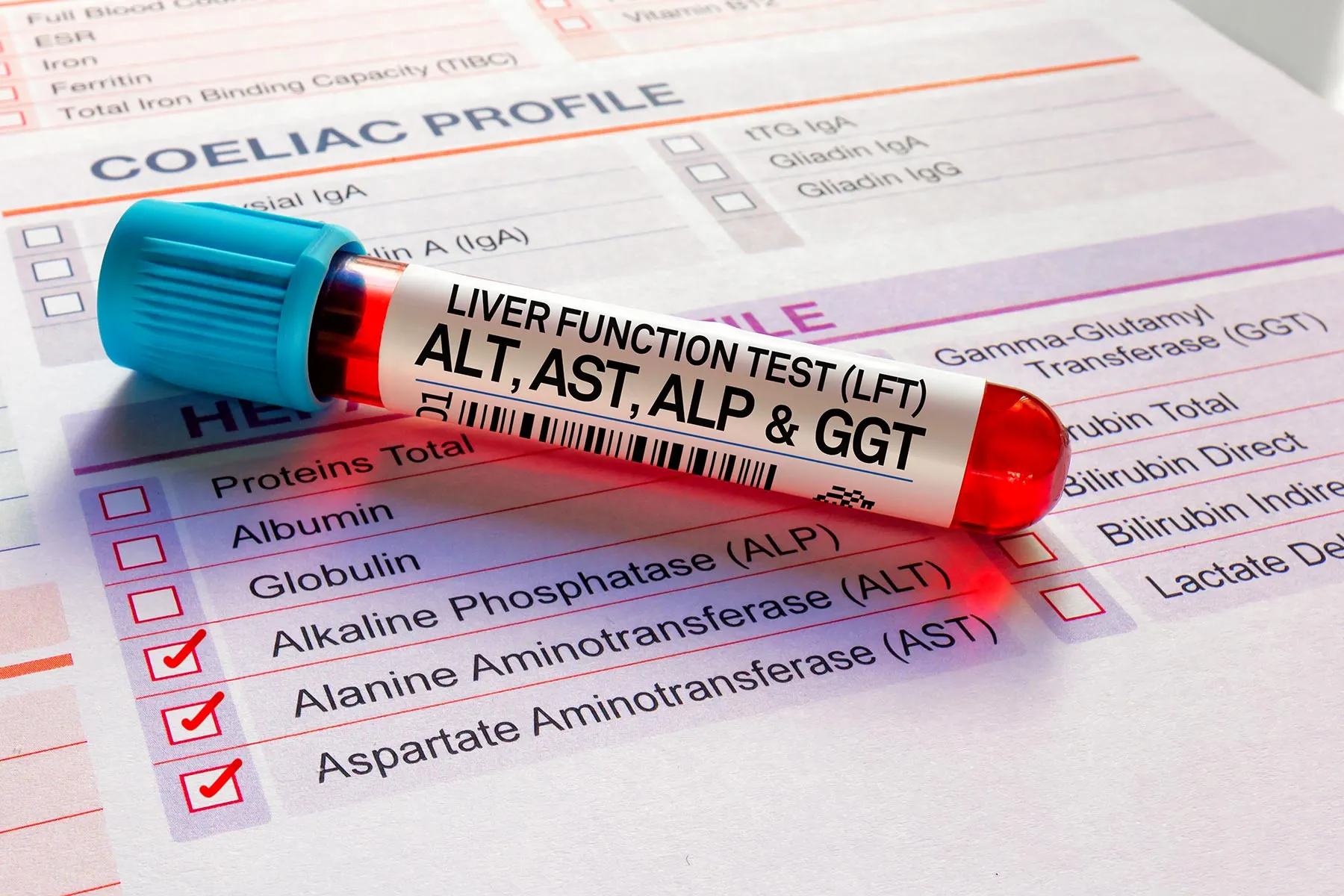
The aspartate aminotransferase test measures the amount of AST enzyme in your blood. AST helps the body process amino acids, the building blocks of proteins. Under normal conditions, only a small amount of AST circulates in the bloodstream. When cells containing AST are injured or inflamed, the enzyme can leak into the blood, making the AST number rise.
AST used to be called SGOT, short for serum glutamic-oxaloacetic transaminase. The name changed because “AST” is shorter, cleaner, and much less likely to make patients wonder whether someone accidentally ordered a spaceship part. Both names refer to the same enzyme test.
Doctors often order AST as part of a liver panel, hepatic function panel, or comprehensive metabolic panel. It is rarely interpreted alone because AST is present in several organs. A high AST result tells your provider that cells somewhere may be irritated or damaged; it does not automatically identify the exact cause.
Why Do Doctors Order an AST Blood Test?
A healthcare provider may order an AST test during routine blood work or when checking symptoms that could suggest liver, muscle, or other tissue injury. Common reasons include fatigue, nausea, abdominal discomfort, yellowing of the skin or eyes, dark urine, unexplained itching, swelling, or a history of abnormal liver tests.
Doctors may also monitor AST in people with known liver disease, metabolic risk factors, heavy alcohol exposure, viral hepatitis, obesity, diabetes, high cholesterol, or medication use that may affect the liver. AST may also be checked when someone has muscle pain, muscle injury, or other conditions where tissue damage is suspected.
In practical terms, AST is like a smoke alarm. It can tell you something might be happening, but it does not tell you whether the smoke is from burnt toast, a candle, or an actual emergency. That is why follow-up testing matters.
AST Normal Range: What Number Is Considered Normal?
AST results are usually reported in units per liter, written as U/L. Normal ranges vary by laboratory, age, sex, testing method, and sometimes the reference population used by the lab. Many adult reference ranges fall roughly around 8 to 33 U/L or 10 to 40 U/L, but your own lab report is the most important guide because it lists the specific range used for your sample.
One person may see an AST of 35 marked normal at one lab and slightly high at another. This does not mean your liver is playing hide-and-seek. It simply means reference ranges differ. Always compare your result with the range printed next to it, and ask your provider how your number fits with your health history.
High AST Levels: What Does Elevated AST Mean?
High AST means the AST level in your blood is above the lab’s reference range. This can happen when cells in the liver, muscles, heart, or other tissues release AST into the bloodstream. Because the liver is a major source of AST, elevated AST often leads doctors to evaluate liver health, but it is not proof of liver disease by itself.
Mild AST elevations are common and may be temporary. According to family medicine guidance, mild asymptomatic elevations of AST and ALT are frequently seen in primary care, and only a smaller portion of people with mild elevations have serious liver disease. Still, persistent or higher elevations should not be ignored.
Common Causes of High AST
Several conditions and situations can raise AST. These include metabolic dysfunction-associated steatotic liver disease, formerly commonly called nonalcoholic fatty liver disease; alcohol-related liver disease; viral hepatitis; medication-related liver injury; cirrhosis; hemochromatosis; autoimmune liver disease; bile duct problems; muscle injury; intense exercise; pancreatitis; and, less commonly, heart-related injury.
Medication and supplement history is especially important. Some prescription medicines, over-the-counter products, herbal supplements, and high-risk combinations can affect liver enzymes. Acetaminophen-related liver injury, for example, can cause marked AST and ALT elevations in serious cases, which is why medication history should be honest and complete.
How High Is “Too High”?
The degree of elevation matters. A borderline or mildly high AST may lead to repeat testing and a review of lifestyle, medications, recent exercise, and other lab values. Moderate elevations usually deserve a more active workup. Very high AST and ALT levels can suggest acute liver cell injury from causes such as viral hepatitis, toxin-related injury, ischemic hepatitis, or autoimmune hepatitis, and should be addressed promptly.
As a general example, an AST just above the upper limit might be handled differently from an AST that is several times higher than normal. The first may call for repeat testing and context. The second may require additional blood tests, imaging, or specialist referral. The third may require urgent evaluation, especially if symptoms are present.
Low AST Levels: Should You Worry?
Low AST levels are usually considered normal and are rarely a medical problem. Many lab reports do not even flag low AST unless the number is unusually below the reference range. In most cases, a low AST does not need treatment and does not suggest liver failure, liver weakness, or anything dramatic enough to deserve scary music.
There are limited situations where low aminotransferase activity may appear in broader clinical discussions, such as certain nutritional issues or chronic health conditions, but for everyday lab interpretation, low AST by itself is typically not clinically significant. The more important concern is usually elevated AST or a changing AST pattern over time.
AST vs. ALT: Why Doctors Compare Them
AST and ALT are both aminotransferase enzymes, but they are not identical twins. ALT is more concentrated in the liver, so it is often considered more liver-specific than AST. AST is found in the liver too, but also in skeletal muscle, heart muscle, kidneys, and other tissues. This is why a provider often looks at AST and ALT together.
If both AST and ALT are elevated, the pattern can help narrow the possibilities. If ALT is higher than AST, certain liver conditions such as metabolic fatty liver disease or viral hepatitis may be considered. If AST is much higher than ALT, alcohol-related liver disease, advanced liver scarring, muscle injury, or other causes may enter the discussion. The AST/ALT ratio is not a diagnosis, but it is a useful clue. Research and clinical references often note that an AST-to-ALT ratio greater than 2 can suggest alcohol-related liver disease in the right context, especially when other tests such as GGT also support that pattern.
Symptoms That May Appear With High AST
High AST itself usually does not cause symptoms. It is a lab finding, not a feeling. However, the condition causing the AST elevation may cause symptoms. Possible warning signs include yellow skin or eyes, dark urine, pale stools, persistent nausea, vomiting, severe fatigue, abdominal pain, swelling in the legs or abdomen, confusion, unexplained bruising, or bleeding.
Some people with elevated AST feel completely normal. This is why abnormal liver enzymes are often discovered during routine checkups, employer wellness screenings, or preoperative blood work. The absence of symptoms is reassuring, but it does not always mean “nothing to see here.” Persistent abnormalities still deserve follow-up.
What Happens After a High AST Result?
If your AST is high, your provider will likely start with context. They may ask about alcohol use, medications, supplements, recent workouts, muscle injury, viral hepatitis risk, family history, weight changes, diabetes, cholesterol, and symptoms. This is not because they are nosy for entertainment. It is because AST has many possible explanations.
Follow-up may include repeating the test, checking ALT, ALP, bilirubin, albumin, platelet count, INR, hepatitis tests, iron studies, autoimmune markers, or imaging such as abdominal ultrasound. Liver specialists often group abnormal tests into patterns: hepatocellular injury, where AST and ALT are more elevated, or cholestatic injury, where alkaline phosphatase is more prominent. That pattern helps guide the next step.
Can Exercise Raise AST?
Yes. Strenuous exercise can raise AST because AST is found in skeletal muscle. A hard workout, long run, heavy weightlifting session, muscle trauma, or even intense physical labor may temporarily affect AST. In those cases, creatine kinase, often called CK, may also be checked to evaluate muscle injury.
This is one reason you should tell your provider if you trained like a superhero the day before your blood draw. Your liver may not be the villain. Your leg day might be.
Can Diet or Lifestyle Affect AST?
AST can be influenced by conditions linked to lifestyle, including fatty liver disease, metabolic syndrome, obesity, insulin resistance, high triglycerides, and alcohol-related liver stress. Improving metabolic health may help normalize liver enzymes in some people, depending on the cause.
Common provider-recommended steps may include reaching a healthier weight, improving blood sugar control, eating more fiber-rich whole foods, reducing sugary drinks, limiting ultra-processed foods, managing cholesterol, staying physically active, and avoiding unnecessary liver stressors. However, the right plan depends on the underlying diagnosis. A person with viral hepatitis needs a different plan from someone with muscle injury or medication-related enzyme elevation.
When Should You Contact a Doctor Quickly?
Contact a healthcare provider promptly if your AST is very high, rising quickly, or paired with symptoms such as jaundice, confusion, severe abdominal pain, repeated vomiting, fainting, black stools, unusual bleeding, or severe weakness. You should also seek timely medical advice if your AST is elevated along with high bilirubin, abnormal clotting tests, or other concerning lab results.
If your AST is mildly elevated and you feel well, it may not be an emergency, but it still deserves a plan. Repeat testing, medical review, and targeted follow-up are better than guessing based on a search result and a racing heartbeat.
How to Read Your AST Result Without Panicking
First, compare your AST number with your lab’s reference range. Second, look at ALT, alkaline phosphatase, bilirubin, albumin, and platelet count if available. Third, think about timing: recent illness, new medication, supplements, alcohol exposure, intense exercise, or muscle injury can matter. Fourth, ask whether the result is new, persistent, or part of a trend.
A single AST result is a snapshot. Trends are the movie. A one-time mild elevation that returns to normal may be less concerning than a persistent upward pattern. Your provider’s job is to interpret the whole picture, not just stare at one number like it owes them money.
Experience-Based Section: What It Feels Like to Get an AST Result Back
Many people first meet the AST test through a routine blood panel. They open the patient portal expecting a boring list of numbers and instead find one value highlighted in red. Suddenly, “AST 48” looks less like a lab result and more like a tiny medical cliffhanger. The first reaction is often worry: Is it my liver? Did I eat something wrong? Should I cancel pizza forever? Is my body sending a strongly worded email?
A common experience is discovering that AST results need context. For example, someone may have a mildly high AST after starting a new workout routine. They may have lifted weights two days before the blood draw, felt sore, and never considered that muscle stress could influence a liver-related-looking test. After talking with a clinician, repeating the test, and checking related markers, the result may normalize. The lesson is not that high AST should be ignored. The lesson is that the body is interconnected, and lab results are better interpreted with a human brain attached.
Another common scenario involves metabolic health. A person may have mildly elevated AST and ALT during a yearly checkup, especially if they also have weight gain, high triglycerides, prediabetes, or high blood pressure. They may feel perfectly fine. That can be confusing because many people expect liver issues to announce themselves with obvious symptoms. In reality, fatty liver disease and metabolic liver stress can be quiet. The AST test may become an early nudge to improve nutrition, movement, sleep, and follow-up care before bigger problems develop.
There is also the medication moment. People often forget to mention over-the-counter pain relievers, supplements, bodybuilding products, herbal teas, or “natural” remedies because they do not think of them as medications. But the liver does not care whether a capsule came from a pharmacy aisle or a wellness influencer with perfect lighting. If AST is high, providers usually want a full list of everything taken regularly or recently. That list can make the difference between confusion and clarity.
For patients with known liver disease, AST testing may feel less like a surprise and more like a progress report. The number can help monitor whether inflammation is improving, worsening, or staying stable. Still, even in monitoring, AST is only one piece of the puzzle. People often learn to ask better questions: What is my ALT doing? What about bilirubin? Are my platelets normal? Do I need imaging? Is this pattern better, worse, or unchanged from last time?
The best real-world habit is to treat AST as a conversation starter, not a final verdict. Bring the lab report, write down medications and supplements, mention recent exercise or illness, and ask what follow-up makes sense. That approach turns panic into a plan. And when it comes to lab results, a plan is much more useful than late-night doom-scrolling with one hand on the mouse and the other hand emotionally clutching your liver.
Conclusion
The Aspartate Aminotransferase test, also called AST or SGOT, is a valuable blood test that helps detect possible liver injury, muscle injury, and other tissue damage. High AST levels can be caused by many conditions, including liver disease, fatty liver, alcohol-related injury, viral hepatitis, medications, supplements, muscle damage, and intense exercise. Low AST levels are usually normal and rarely a reason to worry.
The most important point is simple: AST should not be interpreted alone. Your provider will usually compare it with ALT, bilirubin, alkaline phosphatase, albumin, symptoms, medical history, and trends over time. A mildly high AST may be temporary, but persistent, moderate, or severe elevations deserve medical follow-up. Your liver is hardworking, dramatic only when necessary, and much better understood with the right tests and a calm conversation.














