
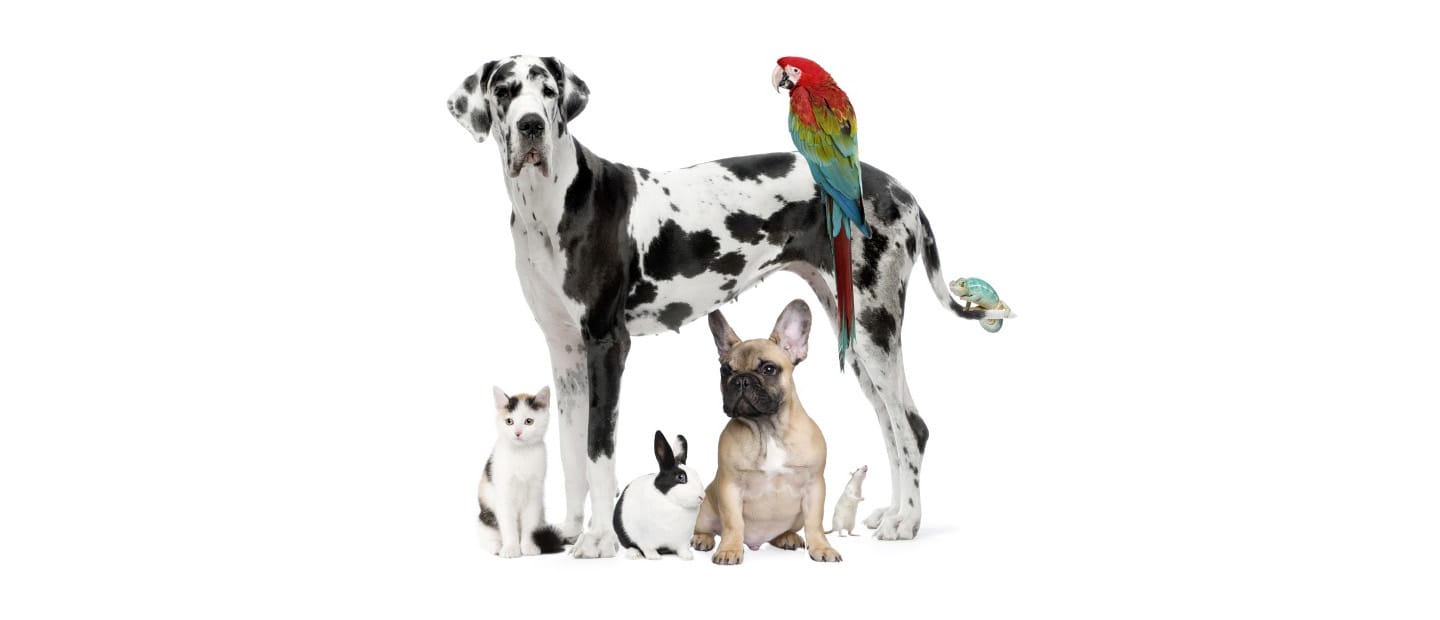
A pet-friendly home is not just a house with a water bowl in the kitchen and a suspicious amount of fur on the sofa. It is a home designed around safety, comfort, cleanliness, movement, and the charming chaos that comes with living with animals who believe every cardboard box is real estate. Whether you share your space with a dog, cat, rabbit, bird, senior pet, puppy, kitten, or a tiny creature with the confidence of a landlord, your home should protect them while still working beautifully for the humans who pay the mortgage.
The good news? You do not need to turn your living room into a luxury pet hotel. Making your home pet friendly is mostly about smart choices: removing hazards, choosing durable materials, creating cozy zones, managing mess, improving indoor air quality, and designing routines that keep everyone sane. The best pet-friendly homes feel natural, stylish, and easy to maintain. They also prevent avoidable emergencies, which is excellent because no one wants to explain to a veterinarian why the dog ate three socks, a crayon, and half a birthday candle.
This guide covers practical, real-world ways to create a safer, cleaner, happier home for pets and people. From toxic plants to pet-safe flooring, from feeding stations to cleaning habits, here is how to build a home where tails wag, whiskers twitch, and your furniture has at least a fighting chance.
Start With Pet-Proofing: Safety Comes First
Before you buy cute beds, designer bowls, or a toy shaped like a tiny emotional-support croissant, start with safety. Pet-proofing means looking at your home from your pet’s point of view. For dogs and cats, that point of view is usually close to the floor, highly curious, and guided by the ancient question: “Can I chew this?”
Secure Dangerous Household Items
Many common household items can harm pets. Human medications, cleaning products, pesticides, laundry pods, batteries, small toys, craft supplies, and cosmetics should be stored in closed cabinets or high shelves. Use childproof locks if your pet is clever, persistent, or has recently learned how doors work. Cats, in particular, are tiny parkour professionals, so “up high” does not always mean “out of reach.”
Keep trash cans covered or inside cabinets. Kitchen trash often contains food scraps, bones, coffee grounds, packaging, and other items that pets should not eat. Bathroom trash can also contain dental floss, cotton swabs, razors, or medication packaging. A pet-safe home is one where curiosity does not lead to an emergency visit.
Hide Electrical Cords and Small Choking Hazards
Electrical cords are tempting chew toys for puppies, kittens, rabbits, and some adult pets who enjoy making terrible decisions. Use cord covers, cable sleeves, furniture placement, or cord management boxes to keep wires out of reach. Unplug chargers when not in use, and avoid leaving earbuds, hair ties, rubber bands, coins, buttons, and small toys on the floor.
Window blind cords are another hidden hazard. Secure them with cord cleats or switch to cordless window treatments. Pets can become tangled while playing or climbing, so this small change can make a major difference.
Remove Toxic Plants and Pet-Dangerous Foods
Houseplants make a room feel alive, but some popular plants are risky for animals. Lilies are especially dangerous to cats, while plants such as sago palm, azalea, tulips, daffodils, oleander, and certain other ornamentals can cause serious problems for pets. Before bringing in a plant, check whether it is safe for your specific animal. “The plant looked innocent” is rarely comforting at midnight.
Pet-safe plant options may include spider plants, some palms, peperomia, and certain ferns, depending on the pet and variety. Still, even non-toxic plants can cause stomach upset if eaten in large amounts. Place plants in stable pots, avoid loose decorative stones, and keep soil covered if your pet treats every planter like an archaeological dig.
Create a No-Pet-Access Food Zone
Several human foods are dangerous for pets, including chocolate, grapes, raisins, onions, garlic, macadamia nuts, alcohol, caffeine, and products containing xylitol. Xylitol, a sweetener found in some sugar-free gum, candies, baked goods, and dental products, is especially dangerous for dogs. Store these items securely, and remind guests not to feed pets from the table.
If you enjoy cooking, keep pets away from the kitchen during meal prep. Hot pans, sharp knives, dropped onions, and eager paws are not a charming combination. A baby gate, mat-training, or a cozy kitchen-adjacent bed can keep pets nearby without letting them supervise from directly under your feet like a furry health inspector.
Choose Pet-Friendly Flooring
Flooring matters because pets bring nails, paws, hair, water, mud, accidents, and enthusiasm. The best pet-friendly flooring is durable, easy to clean, slip-resistant, and comfortable. Luxury vinyl plank, tile, sealed concrete, and certain laminates can work well because they resist moisture and are simpler to clean than many carpets. Hardwood can be beautiful, but it may scratch unless you choose a harder species, protective finish, and regular nail-trimming routine.
Wall-to-wall carpet feels cozy, but it can hold odors, dander, stains, and trapped fur. If you love softness underfoot, use washable rugs or low-pile area rugs with non-slip pads. This gives pets traction while letting you clean or replace rugs more easily. For older dogs or pets with joint problems, traction is not a luxury. Slippery floors can make movement stressful and increase the risk of falls.
Think About Senior Pets
Senior pets need extra support. Add non-slip runners in hallways, use ramps or pet stairs near beds and couches, and choose orthopedic beds for aging joints. Keep food, water, and litter boxes easy to access. A pet-friendly home should grow with your animal, from zoomie-powered youth to wise old couch philosopher.
Pick Furniture and Fabrics That Can Survive Real Life
Pet-friendly furniture does not have to look like it belongs in a veterinary waiting room. The trick is choosing materials that resist scratches, stains, hair, and odors. Performance fabrics, microfiber, leather alternatives, tightly woven textiles, and washable slipcovers are practical choices. Avoid delicate fabrics that snag easily, such as loose weaves, silk, and some velvets, unless your pet has signed a legally binding agreement to behave. Spoiler: they have not.
Use washable throws on favorite pet lounging spots. Choose cushion covers with zippers. Select colors and patterns that camouflage fur between cleanings. If you have a white dog, a black sofa will reveal every nap. If you have a black cat, a cream chair will become a crime scene. Meet your pet halfway.
Protect Walls, Doors, and Trim
Pets can scratch doors, rub against walls, and leave mysterious marks at tail height. Use washable paint in high-traffic areas, especially near entryways, feeding stations, and pet beds. Satin or semi-gloss finishes are easier to wipe than flat paint. Add scratch guards to doors if your dog paws when excited, and provide scratching posts for cats in areas where they already like to stretch and scratch.
Create Dedicated Pet Zones
A pet-friendly home gives animals places that belong to them. Pets feel more secure when they know where to sleep, eat, play, and retreat. Create a calm sleeping zone away from heavy foot traffic. Use washable bedding, soft blankets, and a location that fits your pet’s personality. Some pets like a quiet corner. Others prefer a command center with a full view of the room, because apparently someone must monitor the humans.
For dogs, a crate or bed can serve as a safe den when introduced positively. For cats, vertical space is essential. Cat trees, window perches, shelves, and hideaways allow cats to climb, observe, and escape household chaos. For small animals, birds, or reptiles, place enclosures away from drafts, direct harsh sunlight, smoke, loud speakers, and areas where other pets can harass them.
Design a Feeding Station
A smart feeding station keeps mess contained. Place bowls on a washable mat, choose non-tip bowls, and keep food storage sealed. Airtight containers help preserve freshness and discourage insects or rodents. Keep water bowls accessible in more than one place, especially in larger homes or for senior pets.
If your dog eats too fast, consider a slow feeder or puzzle feeder. If your cat prefers privacy, place food and water away from the litter box and away from loud appliances. Pets may not read design magazines, but they absolutely have opinions.
Make Cleaning Easier, Not Endless
Living with pets means cleaning. Not constant panic-cleaning, but regular, simple routines that prevent your home from smelling like a kennel with throw pillows. Use a vacuum designed for pet hair, wash pet bedding often, clean bowls daily, and wipe paws after muddy walks. Keep a “pet cleanup kit” near the entryway with towels, pet-safe wipes, waste bags, stain remover, and a brush.
Choose cleaning products carefully. Strong disinfectants, bleach, ammonia, phenols, essential oils, and heavily scented products can be risky for pets, especially cats and birds. Keep pets out of the area while cleaning, follow label directions, rinse surfaces when needed, and allow floors to dry before pets walk across them. Wet floors can be slippery, and residue can end up on paws, then in mouths during grooming.
Control Odors the Smart Way
Odor control starts with cleaning the source, not covering it with fragrance. Wash bedding, scoop litter boxes daily, clean accidents with enzyme cleaners, and improve ventilation. Air fresheners may smell pleasant to humans, but strong scents can overwhelm animals. A clean home should smell like fresh air, not like a lavender candle fighting a wet dog and losing.
Improve Indoor Air Quality
Pet hair and dander can affect indoor air quality, especially for people with allergies or asthma. Vacuum regularly with a quality filter, dust with a damp cloth, wash bedding, and replace HVAC filters as recommended. If allergies are an issue, consider using allergen-resistant mattress and pillow covers, keeping pets out of certain bedrooms, and washing human bedding frequently.
Good ventilation helps reduce indoor pollutants. Open windows when weather and outdoor air quality allow, use exhaust fans, and avoid smoking or vaping indoors. If you use an air purifier, choose one sized for the room and maintain it properly. A dusty, neglected purifier is just a very expensive plastic decoration.
Make Entryways Mud-Proof and Paw-Friendly
The entryway is where the outside world tries to move into your house one pawprint at a time. Set up a practical landing zone near the door. Use a washable rug, hooks for leashes, a bin for toys, and towels for wet paws. If you have the space and budget, a mudroom dog wash station can be a dream feature. If not, a handheld shower attachment, absorbent towels, and a sturdy mat can still do wonders.
Store leashes, harnesses, poop bags, grooming tools, and outdoor gear in one place. This prevents the classic pre-walk treasure hunt, where the dog is vibrating with joy and the human is asking, “Where did I put the leash?” for the fourth time this week.
Secure Outdoor Spaces
A pet-friendly yard should be secure, shaded, and free from obvious hazards. Check fences for gaps, loose boards, sharp edges, or diggable spots. Make sure gates latch properly. Remove toxic plants, keep lawn chemicals and fertilizers stored safely, and provide fresh water and shade during warm weather.
Never assume a fence is escape-proof simply because it looks tall. Some dogs dig. Some jump. Some calculate. Cats may climb or squeeze through tiny openings with liquid-level determination. Supervise outdoor time until you understand your pet’s habits.
Build Enrichment Into the Yard
Pets need stimulation. Dogs may enjoy a digging area, shaded rest spot, or safe obstacle course. Cats can benefit from a secure catio that lets them enjoy fresh air without roaming. Even a window perch overlooking birds or squirrels can provide daily entertainment. Think of enrichment as mental exercise. A bored pet is often a creative pet, and “creative” sometimes means “I redesigned your blinds.”
Plan for Emergencies
A truly pet-friendly home includes emergency planning. Keep your veterinarian’s number, an emergency vet clinic number, and animal poison control information easy to find. Store a pet first-aid kit with gauze, bandage material, tweezers, saline rinse, gloves, and any pet-specific medications your veterinarian recommends.
Make sure pets have identification. Microchips, ID tags, and updated contact information help lost pets get home faster. Keep carriers accessible for cats and small animals. For dogs, keep a leash near exits in case you need to leave quickly. If your area faces storms, floods, fires, or power outages, prepare a pet emergency bag with food, water, medications, vaccination records, waste bags, litter, and comfort items.
Train the Home and the Pet
Design helps, but training completes the system. Teach pets where to sleep, where to eat, what not to chew, and how to settle. Reward calm behavior. Redirect scratching to approved surfaces. Give dogs chew toys before they discover chair legs. Give cats scratching posts before they turn your sofa into modern art.
Use baby gates, closed doors, and playpens as management tools, not punishments. A young pet cannot be expected to make perfect choices in a house full of shoes, cords, crumbs, and forbidden mysteries. Set them up to succeed, then celebrate progress. Quietly. Unless you want to restart the zoomies.
Balance Style With Practicality
A pet-friendly home can still be beautiful. Built-in feeding drawers, attractive storage baskets, washable rugs, stylish gates, hidden litter furniture, and coordinated pet beds can blend into your decor. The goal is not to hide your pet’s existence. The goal is to create a home where pet items look intentional instead of scattered like evidence after a toy explosion.
Choose materials that match your lifestyle. If your dog swims daily, prioritize washable surfaces. If your cat sheds like a magical sweater machine, choose fabrics that release hair easily. If your pet is nervous, design quiet retreats. If your pet is social, place beds in family areas. The best design responds to the animal you actually have, not the perfectly behaved imaginary pet from a catalog.
Conclusion: A Pet-Friendly Home Is a Happier Home
Making your home pet friendly is not about perfection. It is about prevention, comfort, and thoughtful design. Start by removing hazards, securing toxins, and choosing pet-safe plants. Then upgrade daily life with durable flooring, washable fabrics, cozy resting areas, safe feeding stations, cleaner air, and easy routines. Add training, emergency planning, and a little humor, because pets have a special talent for reminding us that life is better when it is slightly covered in fur.
A pet-friendly home protects your animals, reduces stress, and makes everyday living easier. It also helps your home stay cleaner, safer, and more organized. Most importantly, it creates a space where pets can relax, play, sleep, explore, and be part of the family without turning the house into a hazard course. The result is a home that works for everyone: two-legged, four-legged, feathered, whiskered, or otherwise suspiciously interested in your snacks.
Real-Life Experience: What Actually Works in a Pet-Friendly Home
One of the biggest lessons from living with pets is that the best systems are the ones you can maintain on a normal Tuesday. Fancy solutions are fun, but simple routines usually win. For example, placing a washable mat under food and water bowls sounds almost too basic, yet it saves floors from splash zones and mystery crumbs. Keeping a towel by the door turns muddy walks from a full-house disaster into a thirty-second cleanup. A basket near the sofa for toys makes the living room feel organized, even if your dog immediately removes every toy because apparently minimalism is offensive.
Another practical experience: pets use the spaces they like, not always the spaces you planned. You may buy a beautiful bed, place it in a tasteful corner, and watch your cat choose the delivery box it came in. Instead of fighting this, observe your pet’s habits. If your dog always naps where sunlight hits the floor, put a bed there. If your cat watches birds from one window, add a perch. If your senior pet avoids stairs, create a comfortable downstairs station with water, bedding, and easy access to the yard or litter box.
Cleaning also becomes easier when you stop pretending mess will not happen. Pets shed, drool, scratch, track dirt, and occasionally make decisions that feel deeply personal. Washable throws are lifesavers. Low-pile rugs are easier to vacuum. Enzyme cleaners are better for accidents than regular sprays because they target odor at the source. A weekly reset helps too: wash bedding, vacuum favorite lounging areas, clean bowls, check toys for damage, and restock waste bags. It is not glamorous, but neither is stepping barefoot on a half-chewed treat at 6 a.m.
Storage makes a surprising difference. A dedicated pet drawer or cabinet keeps medications, grooming tools, nail clippers, treats, and records in one place. This is especially helpful during stressful moments, like when a pet needs medicine or when you are rushing to a vet appointment. Keep emergency numbers visible, and save them in your phone. When something goes wrong, you do not want to search through old emails while your pet looks at you like they definitely did not eat the thing they absolutely ate.
Finally, the most pet-friendly homes are flexible. Puppies become adults. Adult pets become seniors. Cats change favorite spots. Dogs develop new fears or habits. A home that adapts will always work better than one built around a single stage of life. Add ramps when jumping gets harder. Move bowls when bending becomes uncomfortable. Add traction when floors feel slippery. Replace worn toys before they become choking hazards. Pet-friendly living is not one big makeover; it is a series of thoughtful adjustments. Done well, those adjustments create a home that feels safer, calmer, cleaner, and full of personalitythe kind of home where humans relax, pets thrive, and the sofa may survive with only moderate emotional damage.













