
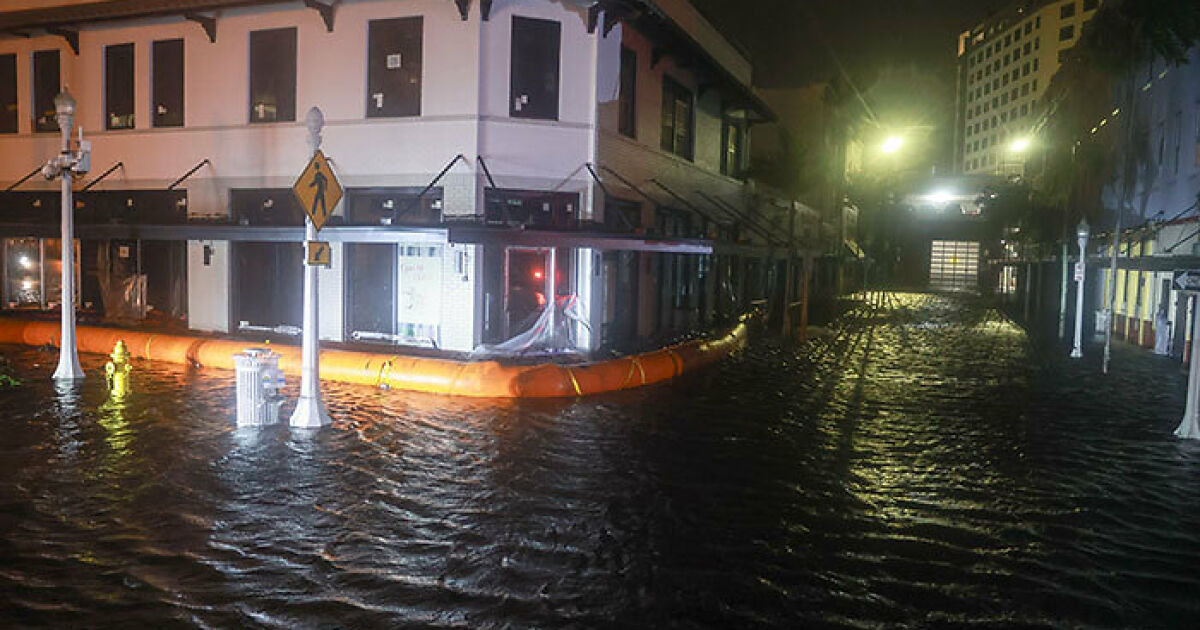
Florida underwater is the kind of phrase that sounds like it belongs in a disaster movie trailer, right between the ominous drumbeat and the shot of a mailbox floating past a confused pelican. But for many residents in flood-prone parts of South Florida, that phrase has felt less like internet exaggeration and more like Tuesday afternoon.
Recent storm footage from Florida has shown streets transformed into brown canals, cars stalled like sad little submarines, and entire suburban blocks appearing to vanish beneath fast-rising water. The scenes are dramatic, frightening, and easy to describe as a “monster storm swallowing entire suburbs.” Still, the real story is more complex than a viral headline. Florida is not literally underwater, but parts of the state can flood with astonishing speed when tropical moisture, slow-moving storms, high tides, saturated ground, and overwhelmed drainage systems all decide to show up to the same chaotic pool party.
The latest wave of attention echoes what happened during major South Florida flooding events, including the June 2024 deluge that inundated neighborhoods across Miami-Dade, Broward, Collier, Lee, and Sarasota counties. Some areas recorded more than a foot of rain, while places such as North Miami, Hollywood, and parts of Collier County saw totals that made normal storm drains look like they were trying to drink from a fire hose.
That is why footage of Florida flooding hits so hard. It does not always show a hurricane making landfall with roaring winds. Sometimes the scariest storm is the one that simply parks overhead and keeps pouring.
What Happened: When Rain Turned Suburbs Into Rivers
The phrase “monster storm” often makes people picture a classic hurricane: a giant eye on radar, palm trees bent sideways, and someone on television bravely reporting from a beach where no one should be standing. Yet Florida’s worst flooding scenes can come from messy, disorganized tropical systems that never become headline-grabbing hurricanes.
During severe South Florida flood events, storms have pulled deep tropical moisture over the peninsula and produced repeated rounds of heavy rainfall. In simple terms, the atmosphere behaves like a broken sprinkler system above a very flat neighborhood. When the rain falls faster than the ground, canals, storm drains, and pump systems can move it away, streets become storage tanks. Unfortunately, the “storage tank” is often someone’s commute, driveway, or living room.
Videos shared by residents and local news outlets have shown cars abandoned in flooded intersections, people wading through knee-deep water, and neighborhoods where lawns, sidewalks, and roads blur into one wide, reflective sheet. In Hollywood, Hallandale Beach, North Miami, Fort Lauderdale, Miami Beach, Naples, and other low-lying communities, water has repeatedly turned everyday suburban scenes into surreal images: trash bins drifting like tiny boats, emergency vehicles navigating waterlogged roads, and residents checking vehicles with the expression of someone opening the fridge after a power outage.
Why Florida Floods So Fast
Florida’s flood risk is not a mystery. The state is low, flat, coastal, and heavily developed. Add intense rainfall, and the water has limited places to go. In parts of South Florida, even a few inches of rain in a short period can overwhelm drainage. When rainfall totals climb into double digits, the system can become overloaded quickly.
1. Flat Land Gives Water No Urgency
In mountainous places, rainwater rushes downhill. In much of Florida, the water looks around and says, “Downhill? Never heard of her.” Because elevation changes are small, floodwater can spread widely and linger. That is why suburban streets can fill quickly even when the storm itself does not look especially organized on radar.
2. Urban Development Creates More Runoff
Suburbs are comfortable for humans but not always friendly to rainwater. Roofs, parking lots, highways, driveways, and shopping centers create hard surfaces that prevent water from soaking into the ground. Instead, rainfall runs into drains, canals, retention ponds, and streets. When too much water arrives too quickly, drainage systems can fall behind.
3. Tropical Moisture Can Produce Extreme Rainfall
Florida sits between the Gulf of Mexico and the Atlantic Ocean, two warm bodies of water that can feed storms with moisture. In tropical setups, thunderstorms may repeatedly form over the same area. Meteorologists call this “training,” because storms move over the same neighborhoods like train cars on a track. Residents call it “why is my driveway a lagoon?”
4. High Tides and Storm Surge Can Block Drainage
Coastal flooding is not only about rain falling from the sky. When tides are high or storm surge pushes seawater inland, drainage canals and outfalls can struggle to release stormwater. In some communities, water may back up into streets. This is why coastal flood planning matters even when the main hazard appears to be rain.
The Terrifying Footage: Why It Feels Like Entire Suburbs Are Being Swallowed
Footage of flooded Florida suburbs is powerful because it captures how quickly ordinary places can become dangerous. A quiet residential block can look normal in the morning and resemble a canal by afternoon. A road that seems passable from a distance may hide a stalled car, a submerged curb, or a washed-out section beneath the surface.
Videos often show people driving through water, but emergency officials repeatedly warn against doing so. Floodwater is deceptive. It can be deeper than it looks, moving faster than expected, and contaminated with fuel, sewage, debris, or hidden electrical hazards. Even shallow-looking water can disable a vehicle. Once a car stalls, the driver is stuck in exactly the place no one wants to be: inside a metal box surrounded by rising water.
The most viral clips tend to focus on the dramatic visuals: floating patio furniture, roads turned into rivers, or cars with water up to the doors. But behind each video is a practical crisis. Parents have to pick up children from school. Workers need to get home. Elderly residents may need medication. Businesses lose inventory. Families wonder whether insurance will cover the damage. The camera captures the flood; the recovery lasts much longer.
South Florida’s Recent Flooding: A Warning Shot, Not a One-Off
South Florida’s June 2024 flooding became a major example of how a non-hurricane system can still create a major emergency. The storm dumped extreme rain across heavily populated areas, prompting emergency declarations, road closures, flight disruptions, rail interruptions, and widespread reports of flooded homes and stranded vehicles.
Some areas reported rainfall totals above 20 inches during the event. Fort Lauderdale, Miami, North Miami, Hollywood, Hallandale Beach, Miami Beach, Naples, and surrounding communities saw intense impacts. Fort Lauderdale-Hollywood International Airport experienced major delays and cancellations, while streets near residential neighborhoods became impassable. In places where water rose quickly, residents had little time to do anything except move vehicles, lift belongings, and hope the next band of rain would miss them.
The lesson is blunt: Florida does not need a Category 4 hurricane to flood. Sometimes it only needs a slow-moving tropical rain machine and a drainage system that has reached its limit.
Is Climate Change Making Florida Flooding Worse?
Flooding is not new in Florida. Hurricanes, tropical storms, king tides, and summer downpours have always been part of life in the Sunshine State. But scientists have warned that a warmer atmosphere can hold more moisture, which can increase the potential for heavier rainfall. Sea level rise can also worsen coastal flooding and make it harder for stormwater to drain in low-lying communities.
That does not mean every flood is “caused” by climate change in a simple one-sentence way. Weather is complicated, and Florida weather sometimes behaves like it was assembled by a committee of thunderclouds with poor communication skills. But the broader risk is clear: heavier downpours, rising seas, and rapid development make flood planning more urgent.
For homeowners, city planners, insurers, and emergency managers, the question is no longer whether flooding can happen. It is how often, how severe, and how ready communities will be when the next storm stalls overhead.
How Flooding Impacts Florida Families
The most visible damage from Florida flooding is usually cars. Flooded vehicles are everywhere in storm footage because roads fill first and drivers often underestimate the danger. But the deeper cost is inside homes and businesses.
Floodwater can damage drywall, flooring, furniture, appliances, electrical systems, and personal belongings. Even after water recedes, moisture can remain behind walls and under floors. That creates mold risk, especially in Florida’s warm climate. Cleanup is not as simple as opening a window and saying, “Well, that was unpleasant.” Flood recovery can require drying equipment, protective gear, discarded materials, insurance claims, contractor visits, and patience measured in weeks or months.
Small businesses may lose inventory, equipment, and customer traffic. Restaurants can face food spoilage. Medical offices may need repairs before reopening. Schools, airports, public transit, and government buildings can be disrupted. Flooding is not only a weather event; it is an economic event, a transportation event, a housing event, and, for many families, a very stressful emotional event.
What Residents Should Do Before the Next Monster Storm
Florida residents cannot stop tropical rain from falling, but preparation can reduce damage and danger. The best time to prepare is before water is already licking the tires in the driveway.
Know Your Flood Risk
Residents should know whether they live in a flood zone, evacuation zone, or low-lying area with a history of drainage problems. Flood maps, county emergency management websites, and local alerts can help identify risk. It is also smart to pay attention to neighborhood history. If the same intersection floods every summer, believe the intersection. It has receipts.
Build a Practical Storm Kit
A good storm kit should include drinking water, nonperishable food, flashlights, batteries, phone chargers, medications, basic first-aid supplies, important documents, pet supplies, and cleaning materials. Families should also have a communication plan in case cell service becomes unreliable.
Move Cars and Valuables Early
If heavy rainfall is forecast and your street floods easily, move vehicles to higher ground before the worst rain arrives. Inside the home, lift valuables, electronics, documents, and sentimental items off the floor. Nobody wants to explain to a soggy wedding album that it should have been stored on a higher shelf.
Never Drive Through Floodwater
This is the big one. Do not drive through flooded roads. Do not walk through moving water. Do not go around barricades. Floodwater can hide hazards and change depth quickly. Emergency officials use the phrase “Turn Around, Don’t Drown” because it is short, memorable, and unfortunately necessary every storm season.
What Florida Cities Can Learn From These Floods
Florida’s flood problem is not only an individual preparedness issue. Cities and counties also need stronger drainage systems, updated stormwater infrastructure, better pump capacity, clearer alerts, improved road closure communication, and smarter development planning.
Many communities already use pump stations, retention ponds, canals, and flood-control structures. But extreme rainfall can expose weak spots. A drainage system designed for yesterday’s rainfall patterns may struggle with tomorrow’s storms. That is why local governments are investing in resiliency projects, elevating roads, improving seawalls, upgrading pumps, and redesigning public spaces to hold or redirect water.
Nature-based solutions can help too. Wetlands, mangroves, permeable surfaces, green spaces, and restored waterways can absorb and slow floodwater. Concrete alone cannot solve every problem. Sometimes the best flood-control engineer is a marsh that has been doing the job quietly for centuries.
Insurance, Recovery, and the Painful Fine Print
One of the hardest lessons after flooding is that standard homeowners insurance often does not cover flood damage. Many residents need separate flood insurance through the National Flood Insurance Program or private insurers. The time to review coverage is before storm season, not while standing in the hallway wondering whether the carpet always made that squishing sound.
After a flood, residents should document damage with photos and videos, contact insurers quickly, avoid unsafe electrical areas, and follow public health guidance during cleanup. If floodwater entered the home, drying should begin as soon as safely possible to reduce mold risk. Items contaminated by floodwater may need to be discarded, especially porous materials that cannot be cleaned properly.
Recovery is frustrating, but careful documentation can make a major difference. Keep receipts for cleanup supplies, temporary lodging, repairs, towing, and professional services. The paperwork may not feel heroic, but after a flood, paperwork can be the life raft.
Why the “Florida Underwater” Headline Resonates
People click on storm footage because it is dramatic. But they share it because it feels personal. Millions of Americans live in places where “once-in-a-lifetime” weather seems to show up suspiciously often. Florida’s flooded suburbs are not just a local story; they are a preview of the kind of urban flood risk facing coastal and low-lying communities across the country.
The headline “Florida Underwater As Terrifying Footage Shows Monster Storm Swallowing Entire Suburbs” may sound intense, but it captures a real anxiety: modern neighborhoods can be overwhelmed fast. The water does not care whether the subdivision is new, whether the lawn was freshly mowed, or whether the SUV still has that new-car smell. When the rain rate beats the drainage rate, the suburb becomes part of the watershed.
Experience Section: What It Feels Like When a Florida Neighborhood Floods
Anyone who has lived through a sudden Florida flood knows the experience is strange because it begins so normally. The sky darkens. The rain starts. At first, it is just another afternoon storm, the kind Floridians treat with casual confidence. People keep grocery shopping. Dogs refuse to go outside. Someone says, “It’ll pass in twenty minutes,” because that is what storms usually do.
Then the sound changes. Rain stops sounding like weather and starts sounding like gravel being poured on the roof. Gutters overflow. The street begins to shine. Water gathers at the curb, then creeps across the road, then reaches the driveway. A neighbor steps outside, looks left, looks right, and gives the universal facial expression for “that’s not good.”
The first real worry is usually the car. People rush outside to move vehicles before the water reaches the doors. Some succeed. Others discover that the street is already too deep. A stalled engine becomes a very expensive lesson in hydrology. Meanwhile, phones buzz with weather alerts, school messages, road closures, and family group chats where at least one uncle insists he has “driven through worse.” Do not listen to that uncle.
Inside the house, the mood shifts from annoyance to action. Towels go by doors. Important papers move to counters. Chargers, laptops, and photo albums get lifted onto beds or shelves. If water enters the home, the sound is unforgettable: a quiet, creeping, unwelcome arrival. It does not burst in like the movies. It seeps, spreads, and claims the lowest places first.
After the rain slows, the neighborhood becomes oddly quiet. People come outside in sandals, boots, or whatever footwear survived the scramble. Everyone compares water lines. Someone checks on an elderly neighbor. Someone else photographs damage for insurance. Kids may see adventure; adults see invoices. The smell of wet drywall, soaked carpet, and muddy runoff hangs in the air.
The next day is harder than the storm in some ways. The sky may be blue, almost rude in its cheerfulness, while the cleanup begins. Fans run. Dehumidifiers hum. Damaged furniture sits by the curb. Cars get towed. Insurance calls begin. Residents learn new phrases like “water intrusion,” “claim number,” and “mitigation company.” Nobody enjoys this vocabulary.
But these floods also reveal community strength. Neighbors share pumps, extension cords, bottled water, and advice. Local crews clear drains and reopen roads. First responders check flooded areas. Volunteers help carry ruined belongings out of homes. In the middle of the mess, people become less like strangers who wave from driveways and more like a team trying to beat the waterline together.
That is the experience behind the viral footage. It is not only dramatic video. It is the sudden realization that weather can rearrange a normal day in minutes, and that preparation is not paranoia. In Florida, being ready for flooding is simply part of respecting the water.
Conclusion: Florida’s Flood Future Demands Attention, Not Panic
The frightening footage of Florida suburbs swallowed by floodwater should not be dismissed as internet drama. It shows a real and growing challenge for communities across the state. Extreme rainfall, low elevation, coastal tides, aging infrastructure, and rapid development can combine to create dangerous flooding even without a major hurricane.
The good news is that preparation works. Residents can learn their flood risk, build emergency kits, avoid flooded roads, move valuables early, and review insurance coverage. Cities can invest in stronger drainage, smarter development, pump upgrades, flood alerts, and natural flood buffers. Florida cannot stop storms from coming, but it can reduce the damage when they arrive.
So yes, the footage may look like a monster storm swallowing entire suburbs. But the most important takeaway is not fear. It is readiness. In a state surrounded by warm water and famous for sudden storms, the smartest response is simple: respect the forecast, protect your home, avoid flooded roads, and never underestimate what a slow-moving rainstorm can do.













