
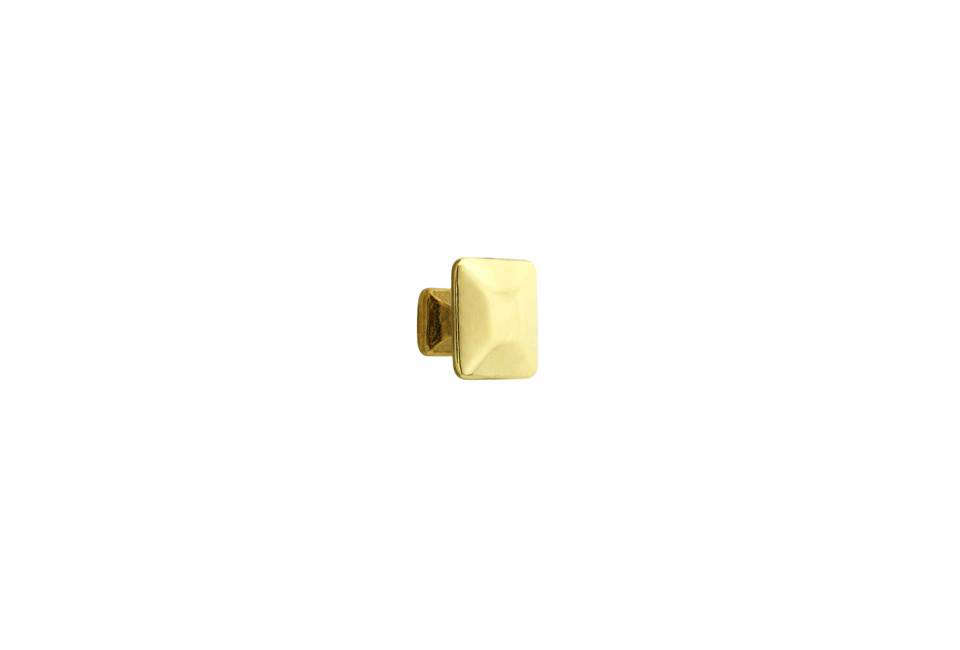
A pyramid style cabinet knob is proof that tiny design decisions can walk into a room wearing boots. It is small, square, usually raised to a gentle peak, and surprisingly confident for something that spends its life being grabbed by snack-seeking humans. Whether you are refreshing a kitchen, restoring a Craftsman cabinet, upgrading a bathroom vanity, or giving a tired dresser a “please stop looking like college furniture” makeover, pyramid cabinet knobs offer one of the easiest ways to add structure, texture, and old-school charm.
The beauty of this knob style is its balance. It has the clean geometry loved by modern design fans, the historical character associated with Mission and Arts and Crafts interiors, and the everyday practicality required by busy homes. In other words, it looks handsome, works hard, and does not demand a renovation budget that makes your wallet hide under the sofa.
What Is a Pyramid Style Cabinet Knob?
A pyramid style cabinet knob is typically a square cabinet knob with a raised, faceted top that slopes upward toward a center point. Instead of being round, oval, mushroom-shaped, or bar-like, it has a crisp architectural form. The shape resembles a low pyramid, which is where the name comes from. Most designs are simple and symmetrical, although some versions include beveled edges, hammered textures, decorative backplates, or antique-inspired detailing.
This cabinet hardware style is commonly used on kitchen cabinets, bathroom vanities, built-ins, hutches, dressers, nightstands, linen cabinets, and furniture restorations. It is especially popular in Craftsman, Mission, farmhouse, rustic, transitional, industrial, and vintage-inspired spaces. However, do not trap it in a historical display case. A matte black pyramid knob on flat-panel cabinets can look strikingly modern, while brushed brass pyramid knobs on painted Shaker cabinets can feel warm, current, and elegant.
Why Pyramid Cabinet Knobs Are So Popular
They Add Shape Without Visual Clutter
Cabinet hardware is often called the jewelry of cabinetry, which sounds dramatic until you replace basic knobs and suddenly your cabinets look like they booked a design consultation. Pyramid style cabinet knobs add dimension, but their square footprint keeps them disciplined. They create a noticeable detail without turning your kitchen into a hardware showroom.
Because the raised center catches light, the knob can make plain cabinet doors feel more layered. On painted cabinets, the shape creates a crisp contrast. On stained wood, it adds a handcrafted accent. On furniture, it can make a thrift-store find look intentionally curated rather than accidentally inherited.
They Work With Many Cabinet Styles
Pyramid knobs are flexible because they sit between decorative and minimal. They are more interesting than a plain round knob, but less ornate than a floral, glass, or filigree design. That middle ground makes them useful in many interiors.
On Shaker cabinets, pyramid knobs echo the straight lines of the rails and stiles. On slab cabinets, they bring a touch of geometry and texture. On beadboard or inset cabinetry, they reinforce a classic, custom look. On old furniture, they can feel period-appropriate without looking dusty or theatrical.
They Are Easy to Install
Most pyramid cabinet knobs install with a single screw, just like standard knobs. That makes them a friendly weekend project even for people whose relationship with tools can best be described as “cautiously optimistic.” If your existing cabinet doors already have one-hole knobs, replacing them is usually as simple as removing the old hardware, inserting the new screw from the back, and tightening the knob by hand or with a screwdriver.
The only detail to watch is orientation. Because pyramid knobs are square, they need to sit straight. A crooked round knob is almost invisible. A crooked square knob, however, will announce itself from across the room like it has breaking news. Tighten carefully, step back, and adjust before the final snug turn.
Common Materials for Pyramid Style Cabinet Knobs
Solid Brass
Solid brass is a premium choice for pyramid cabinet knobs. It feels substantial, ages beautifully, and is often used in traditional, vintage, and high-end hardware. Unlacquered brass develops a natural patina over time, which many homeowners love because it gives the hardware a lived-in, collected look. Lacquered brass keeps its finish more consistent and requires less polishing.
Brass pyramid knobs are especially attractive on white, cream, navy, forest green, black, and natural wood cabinets. They bring warmth without shouting. Think of brass as the hardware equivalent of good lighting: flattering, useful, and occasionally responsible for making everyone look more expensive.
Zinc Alloy
Zinc alloy is widely used for affordable cabinet knobs. It can be cast into detailed shapes, finished in many colors, and sold at budget-friendly prices. Many mass-market pyramid knobs are made from zinc alloy with finishes such as satin nickel, matte black, oil-rubbed bronze, polished chrome, or brushed brass.
For most residential projects, zinc knobs can perform well, especially in low- to moderate-use areas. In a heavily used kitchen, look for quality plating, smooth edges, and a finish that feels durable rather than thin or plasticky.
Bronze and Cast Metal
Bronze, cast brass, and heavier antique-style metals are popular for Mission, Arts and Crafts, Tudor, and rustic interiors. These knobs often have deeper finishes such as oil-rubbed bronze, antique copper, aged brass, or blackened bronze. The result feels grounded and historic.
If your home has quarter-sawn oak, exposed beams, stained wood trim, stone, leather, or hand-forged-looking accents, a dark pyramid knob can look right at home. It brings that “built to last” feeling without requiring you to personally build a bungalow in 1912.
Glass, Ceramic, and Specialty Materials
Although most pyramid knobs are metal, some decorative versions appear in glass, ceramic, crystal, or resin. These can work well on furniture, powder rooms, or accent cabinets. A clear glass pyramid knob can feel vintage and light-catching, while a ceramic version can soften the geometry with color or pattern.
For kitchens and high-touch bathrooms, metal is usually the safer and more durable choice. Specialty materials are best when you want personality more than rugged performance.
Best Finishes for Pyramid Cabinet Knobs
Matte Black
Matte black pyramid cabinet knobs are bold, clean, and versatile. They look sharp on white Shaker cabinets, warm wood, sage green, greige, and even deep blue. Matte black also pairs nicely with industrial lighting, black faucets, steel windows, and simple modern interiors.
The main advantage is contrast. If your cabinets feel flat or too sweet, black hardware adds definition. The main caution is maintenance: matte finishes can show dust, grease, and fingerprints, especially near cooking zones. A soft cloth and mild soap are usually enough to keep them looking good.
Oil-Rubbed Bronze
Oil-rubbed bronze is a classic finish for pyramid knobs. It usually appears dark brown to nearly black, sometimes with coppery highlights along edges. This finish works beautifully in Craftsman, farmhouse, rustic, lodge, and traditional kitchens.
Because pyramid knobs have raised facets, oil-rubbed bronze can emphasize the edges and shape. It gives the knob depth and a slightly aged character, as if it has stories to tell but is polite enough not to interrupt dinner.
Brushed Brass and Satin Brass
Brushed brass and satin brass finishes are popular because they feel warm but not flashy. They are less mirror-like than polished brass and easier to blend with many interiors. On pyramid knobs, brass highlights the faceted shape and adds a refined glow.
Use brass pyramid knobs when you want warmth against painted cabinetry. They are especially effective with white, ivory, taupe, charcoal, navy, olive, walnut, and oak. If your room already includes brass lighting or a brass faucet, matching or coordinating the cabinet knobs can create a cohesive look.
Satin Nickel and Brushed Nickel
Satin nickel and brushed nickel are practical, subtle, and familiar. They work well in transitional kitchens, bathrooms, laundry rooms, and rental-friendly updates. These finishes are cooler than brass and softer than chrome, making them easy to use with stainless steel appliances.
A satin nickel pyramid knob can be a smart choice if you want the shape to do the talking while the finish stays quiet. It is also a safe option for resale-minded updates because it rarely feels too trendy.
Polished Chrome
Polished chrome is bright, reflective, and clean. It works especially well in bathrooms and modern kitchens. On a pyramid knob, chrome creates crisp highlights along the slopes and edges. The look can be sleek, but it may show fingerprints more readily than brushed finishes.
Choose chrome when you want a sharper, more contemporary feel or when your room already includes chrome faucets, shower fixtures, or lighting details.
Where to Use Pyramid Style Cabinet Knobs
Kitchen Cabinets
Pyramid cabinet knobs are excellent for kitchen cabinet doors. They provide enough grip for daily use and add visual rhythm across a wall of cabinetry. On upper cabinets, they can be placed near the lower corner opposite the hinge. On lower cabinets, they are usually placed near the upper corner opposite the hinge. This keeps them easy to reach and visually consistent.
For drawers, pyramid knobs work best on smaller drawer fronts. On wide drawers, two knobs can be used, but many designers prefer a pull for better leverage. A good rule of thumb is simple: use knobs where the drawer is light, and use pulls where the drawer is large enough to contain frying pans, mystery lids, and that one kitchen tool nobody remembers buying.
Bathroom Vanities
Bathroom vanities are perfect candidates for pyramid knobs. The shape adds polish without taking up much space, and the hardware can coordinate with faucets, towel bars, mirrors, and lighting. In a small powder room, a bold finish such as aged brass or matte black can make the vanity feel more intentional.
Because bathrooms involve moisture, choose a finish that is easy to clean and suited for humid spaces. Wipe water spots promptly, especially on brass, bronze, and darker finishes.
Built-Ins and Bookcases
Built-in cabinets often benefit from hardware with architectural character. Pyramid knobs suit library cabinets, mudroom storage, media built-ins, and dining room hutches. Their square profile complements millwork and paneling, while the raised top prevents the hardware from disappearing.
If your built-ins are painted the same color as the wall, pyramid knobs can provide a subtle focal point. If the built-ins are stained wood, antique brass or bronze can reinforce the custom furniture feeling.
Furniture Makeovers
A pyramid style cabinet knob can completely change a dresser, sideboard, cabinet, or nightstand. This is one of the most satisfying hardware projects because it takes minutes but looks like you had a plan all along. Replace plain wooden knobs with oil-rubbed bronze pyramids for a Craftsman look, or add brass pyramid knobs to a painted dresser for a boutique-style upgrade.
Before ordering, check the thickness of the drawer front and make sure the included screws are long enough. Many furniture pieces have thicker drawer fronts than standard cabinet doors.
How to Choose the Right Size
Pyramid cabinet knobs commonly range from about 1 inch to 1 1/2 inches across, though larger and smaller versions exist. For most cabinet doors, a knob around 1 1/4 inches is a versatile choice. It is large enough to grip comfortably but not so large that it overwhelms the cabinet frame.
For small drawers, narrow cabinet doors, and furniture with delicate proportions, a 1-inch knob may look better. For large doors, tall built-ins, or chunky furniture, a 1 1/2-inch knob can feel more balanced. Scale matters. A tiny knob on a huge pantry door can look like a button on a winter coat. A giant knob on a small drawer can look like the drawer is wearing a helmet.
Placement Tips for a Clean Look
Use a Template
A cabinet hardware template is inexpensive and extremely helpful. It keeps knob placement consistent across multiple doors and drawers. This is especially important with square pyramid knobs because alignment is more noticeable than with round knobs.
If you are installing new hardware, measure carefully and mark lightly with painter’s tape or a pencil. Drill once. Celebrate forever. Drill randomly. Regret instantly.
Mind the Rails and Stiles
On Shaker or framed cabinet doors, knobs are often centered on the stile, close to the rail intersection. Many homeowners place knobs roughly 2 1/2 to 3 inches from the corner, depending on cabinet construction and personal preference. The goal is to keep the knob easy to reach while visually connected to the cabinet frame.
On slab doors, place knobs a consistent distance from the side and top or bottom edge. The exact measurement can vary, but consistency is non-negotiable. Cabinets are very good at revealing tiny mistakes, which is rude but true.
Center Drawer Knobs Thoughtfully
For small drawer fronts, a single pyramid knob centered horizontally and vertically usually looks best. For taller drawers, placing the knob slightly above center may improve reach. For wide drawers, consider two knobs placed symmetrically or switch to a pull for easier opening.
If you are mixing knobs and pulls, use pyramid knobs on doors and coordinating pulls on drawers. This combination is common because it balances style and function.
Design Pairings That Work Beautifully
White Shaker Cabinets With Matte Black Pyramid Knobs
This pairing is crisp, classic, and easy to love. The white cabinet keeps the space bright, while black pyramid knobs add contrast and definition. It works in farmhouse, modern, transitional, and even compact apartment kitchens.
Quarter-Sawn Oak With Oil-Rubbed Bronze Knobs
For Craftsman or Mission style, this combination is hard to beat. The dark hardware complements the warmth and grain of oak. Add simple lighting, natural stone, or handmade tile, and the room begins to feel like it has architectural roots.
Navy Cabinets With Satin Brass Pyramid Knobs
Navy and brass have become a favorite combination for a reason: they look rich without feeling fussy. Pyramid knobs add a geometric edge that keeps the design from becoming too soft or traditional.
Black Cabinets With Aged Brass Knobs
Black cabinets can feel dramatic, and aged brass pyramid knobs bring warmth and depth. This pairing works especially well in bars, powder rooms, built-ins, and moody kitchens with natural wood or stone accents.
Cleaning and Maintenance
Most cabinet knobs can be cleaned with a soft cloth, warm water, and mild dish soap. Avoid abrasive pads, harsh chemicals, and aggressive polishing unless the manufacturer specifically recommends it. Finishes such as lacquered brass, matte black, and oil-rubbed bronze can be damaged by strong cleaners.
In kitchens, wipe knobs regularly to remove grease and fingerprints. In bathrooms, dry hardware after heavy moisture exposure when possible. If you choose unlacquered brass, expect patina. That changing finish is part of the charm. If you want the hardware to stay shiny and uniform, choose lacquered or plated finishes instead.
Common Mistakes to Avoid
Choosing Style Before Comfort
A knob can look beautiful and still feel annoying. Before buying dozens, order one sample if possible. Hold it, grip it, and test it against your cabinet. A pyramid knob should have softened edges and a comfortable projection. If the edges feel sharp, keep shopping.
Ignoring Finish Coordination
Your cabinet knobs do not have to match every metal in the room, but they should look intentional. Mixing metals can be stylish when there is contrast and repetition. For example, brass knobs with black lighting and a stainless faucet can work well. But five unrelated finishes in a small kitchen may look less like design confidence and more like a hardware identity crisis.
Buying Too Few
Always count carefully and order extras. Hardware lines can be discontinued, finishes can vary by batch, and one knob may eventually get scratched or lost during installation. Having a few spares is practical. Future you will be grateful, and future you is already dealing with enough.
Are Pyramid Cabinet Knobs Right for Modern Homes?
Yes, pyramid style cabinet knobs can work beautifully in modern homes when the finish, size, and cabinet style are chosen carefully. For a modern look, choose matte black, satin nickel, polished chrome, or streamlined brass. Keep the cabinet fronts simple and avoid overly ornate backplates. The geometric form will feel intentional and sculptural rather than old-fashioned.
For a more traditional look, choose antique brass, oil-rubbed bronze, aged copper, or cast metal. Pair with inset cabinets, Shaker doors, natural wood, or vintage furniture. The same pyramid shape can lean modern or historic depending on context, which is exactly why it remains so useful.
Buying Guide: What to Look For
When shopping for pyramid cabinet knobs, pay attention to size, material, finish, projection, screw length, and edge comfort. Product photos are helpful, but dimensions are essential. A knob that looks bold online may be surprisingly petite in person. Check the width, height, and projection before ordering.
Look for consistent finish quality, especially if buying multi-packs. If the knob has a living finish, understand that it will change over time. If you want a maintenance-free look, choose a more stable plated or lacquered finish. For busy kitchens, durability should matter as much as style.
Also consider whether you need matching pulls, hinges, backplates, or appliance handles. Some hardware collections offer coordinating pieces, while others are standalone. A pyramid knob can mix well with simple bar pulls, cup pulls, or Mission-style drawer pulls, but the shapes and finishes should feel related.
Experiences With Pyramid Style Cabinet Knobs
One of the best things about pyramid style cabinet knobs is how quickly they change the mood of a room. In a kitchen with plain white cabinets, swapping basic round knobs for matte black pyramid knobs can make the space feel more finished almost immediately. The cabinet doors suddenly have punctuation. Not loud punctuation, like exclamation points after every sentence, but calm, confident periods that say, “Yes, this kitchen has made decisions.”
In older homes, pyramid knobs often feel especially natural. A Craftsman-inspired kitchen with oak cabinets and dark bronze pyramid knobs has a sense of history, even if the cabinets were installed last Tuesday. The faceted shape echoes the straight lines and handcrafted feeling associated with Mission furniture. It pairs well with wood grain, square tile, simple lighting, and earthy colors. The result is warm and grounded, not overly decorated.
For furniture makeovers, the experience can be even more dramatic. A tired dresser with chipped wooden knobs can look completely different after receiving antique brass pyramid knobs. The raised shape gives the piece more presence, and the metal finish adds contrast against paint or stain. This is the kind of upgrade that makes people ask where you bought the furniture, allowing you to casually say, “Oh, I just updated it,” while pretending you are not thrilled.
There are a few practical lessons that homeowners learn quickly. First, square knobs need alignment. During installation, it is worth taking an extra minute to straighten each knob before tightening it fully. Second, size matters more than expected. A 1-inch knob may look perfect on a small cabinet but underwhelming on a large pantry door. Third, finish samples are helpful. Matte black, aged bronze, and oil-rubbed bronze can look very different depending on lighting and cabinet color.
Another real-world observation: pyramid knobs feel more tactile than many flat or round knobs. Your fingers naturally catch the edges, which can make them satisfying to use. However, quality matters. A well-made pyramid knob has softened edges and a comfortable projection. A poorly made one may feel sharp or awkward. This is why testing one sample before ordering a full set is a smart move.
In family kitchens, darker finishes can be forgiving, but they are not magic. Greasy fingerprints still happen because humans insist on cooking, snacking, and opening cabinets while holding peanut butter. A quick weekly wipe keeps the hardware looking fresh. Brass finishes may show character over time, which can be charming if you like patina and annoying if you prefer everything to stay showroom-perfect. Choose accordingly.
The most satisfying experience is how pyramid style cabinet knobs make a small project feel meaningful. They do not require demolition, permits, or the emotional journey of choosing countertops. They simply add shape, finish, and personality. For homeowners who want a noticeable upgrade without a full remodel, that is the sweet spot. Pyramid knobs are small, but they carry themselves like architecture.
Conclusion
A pyramid style cabinet knob is a smart choice for anyone who wants cabinet hardware with character, structure, and long-term versatility. Its square base and raised faceted top make it more distinctive than a basic round knob, yet it remains simple enough for kitchens, bathrooms, built-ins, and furniture. Whether you choose matte black for contrast, brass for warmth, nickel for subtlety, or oil-rubbed bronze for vintage depth, this knob style can quietly transform cabinetry without overwhelming the room.
The key is to choose the right size, finish, and placement. Use samples when possible, install with a template, and remember that square knobs need straight alignment. With thoughtful selection, pyramid cabinet knobs can add a polished, architectural detail that feels both practical and personal. Tiny hardware, big personality. That is the pyramid knob’s whole charming trick.
Note: This article is written from synthesized cabinet-hardware guidance and real product-category information from reputable U.S. home improvement retailers, design publishers, and hardware specialists, without inserting source links into the publishable copy.













