
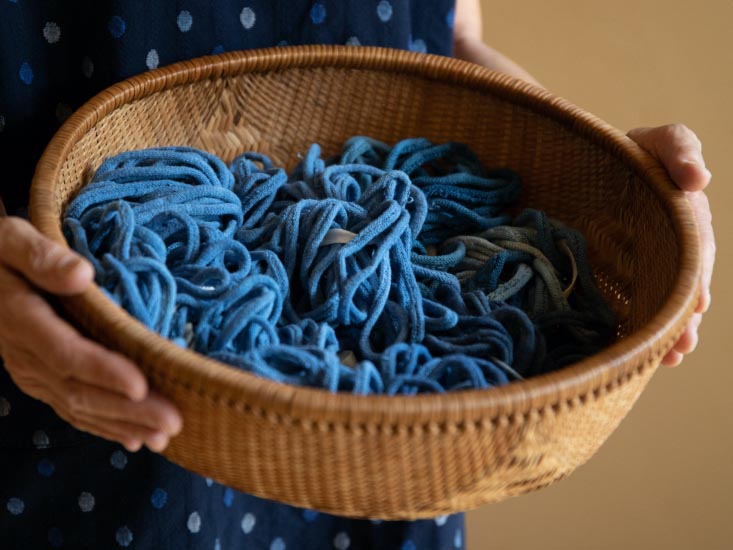
There are craft supplies that quietly sit in a drawer until inspiration strikes, and then there are cotton loops for a large loom: cheerful little rings of possibility that can turn a quiet afternoon into a mini textile studio. At first glance, they look simplesoft, stretchy fabric loops bundled by color. But once they are stretched across a large potholder loom, woven over and under, and finished around the edges, they become something much more satisfying: a sturdy handmade potholder, a hot pad, a coaster, a trivet, a gift, or a tiny square of “Yes, I made that.”
Cotton loops for large loom projects are especially popular because they combine nostalgia with practical usefulness. Many people remember making loop potholders as kids, usually with a metal or plastic loom and a bag of colorful loops that looked like candy but, thankfully, were not candy. Today’s better-quality cotton loops are softer, more durable, and more attractive than many of the scratchy synthetic loops from old classroom craft bins. They are made for makers who want a real finished piece, not a wobbly square that gives up after meeting one warm casserole dish.
This guide explores what cotton loops are, how they work on a large loom, how to choose the right size, what projects you can make, and how to get cleaner, stronger results. Whether you are buying loops for a child, teaching a classroom weaving activity, building a handmade gift basket, or rediscovering potholder weaving as a grown-up with better taste in color palettes, large loom cotton loops are a simple craft supply with surprising creative depth.
What Are Cotton Loops for a Large Loom?
Cotton loops are continuous fabric bands designed for loop loom weaving. Instead of using long strands of yarn, you stretch individual loops from peg to peg across a square loom. Half of the loops become the foundation, and the other half are woven through them to create a compact woven square.
For a large loom, the loops are longer than traditional potholder loops. A common large potholder loom is about 10 inches square and often produces a finished potholder around 8 inches square after the woven piece relaxes off the loom. This size is sometimes called “PRO size” or “large loom size,” depending on the brand or retailer. Traditional smaller looms are usually around 7 inches and make smaller potholders, often close to 6 inches square. That difference matters. A loop made for a small loom will not comfortably stretch across a large loom, and a large loop used on a small loom may sag like a hammock at a beach resort.
High-quality cotton loops are usually made from cotton knit material that has enough stretch to fit over the pegs but enough body to hold a firm woven structure. Unlike many polyester craft loops, cotton loops tend to feel softer, look more natural, and create thicker finished pieces. They are also popular because cotton is a familiar kitchen textile fiber, often used in dishcloths, towels, aprons, and quilted potholders.
Why Large Loom Cotton Loops Are So Popular
The large loom format has a loyal following for one very practical reason: bigger potholders are simply easier to use. A small potholder can be cute, but when you are pulling a hot baking sheet out of the oven, “cute” is not the only job requirement. A larger woven potholder gives more hand coverage, more surface area, and more flexibility for everyday kitchen use.
Large loom cotton loops also offer better design space. With more room across the loom, patterns become clearer. Checkerboards, stripes, gradients, plaids, borders, diamonds, and color-blocked designs all have more visual impact on a larger woven square. The larger format turns a basic kid-friendly craft into a project that adults can enjoy without feeling like they are raiding a kindergarten art cabinet.
Another reason these loops are loved is accessibility. You do not need advanced weaving knowledge to begin. The basic method is easy to understand: stretch loops in one direction, weave loops across in the opposite direction, then bind off the edges. Yet the craft can grow with the maker. Once you understand plain weave, you can experiment with color sequencing, pattern charts, texture, diagonal looks, and even sewn-together projects made from multiple squares.
Cotton vs. Synthetic Loops: Why Material Matters
Not all craft loops are equal. Some inexpensive loop packs are made with synthetic fibers, mixed materials, or thin stretchy fabric that looks bright in the package but creates flimsy results. Cotton loops are usually preferred for kitchen items because they produce a thicker, more absorbent, and more natural-feeling fabric.
Cotton has a classic hand feel. It grips well, washes well, and looks less shiny than many synthetic loops. When woven tightly on a sturdy loom, cotton loops create a dense textile that feels substantial in the hand. That density is one reason cotton loop potholders have remained popular for generations.
That said, cotton potholders are not magic shields from the center of the sun. They are useful for normal kitchen handling, but they should be treated with common sense. Do not use a damp cotton potholder to grab hot cookware, because moisture transfers heat quickly. Do not use thin, loosely woven, or damaged potholders for high-heat tasks. If a handmade potholder feels too thin, use it as a trivet, table protector, or decorative piece instead of trusting it with a heavy cast-iron skillet full of bubbling lasagna. Your fingers deserve better drama than that.
How to Choose the Right Cotton Loops for a Large Loom
Check the Loom Size First
The most important buying step is matching the loop size to the loom. If your loom is a 10-inch large potholder loom, look for loops labeled for a 10-inch loom, large loom, PRO loom, or large potholder loom. If the packaging says it is for a 7-inch traditional loom, those loops are likely too small.
Look for 100% Cotton or High-Cotton Loops
For the best texture and durability, choose loops labeled as cotton, ideally 100% cotton. Cotton loops generally weave into a thicker, more satisfying fabric. They also tend to have a handmade, matte look that works beautifully in modern, farmhouse, cottage, Scandinavian, and colorful eclectic kitchens.
Consider Pack Size
Small packs are great for trying a color or making one or two potholders. Larger “lotta loops,” party packs, or studio packs are better for classrooms, family craft nights, craft fairs, or anyone who suddenly realizes that potholder weaving is not a phase but a lifestyle choice. A single large potholder usually requires a full set of loops for both warp and weft, so check how many finished projects the pack is designed to make.
Choose Colors With a Plan
Random color mixes are fun, but planned color palettes create more polished results. Neutrals such as cream, flax, charcoal, navy, and black make sophisticated kitchen pieces. Bright colors like red, turquoise, yellow, and lime create cheerful gifts. Earth tones such as rust, olive, clay, brown, and apricot feel cozy and handmade. For a safe first project, choose two colors and make stripes or a checkerboard. The loom will do most of the heavy lifting while you pretend you totally planned the masterpiece.
How Cotton Loops Work on a Large Loom
The basic process is simple, but small details make a big difference. First, stretch loops vertically from one side of the loom to the other. These loops form the warp. Then weave the horizontal loops across the warp using an over-under pattern. The first cross loop goes over the first vertical loop, under the second, over the third, and so on. The next row reverses the pattern: under, over, under, over. This alternating structure locks the fabric together.
As the loom fills, the weaving becomes tighter. This is normal. A weaving hook helps pull the last few loops through without stretching them unevenly. After all the loops are woven, the edges are finished by chaining one loop through the next around the perimeter. This binding-off step secures the potholder so it can come off the loom without springing apart like a tiny textile explosion.
Once removed, the potholder may look slightly uneven. Gently tug the corners and sides to square it up. Cotton loops often relax into place after a little shaping. Some makers lightly steam or block finished potholders, but for everyday use, hand-shaping is usually enough.
Best Projects to Make With Large Loom Cotton Loops
Classic Kitchen Potholders
The classic woven potholder is still the star. Large cotton loop potholders are practical, washable, and giftable. Make a matching set in kitchen colors, tie them with twine, and suddenly you have a hostess gift that says, “I am thoughtful,” while also saying, “I did not panic-buy this at the gas station.”
Hot Pads and Trivets
A large woven cotton square works well under warm serving bowls, teapots, coffee carafes, and casserole dishes. For very hot cookware, use caution and layer protection as needed. For table styling, though, woven cotton hot pads add texture and charm without trying too hard.
Mug Rugs and Oversized Coasters
Large loom projects can become generous mug rugs for coffee, tea, or cocoa. A woven cotton square under a mug and cookie plate feels cozy, especially in winter. It is also a good excuse to make seasonal color sets: red and white for holidays, blue and cream for summer, rust and gold for fall, or green and pink for spring.
Patchwork Table Runners
Multiple woven squares can be stitched together to make a table runner. This project is ideal if you enjoy making potholders but already own enough to protect a professional bakery. Sew squares edge to edge with strong cotton thread, keeping the patterns coordinated but not identical.
Wall Art and Textile Samples
Not every woven square has to work in the kitchen. Some color experiments are too pretty for sauce splatters. Mount a favorite piece in a small frame, hang several squares in a grid, or use them as textile samples for color planning. Large loom cotton loops can be surprisingly elegant when treated like miniature woven art.
Pattern Ideas for Beginners
If you are new to cotton loop weaving, begin with patterns that are easy to track. A two-color checkerboard is one of the simplest designs. Place alternating colors in the warp, then repeat the same alternating pattern in the weft. The result is clean, graphic, and satisfying.
Stripes are even easier. Use one color for the warp and alternate two or three colors across the weft. This creates a striped look with very little counting. For a more modern style, try a color-blocked design: half the loops in one color, half in another. Add a contrasting border for extra polish.
Once you are comfortable, explore gradients. Arrange colors from light to dark across the loom, then repeat or reverse the order in the opposite direction. The finished potholder can look surprisingly sophisticated, especially with related colors such as cream, tan, caramel, rust, and brown.
Tips for Cleaner, Stronger Results
Good weaving starts before the first loop hits the loom. Sort your loops by color and remove any that look unusually thin, twisted, frayed, or stretched out. Cotton loops can vary slightly because fabric has personality, and sometimes that personality needs a timeout.
Keep the tension even as you stretch loops across the loom. If one loop is much tighter than the others, it can pull the finished square out of shape. If one is too loose, the weave may look lumpy. When weaving, use a consistent over-under rhythm and check every row before moving on. Mistakes are easiest to fix immediately. Finding one at the end is still fixable, but it feels like discovering a typo after printing 200 wedding invitations.
For binding off, avoid pulling too tightly. A tight edge can curl the potholder; a loose edge can look sloppy. Aim for firm but relaxed. After the piece is off the loom, square the corners gently and let the cotton settle.
Care and Cleaning
Cotton loop potholders are generally easy to care for. Shake out crumbs, spot-clean small spills, or wash them when needed. Use mild detergent and avoid harsh bleach unless the loops are white and the manufacturer says it is safe. Air drying helps preserve shape, though some cotton items can tolerate gentle machine drying. If the potholder shrinks or tightens slightly, reshape it while damp.
Retire any potholder that becomes thin, scorched, loose, or full of mysterious kitchen history. Handmade does not mean immortal. A well-used potholder deserves respect, but it should not be asked to keep working after it has clearly entered its crispy era.
Why Cotton Loop Weaving Is Great for Kids and Adults
For children, large loom weaving builds patience, hand-eye coordination, pattern recognition, and confidence. The project has a clear beginning, middle, and end, which is helpful for young makers. Unlike some crafts that produce a glittery object of uncertain purpose, a woven potholder is useful. Kids love that.
Adults enjoy the craft for different reasons. It is calming, screen-free, and tactile. The repetition of over-under weaving can feel meditative. The color choices offer creative control without requiring a huge setup. You can finish a potholder in one sitting, which is deeply satisfying in a world where most to-do lists reproduce overnight.
Buying Guide: What to Look For
When shopping for cotton loops for a large loom, prioritize fit, fiber, and color range. Look for loops made specifically for large or 10-inch potholder looms. Choose cotton loops from reputable craft brands or fiber arts suppliers. Read product descriptions carefully, especially if buying from marketplace sellers, because “loom loops” can refer to different sizes and materials.
If you plan to make gifts, buy enough loops for matching sets. If you are teaching a group, order more than you think you need. Color disappears quickly when everyone reaches for the same perfect shade of blue. For serious makers, a larger pack offers more flexibility and usually better value per potholder.
Common Mistakes to Avoid
The first common mistake is buying the wrong size loops. Large loom loops and traditional loops are not interchangeable. The second mistake is using low-quality loops that are too thin or uneven. The third is weaving without checking the over-under pattern row by row. One skipped loop can create a visual hiccup that your eye will find forever.
Another mistake is expecting every handmade potholder to look machine-perfect. Small variations are part of the charm. The goal is not sterile perfection; the goal is a sturdy, attractive handmade textile. If the corners are slightly quirky, congratulations: your potholder has character.
Hands-On Experience With Cotton Loops for Large Loom Projects
Working with cotton loops on a large loom feels different from using the tiny craft kits many people remember from childhood. The larger loom gives your hands more room to move, and the finished square feels more useful right away. The first thing most makers notice is the tension. Large cotton loops should stretch across the pegs without feeling like they are about to snap. A good loop has a soft pull, a little bounce, and enough thickness to create a cushioned fabric.
In practice, color planning makes the biggest difference between a potholder that looks homemade in the charming way and one that looks homemade in the “the craft drawer exploded” way. A simple navy-and-cream checkerboard can look crisp and coastal. Rust, flax, and charcoal create a warm modern farmhouse effect. Bright rainbow loops are perfect for kids or cheerful kitchens, but they look best when the colors repeat in a deliberate order. Random can be fun, but controlled random is usually prettier. Yes, even chaos appreciates a seating chart.
The weaving process itself is pleasantly forgiving. If a row looks wrong, you can pull it back and reweave it. If the last few rows get tight, the hook becomes your best friend. The key is to slow down near the end. Many beginners rush the final rows because they are excited to see the finished piece, but that is when loops can twist or skip. Flatten each loop before pulling it through. A twisted loop is not a disaster, but several twisted loops can make the potholder look bumpy.
Binding off is the step that feels most magical. The woven square is under tension on the loom, and it can be hard to believe it will hold together. But as each edge loop is pulled through the next, the structure locks into place. The final hanging loop is both functional and adorable, like a tiny victory flag. After removing the potholder, gently tugging each corner helps square it up. Large cotton loop potholders often look better after a few minutes of shaping than they do the instant they leave the loom.
One practical experience worth noting: finished large loom potholders are thick, but thickness varies depending on loop quality and weaving tension. A dense cotton potholder is excellent for warm dishes, teapots, and general kitchen tasks. For heavy oven use, test cautiously and never use it wet. Many makers keep their prettiest woven pieces for serving, gifting, or display, while using thicker layered mitts for serious oven work. That is not a failure of the craft; it is smart kitchen safety.
Large loom cotton loops are also wonderful for social crafting. They work well at family gatherings, classrooms, senior centers, summer camps, and craft nights because the learning curve is gentle. People can talk while weaving, compare color choices, and finish something useful in a reasonable amount of time. The craft is simple enough for beginners but interesting enough for pattern lovers. After one potholder, most people start thinking about the next color combination. That is how a single bag of loops becomes a shelf of supplies. It happens innocently. One day you are making a potholder; the next day you are discussing whether “apricot” and “terra cotta” are different moods. They are.
Conclusion
Cotton loops for large loom projects prove that simple crafts can still be deeply satisfying. They are easy to learn, affordable to start, and versatile enough for both kids and adults. With the right large loom loops, you can create sturdy potholders, hot pads, mug rugs, table accents, and colorful handmade gifts that are actually useful. The best results come from choosing quality cotton loops, matching the correct loop size to your loom, planning colors thoughtfully, and weaving with steady tension.
Large loom weaving also offers something many modern hobbies forget to include: a finished object you can use the same day. No complicated equipment, no massive learning curve, no app subscription, no mysterious firmware update. Just cotton loops, a loom, your hands, and a little over-under rhythm. That is the kind of low-tech joy that never really goes out of style.
Note: This article is written for web publication and is based on synthesized information from reputable U.S. craft suppliers, fiber arts retailers, weaving tutorials, maker resources, and practical kitchen textile guidance. Source links are intentionally not included, per the publishing requirement.













