
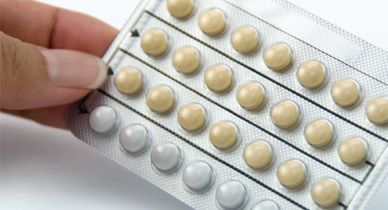
Choosing birth control can feel a little like shopping for jeans under fluorescent lighting: too many options, too many opinions, and at least one thing that looks amazing on someone else but may not be your best fit. When it comes to the IUD vs. the pill, both are proven, popular, and highly effective birth control options. But they work differently in real life, and that difference matters.
An IUD is a small device placed in the uterus by a healthcare professional. Depending on the type, it can prevent pregnancy for years with almost no daily effort. The pill, on the other hand, is a daily medication that gives you more immediate control and can offer extra benefits like cycle regulation or acne improvement. Neither method protects against sexually transmitted infections, so condoms may still deserve a starring role.
If you are trying to decide between an IUD and birth control pills, the smartest question is not “Which one is better?” It is “Which one fits my health history, lifestyle, period goals, and tolerance for hassle?” That is where the real answer lives.
IUD vs. Pill at a Glance
| Category | IUD | Pill |
|---|---|---|
| How it is used | Inserted by a clinician and left in place | Taken by mouth every day |
| Effectiveness in real life | More than 99% effective; less than 1 pregnancy per 100 users in a year | About 93% effective with typical use because missed pills happen |
| How long it lasts | Hormonal IUDs usually last 3 to 8 years; copper IUD up to 10 years in the U.S. | Works only while you keep taking it correctly |
| Hormones | Hormonal or non-hormonal options available | Usually estrogen plus progestin, or progestin-only |
| Best for forgetful people | Excellent | Not ideal unless you are extremely consistent |
| Effect on periods | Hormonal IUDs may make periods lighter or stop them; copper IUD may make them heavier | Can make periods more regular, lighter, and less crampy |
| Fertility after stopping | Returns quickly after removal | Returns quickly after stopping |
| STI protection | No | No |
How an IUD Works
An IUD, short for intrauterine device, is a small T-shaped contraceptive that sits inside the uterus. There are two main categories: hormonal IUDs and the copper IUD. Hormonal IUDs release a small amount of progestin, which thickens cervical mucus, makes it harder for sperm to reach an egg, and can thin the uterine lining. The copper IUD contains no hormones. Instead, copper interferes with sperm movement and fertilization.
The biggest appeal of an IUD is convenience. Once it is in, there is nothing to remember every morning, nothing to pack for a weekend trip, and no panic if you realize you left your pill pack in another zip code. Hormonal IUDs can last anywhere from about 3 to 8 years depending on the brand, while the copper IUD is approved for up to 10 years in the United States.
IUDs are among the most effective reversible birth control methods because they remove the human-error factor. You cannot forget an IUD on your bathroom counter. You do, however, need an office visit for insertion and later for removal or replacement.
Pros of an IUD
- Very effective with low typical-use failure
- Long-lasting and low maintenance
- Hormonal and non-hormonal options
- Rapid return to fertility after removal
- Hormonal IUDs may reduce bleeding and cramps
- Copper IUD avoids estrogen and daily hormones
Possible downsides of an IUD
- Requires insertion by a healthcare professional
- Insertion can be uncomfortable or painful for some people
- Hormonal IUDs may cause irregular spotting at first
- Copper IUD may cause heavier or crampier periods
- Rare risks include expulsion and uterine perforation
How the Pill Works
The pill is the classic overachiever of modern contraception: useful, flexible, and very effective when used correctly, but it expects punctuality. There are two main types. Combination pills contain estrogen and progestin. Progestin-only pills, often called mini-pills, do not contain estrogen and may be a better option for people who cannot use estrogen.
Birth control pills mainly prevent ovulation, and they also thicken cervical mucus so sperm have a tougher time reaching an egg. When taken perfectly, the pill is more than 99% effective. In real life, though, typical use is closer to about 93% effective. Why the drop? Because humans are busy, sleepy, stressed, occasionally disorganized, and sometimes very talented at saying “I will take it in five minutes” and then wandering off to reorganize a spice drawer.
The pill can be a strong choice for people who want control without a procedure. You can start it, stop it, or switch it more easily than an IUD. It may also help with acne, painful periods, heavy bleeding, and cycle predictability.
Pros of the pill
- Very effective when taken correctly
- No insertion procedure
- Easy to stop if you want to try to conceive soon
- Can make periods lighter, shorter, and more predictable
- May improve acne and reduce cramps
- Some formulations are better suited for people who cannot take estrogen
Possible downsides of the pill
- Must be taken every day
- Missing pills lowers effectiveness
- Can cause nausea, breast tenderness, headaches, spotting, or mood changes
- Estrogen-containing pills are not appropriate for everyone
- Some medications and supplements can interfere with effectiveness
Effectiveness: The Real-World Difference
If effectiveness is your top priority, the IUD usually wins the practical matchup. Not because the hormones or device are magically stronger, but because once the IUD is in place, it keeps doing its job without depending on your memory. Most IUD users have less than a 1% chance of pregnancy during the first year of typical use.
The pill can be just as effective on paper, but perfect use is a high bar. It means taking the pill consistently, starting each pack on time, and handling missed pills correctly. In everyday life, typical-use pregnancy rates are higher because life interrupts routines. If you know you are great at routines, the pill may still fit beautifully. If your phone battery dies, your planner is chaos, and breakfast happens whenever destiny allows, an IUD may be the more dependable option.
Period Changes: This Is Where Preferences Get Personal
Many people do not just want pregnancy prevention. They also want their period to chill out.
Hormonal IUDs often make periods lighter over time, and some users stop getting periods altogether. That can be a huge plus for people with heavy bleeding, painful cramps, or simple exhaustion from monthly drama. The tradeoff is that irregular spotting is common at first, especially in the first few months.
The copper IUD is the opposite vibe. It is hormone-free, which many people love, but it may cause heavier bleeding and stronger cramps, especially early on. For someone who already has rough periods, that can be a serious consideration.
The pill tends to offer more predictable bleeding. Many users like that their cycles become lighter, shorter, and easier to schedule around. If your dream is not “no periods ever” but rather “a period that behaves like a civilized guest,” the pill often shines.
Hormones, Health History, and Who Might Prefer Which
The best birth control choice is not only about convenience. It is also about safety and comfort with hormones.
You may lean toward an IUD if:
- You want a highly effective method you do not have to think about daily
- You want a long-term option
- You prefer a hormone-free method, which points toward the copper IUD
- You cannot or do not want to use estrogen
- You know missed pills are a realistic possibility
You may lean toward the pill if:
- You want more immediate control over starting or stopping birth control
- You want help with acne, cramps, or cycle regulation
- You do not want an insertion procedure
- You may want to conceive in the near future and prefer a method you can stop on your own
- You are comfortable with a daily routine
For some people, combination pills are not a good fit because of estrogen-related risks. That can include certain clotting risks, a history of blood clots, or being age 35 or older and smoking. In those situations, a progestin-only pill or an IUD may be discussed instead. This is one area where your medical history matters more than anyone’s TikTok review.
Convenience, Cost, and Access
The pill usually has a lower upfront cost, but it is an ongoing prescription. An IUD often comes with a higher initial cost because it includes the device and insertion, but over several years it may be cost-effective. Many insurance plans cover both pills and IUDs at no additional cost, and birth control counseling is often covered too, though exact coverage can vary.
Access matters, too. The pill can sometimes be easier to start quickly, especially if you can get a prescription through a clinic or telehealth service. An IUD requires an appointment for placement, which can be a hurdle if scheduling, transportation, or provider availability is an issue. On the flip side, once your IUD is placed, your to-do list gets dramatically shorter.
What About Fertility Later?
This is a common concern, and it deserves a plain answer: both methods are reversible. If you stop the pill, fertility can return quickly, and many people can become pregnant during the next cycle. If you remove an IUD, fertility also returns quickly. Neither method is meant to cause long-term infertility.
That said, the timeline for your cycle to feel completely normal again can vary from person to person. Bodies are individuals, not photocopies.
Important Reminder: Neither Method Protects Against STIs
This point is easy to overlook during the birth control debate. Neither the IUD nor the pill protects against sexually transmitted infections. If STI protection matters for your situation, condoms still play an important role. Many people use condoms plus another birth control method for dual protection: one for pregnancy prevention and one for STI risk reduction. It is not overkill. It is strategy.
Questions to Ask Before You Choose
- Am I good at taking medication every day, at about the same time?
- Do I want a hormone-free option?
- Would I rather avoid a procedure, or avoid daily maintenance?
- Are lighter periods or cycle control important to me?
- Do I have a health history that affects whether estrogen is safe for me?
- Do I want pregnancy prevention for months, years, or just right now?
- Do I also need STI protection?
Real-Life Experiences: What Choosing an IUD or the Pill Can Actually Feel Like
On paper, birth control choices look neat and tidy. In real life, they can feel much messier, because people do not experience the IUD vs. pill decision as a chart. They experience it on hectic mornings, during painful periods, in pharmacy lines, before vacations, after having a baby, or while sitting on an exam table thinking, “I wish this decision came with subtitles.”
For many pill users, the experience starts with a sense of control. There is comfort in knowing you can begin without a procedure and stop whenever you want. Some people love the rhythm of it. Taking the pill becomes part of the daily routine, right there with brushing teeth and pretending to answer emails calmly. Many users also appreciate the non-contraceptive benefits. Their periods become lighter, cramps back off, acne improves, and the calendar feels less like a surprise attack.
But the pill can also create low-level background stress. You have to remember it every day. If you travel often, work shifts, sleep irregular hours, or just have a brain that occasionally opens 14 tabs at once and finishes none of them, daily timing can become annoying. Missing one pill may be manageable, but missing several can feel like a panic spiral with a side of internet searching at midnight.
The IUD experience is often almost the opposite. Insertion day can be the most intense part. Some people say it was easier than expected; others say it was not their favorite appointment of all time, which is a very diplomatic way of putting it. Cramping afterward is common, and the first weeks or months can involve spotting, adjustment, and a period pattern that seems to be improvising. That early phase can be frustrating, especially if someone expected instant perfection.
Still, many IUD users end up loving the “set it and mostly forget it” reality. They do not have to remember a daily dose. They do not need refill reminders. They do not have to think about birth control every time life gets chaotic. For hormonal IUD users, lighter periods can feel life-changing. For copper IUD users, the big draw is avoiding hormones altogether, even if the tradeoff is heavier bleeding or stronger cramps.
Another real-life factor is personality. Some people feel reassured by doing something every day. Others feel freed by not having to do anything at all. Neither is more responsible; they are just different styles. The best choice often comes down to whether you want birth control to be an active part of your routine or a background feature of your life.
People also switch methods, and that is normal. Someone may start with the pill in college, choose an IUD later for convenience, or go back to pills because they want more control over bleeding patterns. Birth control is not a marriage contract. It is more like a tool kit. The right tool can change with your age, health, relationships, insurance, priorities, and tolerance for nonsense.
In other words, the “best” method is often the one that works well enough medically and feels sustainable in your actual life, not your imaginary color-coded life.
Final Takeaway
When comparing the IUD vs. the pill, there is no universal winner. The IUD is hard to beat for convenience and real-world effectiveness. The pill is flexible, familiar, and often excellent for people who want cycle control without a procedure. The right choice depends on how you feel about hormones, daily routines, period changes, upfront procedures, long-term planning, and your medical history.
If you want something you can set and forget, an IUD may be your front-runner. If you want a method you can start and stop easily, and you like the idea of more predictable periods, the pill may make more sense. The smartest next step is a conversation with a healthcare professional who can match the method to your health profile, not just the internet’s loudest opinion.














