
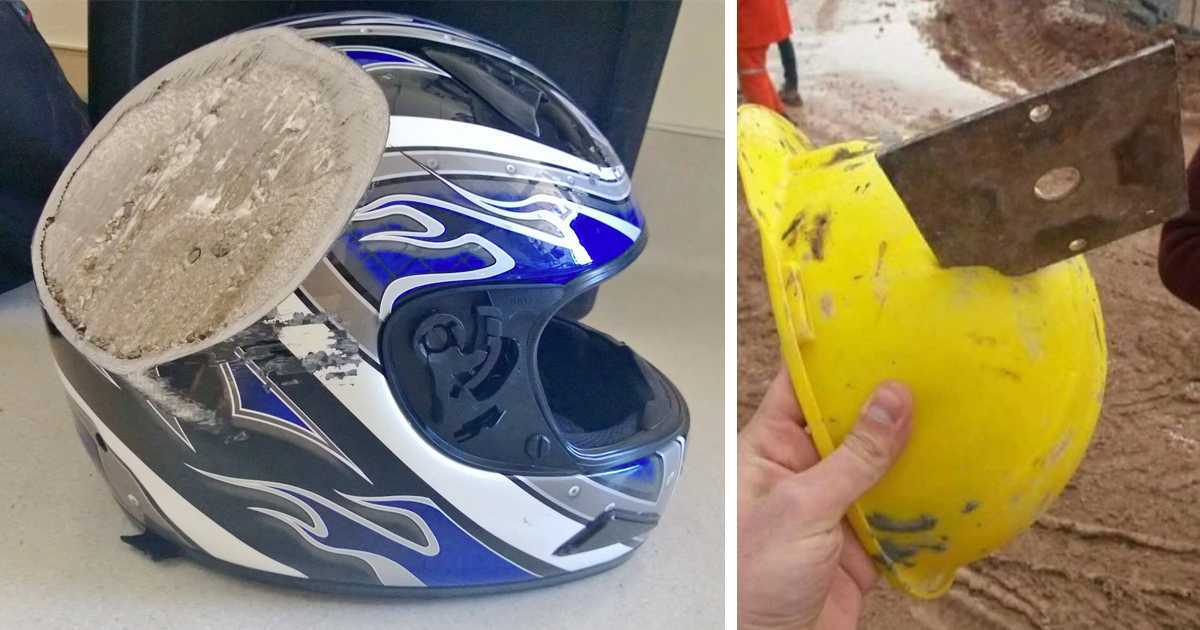
A helmet is rarely the most glamorous part of an outfit. It can flatten your hair, feel mildly inconvenient, and make you resemble either a professional athlete or an unusually cautious mushroom. None of that matters when pavement, ice, ret can substantially reduce the risk of severe head and brain injuries. It cannot prevent every concussion or make reckless behavior safe, but it gives your skull and brain an important extra layer of protection when something goes wrong.
Here are 35 practical reasons to wear a helmet whenever you ride a bicycle, motorcycle, scooter, skateboard, horse, snowmobile, or ATV; participate in a helmeted sport; or work around recognized head hazards.
“`
How Helmets Protect Your Head
1. A Helmet Absorbs Impact Energy
A helmet is designed to manage part of the energy created during a collision. Its outer shell helps spread the force across a wider area, while the inner liner compresses to slow the head more gradually. Without that buffer, more energy may be transferred directly to the skull and brain.
2. It Reduces the Risk of Serious Head Injury
A major analysis of bicycle-crash research found that helmet use was associated with a 48% reduction in head injuries and a 60% reduction in serious head injuries. No safety product offers a guarantee, but those are meaningful odds when the alternative may involve emergency surgery, rehabilitation, or permanent disability.
3. It Helps Protect Against Traumatic Brain Injury
A traumatic brain injury can affect concentration, memory, speech, movement, mood, sleep, and independence. Research has associated bicycle helmet use with a substantial reduction in traumatic brain injuries. Protecting your brain is not being overly cautious. It is protecting the control center responsible for nearly everything you do.
4. It Can Lower the Risk of Fatal Injury
Some crashes are too severe for any protective equipment to overcome. Even so, evidence indicates that helmets reduce the likelihood of fatal head injuries among cyclists and lower the risk of death among motorcyclists. A chin strap may feel like a small detail, but it can become a life-preserving one.
5. Your Skull Is Strong, but Not Indestructible
The skull provides impressive natural protection, but it was not designed to bounce repeatedly across asphalt. A helmet supplements the skull by distributing impact forces and reducing the chance of direct contact with hard surfaces or sharp objects.
6. Your Brain Can Be Injured Without a Skull Fracture
A person can experience a concussion or more serious brain injury even when the skull remains intact. Sudden acceleration, deceleration, and rotation can cause the brain to move inside the skull. That is why “nothing looks broken” is not a reliable medical diagnosis.
7. Most Concussions Do Not Require Loss of Consciousness
Many people assume a concussion only counts when someone is knocked unconscious. In reality, a person may remain awake while experiencing headache, confusion, dizziness, nausea, memory problems, light sensitivity, or unusual fatigue. A helmet cannot prevent every concussion, but it can help reduce exposure to dangerous impact forces.
Reasons Every Rider Should Buckle Up
8. Low-Speed Falls Can Still Be Serious
You do not need to be racing downhill to suffer a major head injury. A bicycle can slide on wet leaves. A scooter wheel can stop at a sidewalk crack. A horse can spook while standing almost still. Gravity does not ask how fast you were traveling before starting its demonstration.
9. Short Trips Are Not Automatically Safe
“I’m only going around the block” is not a protective force field. Many routine trips include driveways, intersections, uneven pavement, distracted drivers, loose dogs, and unpredictable pedestrians. Wear the helmet before every ride so safety does not depend on your estimate of how exciting the trip will be.
10. Familiar Routes Can Encourage Overconfidence
Knowing every turn can make riders relax their attention. Unfortunately, familiar streets still develop potholes, collect debris, and attract drivers who fail to look before opening a car door. A helmet protects you on the hundredth trip just as it does on the first.
11. Experience Cannot Control Other People
A skilled rider can brake smoothly, maintain balance, and anticipate hazards. That rider still cannot control a driver running a red light, a child stepping into a bike lane, or another cyclist swerving unexpectedly. Experience reduces some risks; it does not eliminate everyone else’s mistakes.
12. Beginners Fall More Often
New riders are still learning balance, braking, turning, and hazard recognition. They may grab the front brake too hard, look down instead of ahead, or panic when an obstacle appears. Wearing a helmet from the beginning turns it into a normal part of learning rather than an optional accessory.
13. Experts Sometimes Take Bigger Risks
Advanced riders often travel faster, tackle harder trails, attempt tricks, or ride in more demanding conditions. Better skills can improve control, but increased speed and complexity can raise the energy involved in a crash. Expertise is a reason to choose better protective equipment, not abandon it.
14. E-Bikes and Electric Scooters Add Speed Quickly
Electric assistance can bring riders to higher speeds with less effort, sometimes before they have developed matching handling skills. Faster travel generally means less reaction time and more energy during impact. Riders should select a properly certified helmet suitable for the device and expected speed.
15. Motorcycles Offer Almost No Crash Structure
Car occupants have a passenger compartment, seat belts, airbags, and crumple zones. Motorcyclists largely rely on riding skill and wearable protection. Transportation research has estimated that compliant motorcycle helmets reduce the risk of death and are especially effective at preventing brain injuries.
16. A Visor Can Protect Your Eyes and Face
On motorcycles and certain other vehicles, a suitable face shield can block insects, gravel, dust, rain, and road debris. An insect hitting your eye at speed is not merely annoying; it can trigger a dangerous reflex or momentary loss of vision.
17. Helmets Can Reduce Some Facial Injuries
Depending on the design and activity, a helmet may help protect parts of the forehead, upper face, jaw, or chin. Full-face motorcycle and downhill helmets provide more coverage than open designs. More coverage is particularly valuable when forward momentum sends a rider face-first toward the ground.
Practical, Financial, and Social Reasons
18. Medical Treatment Can Be Expensive
Emergency transportation, diagnostic imaging, hospitalization, surgery, medication, rehabilitation, and follow-up care can generate enormous costs. Even with health insurance, deductibles, copayments, travel expenses, and lost income can disrupt a household. A certified helmet is inexpensive compared with neurological care.
19. Recovery Can Take Longer Than Expected
A “mild” traumatic brain injury can still produce headaches, fatigue, dizziness, concentration difficulties, sleep changes, and sensitivity to light or noise. Symptoms may last days, weeks, or longer. A crash lasting two seconds can create a recovery measured in months.
20. Brain Injuries Can Affect Work and School
Memory, attention, processing speed, and emotional regulation are essential at work and in class. A head injury may make reading, driving, using screens, attending meetings, or completing ordinary assignments difficult. Protecting your head also protects your ability to earn, learn, and plan.
21. Your Family Lives With the Consequences Too
Serious injuries rarely affect only the injured person. Family members may become caregivers, rearrange work schedules, manage medical appointments, or provide financial support. Wearing a helmet is a small act of responsibility toward everyone who would help you recover.
22. It Sets a Powerful Example for Children
Children notice what adults do more than what adults lecture them about doing. Telling a child to wear a helmet while riding bareheaded communicates that safety rules are temporary decorations for smaller humans. Wearing your own helmet makes the message consistent and believable.
23. It Normalizes Safety Among Friends
One person buckling a helmet can make it easier for everyone else to do the same. Safety habits spread through families, teams, riding groups, and workplaces. You may never know that your example gave another person permission to choose protection over peer pressure.
24. Modern Helmets Can Be Comfortable
Many current helmets offer adjustable retention systems, ventilation, moisture-managing pads, multiple shell sizes, and lightweight construction. A helmet that feels miserable is often the wrong size, poorly adjusted, or unsuitable for the activity. Proper fitting can solve more complaints than dramatic sighing.
25. Safety Does Not Have to Ruin Your Style
Helmets come in understated colors, bold graphics, aerodynamic designs, retro shapes, and highly visible finishes. Choose one you genuinely like, provided it carries the correct certification and fits properly. Looking excellent and retaining normal brain function are compatible goals.
Why the Right Helmet and Fit Matter
26. A Certified Helmet Has Met Performance Requirements
In the United States, bicycle helmets should carry the appropriate Consumer Product Safety Commission certification. Motorcycle helmets should meet the applicable Department of Transportation standard. Other sports use different standards. Certification does not make a helmet magical, but it shows the model was designed around recognized performance requirements.
27. Different Activities Create Different Impacts
A bicycle helmet, climbing helmet, football helmet, equestrian helmet, snow-sports helmet, and construction safety helmet are not interchangeable fashion categories. Each is engineered for particular hazards and impact patterns. Choose the right helmet for the activity rather than grabbing whichever one is closest to the garage door.
28. Proper Fit Keeps Protection Where It Belongs
A helmet cannot protect the forehead if it is tilted toward the back of the head. It should sit level, feel snug without causing painful pressure, and resist sliding when you move your head. Fit systems and pads should be adjusted according to the manufacturer’s instructions.
29. The Chin Strap Prevents the Helmet From Escaping
An unfastened helmet may fly off during the first movement of a crash, leaving the head exposed for the main impact. Buckle the strap and adjust it snugly. The goal is to keep the helmet correctly positioned, not let it orbit your head like a poorly trained satellite.
30. Independent Ratings Can Help You Compare Models
Meeting a required standard is the starting point. Independent programs, including university-based helmet laboratories, also compare how models manage linear and rotational forces in simulated real-world impacts. Such ratings can help shoppers identify strong performers within their budget.
31. A Damaged Helmet May Not Protect You Again
Many helmet liners are intended to crush during a significant impact. Damage may not always be obvious from the outside. Follow the manufacturer’s replacement instructions after a crash, severe drop, visible crack, compressed liner, damaged strap, or other suspected compromise.
32. Unknown Secondhand Helmets Are a Gamble
A used helmet may have been crashed, stored in extreme heat, modified, or exposed to chemicals. Unless you know its complete history and can verify that it remains within the manufacturer’s recommended service life, buying new is generally the safer approach.
33. Helmets Also Matter at Work
Construction sites, industrial facilities, utility operations, and other workplaces may expose employees to falling objects, electrical hazards, side impacts, or falls from height. Workplace head protection must match the assessed hazard. A bicycle helmet is not a substitute for an approved occupational safety helmet.
34. Wearing One Helps Build an Automatic Routine
Consistent habits reduce decision fatigue. Keep the helmet beside the bike, scooter, motorcycle gear, skates, or work equipment. When putting it on becomes as automatic as fastening a seat belt, excuses have less time to organize a committee meeting.
35. You Only Get One Brain
Bikes can be repaired. Phones can be replaced. Scraped paint can be ignored until it becomes “character.” Your brain is different. It carries your memories, personality, skills, relationships, and plans. Protecting it is one of the most sensible investments you can make.
A Quick Helmet-Fit Check
Before starting an activity, confirm that the helmet is designed and certified for that activity. Place it level on the head so it covers the forehead without obstructing vision. Adjust the internal retention system until the helmet feels evenly snug. Position side straps according to the manufacturer’s directions, buckle the chin strap, and check that the helmet does not slide forward, backward, or sideways.
Children need regular fit checks because they grow quickly. Never buy an oversized helmet with the idea that a child will “grow into it.” A loose helmet may shift during a fall and expose the very area it was supposed to protect.
Remember that helmets are only one part of injury prevention. Riders should obey traffic rules, use lights and reflective equipment, maintain brakes and tires, learn proper technique, avoid impairment, and choose routes appropriate for their abilities. A helmet is backup protection, not permission to behave as though physics has been canceled.
Real-World Experiences That Make the Lesson Stick
The value of a helmet often becomes clearest through ordinary experiences rather than spectacular movie-style crashes. Consider the commuter who has ridden the same neighborhood route for years. One morning, a delivery van stops across the bike lane. The rider brakes, the front tire slides on wet paint, and the side of the helmet strikes the pavement. The bicycle needs a new brake lever, the helmet needs replacement, and the rider goes home with a headache-free appreciation for equipment that seemed unnecessary five minutes earlier.
Another common experience involves a child learning to ride without training wheels. A parent may imagine the greatest danger is speed, yet the child is barely moving. One foot slips from the pedal, the handlebars turn sharply, and the child falls sideways toward a curb. Low speed does not prevent the head from accelerating under gravity. A properly fitted helmet can turn a frightening afternoon into tears, a scraped knee, and a request for an extremely large ice cream.
Electric scooters create their own educational moments. A rider unlocks one for a trip of only a few blocks and skips the helmet because the destination is close. A small wheel catches in a pothole that would barely bother a car tire. The scooter stops; the rider does not. People who have experienced this type of fall frequently describe how little time they had to extend their arms, protect their faces, or make any graceful decisions whatsoever.
Motorcyclists often speak about damaged helmets with an unusual mixture of gratitude and discomfort. Deep scratches, a broken visor, or a crushed section of liner reveal where the rider’s bare head might have contacted the road. The helmet becomes more than equipment after the crash. It becomes physical evidence that a fraction of a second can separate a bruised ego from a life-changing injury.
Parents also discover that helmet habits are social. A child who initially complains may stop resisting when adults and friends wear helmets without making a production of it. Allowing children to choose a comfortable design can help, but adult consistency matters more. “Do as I say, not as I do” has never been a particularly strong safety campaign.
There is also the experience of replacing a helmet after a crash even when it appears normal. Cutting open damaged helmets has shown why external appearance can be misleading: internal foam may be compressed or cracked where it absorbed energy. Retiring a favorite helmet can feel wasteful, but its successful final performance deserves respect. It completed the job for which it was designed.
The shared lesson in these experiences is not that helmets eliminate danger. They do not prevent collisions, and no model can guarantee protection from concussion, paralysis, or death. Their value is simpler: when prevention fails and impact occurs, a good helmet improves the conditions under which your head meets the world. That is a modest promise, but in a serious crash, it can be an extraordinarily important one.
Conclusion: Make the Helmet Nonnegotiable
Wearing a helmet is not an admission that you are clumsy, inexperienced, or afraid. Professional athletes, skilled motorcyclists, veteran equestrians, construction workers, and emergency responders use head protection because experience teaches respect for unpredictable events.
Choose a certified helmet made for your activity. Make sure it fits. Fasten it correctly. Inspect it regularly and replace it when required. Then combine it with good judgment, training, equipment maintenance, and awareness of your surroundings.
Your hairstyle can recover. Your schedule can tolerate the extra few seconds. Your brain deserves considerably more protection than optimism and a confident shrug.










