
Charlatans are easy to recognize in old movies. They wear suspiciously shiny suits, sell miracle tonic from a wagon, and leave town shortly before everyone develops a rash. Real life is less considerate. Modern charlatans may have polished websites, prestigious connections, impressive vocabulary, bestselling books, venture funding, professional credentials, or a podcast microphone large enough to have its own ZIP code.
More importantly, not every dangerous promoter begins as a conscious fraud. Some people sincerely believe their own dazzling story. Others know the story is fiction and simply hope the audience never checks the footnotes. The distinction between Type I and Type II charlatans provides a useful way to examine these two forms of deception.
The framework is especially valuable in investing, entrepreneurship, health, technology, consulting, and online education. It reminds us that sincerity is not proof, confidence is not competence, and a person can cause enormous damage without waking up each morning and twirling a theatrical villain mustache.
What Are Type I and Type II Charlatans?
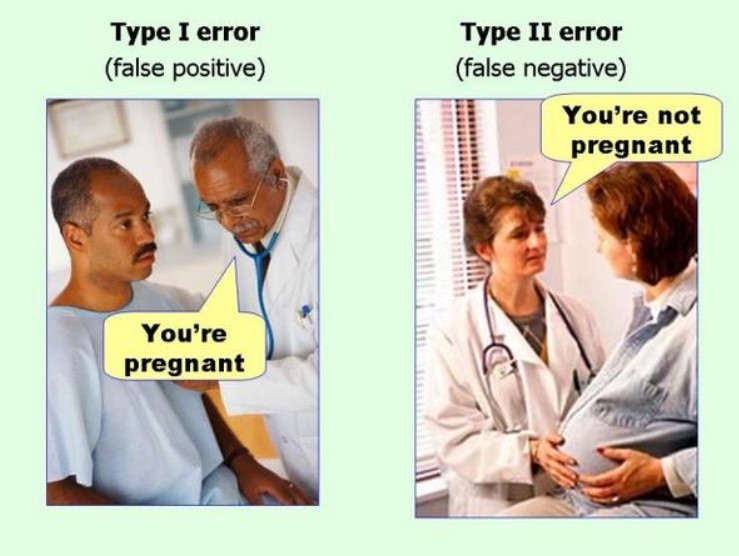
The Type I and Type II charlatan framework borrows its labels loosely from statistical errors. A Type I error is commonly described as a false positive: detecting something that is not really there. A Type II error is a false negative: failing to recognize what is actually there.
Applied to persuasive promoters, the analogy separates two broad patterns:
- A Type I charlatan is a visionary, expert, or promoter who may genuinely believe an exaggerated claim but fails to recognize its weaknesses, risks, or unintended consequences.
- A Type II charlatan knowingly misrepresents facts, hides evidence, or invents results to obtain money, status, access, or power.
This classification is a practical thinking tool rather than a legal test or psychological diagnosis. Motives are often mixed, and outsiders rarely know exactly what someone believed at every stage. Nevertheless, the framework asks a valuable question: Are we dealing with sincere overconfidence, deliberate deception, or a dangerous combination of both?
The Type I Charlatan: A Vision That Outruns Reality
A Type I charlatan may start with a legitimate insight. The person sees a real opportunity, develops an ambitious idea, and attracts followers because the enthusiasm appears authentic. In many cases, it is authentic. Unfortunately, authentic enthusiasm can still drive the bus directly into a decorative fountain.
“`
Sincerity Is the Main Source of Persuasive Power
The Type I charlatan does not necessarily sound deceptive because the person may not feel deceptive. The presentation is emotionally convincing. Doubts are dismissed not because the promoter has carefully disproved them, but because the promoter regards doubt as a symptom of small thinking.
This is why Type I charlatans can be more difficult to identify than obvious con artists. They work long hours, recruit intelligent supporters, invest their own money, and repeat their claims with complete confidence. Observers interpret those sacrifices as evidence that the underlying idea must be sound.
Yet people can be deeply committed to ideas that are incomplete, untested, or economically impossible. Personal conviction reveals how strongly someone believes a claim. It does not reveal whether the claim is true.
Common Characteristics of Type I Charlatans
A Type I charlatan often displays several recognizable tendencies:
- The original idea contains a plausible or genuinely innovative element.
- Success is treated as proof that every part of the theory is correct.
- Criticism is reframed as jealousy, fear, or resistance to progress.
- Risks are considered temporary inconveniences rather than structural problems.
- Failure leads to a larger commitment instead of a careful reassessment.
- The promoter’s identity becomes inseparable from the project.
The final point is particularly important. Once a founder, investor, doctor, coach, or public expert becomes famous for one grand claim, changing direction can feel like personal annihilation. Admitting uncertainty threatens reputation, income, relationships, and self-image. Doubling down becomes emotionally easier than backing down.
John Law and the Mississippi Bubble
Financial history offers an influential example in John Law, the Scottish financier associated with France’s early eighteenth-century monetary experiments and the Mississippi Company. Law was not merely selling imaginary treasure from a rented office. He had sophisticated ideas about banking, credit, paper currency, and economic activity.
Some of those ideas anticipated features of modern financial systems. The disaster arose when financial innovation, political influence, speculation, and extravagant expectations became tangled together. Shares soared, enthusiasm spread, and the system expanded far beyond what underlying economic activity could justify. When confidence broke, fortunes disappeared.
Through the Type I framework, Law represents the danger of an intelligent visionary whose theory grows faster than its safeguards. A person can recognize a genuine innovation and still underestimate leverage, incentives, crowd psychology, or the consequences of failure.
“`
The Type II Charlatan: Deception as a Business Model
The Type II charlatan is not merely overconfident. This person knowingly manufactures confidence in others while privately understanding that important claims are false. The product may be an investment, medical cure, coaching program, cryptocurrency, business opportunity, charitable appeal, or “secret system” supposedly hidden from ordinary mortals by suspiciously organized elites.
“`
Type II Charlatans Sell Feelings Before Facts
Deliberate fraud works because the promoter rarely begins with spreadsheets. The first product is emotion. The victim is offered hope, exclusivity, security, revenge, status, belonging, or escape from financial anxiety.
Only after that emotional commitment does the charlatan introduce the transaction. By then, the audience is not simply evaluating an offer. People are defending an exciting future in which they were smart enough to notice an opportunity before everyone else.
Common Type II tactics include:
- Promises of unusually high returns with little or no risk
- Artificial deadlines and pressure to act immediately
- Claims that the strategy is too advanced to explain clearly
- Prestigious names used as substitutes for independent evidence
- Instructions to keep the opportunity confidential
- Unverifiable testimonials and carefully selected success stories
- Constantly changing explanations when predictions fail
- Requests for payment through difficult-to-reverse methods
A Type II charlatan does not fear contradiction in the ordinary way. Contradictions are simply obstacles requiring fresh marketing. When one explanation collapses, another appears wearing a new hat.
Bernie Madoff as a Clear Type II Example
Bernard Madoff’s investment operation illustrates deliberate financial fraud. Investors were shown remarkably consistent results and encouraged to trust reputation, exclusivity, and social connections. In reality, the operation functioned as a Ponzi scheme in which money from newer participants supported payments presented as returns to earlier investors.
The case also demonstrates why credentials and social status cannot replace verification. Madoff was not an unknown stranger handing out photocopied investment plans in a parking lot. His professional standing made the claims appear safer. The apparent respectability of the messenger discouraged some people from examining the mechanics of the message.
“`
How a Type I Charlatan Can Become Type II
The two categories are not airtight compartments. A person may begin as an enthusiastic believer and cross ethical lines when evidence stops cooperating.
Imagine a founder who honestly expects a product to work within six months. The deadline passes. Rather than tell investors about the delay, the founder presents preliminary data as completed results. Another deadline passes, so demonstrations are carefully staged. Employees who raise concerns are excluded. Customers receive explanations the internal team knows are false.
The original optimism may have been sincere, but later misrepresentations are not rescued by that sincere beginning. “I believed we would eventually succeed” does not make knowingly false statements accurate.
Theranos is frequently discussed in this context because its public story combined an inspiring health-care vision with conduct that led to federal investor-fraud convictions. It is impossible for an outside observer to map every private belief throughout the company’s history. The broader lesson, however, is clear: noble ambitions do not excuse fabricated capabilities, concealed limitations, or false representations.
The transition from Type I to Type II often happens through a series of small decisions. One optimistic estimate becomes an exaggeration. The exaggeration requires a misleading presentation. The misleading presentation creates expectations that require another deception. Before long, the organization is not protecting the mission. It is protecting the story.
Why Intelligent People Fall for Charlatans
Victims of charlatans are not necessarily foolish. Fraud regularly succeeds against educated, experienced, and financially sophisticated people. Intelligence can help someone identify contradictions, but it can also help that person construct elaborate reasons for ignoring them.
“`
Authority and Borrowed Credibility
People naturally give weight to credentials, professional titles, famous supporters, institutional affiliations, and confident language. Charlatans understand this. A photograph beside an influential person may quietly become “backed by industry leaders,” while attendance at a prestigious event becomes “recognized worldwide.” The résumé keeps doing push-ups while the evidence naps.
Social Proof and Fear of Missing Out
When respected colleagues, relatives, celebrities, or community leaders accept an opportunity, individual skepticism becomes harder to maintain. The observer assumes that someone else completed the necessary research. Frequently, everyone is relying on everyone else.
Rising prices make this effect stronger. Early participants appear brilliant, skeptics look outdated, and caution feels expensive. The investment may continue climbing long enough to punish disciplined people and reward reckless ones temporarily. Temporary rewards are excellent advertising.
Affinity and Personal Trust
Fraudsters often target communities built around religion, ethnicity, professional identity, age, hobbies, or personal relationships. Shared identity lowers psychological defenses. People hesitate to question someone introduced by a trusted friend because skepticism feels socially rude.
However, trust can be transferred without evidence. A respected community member may be an innocent victim who unknowingly recruits others. Friendship is valuable, but it is not an audit.
The Sunk-Cost Trap
After investing money, time, status, or emotion, people become reluctant to admit the decision was mistaken. They may contribute additional resources because quitting would force them to recognize the earlier loss.
Charlatans exploit this tendency by describing each setback as the final obstacle before success. Victims are encouraged to “stay loyal,” “trust the process,” or make one last payment. The result is an escalating commitment to a deteriorating decision.
“`
How to Protect Yourself From Both Types
Trying to read someone’s soul is unreliable. A more effective defense is to evaluate claims, incentives, evidence, and accountability. You do not need to determine whether a promoter is sincerely mistaken or deliberately dishonest before deciding that the offer is unsafe.
“`
Separate the Person From the Proposition
Write down the central claim without the founder’s biography, emotional story, famous supporters, or impressive branding. What remains? Can the proposition be evaluated independently? A weak offer should not become strong merely because its spokesperson has excellent lighting.
Ask What Evidence Would Prove the Claim Wrong
Credible experts identify limitations and conditions under which their conclusions would change. Charlatans create claims that cannot lose. Success proves the system works, while failure proves the customer lacked commitment, the market was manipulated, or mysterious enemies interfered.
A claim that explains every possible outcome predicts nothing.
Verify Through Independent Channels
Check professional registrations, regulatory records, financial statements, scientific publications, customer contracts, and product capabilities using sources that the promoter does not control. In financial matters, verify who holds the assets and whether the professional or security is properly registered.
Do not rely exclusively on documents provided by the seller. A certificate created by the person displaying it is arts and crafts, not due diligence.
Examine Incentives
Ask how the promoter gets paid, what happens when customers lose, and whether the person benefits from recommending one choice over another. Compensation does not automatically invalidate advice, but hidden compensation should increase scrutiny.
Create a Cooling-Off Period
Urgency is the natural enemy of verification. Establish a rule that major financial, health, or business decisions require time and consultation with an independent expert. A legitimate opportunity may have a deadline, but it should survive reasonable questions.
Study the Downside, Not Just the Dream
Before committing, imagine the proposal fails completely. What could you lose? Can you afford that loss? Are you borrowing money, risking essential savings, delaying medical care, or becoming legally responsible for someone else’s promises?
Optimists ask how large the reward could become. Survivors also ask what happens when the PowerPoint deck encounters gravity.
“`
Experience-Based Lessons From Encounters With Charlatans
The following observations are composite, experience-based scenarios rather than claims about one specific individual.
“`
The Charismatic Founder Experience
A common encounter begins with a founder who is genuinely exciting to hear. The market is enormous, the technology is revolutionary, and several important people are “interested.” During the first conversation, questions feel almost embarrassing because everyone else appears inspired.
The mood changes when someone requests measurable details. How many customers are paying? Who independently tested the technology? What percentage of pilot projects became contracts? Suddenly the answers move from numbers to philosophy. Revenue is described as an outdated concept, technical validation is “coming soon,” and ordinary questions are criticized for lacking vision.
This does not prove fraud. It does reveal that charisma is carrying weight that evidence should carry. The practical lesson is to notice when a presentation becomes more impressive as its answers become less specific.
The Investment Guru Experience
Another familiar scenario involves an online expert who correctly predicted a major market move. That successful call becomes the foundation of an entire business. Losing predictions quietly disappear, while the winner is repeated in advertisements, interviews, and social posts.
Followers often confuse one correct forecast with a repeatable process. They may not ask whether the recommendation was documented in advance, whether risks were disclosed, or how the complete record compares with a simple benchmark.
The revealing moment usually arrives after a forecast fails. A responsible analyst studies the error. A charlatan announces that the prediction was conceptually correct, mistimed because of government interference, or misunderstood by people who failed to purchase the advanced membership.
The Wellness Miracle Experience
Health-related charlatanism can be especially persuasive because the customer may be frightened, exhausted, or disappointed by treatments that offer no immediate cure. The promoter listens carefully, promises personalized attention, and presents a simple explanation for a complicated condition.
The experience may feel more compassionate than a rushed medical appointment. That emotional contrast can cause patients to treat empathy as scientific validation. Yet kindness and evidence answer different questions. A warm conversation may be valuable, but it does not demonstrate that a supplement, detoxification program, or untested procedure is safe and effective.
A major warning sign appears when the promoter discourages discussion with licensed clinicians or claims that every critical expert is controlled by the same conspiracy. Isolation protects the sales pitch from comparison.
The Experience of Walking Away
Rejecting a persuasive offer can feel surprisingly uncomfortable. People worry about missing a fortune, insulting a friend, or appearing timid. Days later, they may watch others celebrate early gains and wonder whether caution was a mistake.
That discomfort is not evidence that the decision was wrong. It is the emotional price of refusing to outsource judgment to a crowd. A sound decision process cannot guarantee that every rejected opportunity will fail. It can only prevent one exciting story from gaining unlimited access to your money, health, or reputation.
The most valuable habit is keeping a written decision record. Note what was promised, what evidence was available, what risks were identified, and what conditions would justify leaving. When the story later changes, the original notes provide protection against selective memory and moving goalposts.
“`
Conclusion: Sincerity Is Not a Safety System
The difference between Type I and Type II charlatans helps explain why harmful schemes do not all look alike. The Type I charlatan may be a passionate visionary who mistakes conviction for proof and refuses to recognize mounting evidence. The Type II charlatan deliberately turns trust, urgency, authority, and hope into tools of extraction.
Both can produce impressive presentations. Both can attract intelligent supporters. Both can cause severe damage.
The safest response is not to become cynical about every ambitious idea. Innovation requires imagination, experimentation, and tolerance for failure. The goal is disciplined skepticism: enthusiasm accompanied by verification, trust accompanied by accountability, and optimism accompanied by a clear view of the downside.
A compelling story deserves attention. It does not deserve automatic belief. Before investing money, health, time, or reputation, inspect the evidence behind the storytellerand remember that the most dangerous pitch may come from someone who believes every word of it.














