
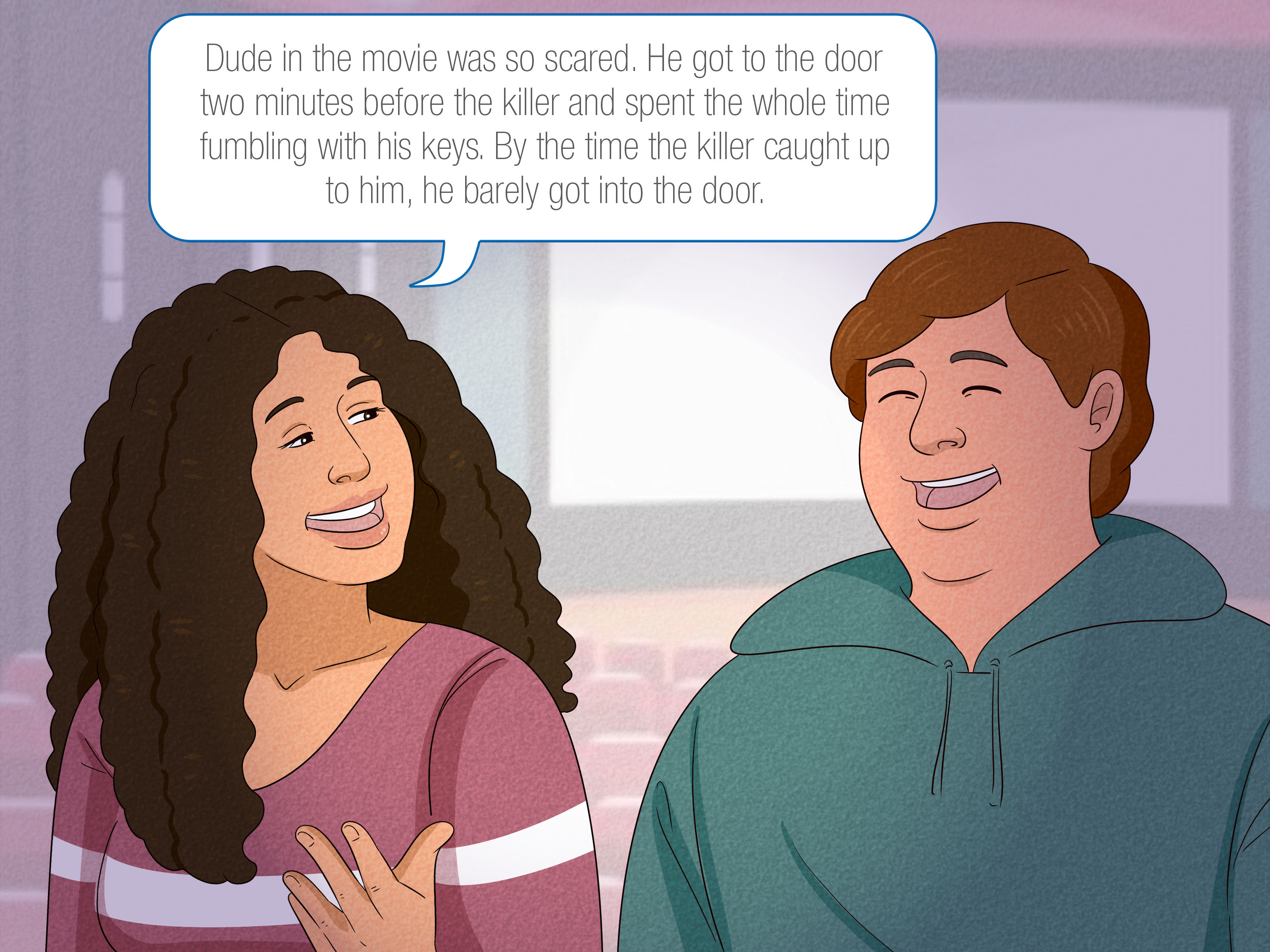
In sports, a fumble is when someone drops the ball. In dating, it is basically the same thing, except the “ball” may be a great person, a promising connection, or a perfectly good relationship that got tackled by poor timing, weak communication, mixed signals, or one spectacularly bad text sent at 1:13 a.m.
So, what does fumble mean in a relationship? In modern dating slang, to “fumble” a relationship means to mess up a romantic opportunity or damage a connection through awkward behavior, carelessness, fear, immaturity, dishonesty, or lack of effort. It can happen before two people officially date, during the talking stage, after a breakup, or even inside a long-term relationship.
The good news? Not every fumble is fatal. Some are tiny emotional banana peels. Others are major trust-denting mistakes. This complete guide explains what “fumble” means in dating, how people use the term, common examples, signs you may have fumbled someone, what to do next, and how to avoid dropping the relationship ball again.
What Does “Fumble” Mean?
The original meaning of “fumble” is to handle something clumsily, do something awkwardly, or make a blunder. That everyday meaning explains why the word works so well in relationships. A romantic fumble is rarely smooth, intentional, or elegant. It usually looks like hesitation, confusion, avoidant behavior, poor choices, or a failure to recognize what was right in front of you.
In dating slang, “fumbled” often means someone had a real chance with a person they liked, or who liked them, but they messed it up. Friends might say, “You fumbled her,” “He fumbled the relationship,” or “I can’t believe you fumbled that.” Translation: you had an opportunity, and somehow you turned it into a group-chat case study.
What Does Fumble Mean in a Relationship?
In a relationship, “fumble” means mishandling a romantic connection in a way that causes distance, disappointment, confusion, or a breakup. It does not always mean cheating or doing something dramatic. Sometimes it means failing to communicate, taking someone for granted, ignoring emotional needs, or acting like commitment is a surprise quiz you did not study for.
Here is the simplest definition:
To fumble in a relationship means to lose or damage a romantic connection because of your own actions, inaction, or emotional clumsiness.
That last part matters. A fumble can be an action, such as lying, flirting carelessly, ghosting, or saying something hurtful. It can also be inaction, such as not texting back, refusing to define the relationship, avoiding hard conversations, or waiting too long to show interest.
Where the Dating Slang Comes From
The phrase likely became popular because “fumble” already has a strong sports image. A player has possession, loses control, and the other team may recover. In dating, a person may have someone’s trust, affection, attention, or interest, then lose it by handling the situation poorly.
It is also related to the phrase “fumble the bag,” which means to lose a valuable opportunity. In relationships, the “bag” is not money. It is emotional potential: someone kind, compatible, attractive, loyal, funny, supportive, or simply rare. In other words, the person who remembered your coffee order and still laughed at your weird jokes. That is not a bag you want to drop.
Common Examples of Fumbling in Dating
1. You waited too long to show interest
Someone gave clear signs that they liked you, but you played it too cool. You replied slowly, avoided making plans, and acted emotionally unavailable. By the time you finally decided to be brave, they had moved on. That is a classic fumble.
2. You sent mixed signals
One day you acted deeply interested. The next day you disappeared. Then you came back with “sorry, I’ve been busy,” even though your social media activity suggested you were busy being online. Mixed signals make people feel unsafe and confused. Eventually, they stop trying to decode you like a mysterious ancient tablet.
3. You took your partner for granted
In long-term relationships, a fumble may look like assuming your partner will always stay, even when you stop showing appreciation. Love needs maintenance. You cannot water a plant once in April and expect a jungle in December.
4. You avoided important conversations
Some people fumble because they dodge talks about commitment, boundaries, future plans, money, family, or emotional needs. Avoidance may feel comfortable in the moment, but it often creates bigger problems later.
5. You broke trust
Lying, hiding important information, flirting behind someone’s back, or making promises you do not keep can turn a small fumble into a serious relationship injury. Trust is not built by dramatic speeches. It is built by consistent behavior.
6. You let pride win
Sometimes people know they hurt their partner but refuse to apologize because they do not want to “lose.” Unfortunately, when pride wins, intimacy often loses. A relationship is not a courtroom drama. You do not get extra love points for cross-examining someone’s feelings.
Signs You May Have Fumbled Someone
You may have fumbled a relationship if the other person used to be warm and available but now seems distant, tired, or emotionally checked out. They may stop initiating conversations, stop making plans, or stop sharing personal details. Instead of arguing, they may become quiet because they have already explained themselves too many times.
Another sign is regret. You replay conversations and think, “I should have handled that differently.” Regret can be useful if it leads to growth. It becomes harmful only when you use it to punish yourself instead of learning from it.
You may also notice that the connection ended not because there was no chemistry, but because there was not enough care, clarity, or courage. That is the painful part of fumbling: it often involves losing something that had potential.
Fumbling vs. Being Rejected: What Is the Difference?
Fumbling and rejection are not the same. Rejection means someone did not want the connection, or the relationship was not right for them. Fumbling means there may have been a real chance, but behavior damaged that chance.
For example, if you ask someone out respectfully and they say no, that is rejection, not a fumble. If someone likes you and you repeatedly ignore them, cancel plans, or act careless until they lose interest, that is closer to a fumble.
This distinction is important because not every romantic disappointment is your fault. Dating involves timing, compatibility, values, readiness, and mutual interest. You cannot “fumble” someone who was never genuinely available or interested. That is not a fumble. That is life wearing a slightly annoying hat.
Can You Fumble Someone You Were Never Officially Dating?
Yes. Many people use “fumble” to describe the talking stage, a situationship, a crush, or a potential relationship. In fact, early-stage dating is where fumbling happens most often because expectations are unclear and everyone is trying to seem relaxed while secretly analyzing punctuation.
Maybe you did not ask for the date. Maybe you never clarified your intentions. Maybe you acted like you wanted a relationship but behaved like you wanted a pen pal with occasional compliments. If the connection had mutual interest and your behavior caused it to fall apart, people may call that a fumble.
Why People Fumble Good Relationships
Fear of vulnerability
Some people fumble because they are scared to be honest about their feelings. Vulnerability feels risky, so they hide behind jokes, distance, sarcasm, or emotional detours. The problem is that love cannot grow well in a room where nobody turns on the lights.
Poor communication skills
A lot of relationship problems are communication problems wearing fake mustaches. People assume, interrupt, blame, shut down, or avoid saying what they actually mean. Healthy communication requires listening, asking questions, and expressing feelings without turning every disagreement into a championship debate.
Emotional immaturity
Fumbling can happen when someone wants the benefits of closeness without the responsibility of consistency. They enjoy attention but avoid accountability. They want affection but panic when the relationship requires effort.
Unhealed past experiences
Past hurt can shape present behavior. A person who has been betrayed may become suspicious. Someone who has felt abandoned may test their partner. Someone who fears rejection may pretend not to care. These patterns do not make someone “bad,” but they can still damage a relationship if left unaddressed.
Taking chemistry too far and effort not far enough
Chemistry is exciting, but it is not a full relationship plan. A spark can start the fire, but care, respect, honesty, and reliability keep it from becoming smoke and awkward memories.
How to Fix a Relationship Fumble
1. Be honest about what happened
The first step is accountability. Do not dress the mistake up in fancy excuses. Instead of saying, “I guess things got weird,” say, “I was inconsistent, and I understand why that hurt you.” Specific accountability is more powerful than vague regret.
2. Apologize without performing
A good apology does not demand forgiveness. It does not include “but you also.” It does not arrive with fireworks, a playlist, and emotional fog machines. A strong apology names the behavior, recognizes the impact, expresses remorse, and explains what will change.
3. Listen before trying to repair
If the other person is willing to talk, listen carefully. Do not interrupt to defend yourself. Ask what they experienced, reflect back what you heard, and respect their feelings even if you remember the situation differently.
4. Show change through behavior
Words open the door, but behavior walks through it. If you fumbled by being inconsistent, become consistent. If you fumbled by avoiding communication, communicate clearly. If you fumbled by disrespecting boundaries, respect them without acting like you deserve a trophy.
5. Accept the outcome
Sometimes the relationship can be repaired. Sometimes the other person is done. A sincere apology is still valuable even when it does not restart the relationship. Growth is not only proven by getting someone back. It is also proven by treating them with respect after they choose to leave.
How to Avoid Fumbling a Relationship
To avoid fumbling, practice clarity early. Say what you want. If you are interested, show it. If you are not ready for commitment, be honest. If you need space, explain it respectfully instead of disappearing like a magician with poor texting habits.
Build healthy habits before problems become dramatic. Check in regularly. Ask your partner how they feel. Appreciate small things. Respond to bids for connection, such as a story, a joke, a request, or a simple “look at this.” Tiny moments of attention often matter more than grand romantic speeches.
Respect boundaries, including emotional, physical, time, social, and digital boundaries. A healthy relationship is not about constant access to someone. It is about mutual trust, safety, and respect.
Finally, repair quickly. Every couple has awkward moments and disagreements. The difference between a small mistake and a relationship fumble is often whether you repair it with humility, care, and changed behavior.
Is Fumbling Always a Bad Thing?
Not necessarily. Fumbling feels bad, but it can teach you what you need to change. Maybe you learned that silence is not maturity. Maybe you realized that “playing it cool” can look like not caring. Maybe you discovered that love requires more than attraction; it requires emotional skill.
A fumble can become a turning point if you use it well. The goal is not to become perfect. Nobody is perfect in relationships. The goal is to become more aware, more honest, and more capable of repairing what you damage.
When a Fumble Is Actually a Red Flag
Some mistakes are normal. Others point to deeper problems. A one-time awkward text is not the same as repeated dishonesty. Forgetting to respond once is not the same as using silence to punish someone. Needing space is not the same as keeping someone emotionally trapped with mixed signals.
If a relationship includes manipulation, fear, control, disrespect, repeated boundary violations, or emotional cruelty, do not minimize it by calling it “just a fumble.” Healthy relationships require respect, trust, honesty, safety, and mutual effort. A cute slang word should never be used to excuse harmful behavior.
What to Say If You Fumbled Someone
If you want to apologize, keep it simple and mature. Here is an example:
“I’ve thought about how I handled things, and I realize I was inconsistent and unclear. That was unfair to you. I’m sorry for making you feel like you had to guess where you stood with me. I understand if you need space, but I wanted to take accountability.”
That kind of message does three things: it names the behavior, validates the impact, and does not pressure the other person. It also avoids the classic fake apology: “Sorry you felt that way,” also known as the apology equivalent of a wet paper towel.
Real-Life Experiences: What Fumbling Looks Like in Everyday Relationships
One common experience is the “too cool to care” fumble. A person likes someone but does not want to seem needy, so they under-respond. They wait hours to text back, avoid compliments, and act casual even when they are very interested. At first, this may feel like strategy. Eventually, the other person reads it as low interest and stops investing. The lesson is simple: calm confidence is attractive; emotional hide-and-seek is exhausting.
Another everyday fumble happens when someone assumes a good partner will stay no matter what. In the beginning, they plan dates, send thoughtful messages, and pay attention. After a while, effort drops. They stop asking questions, stop noticing details, and stop expressing appreciation. Their partner may not leave immediately. Often, they slowly disconnect. By the time the careless partner realizes something is wrong, the emotional damage has been collecting interest like a very sad bank account.
There is also the conflict fumble. Two people disagree, and instead of slowing down, one person becomes defensive. They argue about tone, bring up old issues, or try to win the conversation. The actual problem gets buried under reactions. Later, they may say, “I didn’t mean it like that,” which may be true, but impact still matters. Many relationships do not break because of one disagreement. They break because the repair never comes.
Some people fumble by not defining the relationship. They enjoy closeness, affection, attention, and support, but when the other person asks, “What are we?” they suddenly act like the question is written in ancient Greek. Avoiding labels may feel easier than being honest, but it often creates insecurity. If two people want different things, clarity is kinder than comfort.
Another familiar story is the comeback fumble. Someone loses a good person, regrets it, and tries to return with a dramatic message. The problem is that regret alone does not rebuild trust. The other person needs to see self-awareness, accountability, and a real plan for change. “I miss you” may be honest, but it is not the same as “I understand what I did, and here is how I am working on it.”
Finally, there is the growth story. A person fumbles, reflects, apologizes, and changes. Maybe the relationship is repaired. Maybe it is not. Either way, they become better at communicating, listening, respecting boundaries, and showing appreciation. That is the best possible outcome of a fumble: not pretending it never happened, but becoming someone who handles love with more care next time.
Conclusion
So, what does fumble mean in a relationship? It means mishandling a romantic connection through awkwardness, inconsistency, poor communication, lack of effort, broken trust, or missed opportunity. It can happen in the talking stage, during dating, or inside a serious relationship.
But fumbling is not the end of your emotional story. If you take accountability, apologize sincerely, listen well, respect boundaries, and change your behavior, a fumble can become a lesson instead of a lifelong regret. Love is not about never dropping the ball. It is about learning how to hold it with both hands.
SEO Tags
Note: This article is for general relationship education and should not be used to excuse manipulation, disrespect, or unsafe behavior. Healthy relationships require mutual respect, clear communication, boundaries, honesty, and emotional safety.













