
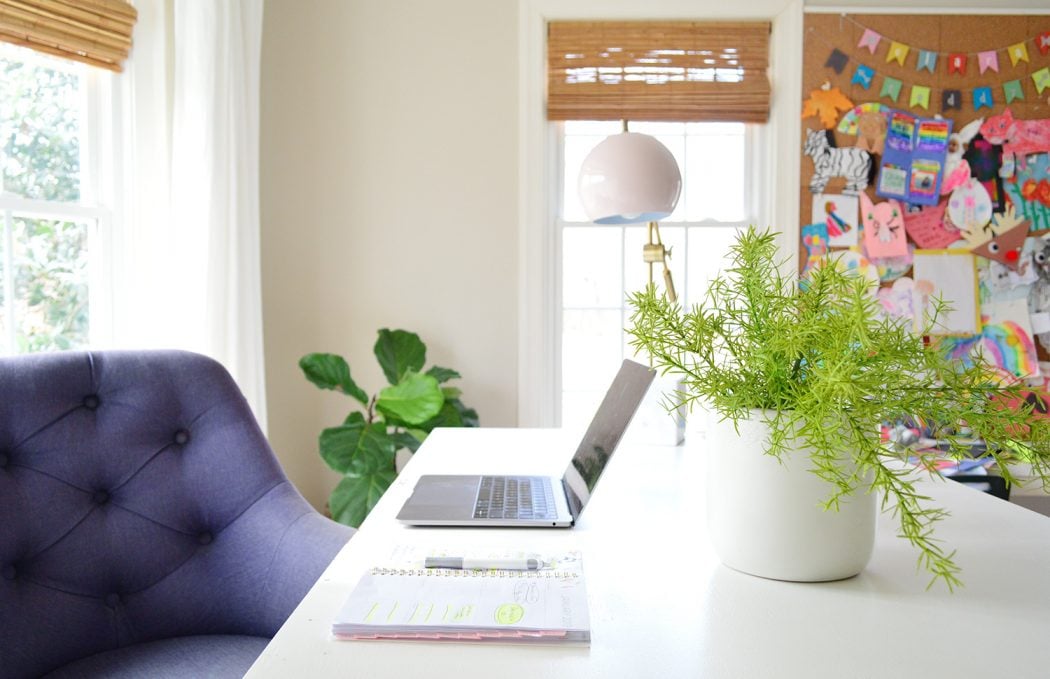
Some people collect houseplants the way others collect shoes, throw pillows, or tiny mystery cords they refuse to throw away. But if you have ever brought home a gorgeous leafy friend and watched it dramatically collapse three weeks later, you know the truth: not every “easy” plant is actually easy. Some are basically divas in a pot.
The good news? A beautiful, green home does not require a greenhouse, a moisture meter that looks like NASA equipment, or a daily pep talk with your fern. The best low-maintenance house plants can handle imperfect watering, less-than-perfect light, and the occasional vacation. And when a room has no natural light, when pets are too curious, or when your schedule is chaos wearing sneakers, realistic faux plants can save the day without looking like a dusty plastic souvenir from 1998.
This guide covers the easiest house plants for beginners, the best faux plants for stylish rooms, and the simple tricks that make both real and fake greenery look intentional, fresh, and designer-approved.
Why Easy House Plants Are the Secret to a Happier Home
House plants do more than sit around looking pretty, although honestly, that is already a useful skill. They soften hard corners, add texture to shelves, bring color to neutral rooms, and make a space feel lived-in without adding clutter. A trailing pothos on a bookcase can make a room feel relaxed. A tall snake plant can give a blank corner structure. A ZZ plant can look polished even when you forgot it existed for a month.
The key is choosing plants that match your actual home, not your fantasy home. Your fantasy home may have giant windows, perfect humidity, and a calm morning routine involving linen pants and herbal tea. Your actual home may have one north-facing window, dry air, and a watering schedule best described as “emotionally random.” Choose plants for the second home. That is where success begins.
The Easiest House Plants for Beginners
When people ask for easy indoor plants, they usually mean three things: plants that tolerate low light, plants that forgive missed watering, and plants that do not require constant troubleshooting. These are the house plants that fit that description best.
1. Snake Plant
The snake plant is the reliable friend who shows up on time, brings snacks, and never makes a scene. With upright sword-like leaves and a sculptural shape, it works in bedrooms, living rooms, offices, and awkward corners that need a little height.
Snake plants prefer bright, indirect light, but they tolerate low-light areas better than many common houseplants. They also store moisture well, so they do not want constant watering. In fact, overwatering is the fastest way to turn a snake plant from “architectural accent” into “sad compost candidate.” Let the soil dry out before watering again, and use a pot with drainage.
Best for: beginners, low-light rooms, bedrooms, modern interiors, and people who forget watering day.
2. ZZ Plant
The ZZ plant might be the closest thing to a houseplant with a built-in survival plan. It has glossy leaves, thick stems, and underground rhizomes that store water. That means it can handle dry spells like a tiny green camel in a decorative pot.
ZZ plants tolerate low light, though they grow faster in bright, indirect light. They do not like soggy soil, so the easiest care rule is simple: when in doubt, wait. Water only when the potting mix has dried out. This plant is excellent for offices, hallways, apartments, and anyone who wants greenery with very little drama.
Best for: offices, low-maintenance homes, darker corners, and people who travel often.
3. Pothos
Pothos is the golden retriever of house plants: cheerful, adaptable, and usually happy to be here. Its trailing vines look great on shelves, mantels, plant stands, and hanging baskets. Golden pothos, marble queen pothos, neon pothos, and jade pothos all bring slightly different looks while staying easy to grow.
Pothos prefers bright, indirect light but can tolerate lower light. In dim spaces, variegated varieties may lose some of their dramatic coloring, but the plant usually keeps growing. Let the top inch or two of soil dry before watering. If the leaves droop, it is often asking for water. If the leaves yellow and the soil is wet, it is probably asking you to stop helping so much.
Best for: shelves, hanging planters, beginner plant parents, and fast-growing greenery.
4. Spider Plant
Spider plants are friendly, forgiving, and slightly ridiculous in the best way. Once mature, they send out little baby plantlets that dangle like tiny green fireworks. They prefer indirect to moderate light and average moisture, making them one of the most approachable indoor plants.
Allow the soil to dry slightly between waterings. Spider plants can tolerate a little neglect, and they are easy to propagate. If you enjoy giving plants to friends, this one may turn you into the neighborhood plant dealer. Totally legal. Mostly charming.
Best for: hanging baskets, bright rooms, plant beginners, and propagation fans.
5. Cast Iron Plant
The cast iron plant has earned its name. It tolerates low light, occasional watering, and general neglect better than many leafy houseplants. It grows slowly, so it is not the plant for anyone craving instant jungle energy, but it is wonderfully steady.
Its broad, deep green leaves work especially well in traditional rooms, shaded corners, and spaces where fussier plants have failed. Give it indirect light, avoid soggy soil, and let it quietly do its thing.
Best for: shaded rooms, classic interiors, patient plant owners, and low-effort greenery.
6. Chinese Evergreen
Chinese evergreen is a great pick when you want easy care plus color. Many varieties have patterned leaves with silver, green, cream, or pink tones. They tolerate lower light better than many colorful plants, though brighter indirect light helps maintain stronger leaf patterns.
Water when the top layer of soil dries out, and keep it away from cold drafts. It is a good choice for bedrooms, living rooms, and offices where you want something more decorative than basic green foliage.
Best for: low-light color, desks, side tables, and cozy corners.
Simple Care Rules That Keep Easy Plants Alive
Match the Plant to the Light
“Low light” does not mean “no light.” Most real plants need some usable light to maintain growth. If a room has no windows at all, consider a grow light or choose a faux plant instead. Bright, indirect light is the sweet spot for many house plants. Direct hot sun can scorch leaves, while deep darkness slows growth and can lead to weak, stretched stems.
Stop Watering on a Calendar
The biggest beginner mistake is watering every Saturday because Saturday feels responsible. Plants do not care what day it is. Check the soil instead. Many easy houseplants prefer to dry out between waterings, especially snake plants and ZZ plants. If the pot still feels heavy and the soil is damp, give it more time.
Use Pots With Drainage
A pretty pot without drainage can become a tiny indoor swamp. If you love a decorative cachepot, keep the plant in a plastic nursery pot inside it. Remove the inner pot to water, let it drain, then place it back. This one habit prevents a surprising number of plant funerals.
Dust the Leaves
Dust blocks light and makes plants look tired. Wipe large leaves with a soft damp cloth every few weeks. This is also a great time to inspect for pests, yellowing, or any suspicious leaf behavior. Plants are quiet, but they do leave clues.
A Quick Pet Safety Note
Many popular easy house plants, including pothos, ZZ plant, snake plant, philodendron, and peace lily, can be toxic if chewed or ingested by cats, dogs, or children. This does not mean you can never own them, but placement matters. Use high shelves, hanging baskets, closed rooms, or pet-safe alternatives if your pets treat leaves like a salad bar.
If you have a curious pet, consider spider plants, certain peperomias, calatheas, or faux plants in areas your pet cannot chew. And when in doubt, check plant toxicity before buying. It is much easier than explaining to the vet why your cat has once again made “interesting choices.”
When Faux Plants Are Actually the Best Choice
Faux plants used to have a reputation problem. Many looked shiny, stiff, and suspiciously like they came from a dentist’s waiting room in 2003. Thankfully, the best artificial plants today are far more realistic. Good faux greenery can add shape, color, and softness without water, light, pests, pruning, fertilizer, or guilt.
Faux plants are especially smart in windowless rooms, high shelves, vacation homes, rental properties, dark bathrooms, busy offices, and homes with pets that chew everything except the expensive toys you bought them. They are also useful for people who simply do not want one more living thing depending on them. Fair.
The Best Faux Plants I’ve Found for Realistic Style
1. Faux Olive Trees
A faux olive tree is one of the easiest artificial plants to style because the real version already has a slightly sparse, airy shape. That means a good fake olive tree does not need to look bushy or perfect. In fact, a little irregularity makes it more believable.
Look for bendable branches, varied leaf tones, and a trunk that does not look like molded plastic. Place it in a large woven basket or ceramic planter, then top the base with preserved moss or small stones. Suddenly it looks less “delivered in a box” and more “casual Mediterranean villa,” which is a nice upgrade for a Tuesday.
2. Faux Rubber Plants
Rubber plants are excellent candidates for faux versions because their real leaves are naturally thick, glossy, and structured. A high-quality faux rubber plant can look convincing from just a few feet away. Choose one with deep green leaves, subtle color variation, and stems that can be gently shaped.
This is a great option for corners, entryways, and rooms that need bold greenery without delicate leaves. Avoid versions that are too shiny. If the leaves reflect light like a raincoat, keep shopping.
3. Faux Succulents
Faux succulents are often the easiest artificial plants to pull off because real succulents already look a little unreal. Their thick leaves, compact shapes, and waxy surfaces translate well into faux materials.
Use faux succulents on bathroom shelves, nightstands, desks, trays, and windowless laundry rooms. The trick is restraint. One or two realistic faux succulents can look chic. Twelve tiny plastic rosettes in a row can start to feel like a craft-store uprising.
4. Faux Pothos and Trailing Greenery
Trailing faux plants work beautifully on high shelves, bookcases, and cabinets where no one is inspecting each leaf up close. Faux pothos, faux philodendron, and faux eucalyptus can soften storage pieces and add movement to a room.
Choose trailing plants with uneven vine lengths and leaves in more than one shade of green. Perfect symmetry is the enemy of realism. Real plants are delightfully messy. Fake plants should be allowed to fake that messiness.
5. Faux Stems in a Vase
If a whole faux plant feels like too much, start with stems. Faux eucalyptus, olive branches, ficus branches, or simple leafy stems can look elegant in a vase. This is especially useful on dining tables, console tables, bathroom counters, and guest rooms.
The best faux stems have flexible wires, matte leaves, and realistic color variation. Bend the stems slightly before placing them in a vase. Straight-from-the-box stems often look like they are standing at attention. Plants should not look nervous.
How to Make Faux Plants Look Expensive
Upgrade the Pot
The fastest way to improve a faux plant is to remove or hide the cheap starter pot. Place it inside a larger planter, basket, crock, or ceramic vessel. If the plant sits too low, raise it with packing paper, a small box, or an upside-down nursery pot hidden inside the container.
Add Realistic Top Dressing
Cover the base with preserved moss, orchid bark, pebbles, or even a layer of real potting soil if the plant will not be moved often. This hides the cemented base and makes the plant look intentionally styled.
Shape the Leaves and Branches
Most faux plants arrive compressed from shipping. Fluff them. Bend branches outward. Turn leaves in different directions. Create empty spaces. Real plants do not grow in perfect circles, and neither should faux ones.
Keep Them Clean
Dust is the great betrayer of fake greenery. A realistic faux plant can look fantastic until the leaves develop a gray sweater. Use a microfiber cloth, a soft duster, or a quick blast of cool air from a hair dryer. Clean faux plants every few weeks, especially in kitchens and bathrooms.
Real vs. Faux Plants: Which Should You Choose?
Choose real plants when the space has decent light, you enjoy caring for them, and you want the natural growth and movement that only living plants provide. Choose faux plants when the space is too dark, too hard to reach, too dry, too pet-accessible, or too busy for regular care.
The best homes often use both. A real pothos near a window, a snake plant in the bedroom, faux stems in a dark hallway, and a faux olive tree in a shadowy corner can all live happily together. Nobody needs to know which ones are real unless they are watering them, and if they are watering your faux olive tree, please be kind. They were trying.
My Experience With Easy House Plants and Faux Greenery
The biggest lesson I have learned from living with house plants is that “easy” does not mean “ignore forever.” It means the plant gives you a wider margin for error. A fern may punish you for one dry weekend. A ZZ plant will simply sit there looking glossy, as if it has a retirement account and excellent boundaries.
Snake plants have been the most dependable real plants in my experience. They are not fast, flashy, or needy, but they always look put together. I like them in bedrooms and entryways because their vertical shape adds structure without taking over the room. The only mistake I have made with snake plants is giving them too much love. Too much water, specifically. Once I learned to wait until the soil was fully dry, they became almost boringly successful, which is exactly what I want from a plant.
Pothos has been my favorite for instant satisfaction. It grows quickly, trails beautifully, and makes shelves look styled even when the shelf is mostly old books, a candle, and one object I bought because a store display convinced me I had taste. I have found that pothos looks best when it has room to trail naturally. A high shelf, wall-mounted planter, or tall cabinet gives it space to do its leafy little waterfall routine.
ZZ plants are my top pick for rooms where I want greenery but do not want responsibility. Their glossy leaves make them look more expensive than they are, and they can handle lower light better than many plants. I would not put one in a completely windowless room without a grow light, but for a dim office or hallway with indirect light, they are excellent.
As for faux plants, I have become much less snobby about them. A good faux plant in the right spot is better than a real plant slowly suffering in the wrong spot. The best faux plants I have found are the ones that mimic plants with naturally thick or structured leaves: succulents, rubber plants, olive trees, and trailing pothos-style greenery. These shapes translate well because real versions already have strong silhouettes.
The faux plants that fool the eye usually have three things in common: matte finishes, imperfect shapes, and better containers. I rarely judge a faux plant by the starter pot because that pot is almost always doing the plant no favors. Once placed in a basket or ceramic planter with moss at the base, even a mid-priced faux tree can look surprisingly polished.
I also prefer mixing real and faux plants in the same room. A real spider plant on a windowsill makes nearby faux stems feel more believable. A real pothos beside a faux succulent creates a relaxed, layered look. The goal is not to trick a botanist. The goal is to make a room feel fresh, warm, and alive without turning home decor into a second job.
My final rule is simple: use real plants where they can thrive and faux plants where real plants go to write dramatic farewell letters. That balance keeps the house green, the maintenance manageable, and the plant guilt at a healthy minimum.
Conclusion
The easiest house plants are not magic; they are simply well-matched to real life. Snake plants, ZZ plants, pothos, spider plants, cast iron plants, and Chinese evergreens all offer beauty without demanding constant attention. Give them the right light, avoid overwatering, use drainage, and they will reward you with long-lasting greenery.
Faux plants deserve a place in the conversation, too. The best faux plants today can look stylish, natural, and surprisingly convincing when you choose realistic materials, upgrade the pot, shape the branches, and keep them dust-free. For dark rooms, busy schedules, pet-heavy homes, and hard-to-reach shelves, faux greenery is not cheating. It is decorating with common sense.
In the end, the best plant is the one that works for your space, your routine, and your tolerance for leaf drama. Whether it grows in soil or arrives in a shipping box, greenery should make your home feel betternot add another chore to your list.










