
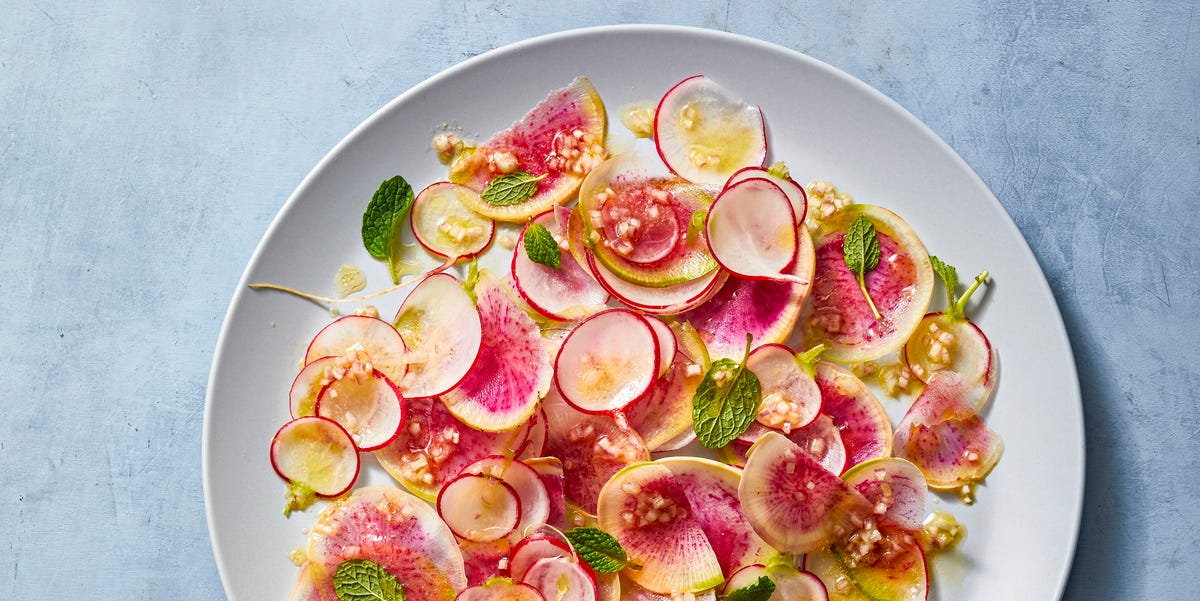
Radishes are the tiny firecrackers of the produce aisle: crisp, colorful, a little spicy, and somehow always dressed like they are heading to a picnic. If you have ever bought a bunch because they looked adorable, then let them stare at you from the crisper drawer until they turned into sad vegetable marbles, this recipe is your comeback story.
This best radish salad recipe is bright, crunchy, refreshing, and wildly easy to make. It uses thinly sliced radishes, cucumber, fresh herbs, lemon, olive oil, a touch of honey, and a creamy optional finish that makes the whole bowl taste balanced instead of aggressively peppery. Think of it as the salad equivalent of opening a window on a spring morningfresh air, sunshine, and zero complicated cooking.
Even better, this salad works as a quick side dish for grilled chicken, salmon, steak, sandwiches, tacos, brunch eggs, or a simple vegetarian lunch. It is fast enough for a weeknight and pretty enough for company. The radishes do most of the visual work, which is nice because we all deserve a recipe that looks fancy without requiring tweezers.
Why This Is the Best Radish Salad Recipe
A great radish salad needs more than sliced radishes tossed into a bowl and wished good luck. Radishes are naturally peppery, watery, and crisp, so the secret is balance. This recipe uses acidity, salt, fat, herbs, and a little sweetness to round out the sharp edges.
It balances peppery flavor with brightness
Lemon juice and vinegar soften the bite of raw radishes while keeping the salad lively. A small spoonful of honey or maple syrup does not make the salad sweet; it simply takes the “tiny vegetable megaphone” out of the radish and turns it into a charming dinner guest.
It keeps the crunch
Thin slicing is important. Paper-thin radishes absorb dressing better and feel delicate instead of chunky. A brief salting step draws out extra moisture, seasons the radishes from within, and helps them stay snappy. The result is crisp, not soggy.
It uses simple ingredients
You do not need rare oils, imported salts, or a culinary degree. The recipe relies on grocery-store basics: radishes, cucumber, herbs, lemon, olive oil, vinegar, and salt. If you want a creamy radish salad, add Greek yogurt or sour cream. If you want it vegan, skip the dairy. Radishes are flexible little bulbs.
Ingredients for Radish Salad
This recipe serves 4 as a side dish. It can easily be doubled for a barbecue, picnic, potluck, or any gathering where people say, “I brought chips,” and you decide to bring something with vitamins.
For the salad
- 2 bunches fresh radishes, trimmed and very thinly sliced
- 1 medium cucumber, thinly sliced or half-moon sliced
- 1/4 small red onion or 1 small shallot, very thinly sliced
- 1/3 cup fresh dill, chopped
- 1/4 cup fresh parsley or mint, chopped
- 2 tablespoons toasted sunflower seeds, pumpkin seeds, or chopped walnuts
- Optional: 2 cups baby arugula, butter lettuce, or romaine
For the lemon-herb dressing
- 3 tablespoons extra-virgin olive oil
- 2 tablespoons fresh lemon juice
- 1 tablespoon apple cider vinegar or white wine vinegar
- 1 teaspoon honey or maple syrup
- 1 teaspoon Dijon mustard
- 1 small garlic clove, finely grated or minced
- 1/2 teaspoon kosher salt, plus more to taste
- 1/4 teaspoon black pepper
- Optional: 2 tablespoons Greek yogurt or sour cream for a creamy dressing
How To Make Radish Salad
The method is straightforward, but each step has a job. Follow it once, and you will probably never need to look it up again.
Step 1: Choose fresh radishes
Look for firm radishes with smooth skins and bright color. If the greens are attached, they should look fresh rather than wilted. Avoid radishes that feel soft, spongy, cracked, or suspiciously tired. A radish should feel like it has plans.
Step 2: Trim and wash
Cut off the root tips and leafy tops. Do not toss the greens if they are fresh; they can be sautéed, blended into pesto, or chopped into soups. Wash the radishes well, especially around the stem end, where dirt likes to hide like it pays rent.
Step 3: Slice thinly
Use a sharp knife, mandoline, or food processor slicing blade. Thin slices are key because they make the salad more elegant and less aggressively crunchy. If using a mandoline, use the guard. A radish salad should contain radishes, not suspense.
Step 4: Salt the radishes
Place the sliced radishes in a bowl and sprinkle them with a pinch of kosher salt. Let them sit for 10 minutes. This step seasons them, lightly softens their bite, and draws out excess liquid. Drain any liquid from the bowl before adding the other ingredients.
Step 5: Make the dressing
In a small bowl or jar, whisk together olive oil, lemon juice, vinegar, honey, Dijon mustard, garlic, salt, and black pepper. For a creamy radish salad, whisk in Greek yogurt or sour cream. Taste and adjust. If it tastes flat, add lemon. If it tastes too sharp, add a tiny drizzle of honey or more olive oil.
Step 6: Toss and rest briefly
Add cucumber, onion, herbs, and dressing to the radishes. Toss gently until everything is glossy and evenly coated. Let the salad rest for 5 to 10 minutes before serving so the flavors can introduce themselves properly.
Step 7: Finish with crunch
Top with toasted seeds or nuts right before serving. This gives the salad texture and a nutty flavor that plays beautifully with the peppery radishes and fresh herbs.
Chef Tips for a Better Radish Salad
Use ice water for extra crispness
If your radishes are slightly limp, slice them and place them in ice water for 10 to 15 minutes. Drain well and pat dry before salting or dressing. This trick brings back crunch and makes the slices curl slightly, which looks restaurant-level without restaurant-level stress.
Mellow the onion
Raw onion can overpower a delicate salad. To soften its bite, soak sliced red onion or shallot in lemon juice or vinegar for 5 to 10 minutes before mixing it in. It becomes brighter, sweeter, and less likely to announce itself from across the room.
Do not overdress
Radishes and cucumbers release water as they sit. Start with about three-quarters of the dressing, toss, then add more only if needed. A good radish salad should taste fresh and lightly dressed, not like it slipped in a puddle.
Serve soon after mixing
This salad is best within the first hour. It can still taste good later, but the vegetables will soften. For meal prep, store the sliced vegetables and dressing separately, then toss before eating.
Flavor Variations
Once you know the basic formula, you can take radish salad in several delicious directions. Radishes are surprisingly social and get along with more ingredients than people expect.
Creamy cucumber radish salad
Add 1/4 cup Greek yogurt or sour cream to the dressing and increase the dill. This version tastes cool, tangy, and comforting. It is excellent with grilled meats, roasted potatoes, or salmon.
French-style radish salad
Use butter lettuce, sliced radishes, fresh chives, lemon juice, olive oil, and flaky salt. Add shaved Parmesan or a few thin slices of baguette on the side. It is inspired by the classic French pairing of radishes, butter, and salt, but turned into a salad that feels light and elegant.
Spicy radish salad
Add thinly sliced jalapeño, crushed red pepper, or a spoonful of chili crisp. Swap lemon juice for lime juice and finish with cilantro. This variation is fantastic with tacos, grilled shrimp, rice bowls, or roasted sweet potatoes.
Radish apple salad
Add thinly sliced tart apple and toasted walnuts. The apple brings sweetness and crunch, while the walnuts add richness. Use apple cider vinegar in the dressing to tie everything together.
Radish and snap pea salad
Add sliced sugar snap peas for a springy, green, extra-crunchy side dish. Lemon, shallot, and mint work especially well here. It tastes like the garden had a group chat and invited everyone fun.
What To Serve With Radish Salad
This easy radish salad is a natural side dish for meals that need freshness. Serve it with grilled chicken, seared salmon, roast pork, steak, shrimp skewers, sandwiches, burgers, or grain bowls. It also works beautifully next to rich foods because the acidity cuts through heaviness.
For brunch, pair it with scrambled eggs, avocado toast, smoked salmon, or a frittata. For lunch, pile it onto hummus toast or serve it beside a turkey sandwich. For dinner, add chickpeas, white beans, farro, quinoa, or grilled chicken and turn it into a main dish.
How To Store Radish Salad
Store leftovers in an airtight container in the refrigerator for up to 2 days. The salad will become softer as it sits, especially if cucumber is included. To refresh it, add a squeeze of lemon juice, a pinch of salt, and a handful of fresh herbs before serving.
If making it ahead, slice the radishes, cucumber, and onion up to 1 day in advance. Keep them dry in a covered container with a paper towel. Make the dressing separately and refrigerate it. Toss everything together shortly before serving for the best texture.
Radish Salad Nutrition Notes
Radishes are naturally low in calories and high in water, which makes them refreshing and crisp. They also provide vitamin C and a small amount of fiber. Their peppery flavor comes from natural compounds found in cruciferous vegetables, the same family that includes cabbage, broccoli, kale, and mustard greens.
This salad is light but not boring. Olive oil adds satisfying richness, herbs add freshness, cucumber adds hydration and crunch, and seeds or nuts add texture. If you want more protein, add grilled chicken, salmon, chickpeas, hard-boiled eggs, feta cheese, or white beans.
Common Mistakes To Avoid
Cutting the radishes too thick
Thick radish slices can taste harsh and dominate the salad. Thin slices make the flavor more balanced and the texture more pleasant.
Skipping the salt rest
The 10-minute salting step may seem small, but it makes a noticeable difference. It seasons the radishes and helps remove some excess moisture.
Using dried herbs instead of fresh
Dried herbs are useful in many recipes, but this is not their big moment. Fresh dill, parsley, mint, cilantro, or chives make radish salad taste alive.
Adding nuts too early
Seeds and nuts lose crunch if they sit in dressing too long. Add them right before serving.
Experience Notes: What I Learned Making Radish Salad Again and Again
The first time I made radish salad, I treated radishes like tiny tomatoes. I sliced them, tossed them into a bowl, added dressing, and expected applause. Instead, the salad tasted like it had opinions. Strong opinions. The radishes were sharp, the onion was louder than necessary, and the dressing seemed to be standing nearby rather than participating. It was edible, but so is a plain rice cake, and nobody writes love songs about that.
The biggest lesson was that radishes need balance. They are not shy vegetables. They bring crunch, color, and heat, but they need acid, salt, fat, and herbs to become their best selves. Once I started salting the slices for a few minutes, everything changed. The radishes became crisper, better seasoned, and less bitter. It was like they went to finishing school but still kept their personality.
The second lesson was about slicing. A thick radish slice can feel like chewing a crunchy coin. A thin slice, however, is delicate and refreshing. A mandoline makes this easy, but a sharp knife works too. The goal is not perfection; the goal is a texture that lets the dressing cling to every piece. If some slices are uneven, congratulations, your salad has rustic charm.
I also learned that herbs are not decoration here. They are major ingredients. Dill gives the salad a cool, almost pickle-like freshness. Mint makes it feel bright and summery. Parsley adds clean green flavor. Chives bring gentle onion notes without taking over. When in doubt, use more herbs than you think. A radish salad with too few herbs feels like a sentence without punctuation.
Another helpful discovery: cucumber is radish salad’s best friend. It softens the peppery edge and adds a cooling crunch. Red onion or shallot adds depth, but it must be sliced thinly or mellowed in vinegar first. Otherwise, it can hijack the salad and turn a fresh side dish into an onion press conference.
For serving, I have found that radish salad shines brightest next to rich or smoky foods. It wakes up grilled steak, balances creamy potato salad, and makes fish taste fresher. It is also excellent in tacos, especially with grilled chicken or shrimp. The salad adds crunch without needing heavy sauces, which is helpful when dinner already has enough going on.
My favorite version is the creamy one with Greek yogurt, lemon, dill, and cucumber. It tastes cool and tangy, almost like a lighter cousin of cucumber salad. But when I want something sharper and more elegant, I skip the yogurt and use lemon, olive oil, Dijon, and parsley. Both versions prove the same point: radishes are not just a garnish. They can carry the whole dish, and they do it wearing bright pink jackets.
Conclusion
The best radish salad recipe is simple, crisp, colorful, and balanced. By slicing the radishes thinly, salting them briefly, pairing them with cucumber and herbs, and tossing them in a bright lemon dressing, you turn an often-overlooked vegetable into a fresh side dish that tastes lively and looks beautiful.
This is the kind of recipe that makes everyday meals feel more intentional. It is quick enough for lunch, pretty enough for guests, and flexible enough to match whatever is already in your kitchen. Whether you make it creamy, spicy, French-inspired, or extra herby, radish salad deserves a regular spot on your table. The humble radish has been waiting patiently in the produce aisle, and frankly, it is ready for its main-character moment.
Note: This article is written in original, publish-ready American English and is designed for web publication without unnecessary citation placeholders or source-code explanations.














