
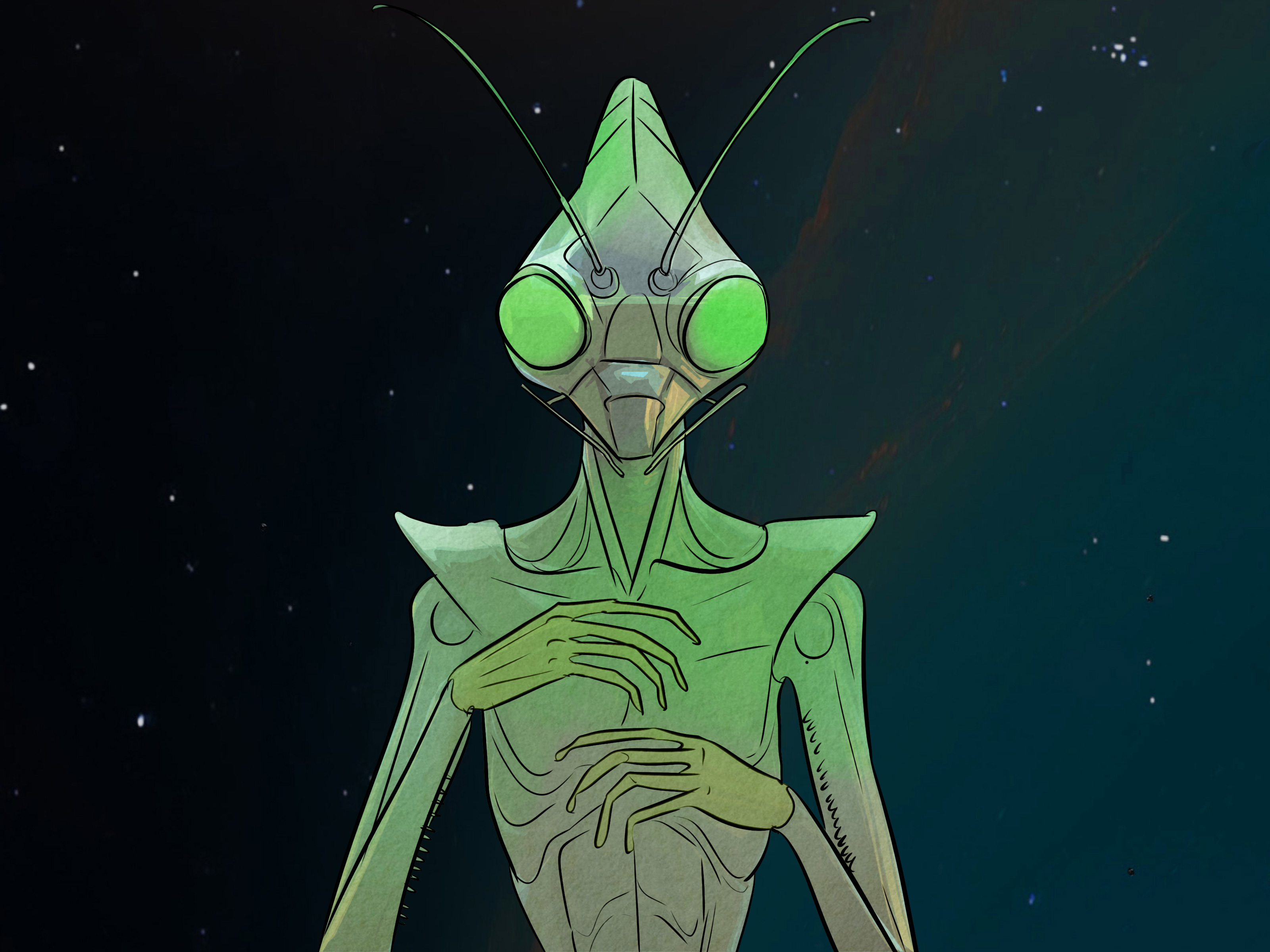
Note: This article synthesizes real astronomy, sci-fi writing, character-naming, and worldbuilding guidance into original web-ready content without inserting source links.
Somewhere in the galaxy, a seven-eyed diplomat is waiting for a name that does not sound like “Bob from Accounting.” That is where an Alien Name Generator becomes surprisingly useful. Whether you are writing a science fiction novel, building a tabletop RPG campaign, naming a video game species, or simply trying to give your pet lizard the dramatic interstellar identity it clearly deserves, the right extraterrestrial name can make your fictional universe feel bigger, stranger, and more alive.
Alien names are not just random syllables tossed into a cosmic blender. The best ones suggest culture, biology, environment, language, history, and personality. A warrior from a volcanic moon should not sound exactly like a peaceful jellyfish scholar from an ocean world. A mysterious hive queen probably needs more grandeur than “Zippy.” Naming is worldbuilding in miniature, and a good generator can help you start that process faster.
This guide explains how alien name generators work, what makes a great sci-fi name memorable, how to customize names for different species, and how to avoid names that look like someone spilled alphabet soup on a keyboard. Buckle in. The mothership is leaving.
What Is an Alien Name Generator?
An Alien Name Generator is a creative tool that produces fictional names for extraterrestrial characters, alien races, planets, star systems, spacecraft, colonies, empires, and cosmic civilizations. Some generators create names randomly. Others use patterns based on phonetics, fantasy naming styles, sci-fi tropes, mythology, astronomy, or user-selected themes.
For example, a generator might create names such as:
- Zorvath Kree a sharp, commanding name for a military alien leader.
- Eluna Vey softer and more elegant, suitable for a cosmic healer or diplomat.
- Thraxxul-9 mechanical, intimidating, and perfect for a cybernetic invader.
- Omi Nara simple, readable, and useful for a friendly alien companion.
- Vaelorith ancient, mystical, and probably owns at least one floating crystal.
The goal is not only to generate something weird. Weird is easy. Try naming a character “Qx’rrbllk” and watch your readers quietly close the tab. A strong alien name should feel unusual while still being pronounceable, memorable, and appropriate for the story world.
Why Alien Names Matter in Sci-Fi and Fantasy
Names shape first impressions. Before readers know an alien’s home planet, political beliefs, favorite plasma beverage, or tragic moonlit backstory, they meet the name. A name tells them what kind of atmosphere they are stepping into.
Names Suggest Culture
An alien civilization with names like Saa Luma, Eri Vaan, and Mira Sol feels different from one with names like Gruk-Tan, Vraknor, and Tholm. The first group may sound lyrical, spiritual, or diplomatic. The second may suggest a harsher environment, warrior traditions, or a language built from heavier consonants.
Names Support Worldbuilding
In real astronomy, planets, moons, and features often follow naming systems connected to mythology, discovery, scientific classification, or formal conventions. Fictional worlds benefit from similar consistency. If one alien culture uses long ceremonial names and another uses short clan-based identifiers, readers begin to understand the difference between societies without needing a twelve-page lecture from Professor Exposition.
Names Help Readers Remember Characters
A memorable alien name has rhythm. It does not need to be simple, but it should have a shape the reader can hold onto. Darth Vader, Spock, Yoda, Thanos, and Neytiri all sound distinct. They are not interchangeable. That is the sweet spot: strange enough to feel otherworldly, clear enough to stick.
How an Alien Name Generator Works
Most alien name generators use a few common building blocks. They combine prefixes, suffixes, syllables, consonant clusters, vowels, titles, apostrophes, numbers, or cultural markers to create names that feel futuristic or extraterrestrial.
1. Sound Patterns
Sound is everything. A generator may use hard sounds like k, z, x, and g for aggressive species. It may use softer sounds like l, m, n, and v for elegant or telepathic beings. Try saying the name out loud. If your tongue files a formal complaint, simplify it.
2. Cultural Themes
Some names feel ancient, some feel technological, and some feel spiritual. An alien empire might use titles such as Prime, High Matriarch, or Void Speaker. A nomadic star tribe might use names tied to constellations, migration, wind, light, or memory.
3. Species Traits
A reptilian alien, aquatic alien, insectoid hive creature, silicon-based lifeform, or energy being should not necessarily follow the same naming logic. Biology can influence sound. A species with mandibles may have clicking syllables. A telepathic species may use short symbolic names because spoken language is secondary. A robotic species may use serial codes blended with chosen names, such as Unit Vexa-14.
4. Planetary Environment
A desert planet may inspire names that feel dry, sharp, and sun-baked: Karesh, Vhal, Sirok. An ocean moon may call for flowing names: Nerali, Osha Venn, Ulumea. A frozen world might produce crisp names like Yskara, Vel Torith, or Krynnal.
Types of Alien Names You Can Generate
Not every extraterrestrial name serves the same purpose. Before using a generator, decide what you need. A personal name, species name, planet name, and empire name each carry a different kind of weight.
Alien Character Names
These are individual names for heroes, villains, merchants, pilots, queens, scientists, bounty hunters, or that one suspicious bartender on a moon station. Good examples include:
- Veyra Soluun a diplomatic envoy from a luminous planet.
- Korr Vax a mercenary with a questionable moral compass.
- Nima Orel a kind alien researcher studying human snacks.
- Xa’Thren an ancient cosmic guardian who definitely speaks in riddles.
Alien Species Names
Species names should sound broader and more collective. They may refer to biology, origin, culture, or mythology. Examples include:
- The Vorynthians elegant, imperial, and possibly dramatic.
- The Skelari quick, sharp, and insect-like.
- The Oruun peaceful ocean dwellers with memory-based rituals.
- The Kharvox powerful stone-skinned miners from a high-gravity world.
Alien Planet Names
Planet names should match setting and mood. A lush, habitable world deserves a different style from a mining colony or radioactive wasteland. Examples include:
- Aurelia-7 a golden colony world orbiting a bright star.
- Nethra a misty planet of floating forests.
- Varkon Prime a militarized homeworld with a serious helmet budget.
- Ossu Mare an ocean planet with ancient ruins beneath the waves.
Alien Empire and Faction Names
Factions need authority. They should sound like something that can appear on a treaty, a war banner, or a glowing holographic warning sign.
- The Celestial Accord diplomatic, noble, and slightly smug.
- The Korrath Dominion strong, expansionist, and not invited to casual brunch.
- The Spiral Choir mysterious, spiritual, and probably telepathic.
- The Ninth Orbit Syndicate criminal, urban, and excellent for space noir.
How to Choose the Perfect Extraterrestrial Name
A name generator gives you sparks. Your job is to turn the best spark into a star. Here is a practical process for choosing an alien name that actually works.
Step 1: Define the Character or Species
Before generating names, write three quick facts. What does the alien look like? Where do they live? What role do they play? For example: “aquatic diplomat, moon ocean, calm but politically dangerous.” Suddenly, a name like Olu Veyren fits better than Grakk Skullmunch, unless the diplomat has had a very difficult week.
Step 2: Pick a Sound Family
Choose sounds that match the tone. Use smooth vowels for graceful aliens, sharp consonants for hostile species, repeated syllables for ritual cultures, and numbers or symbols for artificial intelligence. Keep the pattern consistent across the same civilization.
Step 3: Test Pronunciation
Say the name out loud three times. If it sounds cool once but impossible by the third try, readers may struggle too. A name can be exotic without requiring a linguistic survival kit.
Step 4: Check Similarity
Avoid names that sound too close to major copyrighted characters, famous brands, or existing fictional species. “Spokk,” “Yodah,” and “Darth Vaper” are not clever homages; they are lawsuits wearing tiny space boots.
Step 5: Add Meaning
The best alien names often have an internal logic. Maybe Vael means “star-born” in the species language. Maybe the suffix -uun marks scholars. Maybe warriors earn a second name after their first battle. These small rules make the universe feel intentional.
Alien Name Generator Ideas by Category
Need inspiration right now? Here are original alien name ideas sorted by style.
Cool Alien Names
- Zyren Voss
- Kaelith Norr
- Vexa Thorne
- Orin Zhaal
- Nyxara Venn
Cute Alien Names
- Mippo
- Lulu Vee
- Oomi
- Nib Nib
- Pexa Pop
Scary Alien Names
- Thraxxul
- Gorvath the Hollow
- Kzarn Vek
- Morduun-9
- Vraksha Noct
Elegant Alien Names
- Seralune
- Vaelia Oris
- Aunari Veth
- Liora Sae
- Elun Varya
Funny Alien Names
- Blipzor
- Gloop McNebula
- Captain Zoodle-5
- Snork of Sector Snacks
- Professor Wiggleflux
Common Mistakes When Creating Alien Names
Even brilliant worldbuilders can accidentally create names that distract readers. Watch for these common problems.
Too Many Apostrophes
An apostrophe can make a name feel alien, but too many can make it look like the character tripped over punctuation. Ka’Vren is fine. K’a’v’r’e’nn’xx is a keyboard injury.
Unpronounceable Letter Clusters
Names like Xqrrthm may look strange, but they are hard to remember. If the reader silently calls your villain “that X guy,” the name has not done its job.
Every Name Sounds the Same
If your cast includes Zara, Zira, Zora, Zura, and Zyra, congratulations: you have created a sci-fi eye exam. Vary length, rhythm, and first letters.
No Cultural Pattern
Randomness can help with inspiration, but finished names should feel connected. If one species has names like Thrak, Oolami, Jennifer, and Unit Pancake, readers may wonder whether the naming committee met during a meteor shower.
How Writers, Gamers, and Creators Use Alien Name Generators
An alien name generator is useful for more than novels. It can support nearly any creative project that needs fast, flavorful names.
For Science Fiction Writers
Writers can use generators to overcome blank-page panic. Instead of spending three hours naming a minor alien pilot who appears for two paragraphs, generate ten options, pick one, and keep moving. Later, you can refine important names so they match your world’s language rules.
For Tabletop RPG Players
In tabletop games, speed matters. A game master may suddenly need a smuggler, moon priest, alien customs officer, or suspiciously cheerful robot. A generator can produce names instantly, keeping the session alive and preventing every NPC from being named “Steve.” No offense to Steve. Steve knows what he did.
For Game Developers
Game worlds often need hundreds of names: planets, factions, enemies, shops, items, starships, and background characters. A generator can provide a naming pool, while the developer edits the best options for consistency and tone.
For Content Creators and Social Media
Alien names are great for quizzes, usernames, character challenges, writing prompts, party games, and “find your extraterrestrial identity” posts. A name like Vixo Moonbean may not win an intergalactic election, but it might get a laughand sometimes that is the mission.
Mini Alien Naming Formula You Can Use Today
Want to create your own names without relying entirely on a tool? Try this simple formula:
Prefix + Core Sound + Cultural Ending
Choose one item from each group:
- Prefixes: Va, Zo, Ka, El, Thra, Ori, Ny, Xel
- Core sounds: lun, veth, kor, sha, mir, zarn, oon, tal
- Endings: a, en, ith, or, uun, ax, ae, Prime
Now combine them:
- Va + lun + ae = Valunae
- Ka + zarn + ax = Kazarnax
- Ori + mir + en = Orimiren
- Xel + kor + Prime = Xelkor Prime
This method gives you control. You can make a whole alien culture by repeating patterns. Maybe all royal names end in -ae, all warrior names include kor, and all sacred planets carry the title Prime. Suddenly, your names are not random. They are history wearing a nametag.
Experience Section: Using an Alien Name Generator in Real Creative Projects
The first time you use an Alien Name Generator, it feels like opening a vending machine full of galaxies. You click a button, and out pops something like Thol Virex, Oona Sel, or Kraggulon the Lesser. Some names are brilliant. Some names sound like prescription side effects. The trick is learning how to separate the cosmic gold from the radioactive gravel.
In a writing project, the best experience is usually not taking the first generated name exactly as it appears. Instead, treat the generator as a creative partner that has had too much space coffee. It gives you energy, surprise, and raw material. You bring judgment. For example, if the tool gives you Xavorithanul, you might shorten it to Xavor for a main character or expand it into House Xavorith for a noble family. One click becomes a whole social structure.
For role-playing games, alien name generators are especially helpful because players are unpredictable creatures. You may prepare a dramatic scene on a desert moon, only for the party to ignore the ancient temple and interrogate a fruit vendor. That vendor needs a name immediately. Instead of panicking, you generate something like Mibra Taan. Now Mibra sells glowfruit, has a cousin in the smuggling guild, and somehow becomes the most beloved NPC in the campaign. This is how legends begin: accidentally, with snacks.
In game design, using a generator can reveal patterns you may not notice manually. If too many names sound harsh, the universe may feel grim even when the setting is supposed to be adventurous. If every planet ends in -ia, your star map starts to resemble a list of fantasy bakeries. A good workflow is to generate fifty names, mark the strongest ten, then edit them into families of sound. That creates consistency without making every name feel cloned in a laboratory.
For branding fictional species, personal experience shows that shorter names often work better for central characters, while longer names can work for formal titles, ancient cities, religious orders, or star empires. Vey is easy to remember as a companion. The Vaelorith Continuum sounds like something that has a constitution, a fleet, and an extremely intimidating waiting room.
The funniest part is testing names with real people. Say your alien names aloud to a friend. If they laugh at the wrong one, you have learned something valuable. If they remember a name the next day, keep it. Memorability is the true test. A perfect extraterrestrial name should invite curiosity. It should make someone ask, “Who is that?” or “Where are they from?” When a name opens a door into a bigger world, the generator has done its joband you have done yours.
Conclusion: Build a Better Galaxy, One Name at a Time
An Alien Name Generator is more than a toy for sci-fi fans. It is a practical creativity tool for writers, gamers, developers, artists, and worldbuilders who need names that feel fresh, memorable, and otherworldly. The best extraterrestrial names balance strangeness with readability. They fit the character, species, culture, and environment. They sound good out loud. They create questions. Most importantly, they help readers believe that somewhere beyond Earth, a civilization called the Vorynthians might actually be arguing over parking spaces at a floating spaceport.
Use generators for inspiration, but do not stop there. Edit, combine, shorten, test, and build meaning into your names. A random name can become a character. A character can become a culture. A culture can become a world. And a world, if named well, can feel as real as the one outside your windowjust with more tentacles.










