
The birth control sponge is one of those contraceptive methods that sounds strangely simple because, well, it is: a small, soft sponge goes into the vagina, covers the cervix, releases spermicide, and helps prevent pregnancy. No daily pill alarm. No appointment for insertion. No tiny plastic case hiding in your purse like a secret agent. But simple does not mean “wing it.” The contraceptive sponge works best when you use it correctly every single time, and the details matter.
This guide explains how to use the birth control sponge step by step, when to insert it, how long to leave it in, how to remove it, how effective it is, and what safety rules you should not ignore. Think of it as the instruction manual you actually want to readminus the folding-paper-map energy.
What Is the Birth Control Sponge?
The birth control sponge, also called the contraceptive sponge or vaginal sponge, is a hormone-free barrier method of contraception. It is usually made of soft polyurethane foam and contains spermicide, most commonly nonoxynol-9. The sponge is inserted deep into the vagina before sex so it sits over the cervix, which is the opening to the uterus.
It helps prevent pregnancy in three main ways. First, it physically covers the cervix, creating a barrier that makes it harder for sperm to enter the uterus. Second, it releases spermicide, which damages or immobilizes sperm. Third, it absorbs and traps semen. In other words, the sponge is doing several jobs at oncelike a bouncer, a cleanup crew, and a traffic controller, all in one tiny foam package.
The sponge is non-hormonal, so it does not change ovulation, menstrual cycles, or hormone levels. That can make it appealing to people who cannot use estrogen, dislike hormonal side effects, are breastfeeding, or simply prefer a birth control method used only when needed.
Who Might Like Using the Birth Control Sponge?
The birth control sponge may be a good fit for someone who wants a non-hormonal birth control option that can be used before sex and bought over the counter when available. It does not require a prescription, a pelvic exam, or a fitting like some diaphragms or cervical caps do.
It can also be useful for people who want contraception that can be inserted ahead of time. The sponge can usually be inserted up to 24 hours before sex, which means you do not necessarily have to pause the mood to handle birth control. Romance appreciates good planning, even if it refuses to admit it.
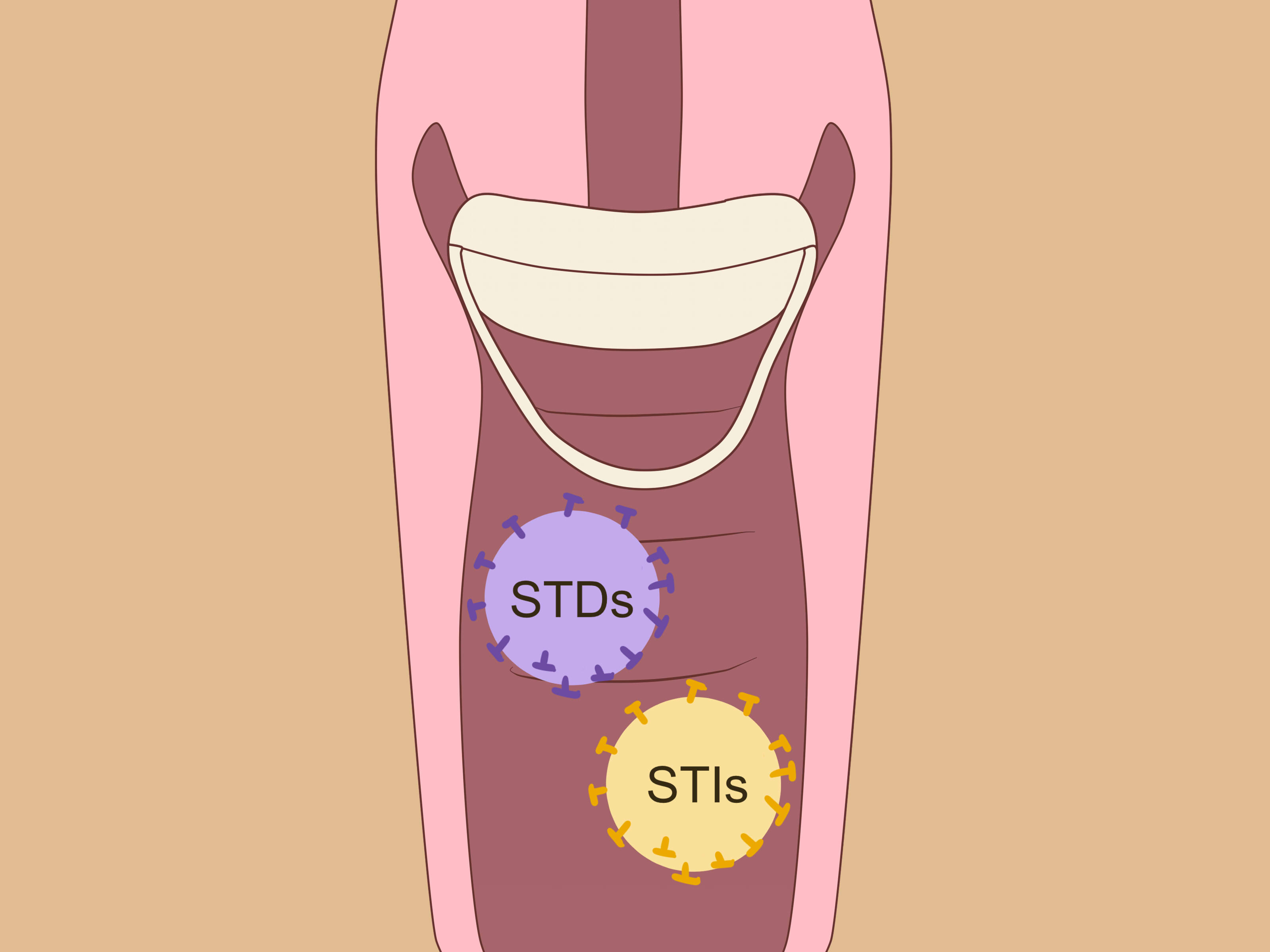
However, the sponge is not the most effective birth control method available. It is generally less effective than IUDs, implants, injections, pills, patches, and rings. It also does not protect against sexually transmitted infections, including HIV. If STI protection mattersand for many people, it doesuse condoms along with the sponge.
How Effective Is the Birth Control Sponge?
Effectiveness depends on correct use, consistency, and whether the user has given birth vaginally before. In general, the sponge works better for people who have never given birth than for those who have. Pregnancy and vaginal birth can change the shape of the cervix and vagina, which may make it harder for the sponge to fit snugly over the cervix.
With typical use, barrier methods like the sponge have a higher failure rate than long-acting reversible contraceptives such as IUDs and implants. Typical use means real life: sometimes people insert it incorrectly, remove it too soon, forget the timing, or use it inconsistently. Perfect use means following every instruction correctly every timewhich sounds easy until life starts acting like life.
If preventing pregnancy is extremely important right now, consider using the sponge with another method, such as condoms, or talk with a healthcare provider about more effective options. Dual protectionusing condoms for STI protection plus another contraceptive method for pregnancy preventionis often the smartest strategy.
How to Use the Birth Control Sponge Step by Step
Always read the package instructions for the specific sponge you are using. Product directions can vary, and the manufacturer’s instructions should be your final guide. That said, most contraceptive sponges follow the same basic process.
Step 1: Wash Your Hands
Start by washing your hands with soap and clean water. This reduces the chance of introducing bacteria into the vagina. It is a small step, but it matters. Your hands have been touching phones, doorknobs, keyboards, snack bags, and other germy objects with rich inner lives. Wash them.
Step 2: Remove the Sponge From the Wrapper
Open the wrapper carefully. Do not use scissors, teeth, or sharp nails if they might tear the sponge. Check that the sponge is intact and not damaged. If it is torn, dry, crumbly, expired, or looks suspicious in any way, do not use it.
Step 3: Wet the Sponge With Clean Water
Hold the sponge under clean water. It needs to be thoroughly wet to activate the spermicide. Do not use lubricant, soap, oil, saliva, or any random liquid that seems “probably fine.” Water is the assignment.
Step 4: Squeeze Until It Becomes Sudsy
Gently squeeze the sponge several times until it becomes foamy or sudsy. This helps activate and distribute the spermicide. Do not squeeze it completely dry. The sponge should be wet and foamy when inserted, not dripping like a tiny bath sponge and not dry like a forgotten kitchen scrubber.
Step 5: Fold the Sponge Correctly
Most birth control sponges have an indented side and a loop. The indented side should face up toward the cervix, and the loop should hang down so you can find it later for removal. Fold the sides of the sponge upward so it becomes narrow enough to insert comfortably.
Step 6: Insert the Sponge Deep Into the Vagina
Get into a comfortable position. You might squat, stand with one leg raised, sit on the toilet, or lie down with knees bent. Using one or two fingers, gently push the folded sponge deep into the vagina as far as it will comfortably go. Be careful not to poke it with a fingernail.
Once released, the sponge should unfold and cover the cervix. The cervix often feels firm and rounded, a bit like the tip of your nose. If you cannot feel it easily, do not panic. Anatomy is not always as cooperative as diagrams suggest.
Step 7: Check That the Cervix Is Covered
After insertion, use a clean finger to feel around the edge of the sponge. It should sit high in the vagina and cover the cervix. You should also be able to feel the loop. If the sponge feels sideways, too low, or uncomfortable, remove it and try again with a new sponge if the instructions advise not reinserting the same one.
When Should You Insert the Sponge?
The birth control sponge can usually be inserted immediately before sex or up to 24 hours ahead of time. Once inserted correctly, it begins working right away and can provide pregnancy protection for multiple acts of vaginal intercourse during that 24-hour period.
This is one of the sponge’s biggest conveniences. Unlike some spermicides that must be reapplied before each act of sex, the sponge is designed to keep releasing spermicide while it is in place. However, you should not use more than one sponge at a time, and you should not use the same sponge for more than one 24-hour period.
How Long Do You Leave the Sponge In?
Leave the sponge in place for at least six hours after the last act of vaginal intercourse. This waiting period is important because sperm may still be present in the vagina after sex. Removing the sponge too soon can reduce protection.
At the same time, do not leave the sponge in for more than 30 hours total. That total includes the time before sex, during sex, and after sex. For example, if you insert the sponge at 6 p.m. and have sex at 10 p.m., you still count from 6 p.m. The sponge should be removed by 30 hours after insertion at the latest.
How to Remove the Birth Control Sponge
To remove the sponge, wash your hands first. Then get into a comfortable position and insert a finger into the vagina until you find the loop. Gently hook the loop and pull slowly. Do not yank. If the sponge resists, take a breath, relax your pelvic muscles, change positions, and try again.
After removal, check that the sponge came out in one piece. Wrap it in toilet paper and throw it in the trash. Do not flush it. Your plumbing does not need a contraceptive adventure.
If you cannot remove the sponge, if it tears and part remains inside, or if you feel pain, fever, bad odor, unusual discharge, rash, dizziness, vomiting, or other concerning symptoms, contact a healthcare provider promptly.
Common Mistakes to Avoid
Inserting It Dry
A dry sponge may not activate the spermicide properly. Always wet it with clean water and squeeze until sudsy before insertion.
Removing It Too Soon
The sponge must stay in place for at least six hours after the last act of sex. Removing it earlier can lower its effectiveness.
Leaving It In Too Long
Do not leave the sponge in for more than 30 hours. Wearing it too long may increase the risk of irritation, infection, or toxic shock syndrome, a rare but serious condition.
Using It During Your Period
Many product warnings advise against using the sponge during menstruation because of toxic shock syndrome concerns. Choose another birth control method during your period.
Expecting STI Protection
The sponge does not protect against chlamydia, gonorrhea, herpes, HPV, syphilis, HIV, or other sexually transmitted infections. Condoms are the key barrier method for STI risk reduction.
Who Should Not Use the Birth Control Sponge?
The sponge is not right for everyone. Do not use it if you are allergic to nonoxynol-9, polyurethane, sulfites, or any ingredient listed on the package. Avoid it if you have ever had toxic shock syndrome. Do not use it during your menstrual period or within the first six weeks after giving birth.
You should also talk with a healthcare provider before using the sponge if you recently had a miscarriage, abortion, childbirth, pelvic infection, unexplained vaginal bleeding, frequent urinary tract infections, or vaginal irritation. If you or your partner has HIV or a high risk of HIV, choose another method and use condoms. Nonoxynol-9 can irritate vaginal or rectal tissue, and irritation may increase vulnerability to HIV transmission.
Side Effects and Safety Tips
Some people use the birth control sponge without problems. Others may notice vaginal dryness, burning, itching, irritation, odor, discharge, or urinary discomfort. These symptoms may be related to spermicide sensitivity, friction, infection, or fit.
If the sponge causes irritation, stop using it and consider another birth control method. More spermicide is not always better. Frequent exposure to nonoxynol-9 can irritate delicate tissue, especially with repeated sex in a short period.
Seek medical care right away if you develop symptoms that could suggest toxic shock syndrome, such as sudden fever, vomiting, diarrhea, dizziness, fainting, muscle aches, or a sunburn-like rash. TSS is rare, but it is not something to “wait and see” while drinking tea and hoping for the best.
What If Something Goes Wrong?
If the sponge was inserted incorrectly, came out during sex, tore, was removed too soon, or was forgotten past the maximum wear time, pregnancy protection may be reduced. If pregnancy is a concern, consider emergency contraception as soon as possible. Emergency contraceptive pills work best the sooner they are taken, and a copper IUD may be an option within five days of unprotected sex for people who want the most effective emergency contraception.
If you are unsure whether the sponge was in place correctly, use a backup method such as condoms for the rest of that sexual encounter and consider speaking with a pharmacist, clinician, or family planning clinic. There is no shame in asking. Birth control has instructions because bodies are complicated, not because users are doing anything wrong.
Birth Control Sponge vs. Condoms, Diaphragm, and Spermicide
The sponge is similar to condoms, diaphragms, cervical caps, and spermicides because it is used around the time of sex rather than taken daily or placed long-term. But each method has different strengths.
Condoms help prevent pregnancy and reduce STI risk. The sponge helps prevent pregnancy but does not reduce STI risk. A diaphragm or cervical cap may be reusable but usually requires fitting or a prescription. Spermicide alone is easy to buy but is less effective than many other methods when used by itself. The sponge combines a physical barrier with spermicide and can be used for multiple acts of sex within 24 hours, which makes it more convenient than some single-use methods.
For better pregnancy prevention, some people use condoms plus the sponge. This also adds STI protection when condoms are used correctly. The combination is not glamorous, but neither is panic-Googling “can I get pregnant if…” at 2 a.m.
Practical Experience: What Using the Sponge Can Feel Like in Real Life
For many first-time users, the biggest challenge is not the sponge itselfit is getting comfortable with insertion. The first attempt can feel awkward, especially if you are not used to placing anything deep in the vagina. A helpful approach is to try inserting the sponge when you are not rushed, not already in the middle of sex, and not mentally performing a one-person medical exam under pressure. Good lighting, clean hands, trimmed nails, and a calm mood can make the process much easier.
Some users prefer to practice once before relying on the sponge for sex. They read the instructions, wet the sponge, feel its shape, identify the loop, and learn which position works best. Squatting may give one person better control, while lying down may work better for another. There is no gold medal for the “correct” position. The correct position is the one that lets you insert it comfortably and place it over the cervix.
A common experience is wondering, “Is it in far enough?” The sponge should sit high in the vagina, covering the cervix. If it feels like it is slipping out, sitting low, or rubbing uncomfortably, it may not be positioned correctly. When placed well, many people and their partners do not feel it during sex. Some partners may notice it, but because it is soft, it often does not cause discomfort. If either person feels pain or irritation, stop and reassess.
Timing is another real-world lesson. The sponge can be inserted up to 24 hours before sex, which sounds wonderfully convenient until you remember that the 30-hour maximum clock starts at insertionnot at sex. Users who like planning ahead may set a phone reminder for removal. This is not unromantic; it is responsible. Nothing ruins the mood later like realizing you forgot a medical product inside your body.
Removal can also take practice. If the loop is hard to find, panic makes the vaginal muscles tighten, which makes removal harder. The best move is to pause, breathe, wash your hands again if needed, change positions, and try gently. Bearing down slightly, as if having a bowel movement, may help bring the sponge lower. If it still will not come out, a clinician can remove it.
Some people love the sponge because it is hormone-free and used only when needed. Others dislike the messiness, the spermicide, the insertion process, or the uncertainty about placement. Both reactions are normal. Birth control is personal. The best method is not the one that looks best in a brochure; it is the one you can use correctly, consistently, safely, and without feeling like you are negotiating a peace treaty with your reproductive system.
Final Thoughts
The birth control sponge can be a useful non-hormonal contraceptive for people who want an over-the-counter, on-demand method. To use it correctly, wet it with clean water, squeeze it until sudsy, fold it with the loop down, insert it deep into the vagina, make sure it covers the cervix, leave it in for at least six hours after sex, and remove it within 30 hours of insertion.
Its biggest advantages are convenience, hormone-free use, and 24-hour protection once inserted correctly. Its biggest drawbacks are lower effectiveness compared with many modern birth control methods, possible irritation from spermicide, and no STI protection. If you want stronger pregnancy prevention or protection from sexually transmitted infections, pair it with condoms or talk with a healthcare provider about other options.
Note: This article is for educational purposes only and does not replace medical advice. For personal guidance, especially after childbirth, miscarriage, abortion, vaginal infection, unexplained bleeding, or any allergic reaction, consult a qualified healthcare professional.













