
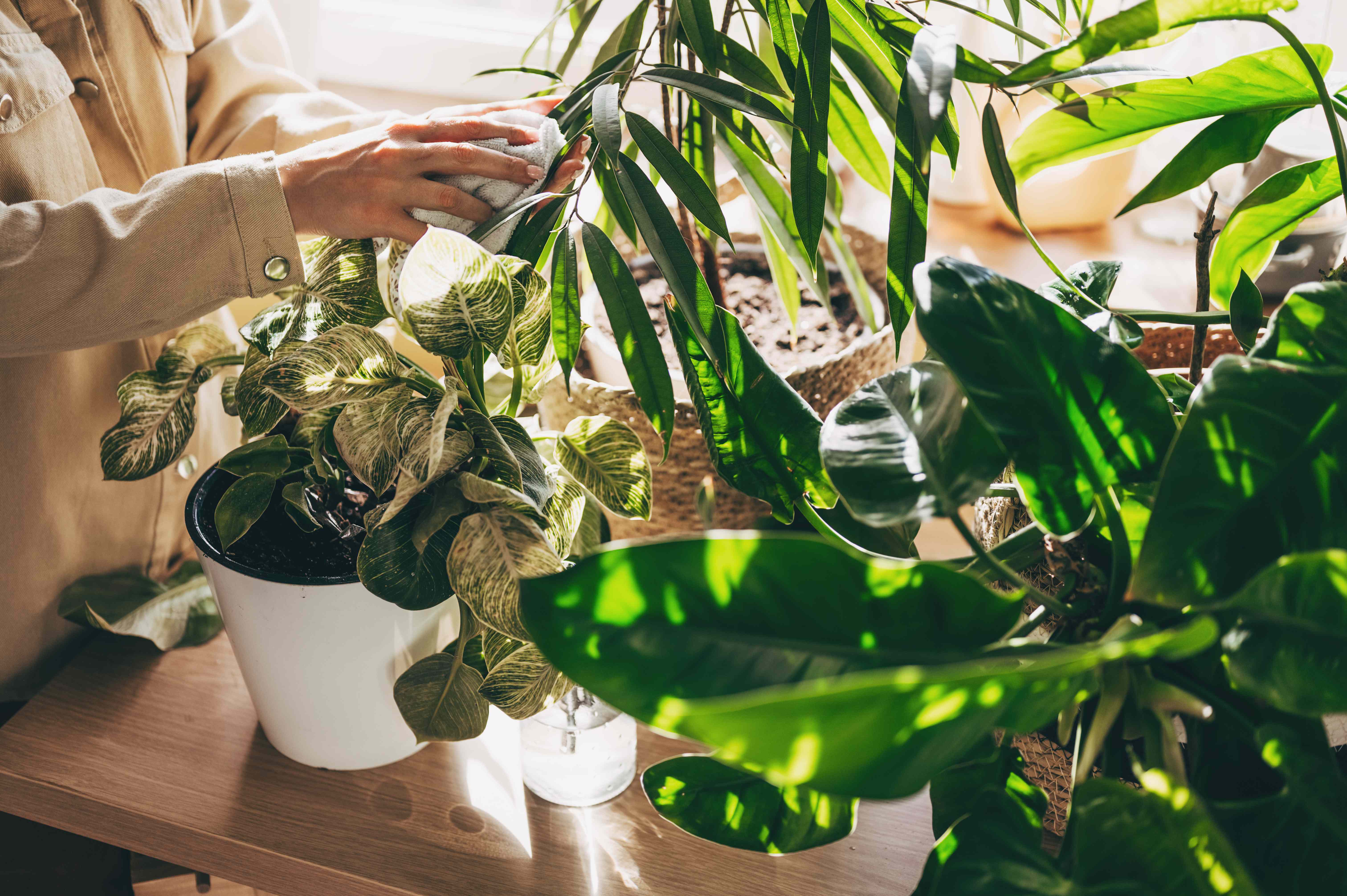
I used to think I had a “black thumb.” Then I realized my thumb was not black at all. It was just holding a watering can too often.
At one point, my home looked like a tiny indoor jungle with a personality disorder: pothos trailing from shelves, a peace lily dramatically fainting in the corner, succulents lined up like tiny green dumplings, and one fiddle leaf fig standing by the window like it paid rent. I was proud. I was committed. I was also quietly murdering them.
The one mistake that cost me more than 20 houseplants was not neglect. It was not bad lighting, cheap soil, or forgetting Latin plant names. It was watering on a schedule instead of watering based on what the plant actually needed. Every Saturday morning, like clockwork, I watered everything. Snake plant? Watered. Fern? Watered. Succulent? Watered. Plant that was already sitting in wet soil and silently begging for mercy? Also watered.
What I wish I had known sooner is simple: most houseplants do not die because we love them too little. Many die because we love them with a full watering can.
The One Houseplant Mistake That Quietly Kills Your Indoor Jungle
The big mistake is overwatering houseplants, especially when it is combined with poor drainage, oversized pots, decorative cachepots, dense potting mix, or low indoor light. Overwatering does not always mean pouring in a gallon of water at once. Often, it means watering too frequently before the roots have had a chance to breathe.
Roots need oxygen. When potting soil stays soggy for too long, the tiny air pockets in the mix fill with water. The roots suffocate, weaken, and eventually rot. Once roots are damaged, the plant cannot absorb water properly, which creates the cruelest plant-parent plot twist of all: an overwatered plant can look thirsty.
That is why I kept making the problem worse. I saw yellow leaves, wilting stems, and sad-looking foliage. My brain said, “Poor baby, it needs water.” The plant was actually saying, “Please stop turning my pot into a swamp.”
Why Overwatering Looks So Much Like Underwatering
One of the most confusing parts of houseplant care is that too much water and too little water can create similar symptoms. Wilting, drooping, yellowing leaves, leaf drop, slow growth, and crispy edges can all appear when a plant is struggling. The difference is happening underground.
When a plant is underwatered, the soil is dry and the roots cannot find enough moisture. When a plant is overwatered, the roots may be damaged or rotting, so they cannot take up moisture even though the soil is wet. In both cases, the leaves may wilt. That is why guessing from the top of the plant is risky. The real story is in the soil and roots.
My mistake was diagnosing every droopy leaf as thirst. I treated wilting like a universal “add water” sign, the way some people treat every computer problem by restarting it. Sometimes it works. Sometimes you erase the evidence and make things worse.
Signs You May Be Overwatering Your Houseplants
Overwatering can show up in several ways. Some signs are obvious. Others are sneaky little green lies.
Yellowing Lower Leaves
If the lower or inner leaves turn yellow and drop, the plant may be sitting in soil that stays wet too long. One yellow leaf is not a disaster; plants shed old leaves. But a pattern of yellowing, especially when the soil is moist, deserves attention.
Wilting Even When the Soil Is Wet
This is the classic overwatering trap. A plant wilts, you water it, it wilts more, you panic-water again, and soon you are in a toxic relationship with a pot of mud.
Mushy Stems or Soft Leaves
Soft, mushy stems near the soil line are a serious warning sign. Succulents and snake plants may become squishy when their roots or base are rotting.
Fungus Gnats
Those tiny flies hovering around your plants like they own the lease? Fungus gnats love consistently damp soil. They are not always a death sentence, but they are often a clue that your potting mix is staying too wet.
A Sour or Swampy Smell
Healthy potting mix smells earthy. Rotten roots can smell sour, musty, or unpleasant. If your plant smells like a forgotten gym towel, it is time to investigate.
Brown, Black, or Slimy Roots
Healthy roots are usually firm and light-colored, depending on the plant. Rotted roots often look brown or black, feel soft or slimy, and may fall apart when touched.
What I Should Have Done Instead: Check the Soil, Not the Calendar
The best change I made was embarrassingly simple: I stopped asking, “What day is it?” and started asking, “Is the soil actually ready?”
Different houseplants need water at different speeds. A thirsty fern in bright indirect light may dry out quickly. A snake plant in a dim corner may sit in moist soil for weeks. A pothos in a small terracotta pot may need water sooner than the same pothos in a large plastic pot. Light, temperature, humidity, pot size, pot material, soil type, and season all matter.
Instead of watering every Saturday, I now check plants every few days. Some need water. Some do not. Some are dramatic and want attention but not water. Peace lilies, I am looking at you.
The Finger Test
For many common houseplants, push your finger about one to two inches into the potting mix. If it feels dry at that depth, it may be time to water. If it feels damp, wait. For succulents and cacti, let the mix dry more thoroughly before watering again.
The Weight Test
Lift the pot after watering and notice how heavy it feels. Then lift it again when the soil is dry. Over time, you can tell by weight whether a plant needs water. This method makes you feel like a plant wizard, and honestly, we take our victories where we can.
The Wooden Skewer Test
Insert a wooden skewer or chopstick into the soil and leave it for a few minutes. If it comes out damp with soil stuck to it, wait. If it comes out mostly clean and dry, the potting mix may be ready for water.
Drainage Holes Are Not Optional Decor
Another painful lesson: a cute pot without a drainage hole is not a pot. It is a ceramic trap with good lighting.
Houseplants need containers that allow excess water to escape. When water collects at the bottom of a pot, roots can sit in soggy conditions for too long. Decorative pots can still be used, but the safest method is double potting: keep the plant in a nursery pot with drainage holes, then place that inside the decorative container. After watering, remove the inner pot, let it drain fully, and never let it sit in standing water.
I used to water plants inside decorative pots and assume the extra water would “sort itself out.” It did sort itself out. It sorted my plant collection into alive and compost-adjacent.
The Myth of Rocks at the Bottom of the Pot
Many beginners hear that adding rocks, gravel, or broken pottery to the bottom of a pot improves drainage. It sounds logical. Unfortunately, in containers, it can actually make the wet zone sit higher in the pot, closer to the roots.
A better solution is to use a container with drainage holes and a well-aerated potting mix. If your soil is too dense, amend it with ingredients such as perlite, pumice, orchid bark, or another appropriate material depending on the plant. Do not rely on a pebble layer to save a pot that cannot drain.
Pot Size Matters More Than I Thought
I once believed repotting into a larger container was always generous. More space, more soil, more happiness, right? Not always.
When a small root system sits in a huge pot, the extra soil holds moisture the roots cannot use quickly. That means the mix stays wet longer, which increases the risk of root rot. When repotting, choose a pot only slightly larger than the current root ball, usually one to two inches wider in diameter for many houseplants.
This single change saved several of my plants. My pothos did not need a mansion. It needed a cozy apartment with proper drainage.
Light and Water Are a Team
Watering problems often begin with light problems. A plant in bright indirect light usually uses water faster than a plant in a dim room. During winter, shorter days and slower growth mean many houseplants need less frequent watering. If you keep watering the same amount all year, you may accidentally drown plants during their slow season.
This is why a universal watering schedule fails. “Water once a week” sounds convenient, but it ignores the plant’s environment. A monstera near a bright window in summer is living a different life from a snake plant in a hallway in January.
How to Water Houseplants the Right Way
Once the soil is ready, water thoroughly. Add water until it flows from the drainage holes. This helps moisten the full root ball instead of only wetting the top layer. Then let the pot drain completely. Empty saucers and cachepots so the plant is not sitting in water.
Shallow sips can create another problem: the top of the soil gets wet while the deeper root zone stays dry. Deep, less frequent watering is usually better than tiny frequent splashes. Think of it as a proper meal instead of giving your plant one cracker every hour.
Plant-by-Plant Watering Examples
Snake Plant
Snake plants are drought-tolerant and prefer drying out between waterings. They are often killed by kindness. In lower light, they may need water far less often than beginners expect.
Pothos
Pothos is forgiving, but it still dislikes soggy roots. Let the top inch or two of potting mix dry before watering. Yellow leaves can appear from both underwatering and overwatering, so check the soil before reacting.
Peace Lily
Peace lilies like evenly moist soil but not swampy soil. They wilt dramatically when thirsty, which can be helpful, but do not let them sit in water. Moist is good. Soup is not.
Succulents
Succulents need excellent drainage and a dry period between waterings. They store water in their leaves and stems, so frequent watering can lead to rot quickly.
Ferns
Many ferns prefer more consistent moisture and higher humidity than succulents or snake plants. Still, consistent moisture does not mean waterlogged soil. Airy potting mix and drainage matter here too.
How to Save an Overwatered Houseplant
If you suspect overwatering, act quickly but calmly. Do not fertilize a stressed plant. Do not keep watering “just in case.” And do not apologize to the plant so loudly that your neighbors hear. I have tested that last one.
Step 1: Stop Watering Temporarily
Let the soil begin to dry. Move the plant to bright indirect light if appropriate for the species. Avoid harsh direct sun while it is stressed.
Step 2: Check the Roots
Gently slide the plant out of its pot. If the root ball is soaking wet, smells bad, or shows mushy brown roots, root rot may be present.
Step 3: Trim Rotten Roots
Use clean scissors or pruners to remove mushy, dead roots. Keep firm, healthy roots. If most of the roots are gone, the plant may not recover, but you may be able to take cuttings from healthy stems.
Step 4: Repot in Fresh, Airy Mix
Use a clean pot with drainage holes and fresh potting mix suited to the plant. Avoid reusing soggy, sour-smelling soil.
Step 5: Water Carefully After Repotting
After repotting, water only as needed. Some plants need a light drink to settle the mix; others, especially succulents with trimmed roots, may benefit from waiting briefly before watering. The key is not returning to the same wet conditions that caused the problem.
What I Changed in My Houseplant Routine
After losing more than 20 plants, I created a new routine that is less glamorous but much more effective.
- I check soil moisture before watering.
- I use pots with drainage holes.
- I empty saucers after watering.
- I group plants by water needs instead of looks.
- I reduce watering in winter and low-light rooms.
- I use better-draining mixes for succulents, snake plants, and aroids.
- I inspect roots when a plant declines instead of guessing from the leaves.
The biggest mindset shift was understanding that houseplant care is observation, not obedience to a schedule. A calendar can remind you to check your plants. It should not command you to water them.
Common Beginner Houseplant Myths I Had to Unlearn
“A Little Water Every Day Is Gentle”
Daily tiny watering can keep the top layer damp and encourage fungus gnats while failing to hydrate the root ball properly. Most houseplants prefer being watered thoroughly, then allowed to dry to the right level.
“Yellow Leaves Always Mean More Water”
Yellow leaves can mean many things: overwatering, underwatering, old leaf drop, low light, nutrient issues, pests, transplant stress, or natural aging. Always check the soil and roots before deciding.
“All Tropical Plants Want Wet Soil”
Many tropical houseplants like humidity and evenly moist conditions, but that does not mean soggy roots. Humid air and waterlogged soil are not the same thing.
“The Prettiest Pot Is the Best Pot”
The best pot is the one that fits the root system, drains well, and works with the plant’s care needs. Beauty is a bonus. Drainage is survival.
My 500-Word Experience: The Houseplant Wake-Up Call I Needed
The plant that finally exposed my mistake was a beautiful calathea. I bought it because the leaves looked painted by someone with better taste than my entire apartment. I placed it on a side table, admired it daily, and watered it every weekend. At first, it looked fine. Then the edges browned. Then leaves curled. Then a few stems collapsed like they had received terrible news.
I blamed humidity. I blamed tap water. I blamed the window. I blamed myself, but only in a vague dramatic way. So I bought a humidifier, moved the plant six inches to the left, whispered encouraging things, and kept watering it every Saturday. The calathea did not improve. It declined with the slow confidence of a plant that knew I had no idea what I was doing.
When I finally removed it from the pot, the bottom smelled sour and the roots were dark and mushy. The decorative pot had no drainage hole. The nursery pot had been sitting inside it, and extra water had collected at the bottom after each watering. I had essentially created a luxury spa swamp. Very exclusive. Very deadly.
Once I saw those roots, I started checking other plants. The story repeated itself. A snake plant in a too-large pot had rotting roots. A succulent arrangement was damp at the bottom even though the top looked dry. A pothos was yellowing because its saucer stayed full after watering. A small fern was the only plant that seemed to appreciate my heavy-handed watering, and even it wanted better airflow.
That weekend became my plant-care intervention. I pulled plants from decorative pots, dumped standing water, repotted the worst cases, trimmed rotted roots, and took cuttings from stems that still looked healthy. Not every plant survived. Some were too far gone. But the ones that did recover taught me more than the healthy plants ever had.
The biggest lesson was that care should be responsive. Plants are living things, not home accessories with weekly maintenance buttons. They react to weather, season, light, room temperature, pot size, soil texture, and even whether the air conditioner is running. My Saturday watering ritual felt responsible, but it ignored all of that.
Now, my routine is slower. I walk around with a moisture meter sometimes, but mostly I use my finger, a chopstick, and the weight of the pot. I look at the plant, then I check the soil, then I decide. Some Saturdays I water ten plants. Some Saturdays I water none. At first that felt like neglect. Now I understand it as restraint.
Houseplants made me better at paying attention. They also humbled me, which is rude but useful. Losing 20-plus plants was frustrating, expensive, and slightly embarrassing. But it changed the way I grow everything indoors. The goal is not to water more. The goal is to water wisely.
Conclusion: The Mistake Was Simple, but the Lesson Changed Everything
If your houseplants keep dying and you cannot figure out why, do not assume you are cursed. Start with the soil. Check whether your pots have drainage holes. Empty saucers. Stop watering by the calendar. Learn what each plant prefers. Most importantly, remember that drooping does not always mean thirst.
The mistake that killed my houseplants was overwatering on autopilot. The habit that saved the next generation was observation. Once I stopped treating every plant the same, my indoor jungle finally started acting less like a crime scene and more like a home.













