
If that title sounds dramatic, good. Snacks deserve a little drama. They are often the moment when a perfectly sensible day of eating collides with a vending machine, a 4 p.m. energy crash, or a late-night “I deserve a treat” speech delivered by your own brain. For people living with diabetes, snacks matter even more. The right one can help steady hunger, support energy, and fit into a blood sugar-friendly routine. The wrong one can send glucose on a roller coaster ride that nobody bought tickets for.
Here is the good news: the best snacks for diabetes are not sad, tiny, flavorless punishment foods. You do not need to spend your life chewing celery while staring wistfully at a cookie. Smart diabetes-friendly snacks can be crunchy, creamy, sweet, savory, portable, satisfying, and honestly pretty enjoyable. The trick is understanding what makes a snack work.
What makes a snack “good” for diabetes?
A great snack for diabetes usually does three things at once: it keeps portions reasonable, it includes nutrients that slow digestion, and it avoids dumping a load of refined sugar into your bloodstream all at once. In plain English, that means snacks tend to work best when they combine fiber, protein, and often healthy fats.
Think of fiber as the calm friend who says, “Let’s not rush this.” It slows digestion and can help reduce sharp blood sugar spikes. Protein helps with fullness and staying power. Healthy fats can make a snack more satisfying, so you are less likely to circle back 20 minutes later looking for “just one more thing.” This is why an apple with peanut butter usually works better than an apple alone, and why plain Greek yogurt with berries tends to beat a frosted pastry every single time.
Another important point: not everyone with diabetes needs snacks all day long. Some people do better with three meals, while others need a snack because of medication timing, exercise, long gaps between meals, or plain old hunger. The best approach is personal. But when you do snack, make it count.
The best snacks for diabetes: simple ideas that actually satisfy
Below are some of the most reliable blood sugar-friendly snack ideas. They are not magic. They are just smart combinations that make everyday life easier.
1. Apple slices with peanut butter or almond butter
This is the classic for a reason. The apple brings fiber and natural sweetness. The nut butter adds fat and a bit of protein, which helps make the snack more balanced and more filling. Use a moderate amount of nut butter rather than turning the apple into a construction project.
2. Berries with plain Greek yogurt
Berries are one of the most useful fruits for people trying to eat in a blood sugar-friendly way because they offer fiber, flavor, and sweetness without feeling like dessert in disguise. Plain Greek yogurt adds protein and creaminess. If plain yogurt tastes too serious, add cinnamon or a few chopped nuts instead of reaching for a sugar-heavy flavored version.
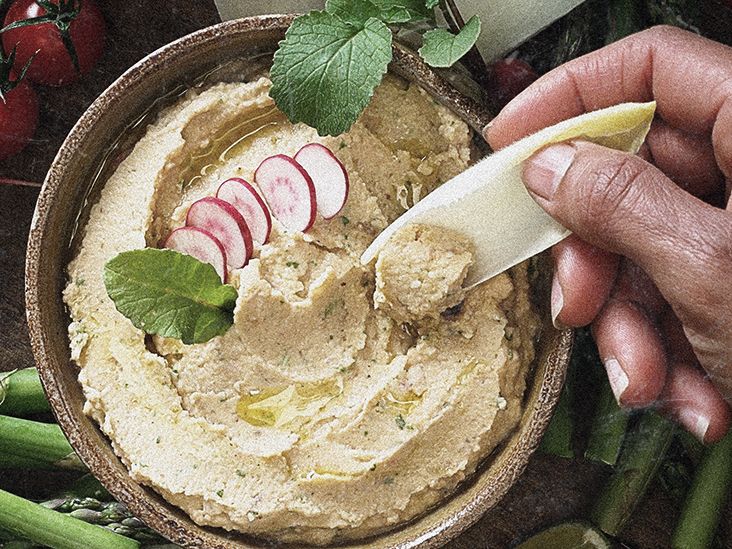
3. Hummus with carrots, celery, cucumbers, or bell peppers
This snack is crunchy, fresh, and surprisingly satisfying. Non-starchy vegetables keep carbohydrate intake modest, while hummus adds fiber, protein, and fat. It also makes you feel like someone who has their life together, even if you are eating it over the sink.
4. Cottage cheese with berries or sliced tomatoes
Cottage cheese is high in protein and can go in either direction: sweet or savory. Pair it with berries for a naturally sweet snack, or add sliced tomatoes, black pepper, and a drizzle of olive oil if you want something more dinner-adjacent.
5. A hard-boiled egg with whole-grain crackers
The egg brings protein, while a small portion of whole-grain crackers can provide a controlled source of carbohydrate and fiber. This is a particularly handy option when you want a snack that feels sturdy instead of decorative.
6. Cheese with fruit
Cheese and fruit are an underrated duo. A small piece of cheese with a handful of grapes, a clementine, or a few apple slices can feel satisfying without becoming a sugar bomb. The protein and fat in the cheese help balance the carbohydrate from the fruit.
7. Roasted chickpeas
If you want crunch, roasted chickpeas are a strong contender. They offer fiber and plant protein, and they can be seasoned to taste smoky, spicy, or garlicky. They are also more interesting than pretending a rice cake is a personality.
8. Popcorn with nuts or seeds
Popcorn can absolutely fit into a diabetes-friendly eating pattern when it is not drenched in butter-flavored mystery powder. Air-popped or lightly seasoned popcorn paired with a small handful of nuts or seeds creates a better balance of fiber, fat, and satisfaction than popcorn alone.
9. Whole-grain toast with avocado or nut butter
Whole grains tend to digest more slowly than refined grains, and topping them with avocado or nut butter adds staying power. This works especially well when you need a snack that borders on a mini meal.
10. Tuna with whole-grain crackers
Portable, protein-rich, and practical, this is a smart option for people who get genuinely hungry between meals. Choose crackers with fiber and keep the portion moderate.
11. String cheese and a piece of fruit
This is the kind of snack that survives real life. It is easy to pack, easy to eat, and much better than gambling on whatever the gas station shelf thinks counts as nutrition.
12. Unsweetened oatmeal with nuts and cinnamon
Oatmeal is not just for breakfast. A small bowl of steel-cut or rolled oats with chopped nuts can work beautifully as a snack, especially when you want something warm and comforting. Cinnamon adds flavor without added sugar, and the nuts help slow the party down.
How to build better diabetes-friendly snacks
If you do not want a fixed snack list, use a simple formula:
- Pick a fiber-rich carbohydrate: fruit, vegetables, beans, popcorn, oats, or whole-grain crackers.
- Add protein: Greek yogurt, cottage cheese, eggs, tuna, cheese, edamame, or hummus.
- Consider healthy fat: nuts, seeds, avocado, olive oil, or nut butter.
That formula can create dozens of healthy snacks for diabetes without requiring a complicated meal plan. It also keeps you from doing the thing many people do: grabbing something that is technically quick but nutritionally chaotic.
Snacks that seem healthy but can backfire
Not every snack marketed as wholesome is especially helpful. Some foods wear a health halo while quietly delivering a lot of refined carbohydrate, added sugar, or both.
Granola bars
Some are fine. Many are candy bars with excellent public relations. Read labels and pay attention to total carbohydrates, fiber, protein, and portion size.
Smoothies
A smoothie can be balanced, but many store-bought versions are loaded with fruit juice, syrups, or giant portions. A blended drink can go from “healthy” to “dessert with a lid” very quickly.
Dried fruit by the handful
Dried fruit is nutritious, but it is easy to overeat because the portion is small and the sugar is concentrated. If you enjoy it, keep portions modest and pair it with nuts or another protein source.
Crackers, pretzels, or chips by themselves
These are easy to overeat and usually do not keep you full for long. If you want them, pair them with something more substantial like cheese, tuna, hummus, or nuts.
Juice and sweetened drinks
These can raise blood sugar quickly and often do very little for fullness. Water, sparkling water, or unsweetened drinks are usually smarter everyday choices.
Portion size still matters
Even the best snacks for diabetes can become less helpful when portions drift upward. Nuts are nutritious, but a family-sized handful is still a family-sized handful. Whole-grain crackers can fit well, but an accidental sleeve is not really a snack anymore. A useful mindset is to think of snacks as purposeful, not random. They should take the edge off hunger, not become a second lunch wearing a fake mustache.
Pre-portioning can help. Put nuts in small containers. Buy single-serve plain yogurt. Plate your crackers instead of eating from the box. These are tiny habits, but they often make a bigger difference than heroic promises.
When a “healthy snack” is the wrong tool
This part matters. If your blood sugar is low, the goal is not a balanced snack with fiber and healthy fats. The goal is fast-acting carbohydrate. In that situation, glucose tablets, regular juice, regular soda, honey, or another quick source of carbohydrate may be appropriate, based on your care plan. Treating low blood sugar is different from choosing everyday healthy snacks.
That is why people with diabetes should not assume all snack advice applies in every situation. A hard-boiled egg is a fine snack when you are hungry. It is not the superhero of hypoglycemia. Sometimes the glamorous answer is actually half a cup of juice and a glucose check.
Best snacks for different situations
For work
Keep shelf-stable options nearby: roasted chickpeas, nuts in portioned bags, tuna packets, whole-grain crackers, or unsweetened oatmeal cups. This reduces the odds that your lunch break turns into a hostage negotiation with the vending machine.
For travel
Portable is the name of the game. String cheese, nuts, apples, nut butter packets, and whole-grain crackers travel well. If you use insulin or are at risk for lows, also carry fast-acting carbohydrates.
Before or after exercise
Some people may need a snack around activity, especially if they use insulin or medicines that can cause low blood sugar. The right choice depends on timing, intensity, and your glucose pattern. This is where personal monitoring matters more than internet confidence.
At night
A bedtime snack is not automatically required for everyone. But some people, especially those at risk for nighttime lows, may benefit from one depending on medication, activity, and blood sugar trends. The key word is individualized. Bedtime snacks are a strategy, not a universal law of the universe.
How to choose packaged snacks wisely
When reading labels, do not focus only on the front of the package. The front is basically marketing in activewear. Turn the product around and check the serving size, total carbohydrates, fiber, protein, and added sugars. In general, packaged snacks tend to work better when they contain some fiber or protein and do not rely heavily on refined flour and added sugar.
Also remember that “gluten-free,” “natural,” “organic,” or “made with whole grains” does not automatically mean “blood sugar-friendly.” Those labels may matter for other reasons, but they do not replace looking at the nutrition facts panel.
A practical mindset that works long term
The best snacks for diabetes are not the trendiest ones. They are the ones you will actually eat, enjoy, and repeat consistently. A perfect snack that you hate is not a perfect snack. Real success comes from building a small rotation of dependable favorites: maybe berries and yogurt, apples and peanut butter, hummus and vegetables, popcorn and nuts, cheese and fruit. Simple wins beat complicated good intentions almost every time.
And yes, there is room for flexibility. Having diabetes does not mean your snack life is over. It just means your snacks need a little better casting. You want a balanced ensemble, not a sugar-fueled solo act.
Experience-based realities: what people often learn after changing their snacks
One of the most common experiences people describe when they switch to healthier snacks for diabetes is that they stop feeling so wildly hungry later in the day. A person who used to grab cookies at 3 p.m. might notice that the cookies gave fast comfort but also led to an energy dip, more cravings, and a second round of snacking before dinner. When that same person swaps in Greek yogurt with berries or apple slices with peanut butter, the feeling is different. It is not fireworks. It is steadiness. And steadiness, while less glamorous than frosting, is actually pretty powerful.
Another common experience is surprise at how much planning matters. People often assume they lack willpower, when the real problem is that they are hungry in places where only ultra-processed options are available. Once they start carrying nuts, string cheese, roasted chickpeas, or whole-grain crackers, the day gets easier. The office vending machine becomes less tempting when your backpack is already doing its job. This is not about perfection. It is about making the better choice the easier choice.
Many people also report that pairing carbohydrates with protein changes the way snacks “feel.” Fruit alone may be fine for some moments, but fruit with cheese, yogurt, or nut butter tends to last longer. Instead of thinking, “Why am I hungry again already?” they often feel comfortably full until the next meal. That shift can make diabetes-friendly eating feel less restrictive and more realistic.
There is also the emotional side. Snacks are personal. They happen during work stress, family chaos, traffic, boredom, and late-night kitchen wandering. People often find that improving snacks is not just about glucose. It is about reducing food guilt. A balanced snack feels intentional. It can lower the all-or-nothing mindset where one candy bar becomes an excuse to abandon the whole day.
Some people learn that portion size matters more than they expected. Nuts are healthy, yes, but eating them like popcorn can still derail goals. Others discover that foods marketed as healthy, like granola bars or smoothies, are not always as blood sugar-friendly as they assumed. This is usually frustrating for about five minutes, followed by a useful new habit: reading labels with less trust and more curiosity.
Perhaps the biggest real-life lesson is that consistency beats intensity. People do not need a refrigerator worthy of a wellness influencer. They need three or four snack options they genuinely like and can keep around most of the time. The winning system is usually boring in the best possible way: repeatable, affordable, portable, and satisfying. That is how healthier snacking becomes normal instead of exhausting.
Conclusion
The best snacks for diabetes are the ones that help you stay satisfied, support steadier blood sugar, and fit naturally into everyday life. In most cases, that means choosing snacks with a smart mix of fiber, protein, and healthy fats, while keeping portions reasonable and highly refined, sugary options in check. An apple with peanut butter, berries with Greek yogurt, hummus with vegetables, or popcorn with nuts may not sound flashy, but they work. And in nutrition, “works” is a beautiful word.
If you want a simple rule to remember, use this: pair carbs with protein or fat, choose whole foods when possible, and snack with purpose. Do that often enough, and your snack routine stops being a problem and starts becoming part of the solution.













