
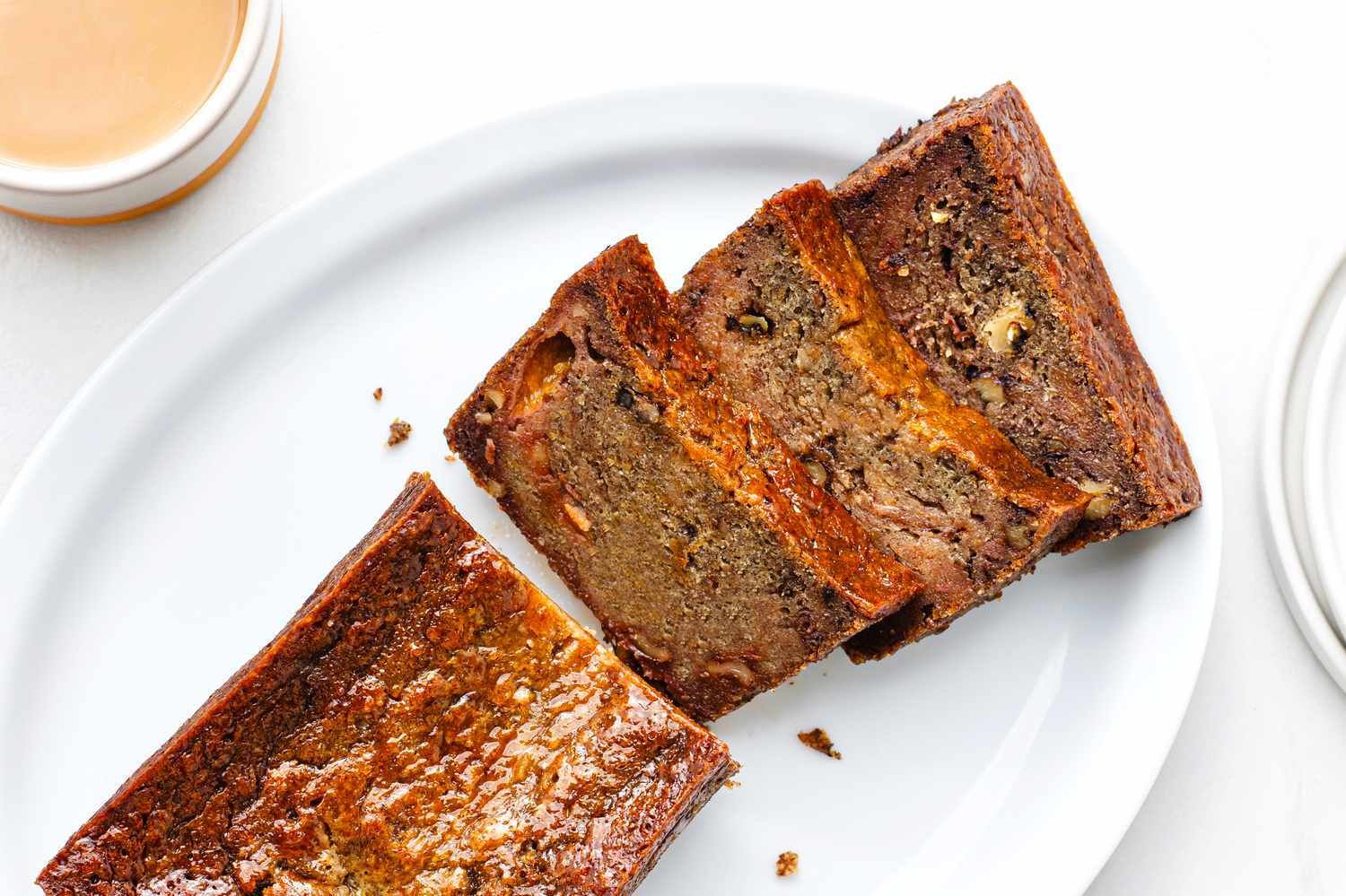
Persimmon quick bread is the kind of cozy, golden loaf that makes your kitchen smell like fall walked in wearing a cinnamon sweater. It is soft, moist, lightly spiced, and just sweet enough to feel like dessert without requiring frosting, layers, or a dramatic pep talk. If you have ripe persimmons sitting on the counter looking suspiciously squishy, congratulations: you are not dealing with fruit failure. You are holding the secret ingredient for an easy persimmon quick bread recipe that tastes like banana bread’s elegant autumn cousin.
This recipe uses ripe persimmon puree, warm spices, pantry baking staples, and optional crunchy add-ins like walnuts or pecans. Because it is a quick bread, there is no yeast, no kneading, and no waiting for dough to rise while you question your life choices. You mix the wet ingredients, whisk the dry ingredients, combine them gently, and bake. That is it. The result is a tender loaf with a beautiful orange-gold crumb, a naturally fruity sweetness, and enough seasonal charm to make your coffee feel underdressed.
Why This Easy Persimmon Quick Bread Recipe Works
The magic of persimmon bread comes from the fruit’s naturally smooth, honey-like pulp. When ripe persimmons are pureed, they add moisture, gentle sweetness, and a subtle floral flavor that pairs beautifully with cinnamon, nutmeg, ginger, vanilla, brown sugar, and toasted nuts. Think of it as pumpkin bread with a brighter personality and fewer people arguing about pumpkin spice.
This loaf is also forgiving. You can make it with very ripe Hachiya persimmons or soft, ripe Fuyu persimmons. Hachiya persimmons are best when they are completely soft and jelly-like inside, while Fuyu persimmons can be eaten firm but should be soft and sweet for baking. The riper the fruit, the smoother and sweeter the puree. For quick bread, that matters because the puree becomes part of the batter’s liquid structure.
The recipe below balances fruit puree, oil, eggs, flour, and leavening so the loaf bakes up moist without turning heavy or gummy. The key is simple: do not overmix. Once flour meets moisture, too much stirring can make quick bread tough. A few small lumps are not a crime. In fact, they are a sign that you respected the batter’s boundaries.
Ingredients for Persimmon Quick Bread
This recipe makes one standard 9-by-5-inch loaf. It slices beautifully for breakfast, brunch, snack time, dessert, or the extremely important “standing in the kitchen eating one more piece” moment.
Main Ingredients
- 1 cup ripe persimmon puree
- 2 large eggs, room temperature
- 1/2 cup neutral oil, such as canola, vegetable, or avocado oil
- 3/4 cup packed light brown sugar
- 1/4 cup granulated sugar
- 1 teaspoon pure vanilla extract
- 1 3/4 cups all-purpose flour
- 1 teaspoon baking soda
- 1/2 teaspoon baking powder
- 1 teaspoon ground cinnamon
- 1/2 teaspoon ground ginger
- 1/4 teaspoon ground nutmeg
- 1/2 teaspoon fine salt
- 1/2 cup chopped walnuts or pecans, optional
- 1/3 cup raisins, dried cranberries, or chopped dates, optional
Optional Topping
- 1 tablespoon coarse sugar for a lightly crisp top
- 2 tablespoons chopped nuts for extra crunch
- A pinch of cinnamon for added aroma
How to Make Persimmon Puree
To make persimmon puree, start with ripe fruit. If you are using Hachiya persimmons, they should feel extremely soft, almost like a water balloon with better manners. If they are firm, wait. A firm Hachiya can taste unpleasantly astringent, and no amount of cinnamon will save the day. Let Hachiyas ripen at room temperature until fully soft. To speed things along, place them in a paper bag with an apple or banana.
Fuyu persimmons are less fussy and can be eaten firm, but for this easy persimmon quick bread recipe, choose Fuyus that are deep orange and soft enough to puree easily. Remove the leafy top, cut the fruit into pieces, discard any seeds, and blend the flesh until smooth. If the peel is tough, remove it first. If the peel is thin and tender, it can usually blend into the puree without causing trouble.
You can use a blender, food processor, immersion blender, or even a potato masher if the fruit is very soft. The goal is a smooth, thick puree similar to applesauce or pumpkin puree. If you have extra, freeze it in 1-cup portions so future-you can make persimmon bread on a random Tuesday and feel wildly prepared.
Step-by-Step Instructions
Step 1: Prepare the Pan
Preheat the oven to 350°F. Grease a 9-by-5-inch loaf pan and line it with parchment paper, leaving a little overhang on the long sides. This makes the loaf easier to lift out after baking. Nobody wants to wrestle a beautiful quick bread out of a pan like it owes rent.
Step 2: Mix the Wet Ingredients
In a large mixing bowl, whisk together the persimmon puree, eggs, oil, brown sugar, granulated sugar, and vanilla extract. Whisk until the mixture looks smooth and glossy. The oil helps keep the bread moist for days, while the brown sugar adds a soft caramel note that works beautifully with the fruit.
Step 3: Whisk the Dry Ingredients
In a separate bowl, whisk together the flour, baking soda, baking powder, cinnamon, ginger, nutmeg, and salt. This step helps distribute the leavening and spices evenly, so you do not end up with one slice tasting like autumn and another tasting like plain flour with trust issues.
Step 4: Combine Gently
Add the dry ingredients to the wet ingredients. Use a spatula to fold the batter together just until no large streaks of flour remain. Do not beat the batter. Do not aggressively stir. Do not try to teach it a lesson. Gentle folding creates a tender crumb.
Step 5: Add Nuts or Fruit
Fold in chopped walnuts, pecans, raisins, dried cranberries, or chopped dates if using. Toasted nuts add a deeper flavor and a pleasant crunch. Dried cranberries bring tartness, while dates make the loaf taste richer and almost caramel-like.
Step 6: Bake
Pour the batter into the prepared loaf pan and smooth the top. Sprinkle with coarse sugar and extra nuts if desired. Bake for 55 to 65 minutes, or until the top is domed and golden and a toothpick inserted into the center comes out clean or with a few moist crumbs. If the top browns too quickly, tent it loosely with foil during the final 15 minutes.
Step 7: Cool Before Slicing
Let the bread cool in the pan for 15 minutes, then lift it out and transfer it to a wire rack. Cool for at least 45 minutes before slicing. Warm quick bread is tempting, but slicing too soon can make the crumb look gummy. Patience is cheaper than therapy and better for your loaf.
Recipe Card: Easy Persimmon Quick Bread
Prep time: 15 minutes
Cook time: 55 to 65 minutes
Total time: About 1 hour 20 minutes
Yield: 1 loaf, about 10 slices
Skill level: Easy
Best for: Fall baking, holiday brunch, edible gifts, cozy breakfasts, and using ripe persimmons
Best Persimmons for Quick Bread
Hachiya persimmons are the classic choice for persimmon bread because their ripe pulp becomes silky, sweet, and easy to blend. They are usually elongated or acorn-shaped and must be fully soft before eating or baking. When ripe, they practically collapse into puree, which is exactly what you want.
Fuyu persimmons are squat and tomato-shaped. They are non-astringent, which means they can be eaten while still firm. For baking, however, softer Fuyus are better because they create a smoother puree and sweeter loaf. If your Fuyus are firm, let them sit at room temperature for a few days until they soften.
The easiest rule is this: for persimmon quick bread, use fruit that smells sweet, looks deeply orange, and blends into a smooth puree without a fight. If your blender sounds like it is chewing gravel, the fruit is probably not ready.
Flavor Variations
Orange Persimmon Bread
Add 1 tablespoon of fresh orange zest to the wet ingredients. Orange brightens the flavor and makes the loaf taste especially festive.
Chocolate Chip Persimmon Bread
Fold in 1/2 cup semi-sweet chocolate chips. Chocolate and persimmon are surprisingly good together, especially with cinnamon in the background.
Maple Walnut Persimmon Bread
Replace the granulated sugar with 1/4 cup maple syrup and reduce the oil by 1 tablespoon. Add toasted walnuts for a cozy, nutty loaf.
Whole Wheat Persimmon Bread
Replace 1/2 cup of the all-purpose flour with whole wheat flour. This adds a slightly earthy flavor and a heartier texture without making the bread too dense.
Holiday Spice Persimmon Bread
Add a pinch of cloves and allspice. This variation smells like December, even if you are baking it in sweatpants in October.
Tips for Moist, Tender Persimmon Bread
Measure the flour correctly. Spoon flour into the measuring cup and level it off with a knife instead of scooping directly from the bag. Scooping can pack in too much flour, leading to a dry loaf.
Use ripe persimmon puree. Unripe fruit will not provide enough sweetness or smooth moisture. Ripe puree should be thick, glossy, and naturally sweet.
Mix gently. Quick breads are happiest when handled with restraint. Once the flour disappears, stop mixing. A tender loaf comes from a light hand.
Check doneness in the center. Persimmon bread is moist, so the middle needs enough time to bake fully. A toothpick should come out clean or with a few soft crumbs, not wet batter.
Let it cool. Cooling helps the crumb set, which makes slicing easier and neater. The flavor also deepens as the loaf rests.
How to Store Persimmon Quick Bread
Once completely cool, wrap the loaf tightly in plastic wrap or store slices in an airtight container. It will keep at room temperature for about 2 to 3 days. For longer storage, refrigerate it for up to 5 days. Bring slices to room temperature before serving, or warm them briefly in a toaster oven.
Persimmon quick bread also freezes well. Wrap the whole loaf or individual slices tightly, then place them in a freezer-safe bag. Freeze for up to 3 months. To serve, thaw at room temperature. Individual slices can be reheated gently for a fast breakfast that tastes like you planned ahead, even if you absolutely did not.
Serving Ideas
This bread is delicious plain, but it also welcomes a little accessorizing. Spread a warm slice with salted butter, cream cheese, honey butter, or almond butter. Serve it with coffee, black tea, chai, or a cold glass of milk. For brunch, pair it with scrambled eggs, Greek yogurt, fresh fruit, or a simple green salad if you want to pretend the third slice was part of a balanced plan.
For dessert, toast a slice and top it with vanilla ice cream or whipped cream. Add a drizzle of caramel if you are feeling bold. Persimmon bread also makes a lovely edible gift. Wrap it in parchment, tie it with twine, and suddenly you are the thoughtful person everyone hopes will show up at holiday gatherings.
Common Mistakes to Avoid
Using Unripe Hachiya Persimmons
This is the biggest mistake. Hachiya persimmons need to be fully ripe and very soft. If they are firm, wait. Baking should be joyful, not a tannin-powered prank.
Overmixing the Batter
Overmixing develops gluten, which can make quick bread tough or rubbery. Fold gently and stop when the flour is incorporated.
Removing the Bread Too Soon
A loaf may look done on top while the center still needs time. Use a toothpick or thin skewer to check the middle.
Skipping the Cooling Time
Cutting too early can make the loaf seem underbaked even when it is not. Let it rest so the crumb becomes sliceable.
Experience Notes: What Baking Persimmon Bread Teaches You
The first time you bake persimmon quick bread, you may feel unsure about the fruit. Persimmons are not as familiar as bananas or apples in many American kitchens, and ripe Hachiyas can look almost too soft to trust. But that softness is exactly the point. Once you scoop out the pulp and see how smooth, bright, and fragrant it is, persimmons suddenly make sense. They behave almost like a naturally sweet custard, which is why they work so well in quick bread.
One useful experience is learning how much ripeness affects the final loaf. A barely ripe persimmon gives you a flatter flavor, while a fully ripe one brings honeyed sweetness and moisture. If you bake this recipe twice, once with fruit that is only somewhat soft and once with fruit that is truly ripe, the difference is obvious. The second loaf will usually be more fragrant, more tender, and more deeply colored. This is one of those recipes where waiting a few extra days can make you look like a better baker.
Another lesson is that persimmon bread tastes better after resting. Fresh from the oven, it is lovely, but several hours later the spices settle, the fruit flavor deepens, and the texture becomes easier to slice. By the next morning, the loaf often tastes even more balanced. This makes it ideal for make-ahead breakfasts, holiday mornings, or brunches where you would rather enjoy your coffee than panic-bake at 7 a.m.
Persimmon quick bread is also a practical way to reduce waste. Many people buy persimmons because they look beautiful, then become confused when the fruit softens dramatically. Instead of tossing them, turn them into puree. If you do not have time to bake immediately, freeze the puree in measured portions. Label the bag with the amount, because future-you will not remember. Future-you is busy and cannot be trusted with unlabeled orange mystery cubes.
Texture is another area where small choices matter. Oil produces a soft, moist loaf that stays fresh longer. Melted butter adds flavor but can create a slightly firmer crumb after refrigeration. Nuts add contrast, especially if toasted first. Dried fruit adds chewiness and sweetness, but too much can make the loaf heavy. A modest handful is plenty.
Finally, this recipe teaches the beauty of quiet baking. It does not require special equipment, advanced technique, or a sink full of bowls. It is a simple loaf built on ripe fruit, warm spices, and careful mixing. The reward is a bread that feels seasonal, homemade, and a little unexpected. Banana bread may be the popular kid, but persimmon quick bread is the interesting guest who brings better stories.
Conclusion
This easy persimmon quick bread recipe is a delicious way to turn ripe persimmons into a moist, fragrant loaf filled with warm spices and cozy flavor. It is simple enough for beginners, flexible enough for creative bakers, and special enough for holidays, brunches, or edible gifts. Use fully ripe persimmons, mix the batter gently, and let the loaf cool before slicing. The result is tender, golden, lightly sweet, and just unusual enough to make people ask, “Wait, what fruit is in this?” That is your moment. Take the compliment. Offer another slice.













