
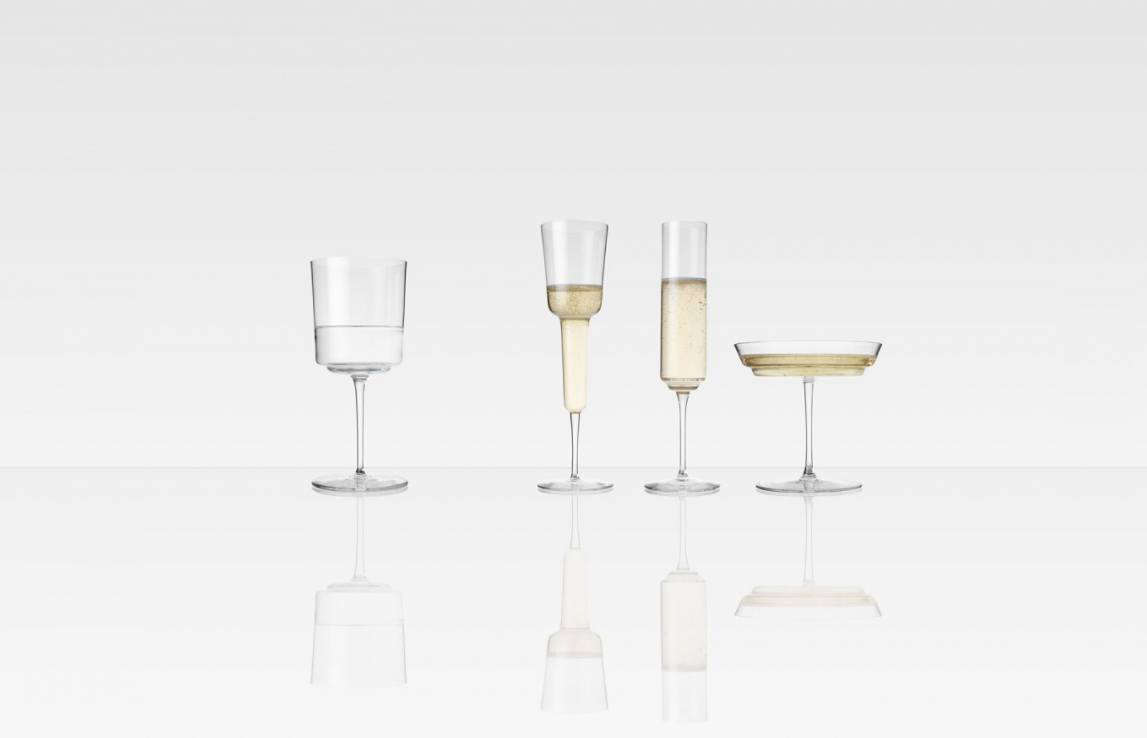
Some people think Champagne is the star of the show. Those people are not wrong. But the glass? The glass is the stage, the lighting designer, and the dramatic soundtrack all at once. And when that glass is hand-blown, the experience gets even better. Hand-blown Champagne glasses are not just fancy props for weddings, anniversaries, or that one Tuesday when you finally answered all your emails. They are part craftsmanship, part ritual, and part practical tool for enjoying sparkling wine the way it deserves to be enjoyed.
In a world full of machine-made shortcuts, hand-blown glassware still feels gloriously human. It carries the evidence of a maker’s touch: a slimmer rim, a more graceful bowl, a stem with character, and sometimes tiny variations that make each piece feel less like inventory and more like a small work of art. For anyone who loves entertaining, gifting, collecting, or simply drinking bubbly with a bit more style, hand-blown Champagne glasses deserve a serious look.
What Makes Hand-blown Champagne Glasses Special?
Hand-blown Champagne glasses are made by artisans who shape molten glass with breath, heat, timing, and a frankly unfair amount of skill. Unlike heavily standardized factory glassware, hand-blown pieces often have subtle differences in thickness, silhouette, and balance. That is not a flaw. That is the charm. You are buying craftsmanship, not a clone army.
Many premium hand-blown glasses are made from lead-free crystal or fine glass. This matters because thinner, lighter material can create a more elegant drinking experience. A fine rim lets the wine hit your palate more gently, which sounds overly poetic until you compare it with a chunky glass that feels like drinking from a decorative flower vase. Suddenly, poetry makes sense.
Hand-blown stemware also tends to look more refined on the table. The bowl often appears more fluid and better proportioned, and the stem can feel more balanced in the hand. Some glasses are so light they seem to hover between your fingers, which is either excellent craftsmanship or mild sorcery.
Why the Shape of a Champagne Glass Matters
Not all Champagne glasses are created equal. This is not snobbery. This is physics wearing a tuxedo. The shape of the glass affects how bubbles form, how aromas gather, and how the wine lands in your mouth. That means your glass changes the experience more than many casual drinkers realize.
Flutes: The Classic Celebration Glass
The flute is the iconic Champagne glass: tall, narrow, elegant, and instantly associated with toasts, parties, and suspiciously confident wedding DJs. Its narrow bowl helps preserve bubbles and show off that lovely upward stream of sparkle. If your priority is visual drama and effervescence retention, the flute still earns respect.
But the flute has limits. Because the opening is narrow, it can mute some of the wine’s aroma. That is a bigger deal than it sounds, since aroma plays a huge role in how we perceive flavor. A beautiful flute may keep the sparkle lively, but it can also keep some of the wine’s personality behind velvet ropes.
Tulip Glasses: The Favorite of Serious Sippers
Tulip-shaped Champagne glasses have become a favorite among sommeliers and enthusiasts for good reason. They usually feature a wider bowl with a gently tapered rim. That design gives the wine a little room to open up while still helping preserve bubbles. In other words, you get a better aromatic experience without sacrificing all the fizz.
If you are drinking a high-quality Champagne, vintage sparkling wine, or anything with nuanced floral, mineral, brioche, or citrus notes, a hand-blown tulip glass is often the sweet spot. It gives the wine more room to speak, and thankfully, the wine rarely wastes that opportunity.
Coupes: Gorgeous, Glamorous, and Slightly Chaotic
The coupe wins the beauty contest. It is vintage, theatrical, and perfect for creating a table that says, “Yes, I absolutely own linen napkins and use them on purpose.” Coupes are wonderful for Champagne cocktails and visually stunning for parties. However, their wide bowl allows bubbles to dissipate faster, which can flatten the sparkling experience sooner than flutes or tulips.
That does not make coupes useless. It just means they are best used with intention. For a glamorous toast, a festive spritz, or a tower of sparkling cocktails, they are unbeatable. For serious tasting, they are usually the less practical choice.
How Hand-blown Glass Changes the Drinking Experience
People often assume that all Champagne glasses do basically the same job. Then they try a hand-blown glass and suddenly become the kind of person who says things like “The texture is more expressive.” Annoying? Maybe. Wrong? Not entirely.
A well-made hand-blown Champagne glass often feels lighter, thinner, and more responsive than mass-market alternatives. That can make the act of drinking feel more elegant and more intentional. The rim feels delicate instead of thick. The bowl may better direct aroma. The stem helps keep your hand from warming the wine too quickly. The overall balance makes the glass feel alive in your hand rather than merely present.
There is also an emotional dimension to handmade glassware. Because each piece is slightly unique, it can make a table setting feel more personal and memorable. For hosts, that matters. For gift-givers, that matters. For people who want New Year’s Eve to look less like a random takeout night with confetti, that really matters.
What to Look for When Buying Hand-blown Champagne Glasses
Material Quality
Look for lead-free crystal or high-quality fine glass if you want clarity, brightness, and a thinner rim. Good material helps the glass look refined and feel elegant without becoming impossibly fragile. That said, “delicate” and “indestructible” rarely share an apartment, so be realistic.
Shape and Intended Use
Choose the silhouette based on how you actually drink sparkling wine. If you love formal toasts and classic presentation, go with flutes. If you want the best overall tasting experience, choose tulip glasses. If you host cocktail parties or love vintage aesthetics, coupes can be a fun addition. Many households benefit from owning more than one style, which is a very classy way of saying “this may become a collection.”
Weight and Balance
A great hand-blown glass should feel balanced, not awkwardly top-heavy or suspiciously clunky. Lightness is often a good sign, but it should still feel stable in the hand. If the stem feels like a nervous giraffe, keep shopping.
Rim Thinness
Thin rims are one of the hallmarks of premium glassware. They usually feel better when sipping and can make the overall experience seem more polished. Thick rims can be durable, but they are rarely graceful.
Care Instructions
Always read the maker’s care guidance. Some modern hand-blown, lead-free crystal glasses are technically dishwasher-safe. Others are hand-wash only. And even when a manufacturer says dishwasher-safe, many owners still prefer hand-washing delicate stemware to protect it over time. Consider that less paranoia and more long-term relationship planning.
How to Care for Hand-blown Champagne Glasses
Hand-blown Champagne glasses deserve better than being tossed into a sink like they owe you money. Proper care helps preserve clarity, reduce breakage, and keep the glass looking elegant for years.
Wash Gently
Use lukewarm water, a mild detergent, and a soft sponge or cloth. Avoid abrasive scrubbers. Sudden temperature changes can stress glass, so do not move it from very cold to very hot water in one dramatic act of betrayal.
Handle with Two Hands
When washing stemware, hold the bowl and the base separately instead of twisting the stem. Twisting is a fast way to discover how expensive “just one glass” can be.
Dry Carefully
Use a lint-free towel or let the glasses air-dry upside down on a soft surface if the design allows. Some collectors polish their glasses with microfiber cloths to keep them crystal clear and photo-ready. This sounds fussy until you see how beautiful clean glass can look in candlelight.
Store Smartly
Store delicate hand-blown glasses upright rather than resting on the rim, especially if the rim is very fine. Keep enough space between glasses so they are not knocking together in the cabinet like tiny crystal bumper cars.
Are Hand-blown Champagne Glasses Worth It?
For many people, yes. They are worth it for the craftsmanship, the aesthetics, the improved sensory experience, and the way they make even a modest bottle feel more special. Hand-blown glasses are especially worth considering if you entertain often, love wine, appreciate handmade design, or want a meaningful wedding, anniversary, or housewarming gift.
They may not be the best choice for every household. If your kitchen survives on chaos, your dishwasher does most of the emotional labor, and your last three wine glasses died during cleanup, a more durable everyday option may be smarter. But if you value beauty and ritual, hand-blown Champagne glasses can transform a simple pour into an occasion.
Best Occasions for Hand-blown Champagne Glasses
These glasses shine during weddings, engagement dinners, anniversaries, holiday parties, brunches, birthdays, and New Year’s Eve celebrations. They also work beautifully for quieter moments: a promotion toast at home, a Sunday brunch with friends, or an ordinary night that deserves a slightly unreasonable amount of elegance.
That is one of the hidden joys of hand-blown glassware. It encourages you to celebrate before the world hands you a formal invitation. A good glass can make sparkling wine feel less like a reserved special-occasion drink and more like a reminder to notice life while it is still fizzing.
Hand-blown Champagne Glasses as a Gift
If you need a gift that feels thoughtful, stylish, and genuinely useful, hand-blown Champagne glasses are a strong choice. They feel personal without being overly personal, luxurious without requiring billionaire behavior, and memorable without becoming clutter. That is a rare trifecta.
They are especially smart for weddings, anniversaries, housewarmings, and milestone birthdays. Pair them with a bottle of Champagne, sparkling wine, or even a handwritten note about future celebrations, and suddenly you are the person who gives excellent gifts instead of emergency candles and vague optimism.
Experiences That Make Hand-blown Champagne Glasses Memorable
What people often remember about hand-blown Champagne glasses is not just how they look in a cabinet. It is how they feel in use. The first experience is usually surprise. The glass feels lighter than expected, sometimes so light it seems almost delicate in a magical rather than alarming way. When the bubbles rise in a clear, beautifully shaped bowl, the drink looks brighter, more alive, and frankly more expensive, even if the bottle came from a perfectly respectable middle shelf.
Then there is the sound. A soft clink from fine hand-blown glasses is different from the blunt tap of heavier glassware. It feels ceremonial. At a dinner party, that small detail changes the mood. Guests notice. The table seems more intentional. The toast lands with a little more grace. Suddenly everyone is sitting straighter, smiling more, and pretending they always discuss sparkling wine aromas on a Thursday night.
Hand-blown Champagne glasses also create strong memory anchors. Couples often remember the flutes from their wedding toast long after they forget the exact flavor of the cake. Families bring them out on holidays and associate them with specific traditions: Christmas brunch, New Year’s countdowns, engagement announcements, graduation dinners, or that yearly moment when someone tries to saber a bottle and everyone else reconsiders their friendships.
There is also a quiet pleasure in using them when no audience is present. Pouring sparkling wine into a hand-blown glass after a long week can feel like a small act of self-respect. The experience slows you down. You hold the stem more carefully. You notice the color, the mousse, the aroma, the temperature. The ritual becomes part of the reward. What could have been a quick drink turns into a pause, and in a noisy life, a pause can be luxurious.
For hosts, these glasses often become conversation pieces. Guests ask where they came from, whether they are handmade, why one bowl is ever so slightly different from another. That tiny variation becomes part of the appeal. Instead of feeling mass-produced, the table feels curated. Instead of looking like a staged catalog shot, it looks lived in, chosen, and loved.
Even the maintenance becomes part of the relationship. Washing a hand-blown Champagne glass by hand is not thrilling, exactly, but it does make you treat the object with care. And that care changes how you value it. The glass stops being disposable tableware and becomes something closer to a keepsake you happen to drink out of. That is a lovely category, and not enough things belong to it.
In the end, the best experiences around hand-blown Champagne glasses are about atmosphere. They make celebrations feel warmer, gifts feel richer, dinners feel more polished, and quiet moments feel worth marking. They remind us that the objects we use can shape how we experience time. A handmade glass does not just hold Champagne. It holds mood, memory, and a little well-earned sparkle.
Conclusion
Hand-blown Champagne glasses are where craftsmanship meets celebration. They offer beauty, character, and a better sensory experience than many mass-produced alternatives. Whether you prefer the classic sparkle-preserving flute, the aroma-friendly tulip, or the glamorous coupe, choosing a handmade version adds personality and elegance to every pour.
If you love thoughtful design, memorable entertaining, and the idea that everyday life deserves better glassware, hand-blown Champagne glasses are more than worth considering. They do not just make sparkling wine look better. They make the moment feel better. And honestly, that is what great glassware should do.













