
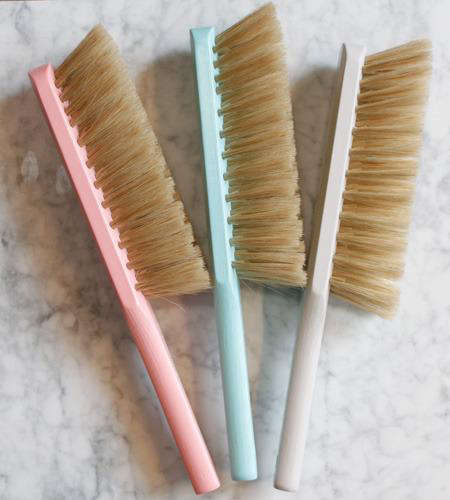
If you have ever looked at a broom and thought, “Well, that is aggressively beige,” Andrée Jardin is here to change your relationship with housekeeping. This French brushmaker has built a reputation on a radical little idea: the tools you use every day do not have to be ugly, flimsy, or destined for a sad retirement behind the laundry room door. They can be useful, durable, and yes, even charming enough to leave out in plain sight.
That is where domestic science gets interesting. In the old-school sense, domestic science was about understanding the systems of home life: cooking, cleaning, organization, care, and the thousand tiny rituals that make a house function. In the modern design world, the phrase has taken on a fresh sparkle. It now also suggests a more thoughtful approach to the objects we live with. Andrée Jardin, a heritage brand from France, sits right at that sweet spot where craftsmanship, practicality, and style all shake hands and agree to be civilized.
The Story Behind Andrée Jardin
Andrée Jardin is rooted in the Nantes region of western France, where the company’s brushmaking story began in 1947. The original business was Brosserie Julio, founded by Georges-René Julio and his wife, Andrée Jardin. The company first focused on brushmaking know-how, and over time that technical expertise became the foundation for a broader household line that would eventually carry Andrée’s name. In 2012, the founders’ grandsons revived the domestic side of the family legacy under the brand name Andrée Jardin, a move that honored both heritage and household life in one neat sweep.
That origin story matters because it explains why the brand does not feel like a trend-chasing lifestyle label wearing a striped Breton shirt for marketing purposes. Andrée Jardin comes from real manufacturing roots. It was not created to imitate vintage utility objects; it grew out of them. That gives the brand a different kind of authority. When it makes a dish brush, a dustpan, a hairbrush, or a bath accessory, the product feels connected to a long tradition of French domestic craftsmanship rather than a passing “clean girl kitchen” moment.
Why Andrée Jardin Feels So French
There is a particular French talent for taking humble routines and making them look like a deliberate lifestyle choice. Coffee is not just coffee. Bread is not just bread. And apparently, a broom is not just a broom. Andrée Jardin fits beautifully into that world because its products embody what many people love about French home culture: restraint, durability, understatement, and a refusal to treat daily rituals as disposable.
Instead of neon plastics and awkward molded handles, Andrée Jardin favors materials like French beechwood, thermo-treated ash, natural fibers, metal details, leather loops, and clean silhouettes. The result is a collection of brushes and home accessories that feel both old-fashioned and surprisingly current. They whisper instead of shout. They do not beg for attention, but they quietly improve the visual temperature of a kitchen, bathroom, or utility area.
In other words, these are cleaning tools for people who want their homes to look thoughtful even when they are scrubbing a saucepan. A noble cause, honestly.
Domestic Science, Reimagined
The phrase “domestic science” can sound a little dusty, but Andrée Jardin makes it feel alive again. Its products suggest that housekeeping is not merely a chore to be rushed through with whatever plastic gadget is on sale. It is part maintenance, part ritual, part design decision. The object in your hand shapes how the task feels. A balanced dish brush with a wooden handle turns a dull routine into something more tactile and grounded. A beautiful dustpan set hanging on a wall invites use instead of hiding in shame.
This is one reason the brand has found such a warm audience in the United States, especially through design-minded retailers and home editors. American coverage often highlights Andrée Jardin not just as a maker of cleaning tools, but as a maker of display-worthy cleaning tools. That distinction matters. The brand belongs to a bigger shift in how people think about utility items. If you spend money on good cookware, nice towels, and a decent lamp, why should your broom look like it was issued by a haunted janitor’s closet?
The Product World: More Than Just Brooms
Although the brand is best known for its brooms and brushes, Andrée Jardin’s world is broader than one might expect. Yes, there are handsome long-handled brooms, crumb brushes, dustpans, radiator brushes, and scrubbers for kitchen duty. But there are also bath brushes, nail brushes, clothes brushes, hairbrushes, soap dishes, plungers, and specialty household tools that make you wonder why ordinary versions have accepted being so unattractive for so long.
Kitchen Tools
In the kitchen, Andrée Jardin leans into brushes designed for real use: dish brushes, vegetable brushes, saucepan scrubbers, and accessories that feel sturdy rather than disposable. The appeal here is not only aesthetic. Wooden handles and natural fibers bring a sense of warmth and longevity, and some designs emphasize replaceable parts or durable construction that encourages longer use. That is a meaningful difference in a category crowded with cheap plastic tools that wear out fast and look tired even faster.
Cleaning Tools
This is where the brand’s design identity really shines. Dustpan-and-brush sets, upright brooms, and long-handled brushes often feature a distinctly French balance of utility and wit. Certain pieces have a slightly retro personality, while others look almost architectural. They are built for sweeping corners, entryways, kitchens, and those annoying tiny messes that somehow multiply the second guests announce they are “five minutes away.”
Bath and Body Accessories
Andrée Jardin also moves comfortably into personal care, offering bath brushes, massage brushes, nailbrushes, and hairbrushes that carry the same quiet design language as the home line. These products are especially good examples of the brand’s philosophy: useful objects made to last, pleasant to hold, and attractive enough that you do not need to apologize for leaving them by the sink.
Materials Matter
A big part of Andrée Jardin’s identity is its material palette. The brand is often associated with wood sourced from sustainably managed forests, especially beechwood and thermo-treated ash. That thermo-treatment is not just a fancy phrase designed to impress your cutting board. It makes the ash wood more resistant to humidity, which is a practical advantage for bathroom and sink-side products. Natural fibers also play a central role across the collection, reinforcing the brand’s old-world, lower-plastic sensibility.
This focus on materials gives the products their tactile appeal. Plastic tends to feel anonymous. Wood, by contrast, records use. It softens, deepens, and develops character. That aging process suits the brand perfectly because Andrée Jardin is selling more than tools; it is selling a different timeline. These are objects meant to stay in your home long enough to become familiar.
Why Americans Fell for It
Part of Andrée Jardin’s appeal in the U.S. is timing. American shoppers have become much more interested in sustainability, slow living, craftsmanship, and everyday beauty. That does not mean everyone has suddenly become a minimalist monk with a horsehair brush collection, but it does mean people are rethinking what deserves care and investment. A well-made domestic tool now feels less like an indulgence and more like a smart correction.
The brand also lands nicely in the overlap between design culture and practical living. It is beloved by people who read home magazines, reorganize their pantry “for fun,” and secretly judge hotel housekeeping tools. But it also works for anyone who simply wants a better experience in everyday chores. A good dish brush is a small thing until you use one every day. Then it becomes one of those domestic upgrades that quietly improves life while asking for very little applause.
The Design Lesson of Andrée Jardin
What makes Andrée Jardin especially interesting is that it blurs the old boundary between utility and décor. In many homes, useful things are meant to disappear. Cleaning supplies go under the sink. Laundry gear gets shoved behind a door. Bath accessories become visual background noise. Andrée Jardin challenges that habit by creating objects that can stay visible without making the room feel cluttered or clinical.
That has a psychological effect. When the objects of upkeep look considered, the work itself feels less punishing. No, a beautiful broom will not suddenly make you text your friends, “Huge news: I cannot wait to mop tonight.” But it can make routines feel less chaotic and more intentional. The home starts to look like a place where maintenance is part of living well, not evidence that life is messy and everyone is losing the plot.
How to Bring the Look Home
If you are inspired by the Andrée Jardin approach, the takeaway is simple: upgrade the objects you use all the time, not just the ones that end up in photos. Start with one hardworking category. A dish brush. A dustpan set. A bath brush. A clothing brush. Choose materials that age well, shapes that feel good in the hand, and tools you would not mind seeing every day.
Then think like a domestic scientist. Ask what is durable. What is comfortable. What reduces waste. What actually earns its place in the home. Style matters, but style without usefulness is just a costume. The genius of Andrée Jardin is that it rarely asks you to choose between the two.
Final Thoughts
Andrée Jardin proves that household objects can be practical without being soulless. From its origins in postwar French brushmaking to its modern life as a design-forward name in home and body accessories, the brand has turned ordinary maintenance into something more elegant, more deliberate, and frankly more enjoyable to look at. It represents a compelling vision of domestic science in France: a home shaped not only by grand furniture and pretty ceramics, but by the humble tools that support daily life.
That may be the real charm here. A beautiful chair gets all the glory, but a well-made brush does the actual work. Andrée Jardin understands both roles. It knows that the quiet, useful object can be every bit as expressive as the statement piece. Sometimes sophistication is not about owning more things. Sometimes it is about owning better ones, especially the ones that sweep up after dinner.
Experiences Related to “Domestic Science: Andrée Jardin in France”
To understand the emotional pull of Andrée Jardin, it helps to think about the kind of experiences the brand creates. This is not a flashy luxury experience in the usual sense. No velvet rope. No dramatic unboxing that requires orchestral music. The pleasure is subtler. It is the moment you reach for a brush and realize it feels solid, balanced, and oddly calming. It is noticing that your kitchen cleanup has become a little less annoying because the tool in your hand was designed by someone who clearly respects repetitive work.
There is also a visual experience at play. Many household supplies create low-grade visual stress. Bright plastic, clunky shapes, and synthetic textures can make even a tidy room feel cluttered. By contrast, an Andrée Jardin brush hanging near the sink or resting by a utility shelf tends to blend into the home rather than disrupt it. The wood tones, natural fibers, and restrained detailing make routine objects feel compatible with the rest of your space. That creates a small but real sense of order.
Another experience tied to the brand is nostalgia, though not in a syrupy, performative way. The objects can remind people of grandparents’ homes, old workshops, traditional kitchens, or slower routines where things were repaired, reused, and appreciated. Yet the products do not feel trapped in the past. They feel edited for modern life. That mix of memory and usefulness gives the brand a warmth many contemporary utility products completely lack.
There is even a sensory angle. Wood has warmth. Natural bristles move differently across surfaces. A well-crafted brush produces less of that harsh, scratchy, cheap-tool feeling. In a home full of screens, sealed plastics, and disposable packaging, those tactile differences matter more than people think. They reconnect daily chores to the physical world in a satisfying way.
Ultimately, the experience of Andrée Jardin is about dignity in ordinary tasks. Washing dishes, brushing clothes, cleaning crumbs, or scrubbing produce are not glamorous jobs, but the right tools can make them feel less like punishment and more like participation in home life. That is the quiet magic behind the brand. It reminds us that domestic science is not only about efficiency. It is also about atmosphere, touch, memory, and care. And that is a very French lesson worth borrowing.














