
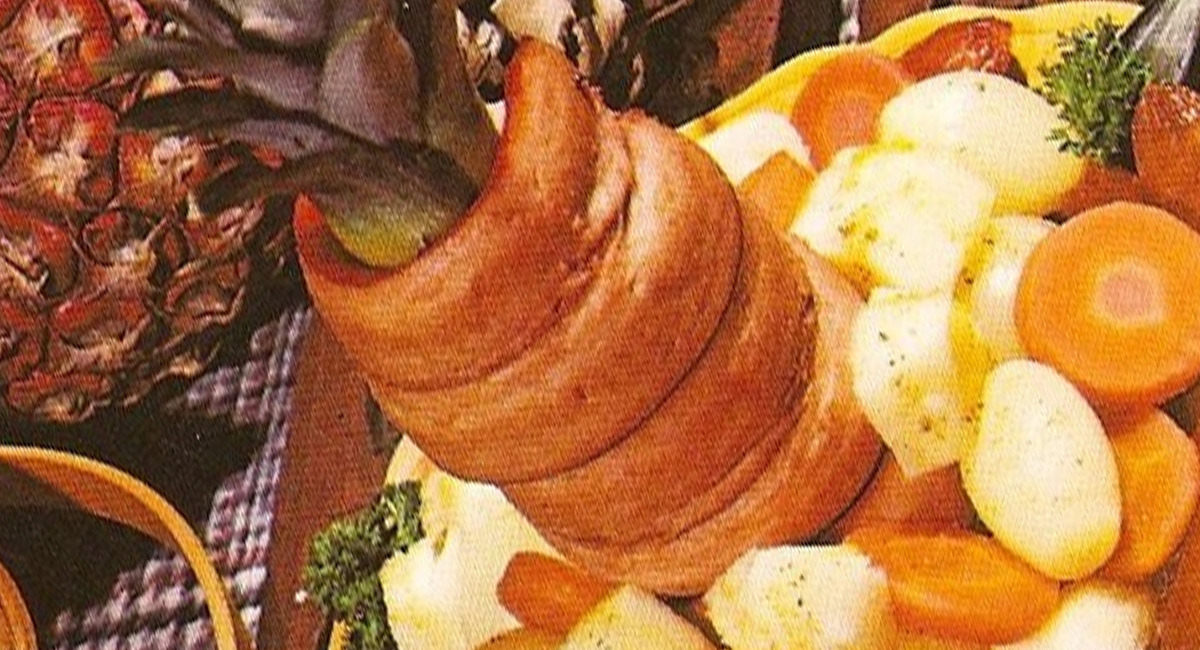
Every generation has its culinary crimes. Today, we have glitter coffee, pickle-flavored everything, and suspiciously expensive toast. But our grandparents? They looked at gelatin, canned meat, vinegar, organ meats, and leftovers from the “mystery end” of a pig and said, “Set the table, company’s coming.”
Welcome to a brave, slightly wobbly journey through Taste-Testing 7 More Disgusting Foods Your Grandparents Ate. These vintage dishes were not always created to shock anyone. Many came from thrift, wartime rationing, regional tradition, whole-animal cooking, church potlucks, military kitchens, and the once-glorious belief that anything could become dinner if you trapped it in a mold.
Were these foods actually disgusting? Sometimes, yes. Sometimes, only the name is terrifying. And sometimes, after one nervous bite, you understand why Grandpa defended it with the intensity of a man protecting buried treasure.
Why Did Grandparents Eat So Many Strange Foods?
Before judging a slice of head cheese like it personally offended your family, it helps to remember the world that created these dishes. Refrigerators were not always common. Grocery stores were not always packed with boneless chicken breasts, imported berries, and 14 kinds of oat milk. Families stretched ingredients, preserved meat, used scraps, and turned inexpensive foods into filling meals.
During the Great Depression and World War II, many American households learned to make every bite count. Canned goods, dried beef, gelatin, organ meats, pickles, leftovers, and pantry staples were practical. In the mid-20th century, convenience foods also became fashionable. If a recipe used a can opener, a packet of gelatin, and a decorative mold shaped like a small architectural disaster, it was considered modern.
So yes, some of these old-fashioned foods look like they were assembled during a power outage. But they also tell a story about survival, creativity, regional pride, and the eternal human ability to say, “It tastes better than it looks.” That phrase, by the way, is almost always a warning.
1. Tomato Aspic: The Salad That Jiggles Back
What It Is
Tomato aspic is a savory gelatin dish made with tomato juice or tomato puree, gelatin, seasonings, and sometimes chopped vegetables like celery, onion, peppers, or olives. It is chilled in a mold and served cold, often on lettuce with mayonnaise or a creamy dressing.
The Taste Test
The first thing you notice is the wobble. Tomato aspic does not sit on the plate so much as quiver with quiet confidence. It smells like tomato juice, celery salt, and an old church basement in July. The texture is where the drama begins. Your tongue expects soup, but your teeth meet cold tomato Jell-O. This is not a food experience. This is a negotiation.
The flavor is not terrible. It is tangy, salty, and faintly refreshing. In fact, if you like Bloody Mary mix, you might survive tomato aspic without making a face that worries your loved ones. The problem is the texture. Modern eaters are used to salads that crunch, not salads that shimmy.
Why Grandparents Ate It
Savory gelatin salads became wildly popular in midcentury America. They looked fancy, held their shape on buffet tables, and made ordinary ingredients seem elegant. For a host, tomato aspic was proof that dinner had structureliteral structure.
Verdict: Weird but not hopeless. Add shrimp, avocado, or a spicy dressing, and it starts acting like a retro gazpacho that lost its way.
2. Pickled Pig’s Feet: The Jar That Stares Back
What It Is
Pickled pig’s feet are exactly what the name promises and what your appetite may fear: pig trotters preserved in a salty vinegar brine. They were especially associated with Southern cooking, soul food traditions, bars, butcher shops, and old-fashioned corner stores.
The Taste Test
Opening the jar is the first test of character. The aroma is sharp, porky, vinegary, and deeply serious. Pickled pig’s feet look like something a cartoon witch keeps for emergencies. The texture is soft, slippery, collagen-rich, and chewy in places, which makes every bite feel like an adventure with no map.
The flavor, however, is more familiar than the appearance suggests. Think salty pork, vinegar, spice, and a little tangy richness. If you enjoy pickled eggs, ham hocks, or vinegary barbecue, the taste may not scare you. The gelatinous mouthfeel is the hurdle. This is not crispy bacon. This is bacon’s ancient swamp cousin.
Why Grandparents Ate It
Pickling helped preserve meat before modern refrigeration was everywhere. Pig’s feet were inexpensive, filling, and part of a “waste not, want not” food culture that used the whole animal. In many families, they were not a dare. They were a snack.
Verdict: Flavor: surprisingly acceptable. Texture: a haunted handshake.
3. Head Cheese: Not Cheese, Not a Head, Still Alarming
What It Is
Head cheese, also called souse in some regions, is a cold meat loaf or terrine made from cooked pork parts, often from the head, combined with naturally gelatinous broth. It is chilled until sliceable. Despite the name, it contains no dairy. Whoever named it “head cheese” was apparently trying to lose friends.
The Taste Test
Head cheese looks like deli meat that got interrupted halfway through becoming a science project. The slices can show visible chunks of pork suspended in a glossy, firm jelly. That visual alone is enough to make many modern eaters suddenly remember they left something in the car.
But the taste is usually better than expected. It can be savory, garlicky, peppery, tangy, and rich. On crackers with mustard or hot sauce, it starts to make sense. The gelatin gives it a firm, cold texture that some people love and others describe as “absolutely not.”
Why Grandparents Ate It
Head cheese came from practical meat preservation and whole-hog cooking. Boiling bones, skin, and connective tissue released gelatin, which helped bind the meat. In Louisiana, Pennsylvania Dutch communities, and parts of the Midwest, versions of this dish became regional staples.
Verdict: Better with mustard, worse if you read the label too carefully.
4. Scrapple: Breakfast From the Land of Leftovers
What It Is
Scrapple is a Pennsylvania Dutch breakfast dish made from pork scraps and trimmings mixed with cornmeal, flour, and spices. The mixture is cooked into a loaf, chilled, sliced, and fried until crisp on the outside.
The Taste Test
Scrapple is one of those foods that sounds like punishment but behaves like breakfast. Once fried properly, it develops a crispy crust and a soft, savory center. The flavor is porky, peppery, and comforting, especially with eggs, toast, or maple syrup.
The challenge is psychological. “Would you like some pork scrap loaf?” is not a question that inspires confidence. But if someone simply served it as “crispy breakfast sausage,” many people would happily eat it and ask for seconds.
Why Grandparents Ate It
Scrapple is a classic example of stretching meat with grains. It turned butcher leftovers into a filling, affordable breakfast. In regions with Pennsylvania Dutch influence, scrapple was not strange at all. It was tradition in a skillet.
Verdict: The least disgusting food on this listunless you think too hard.
5. Creamed Chipped Beef on Toast: The Beige Legend
What It Is
Creamed chipped beef on toast is made with thin pieces of dried beef cooked in a white cream sauce and spooned over toast. It is famously associated with military mess halls, where it earned several colorful nicknames, most of which should not be printed on a family-friendly food blog.
The Taste Test
This dish is aggressively beige. It looks like wallpaper paste decided to become dinner. The smell is salty, milky, and vaguely nostalgic, even if you have no personal memory of it. The first bite is creamy and savory, with the dried beef bringing a concentrated saltiness.
On a cold morning, it is easy to understand the appeal. It is hot, filling, cheap, and fast. After several bites, however, the salt begins marching through your mouth like it has military orders. A little black pepper helps. So does coffee. So does not staring at it.
Why Grandparents Ate It
Dried beef was shelf-stable, and white sauce was inexpensive. Together, they created a hearty meal that fed families and soldiers. It also required basic pantry ingredients, which made it useful during lean times.
Verdict: Comfort food for people who believe color is optional.
6. Liver and Onions: The Dinner Table Villain
What It Is
Liver and onions is a simple dish made by cooking beef or calf liver with sliced onions, often with butter, flour, gravy, or pan drippings. For many Americans, it is the vintage dinner that launched a thousand childhood escape plans.
The Taste Test
Liver announces itself immediately. The aroma is strong, mineral-rich, and unmistakable. It does not whisper, “Dinner is ready.” It kicks open the door and says, “You will respect iron.”
The texture depends on the cook. Properly prepared liver can be tender, especially when soaked in milk, sliced thin, and not overcooked. Overcooked liver, however, becomes grainy, dry, and emotionally complicated. The onions are the hero here. Sweet caramelized onions can soften the liver’s intensity and bring balance to the plate.
Why Grandparents Ate It
Liver was inexpensive, nutrient-dense, and widely available. In an era when families valued economical protein and iron-rich foods, liver made sense. It was also part of a broader comfort-food tradition that did not treat organ meats as unusual.
Verdict: Nutritious, powerful, and best served to people with advance notice.
7. Prune Whip: Dessert With a Reputation Problem
What It Is
Prune whip is an old-fashioned dessert made with cooked prunes, sugar, egg whites, and sometimes gelatin or whipped cream. It can be baked or chilled, depending on the recipe. It was especially popular in early- and mid-20th-century cookbooks.
The Taste Test
Prune whip has two major obstacles: the word “prune” and the word “whip.” Together, they sound like something prescribed by a doctor who disapproves of joy. Visually, it can range from fluffy brown mousse to a shiny purple mound that looks like it knows your secrets.
Surprisingly, the flavor can be pleasant. Prunes are sweet, deep, and fruity, with a jammy richness similar to dates or figs. When folded into egg whites or cream, they become lighter and more dessert-like. The problem is cultural. Prunes have been branded as digestive punishment, not party food.
Why Grandparents Ate It
Prunes were affordable, shelf-stable, naturally sweet, and useful during times when sugar was expensive or rationed. A dessert that used dried fruit and pantry ingredients had real value. It may not have been glamorous, but it got the job done.
Verdict: Better than expected. Rename it “vintage plum mousse” and watch people become suspiciously open-minded.
What These Disgusting Vintage Foods Reveal About American Eating
The funniest thing about these foods is that many of them are only “disgusting” because modern eaters have become picky in very specific ways. We love collagen when it is called bone broth. We eat nose-to-tail tasting menus when a chef charges enough. We enjoy charcuterie boards full of cured meats, pickles, spreads, and textures that are not so far from what our grandparents knew.
The difference is branding. A restaurant can serve “heritage pork terrine with house mustard,” and people will photograph it lovingly. Grandma serves head cheese on a paper plate, and suddenly everyone needs emotional support.
Many of these dishes were born from necessity. Tomato aspic and gelatin salads showed creativity with convenience foods. Scrapple and head cheese used parts of the animal that might otherwise be wasted. Creamed chipped beef turned shelf-stable meat into a meal. Liver and onions delivered nutrients at a low price. Pickled pig’s feet preserved protein. Prune whip stretched dried fruit into dessert.
That does not mean every bite deserves a comeback. Some foods retired for a reason, and that reason may be “cold meat jelly.” But these dishes deserve a little respect. They fed families, marked regions, filled lunch counters, showed up at potlucks, and survived long enough for us to make jokes about them on the internet.
How to Taste-Test Vintage Foods Without Regret
Start With the Least Scary Dish
If you are new to disgusting vintage foods, begin with scrapple or creamed chipped beef. They are familiar enough to ease you into the past without making you question your life choices.
Use the Right Condiments
Mustard, hot sauce, vinegar, black pepper, and pickles are your friends. Many old-fashioned foods are rich, salty, or gelatinous, so acid and spice help cut through the heaviness.
Do Not Eat Alone
Vintage food tasting is best done with witnesses. You need someone to laugh with, compare reactions, and confirm that tomato aspic really did move when nobody touched it.
Respect the Food, Even If You Roast It
It is easy to call these dishes gross. It is more interesting to ask why people loved them. Food history is not just about flavor. It is about money, migration, technology, family habits, and survival. Also, sometimes it is about mayonnaise in places mayonnaise should never be.
Extra Experience Section: My Imaginary Taste-Test Table of Grandparent Foods
If you want the full experience of Taste-Testing 7 More Disgusting Foods Your Grandparents Ate, do not serve them one by one like a normal person. Build the entire spread. Put tomato aspic in the center like a trembling crown jewel. Place pickled pig’s feet nearby in a glass jar, preferably where they can make eye contact with guests. Add a plate of sliced head cheese, a skillet of scrapple, a ladle of creamed chipped beef, liver and onions, and a bowl of prune whip waiting at the finish line like a dessert that files taxes.
The first reaction will be silence. Not polite silence. Archaeological silence. People will study the table as if trying to determine which item was once alive, which item is still alive, and which item might become alive if the room gets warm.
Scrapple usually wins the crowd first. Fry it crisp, and people relax. “This is actually good,” someone says, immediately making the face of a person who has betrayed their own expectations. Creamed chipped beef comes next. It is salty, creamy, and plain, but in a cozy way. Someone will compare it to biscuits and gravy’s less charming cousin, and that is fair.
Liver and onions divides the room. People who grew up with it may smile nostalgically. People who did not may chew slowly while reconsidering every decision that led them here. The onions help, especially if they are deeply browned and sweet. Without onions, liver is just a mineral deposit wearing gravy.
Tomato aspic creates the loudest reactions. Someone will poke it. Someone else will say, “It’s not bad,” but they will say it in the voice people use after minor car accidents. The flavor is bright and tangy, yet the cold wobble confuses the brain. Your mouth expects sauce. Your eyes expect dessert. Your soul expects answers.
Head cheese is the surprise intellectual of the group. It looks intimidating, but with mustard and crackers, it becomes understandable. Not universally loved, but understandable. Pickled pig’s feet remain the boss level. They are bold, slippery, sour, and deeply committed to being themselves. People who like them really like them. People who do not will spend the next ten minutes drinking water and staring into the middle distance.
Prune whip ends the tasting on a softer note. It is sweet, fruity, and lighter than expected. The name does most of the damage. If served in a fancy glass with whipped cream and called “dark plum mousse,” it could pass at a dinner party. Call it prune whip, and everyone suddenly remembers they are full.
The real lesson is that disgust is often about expectation. Our grandparents ate foods shaped by thrift, preservation, convenience, and tradition. We eat foods shaped by branding, trends, and delivery apps. Future generations may laugh at our protein bars, mushroom coffee, and cauliflower pizza crust with the same horrified delight. And honestly, we will deserve it.
Conclusion: Disgusting, Delicious, or Just Misunderstood?
The world of vintage foods is strange, funny, and more meaningful than it first appears. These seven dishes may not all deserve a permanent place on the modern dinner table, but they do deserve a little curiosity. Tomato aspic, pickled pig’s feet, head cheese, scrapple, creamed chipped beef, liver and onions, and prune whip each reveal something about how Americans cooked when budgets were tighter, preservation mattered, and wasting food was not an option.
Some of these foods are genuinely hard to love. Others are unfairly judged by their names, textures, or unfortunate colors. Taste-testing them is part comedy, part history lesson, and part reminder that every era has foods that make the next generation ask, “Wait, you ate what?”
Note: This article is written for entertainment and food-history context. When recreating vintage recipes, always follow modern food safety guidance, especially with meat, eggs, gelatin, and preserved foods.













