
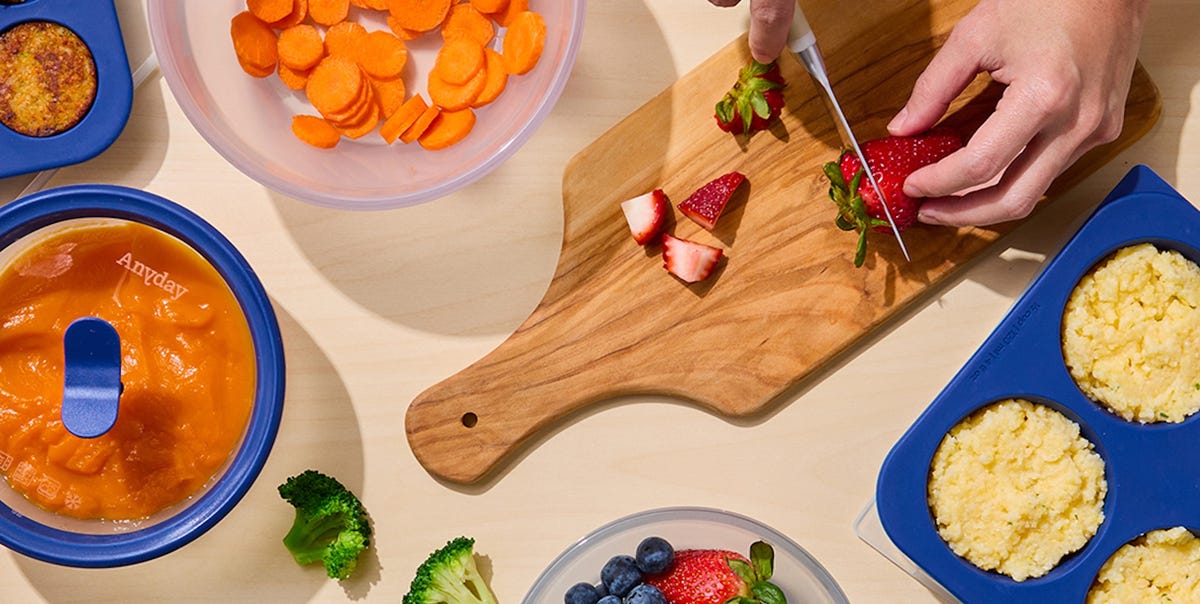
If your oven had a personality, it would be that friend who needs 20 minutes to “get ready” before doing anything useful. Preheat this, roast that, heat up the whole kitchen just to warm a leftover lasagna square the size of a deck of cards. That is exactly why Anyday cookware has landed on so many countertops with the energy of a tiny kitchen rebellion. Its promise is bold, a little cheeky, and very modern: cook real food in the microwave without sacrificing quality, convenience, or your will to make dinner on a Wednesday.
At first glance, Anyday looks like beautiful storageware that got a design degree and a confidence boost. But the brand’s real trick is not aesthetics. It is engineering. These borosilicate-glass dishes are built to help the microwave do what it actually does best: heat food quickly, efficiently, and with moisture. The result is a cooking system that can steam vegetables, cook grains, reheat leftovers, poach fish, soften potatoes, and handle a surprising number of weeknight meals while your oven sits in the corner wondering whether it has been replaced by a bowl with excellent manners.
Now, let’s be fair. “Ditch your oven entirely” is a delicious headline, but real life deserves nuance. Anyday cookware is not here to turn your microwave into a wood-fired pizza oven or a steakhouse broiler. What it can do, however, is dramatically reduce how often you need the oven at all. For busy home cooks, apartment dwellers, students, meal preppers, parents, and anyone who has ever stared at a sheet pan and thought, “Absolutely not tonight,” that is a big deal.
Why Anyday Feels Like a Tiny Kitchen Revolution
The genius of Anyday cookware is that it treats microwave cooking as actual cooking, not as a sad afterthought reserved for leftover noodles and office popcorn. Traditional microwave habits usually involve flimsy containers, uneven heating, splatter, and the constant fear that your lunch will emerge both lava-hot and somehow still cold in the middle. Anyday solves that by creating a controlled cooking environment.
Each dish is designed with a tight-fitting glass lid, a silicone gasket, and a venting knob. In plain English, that means steam stays where it is useful and escapes where it needs to. That matters because microwave energy heats water molecules in food quickly. Without the right container, that moisture disappears fast, and the texture goes downhill with it. With the lid doing its steam-trapping magic, food tends to stay moist, cook more evenly, and avoid the bleak fate of rubbery chicken or dried-out rice.
That is the real appeal. Anyday does not ask you to become a gadget collector or a recipe engineer. It asks you to put ingredients in a dish, cover them, and let the microwave handle the speed while the cookware handles the moisture. It is less “master chef performance” and more “I can absolutely make dinner before my show starts.”
What Makes Anyday Cookware Different From Regular Microwave Containers
Borosilicate Glass That Is Built for Real Use
Anyday’s dishes are made from borosilicate glass, which is known for handling temperature changes better than ordinary glass. That makes the cookware feel less like disposable meal-prep gear and more like legitimate kitchen equipment. You can prep in it, cook in it, serve in it, store leftovers in it, and wash it without feeling like you are handling a fragile science project.
The material choice also helps position Anyday as a more premium alternative to the sea of plastic containers that dominate microwave life. For people trying to reduce plastic use in the kitchen, that alone is appealing. Glass looks better, feels sturdier, and does not come with the same “Should this be in the microwave, or am I making a mistake?” energy that random takeout tubs often do.
A Lid That Does More Than Just Sit There
The lid is where the whole thing gets clever. Instead of acting like a passive cover, it actively helps manage steam and pressure. That means you can cook ingredients in a moist environment that mimics gentle steaming or covered baking more than the usual microwave free-for-all. It also helps reduce splatters, which is fantastic news for people who are tired of cleaning tomato sauce off microwave walls like they are doing forensic reconstruction.
When you are done, the same lid helps with storage. So instead of dirtying a serving bowl, then a storage container, then another dish to reheat it later, you can often use just one vessel. That kind of all-in-one function sounds small until you realize it removes half the dishes from a typical weeknight meal.
Designed for Prep, Cook, Serve, Store, Repeat
One of Anyday’s smartest selling points is that it is not just cookware. It is also serving ware and storage ware. That may sound like marketing poetry, but in practice it is very useful. You can make rice, steam broccoli, toss in sauce, serve it right there, refrigerate what is left, and reheat it later in the same dish. Less transferring, less mess, less cleanup, less opportunity to create that mysterious pile of lids no one can match to anything.
What Anyday Cookware Actually Cooks Well
This is where skepticism tends to melt. Or steam. Or both. The strongest case for Anyday is not that it can technically cook food. It is that it cooks certain foods genuinely well.
Vegetables
Vegetables are arguably the easiest win. Broccoli, green beans, carrots, asparagus, corn, cauliflower, and leafy greens all respond beautifully to a steam-forward cooking method. They cook quickly, keep their color, and usually taste fresher than vegetables that have been boiled into submission. If your oven’s job is mostly roasting vegetables because you like them tender and easy, Anyday can steal a lot of that work.
Grains and Starches
Rice, quinoa, couscous, oatmeal, pasta, potatoes, and sweet potatoes are also strong candidates. This may be the category where people most dramatically rethink their kitchen habits. The ability to cook grains without babysitting a pot or heating up the stove makes Anyday especially attractive for lunch prep, quick dinners, or small households. Potatoes, in particular, become weeknight heroes: soft interiors, fast cook times, and no need to wait for the oven to lumber into action.
Proteins
Here is where people usually raise an eyebrow. Chicken? Fish? Eggs? In the microwave? Yes, with caveats and the right expectations. Anyday performs best with proteins that benefit from gentle, moist cooking. Salmon, white fish, shrimp, poached-style chicken, and egg dishes all make sense in this format. You are not getting a crisp skin or a deep roast. What you are getting is speed, tenderness, and very little cleanup.
That makes it especially useful for meals like salmon with rice, shredded chicken for bowls, soft scrambled eggs, or a quick frittata-style lunch. If your dinner priority is “tasty and fast” rather than “dramatic browning and applause,” this cookware starts to look very smart.
Leftovers and Semi-Homemade Meals
Anyday also shines when it upgrades the in-between meals of real life. Boxed mac and cheese, ramen, frozen vegetables, leftover pasta, grain bowls, reheated casseroles, even odds-and-ends dinners made from yesterday’s components all become easier and more pleasant. That matters because most kitchens are not producing elaborate from-scratch feasts every night. They are producing normal food for hungry people with calendars.
Where Anyday Beats the Oven
Speed
The biggest advantage is obvious: microwaves are fast. There is no preheat, no wasted energy heating a giant cavity of air, and no 40-minute commitment for a task that should take 10. For smaller portions and everyday meals, that speed is not just convenient. It changes behavior. Suddenly it becomes easier to cook a vegetable side, steam a piece of fish, or make a quick lunch at home instead of reaching for something more expensive, more processed, or less satisfying.
Energy Efficiency
Microwaves are efficient because they heat the food directly rather than warming the whole oven compartment first. That makes Anyday particularly appealing in hot weather, small apartments, dorms, offices, and households trying to keep energy use in check. You are not turning the kitchen into a sauna just to cook one serving of rice and some broccoli. Your air conditioner can finally stop writing complaint letters.
Less Mess, Less Friction
Cooking at home often fails not because people hate food, but because the process feels like a lot. Too many pans, too many bowls, too much cleanup, too many steps before eating. Anyday cuts that friction down. One dish, one lid, one microwave, one dishwasher trip later, you are done. That kind of simplicity is not glamorous, but it is exactly what helps people cook more often.
Where Anyday Does Not Replace the Oven
Now for the honest bit. Anyday is impressive, but it is not wizardry.
If you want crisp-skinned chicken, deeply caramelized roasted vegetables, bubbling cheesy browning, flaky pastry, or a tray of cookies that tastes like childhood and butter, your oven is still very much employed. Microwaves do not sear. They do not brown in the same way. They do not create the dry, circulating heat that gives many foods their crunchy exterior and complex roasted flavor.
This is why the most realistic way to think about Anyday is not as a literal replacement for every oven task. It is a replacement for the vast majority of routine oven jobs that do not need browning. That is still huge. You may not stop using your oven forever, but you may stop using it for Tuesday-night vegetables, weekday salmon, reheated baked pasta, or lunch potatoes. And that alone could make the cookware worth it.
Is Anyday Worth the Price?
Let’s talk about the one issue that shows up in nearly every review: cost. Anyday is not bargain-bin microwaveware. It is a premium product, and it looks like one. For some shoppers, that price feels justified because the cookware replaces multiple categories: microwave steamer, prep bowl, serving dish, and storage container. For others, it may feel expensive for something associated with the microwave, a cooking method many people still mentally file under “leftovers and regret.”
The real question is whether the cookware changes your habits. If it helps you cook at home more often, order takeout less, waste less food, and use fewer disposable containers, the value starts to look stronger. If you love your oven, enjoy long cooking projects, and mostly want crispy textures, it may feel less essential. Anyday is best for people who crave convenience but still want food that feels intentional.
Who Should Buy Anyday Cookware
Anyday makes the most sense for a few very specific types of cooks. First, the weeknight maximizer: someone who wants dinner fast and is tired of pans multiplying in the sink. Second, the small-space cook: apartment residents, dorm students, and anyone with a compact kitchen. Third, the meal prep realist: a person who wants useful lunches and easy reheats without a pile of plastic. Fourth, the microwave skeptic who is ready to admit that maybe, just maybe, the machine has been unfairly judged.
It is also a surprisingly good fit for people easing into home cooking. The method is approachable, the cleanup is low, and the learning curve is gentle. You do not have to master pan heat, oven timing, or multitasking across burners. You just have to understand how moisture, timing, and portion size work together. Anyday helps make that feel manageable.
The Bigger Appeal: It Makes Cooking Feel Possible
That might be the smartest thing about Anyday. It lowers the activation energy of cooking. Home cooking often gets framed as a noble lifestyle, but on busy days it is mostly a logistics problem. Anyday does not solve everything, but it solves enough of the annoying parts that dinner becomes far more likely to happen. And when a product changes what you realistically cook on an average day, not just what you fantasize about cooking on a Sunday afternoon, it earns attention.
For years, the microwave has been treated like the kitchen’s emergency backup singer. Anyday hands it the microphone and says, “You’re up.” Surprisingly, it does a pretty good set.
Real-Life Experience: What It Feels Like to Cook With Anyday Instead of Using the Oven
Imagine a normal week, not a perfect one. Monday starts with good intentions and ends with emails that reproduced while you were not looking. In the old routine, dinner would become a negotiation: preheat the oven and wait, or surrender to delivery. With Anyday on the counter, the decision tree gets shorter. Rice goes into one dish, broccoli into another, salmon gets a quick sauce, and suddenly the microwave is doing the kind of work the oven used to monopolize. There is no big dramatic chef moment. There is just dinner appearing with suspicious efficiency.
By Tuesday, the real luxury becomes obvious: the kitchen is not hot. You are not hovering over a sheet pan. You are not washing three cooking vessels because one side dish turned into a cookware family reunion. You cook, eat, seal the leftovers, and move on. That simplicity sounds almost too ordinary to celebrate, but ordinary is exactly where most kitchen products fail. They promise transformation and deliver clutter. Anyday’s best feature is that it quietly fits into life as it is actually lived.
Midweek is when the cookware starts to feel less like a novelty and more like a strategy. A potato for lunch? Fast. Steamed vegetables to go with leftover chicken? Easy. Oatmeal in the morning without babysitting a pot? Annoyingly convenient. There is also a psychological shift that happens when cooking no longer feels like an event. Instead of saving the effort for weekends, you start making more food on regular days because the barrier has dropped. The microwave stops being an appliance you apologize for using and starts being a tool you use on purpose.
There are tradeoffs, of course. If you are craving roasted edges, crisp skin, or the kind of dramatic browning that makes food look like it came from a bistro with exposed brick, the oven still wins. Anyday is not trying to bully a roast chicken out of retirement. What it does instead is handle the 80% of cooking that is about nourishment, speed, and sanity. In a weird way, that makes it feel more useful than appliances that are technically more powerful but less practical on a random Thursday.
By the weekend, the biggest surprise is not that the cookware works. It is that it changes your habits. You waste less food because reheating is easier. You cook more vegetables because they are no longer a production. You make quick grains and simple proteins because the process feels painless. Even cleanup gets less dramatic, which matters more than cookware marketing likes to admit. The sink remains recognizable. Spirits improve.
That is the lived experience Anyday is really selling. Not culinary theater. Not a fantasy version of domestic perfection. Just a smarter, faster, calmer path to putting good food on the table. It makes the microwave feel less like a compromise and more like a modern answer to an old problem: how do you cook well when time, energy, and patience are all in short supply? If that question sounds familiar, then yes, Anyday’s cookware starts to look pretty genius.
Conclusion
Anyday cookware earns the hype because it reframes the microwave as a serious everyday cooking tool. Its vented, steam-friendly design helps food cook more evenly, stay moist, and move smoothly from prep to plate to fridge. It will not replace every oven task, and it is not the right choice when you want deep browning or crackly textures. But for vegetables, grains, leftovers, potatoes, eggs, fish, simple chicken dishes, and weeknight survival in general, it can absolutely reduce how often you need the oven.
If your cooking style is practical, busy, and focused on getting real food on the table without a kitchen meltdown, Anyday makes a compelling case for itself. Not because it is trendy, but because it solves everyday friction with uncommon elegance. And honestly, anything that gets dinner done faster without turning the kitchen into a heat chamber deserves at least one slow clap.














