
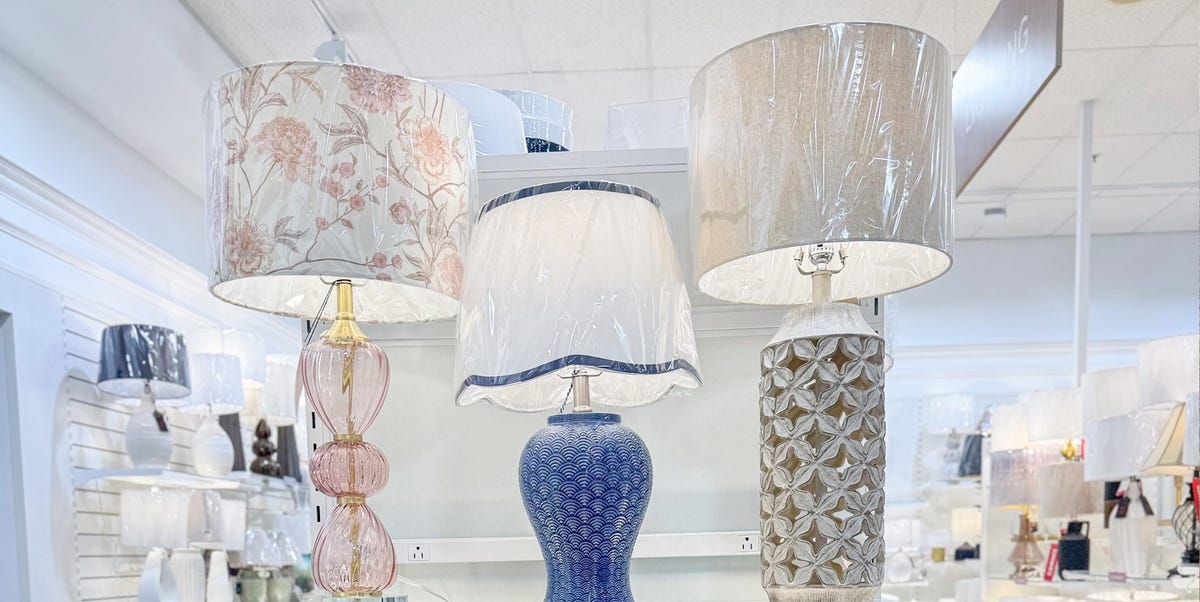
Designer lighting has a magical way of making a room look expensive. A sculptural table lamp can make a plain console table feel collected. A pair of matching bedside lamps can make a bedroom look like it has a hospitality budget. A dramatic floor lamp can turn an awkward corner into a “reading nook,” which is interior-design language for “a chair I finally moved away from the laundry pile.”
The problem, of course, is that designer lighting often comes with designer pricing. One gorgeous lamp can cost as much as a weekend getaway, and no shade is charming enough to make that math feel normal. That is where HomeGoods becomes dangerousin the best possible way. Because HomeGoods is an off-price retailer with frequently changing inventory, its lighting section can be a treasure hunt of table lamps, floor lamps, task lights, ceramic bases, woven shades, metal finishes, glass accents, and occasionally a piece that makes you whisper, “Why is this here, and who do I have to thank?”
But scoring designer-style lighting at HomeGoods is not just about luck. Luck helps, yes. So does caffeine. But the best shoppers use a system: timing, inspection, quick decision-making, scale, safety checks, and a little detective work. Here are five HomeGoods shopping secrets to help you find beautiful lighting for lesswithout accidentally bringing home a lamp that looks elegant in the aisle and ridiculous next to your sofa.
Why HomeGoods Is a Smart Place to Hunt for Designer Lighting
HomeGoods is built around the off-price model, which means its buyers source merchandise from a wide range of vendors, including top brands, designers, artisans, closeouts, overproduction, canceled orders, and other buying opportunities. That is why the lighting aisle can feel different from one visit to the next. One week you might see modern black metal lamps with linen drum shades; the next week, coastal ceramic lamps, brass pharmacy floor lamps, or sculptural stone-look bases may appear.
This rotating inventory is both the thrill and the trap. The thrill is obvious: you can find stylish lighting at prices well below what similar pieces may cost at specialty décor stores. The trap is that there is rarely a “think about it for three days and order it later” option. HomeGoods has focused on brick-and-mortar shopping, and the best in-store finds are often limited in quantity. Translation: if the lamp is perfect, do not leave it alone in the wild for another shopper with a bigger cart and fewer doubts.
Secret 1: Shop When the Good Lighting Is Most Likely to Hit the Floor
If you want the best HomeGoods lighting finds, timing matters. The lighting aisle is not like a traditional store display where the same lamp sits around waiting for a seasonal reset. New items arrive several times a week, and the most exciting pieces may be placed on shelves, end caps, or carts before the weekend crowd arrives.
The Best Times to Shop HomeGoods for Lighting
Weekday mornings and midday visits are usually your best bet. Stores are often less crowded, aisles are easier to navigate, and newly stocked items are easier to spot before they disappear into someone else’s cart. Tuesday through Friday can be especially useful because stores have had time to recover from the weekend rush, restock, and organize.
Weekend shopping is not useless, but it is more competitive. By Saturday afternoon, the lighting section can look like a family of lamps had a dramatic argument and scattered across the aisle. If weekends are your only option, go early. Bring measurements, bring photos, and bring the emotional strength to make decisions quickly.
Why Repeat Visits Beat One Big Shopping Trip
The HomeGoods secret is not “go once and hope.” It is “stop in when you are nearby.” Because inventory changes frequently, a quick 15-minute lighting scan can be more effective than one marathon trip every few months. Think of it like checking the fridge for leftovers, except the leftovers are ceramic lamps and you do not have to question whether they are still safe to eat.
Secret 2: Search Beyond the Obvious Lighting Aisle
At HomeGoods, the best lighting is not always sitting politely in the lighting aisle with a name tag and a tiny bow. Great pieces can appear on end caps, near furniture, beside accent tables, close to mirrors, in seasonal sections, or on restocking carts. If you only walk down one aisle, you may miss the lamp that changes your entire room.
Check End Caps First
End caps are prime real estate. They are also where eye-catching pieces often land before being moved elsewhere. A designer-style lamp with a textured ceramic base, a pleated shade, a marble-look detail, or an aged brass finish may be displayed at the end of an aisle to catch attention. Do not treat end caps as decoration. Treat them as the opening act.
Look Near Furniture and Mirrors
HomeGoods often displays lamps near furniture because shoppers need to see scale. A lamp beside an accent chair or console can help you imagine it at home. This is helpful, but it also means the lamp you want may not be in the formal lighting section. Check around side tables, nightstands, desks, entryway consoles, and bedroom furniture.
Politely Inspect Restocking Areas
If staff are restocking, do not hover like a lamp-loving raccoon. But it is perfectly reasonable to browse nearby and politely ask whether the lighting on a cart is available to purchase. Some of the strongest finds never sit long on a shelf. The goal is to be alert, not feral.
Secret 3: Know What Makes a Lamp Look Designer
A low price is only a deal if the lamp looks good when it gets home. Designer lighting usually has a few common traits: strong proportions, quality-looking materials, an intentional finish, a well-shaped shade, and enough visual presence to anchor a table or corner. You do not need a famous label to get the look. You need a trained eye.
Look for Elevated Materials
Some materials instantly make lighting feel more expensive. Ceramic bases with organic texture, glass with subtle color, natural stone looks, aged brass, matte black metal, woven rattan, alabaster-style finishes, and wood accents can all feel designer when the proportions are right. Avoid pieces that look too shiny, too lightweight, or too obviously plastic unless the style is intentionally playful.
Pay Attention to the Shade
A lampshade can make or break the entire piece. A crisp linen drum shade often feels more modern. A tapered shade can look classic. A pleated shade adds vintage charm. The shade should sit straight, feel proportional to the base, and diffuse light attractively. If the shade looks dented, crooked, or flimsy, ask yourself whether the base is good enough to justify replacing it later.
Use the “Would I Notice This in a Designer Showroom?” Test
Before you buy, step back and ask: would this lamp catch my eye in a boutique furniture store? If the answer is yes, it may be a real find. If the answer is “maybe after I paint it, replace the shade, change the finial, and develop a new personality,” keep walking.
Secret 4: Measure Before You Fall in Love
HomeGoods is excellent at creating impulse-buy energy. One minute you are browsing calmly; the next, you are defending a lamp in your cart like it is the last lifeboat on the Titanic. But lighting has to fit your home, not just your mood.
Bring Key Measurements
Before shopping, measure the table, nightstand, console, desk, or corner where the light will go. For table lamps, height matters. A living room lamp often works best when the bottom of the shade sits near eye level while seated, helping reduce glare. Many table lamps in the 24- to 34-inch range work well for end tables, though the ideal size depends on your furniture height and room scale.
For bedside lamps, think about both height and width. A tiny lamp on a large nightstand can look nervous. A huge lamp on a narrow table can look like it is trying to take over the lease. If you are buying a pair, check both lamps carefully to make sure the bases, shades, and finials match.
Take Photos of Your Room
Photos are your secret weapon. Take pictures of the room in daylight and evening light. Photograph the furniture, rug, wall color, nearby metals, and any existing lighting. When you are standing under fluorescent store lighting, your memory may lie to you. Your phone will be more honest, even if it also contains 47 blurry pictures of your dog.
Match the Finish to Your Existing Decor
Designer lighting does not need to match every metal finish in a room, but it should relate to something. Brass can connect to picture frames or cabinet hardware. Matte black can echo curtain rods or chair legs. Ceramic can pick up colors from a rug, pillow, or artwork. The goal is harmony, not a showroom where every object appears to have attended the same committee meeting.
Secret 5: Inspect, Test, and Decide Fast
When you find a promising lamp, inspect it like a friendly detective. HomeGoods deals are exciting, but lighting is functional décor. It has to look good, stand straight, switch on, and not make you wonder whether your insurance agent would approve.
Check the Lamp Carefully
Look for chips, cracks, scratches, missing finials, bent harps, unstable bases, loose sockets, damaged cords, and crooked shades. For floor lamps, make sure the pole sections are tight and the base is heavy enough to stand securely. For table lamps, place the lamp on a flat surface and check whether it wobbles. A beautiful lamp that leans like it knows a secret is not a bargain.
Look for Safety Labels
Portable lighting should be evaluated for basic safety concerns such as fire risk, shock risk, burns, and mechanical stability. Look for recognized certification marks on labels or packaging, and avoid damaged cords, exposed wiring, loose sockets, or anything that feels questionable. A designer look is wonderful; sparks are not a design feature.
Know the Return Window
HomeGoods generally allows in-store returns to an open HomeGoods location within 30 days of purchase with the register receipt, subject to policy terms and restrictions. That makes it easier to buy a strong candidate, bring it home, test it in the actual room, and return it if the scale or color is wrong. Keep the receipt. Keep the tag. Keep your future self from muttering in the parking lot.
How to Build a Designer Lighting Plan with HomeGoods Finds
The best rooms use layered lighting: ambient lighting for overall glow, task lighting for reading or working, and accent lighting for mood. HomeGoods can help with all three, especially if you shop patiently.
Start with the Problem Area
Do you need a reading lamp beside a chair? A pair of bedside lamps? A console lamp for the entry? A floor lamp for a dark corner? Start with the room’s lighting problem rather than buying a lamp just because it is pretty. Pretty matters, but function keeps the pretty from becoming clutter.
Use Pairs for Instant Polish
If you find two matching lamps, pay attention. Pairs are powerful. Matching lamps on nightstands, a buffet, or a long console can make a space feel balanced and intentional. Even simple lamps look more expensive when used symmetrically.
Choose Bulbs Like a Designer
The wrong bulb can make a great lamp look harsh, cold, or oddly green. For cozy living rooms and bedrooms, warm white bulbs are usually more flattering. For work areas, you may want brighter task lighting. Consider lumens for brightness, color temperature for mood, and color rendering for how accurately colors appear. When in doubt, use consistent bulb temperatures within the same room so the lighting feels calm rather than chaotic.
Smart Price Comparison Without Killing the Fun
Part of the HomeGoods thrill is discovering a piece that looks far more expensive than it is. But do not let excitement erase common sense. Before buying, do a quick search for similar lamps online. You may not find the exact same piece, especially because off-price merchandise can be sourced from many channels, but you can compare style, material, size, and shade quality.
If a ceramic lamp with a linen shade costs $59.99 at HomeGoods and similar pieces online run $150 to $300, that is a strong signal. If a lamp is $79.99 but feels flimsy, has a crooked shade, and looks like it may retire early, the better deal may be walking away.
Common Mistakes to Avoid When Buying HomeGoods Lighting
Mistake 1: Buying Only Because It Is Cheap
A bargain lamp that does not fit your room is not a bargain. It is a future donation with a cord. Buy for style, scale, and function first; price should be the happy ending.
Mistake 2: Ignoring the Shade
Many shoppers fall in love with the base and forget the shade. A damaged or cheap-looking shade can ruin the effect. Replacing a shade is possible, but factor that cost into the deal.
Mistake 3: Forgetting About Bulb Type
Check the socket and maximum wattage information. Make sure the lamp can take the kind of bulb you prefer. A beautiful lamp that produces gloomy cave lighting may not be useful.
Mistake 4: Waiting Too Long
At HomeGoods, “I’ll come back tomorrow” is a brave sentence. Sometimes it works. Often, it becomes the origin story of your shopping regret. If the lamp is right, put it in your cart while you think.
Real-Life Experience: What Shopping for HomeGoods Lighting Actually Feels Like
Shopping for designer-style lighting at HomeGoods is a little like going on a first date with your own taste. You think you know what you want. Then you turn a corner and suddenly you are considering a giant blue ceramic lamp shaped like a ginger jar, even though you came in for a neutral desk lamp and paper towels. This is why a plan matters.
One of the best experiences is finding a lamp that solves a room instantly. For example, imagine a plain living room with a beige sofa, wood coffee table, and one sad overhead light that makes everyone look like they are waiting at the DMV. Add a tall textured ceramic lamp with a warm linen shade on the side table, and suddenly the room has depth. The sofa looks softer. The corner feels finished. The overhead light can finally stop committing crimes.
Another useful experience is learning to trust scale. In the store, larger lamps can feel intimidating because they are surrounded by many other objects. At home, however, a slightly larger lamp often looks more expensive and intentional than a small one. A substantial lamp on a console table can anchor an entryway. A pair of medium-to-large lamps on bedroom nightstands can make the bed feel more luxurious. The trick is measuring first so “substantial” does not become “the lamp is now the roommate.”
HomeGoods also teaches patience. Some trips will be magical. You will find two matching lamps in the exact finish you wanted, with clean shades and a price that makes you check the tag twice. Other trips will offer only one lamp with a missing finial and a floor lamp that appears to have survived a small battle. That does not mean the strategy failed. It means the treasure hunt is working as designed. The best shoppers do not force a purchase every time.
It helps to keep a running wish list. Write down the rooms that need lighting, the ideal heights, preferred finishes, and maximum prices. For instance: “guest room: pair of lamps, 26 to 30 inches, white ceramic or warm wood, under $80 each.” That tiny note can protect you from buying a random chrome lamp because it looked lonely and had a clearance sticker.
One more experience worth mentioning: always test the lamp at home before emotionally committing. Store lighting is not your lighting. A shade that looks cream in the aisle may turn yellow beside your wall color. A black base may look chic online but too heavy in your pastel bedroom. Plug the lamp in at night, try your preferred bulb, and look at it from across the room. If it still makes you happy after the first evening, congratulationsyou found a keeper.
Finally, enjoy the hunt. HomeGoods lighting shopping works best when you are prepared but not rigid. Know your measurements, inspect the piece, keep your receipt, and move quickly when something is genuinely good. But leave a little room for surprise. Sometimes the lamp you did not plan for becomes the one piece that makes your whole room feel designed. And if anyone asks where you found it, you may smile mysteriously and say, “Oh, just a little place I know.” Your secret is safeunless they read this article.
Conclusion
Scoring designer lighting for less at HomeGoods is part strategy, part timing, and part willingness to move fast when the right piece appears. Shop weekday mornings or midday when possible, check beyond the lighting aisle, learn the details that make a lamp look high-end, measure before buying, and inspect every cord, shade, base, and label before checkout. HomeGoods rewards shoppers who are prepared, curious, and just a tiny bit dramatic about a good lamp.
The best lighting find is not simply the cheapest one. It is the piece that adds warmth, function, and personality to your home while making guests assume you hired a designer. Whether you are upgrading a bedroom, brightening a living room, styling an entryway, or giving a home office a glow-up, the right HomeGoods lamp can deliver serious style without forcing your bank account to file a complaint.














