
If you have ever smiled in a mirror and thought, “My coffee habit has officially signed my teeth up for a darker future,” you are not alone. Teeth whitening is one of the most popular at-home dental goals, and hydrogen peroxide is one of the ingredients most people hear about first. It sounds simple enough: put something whitening on your teeth, wait a bit, and emerge looking like you just walked out of a toothpaste commercial.
Real life, of course, is a little less glamorous and a lot more nuanced. Hydrogen peroxide can help whiten teeth, but only when it is used the smart way. This is not the moment to turn your bathroom into a low-budget chemistry lab. The safest route is to use oral-care products that are specifically formulated with hydrogen peroxide, not random DIY experiments with whatever bottle happens to be sitting in the cabinet.
In this guide, you will learn exactly how to whiten teeth with hydrogen peroxide in nine practical steps, how to avoid common mistakes, what results you can realistically expect, and when it is better to call your dentist instead of channeling your inner internet dentist. Let’s brighten that smile without making your gums file a complaint.
Why Hydrogen Peroxide Is Used for Teeth Whitening
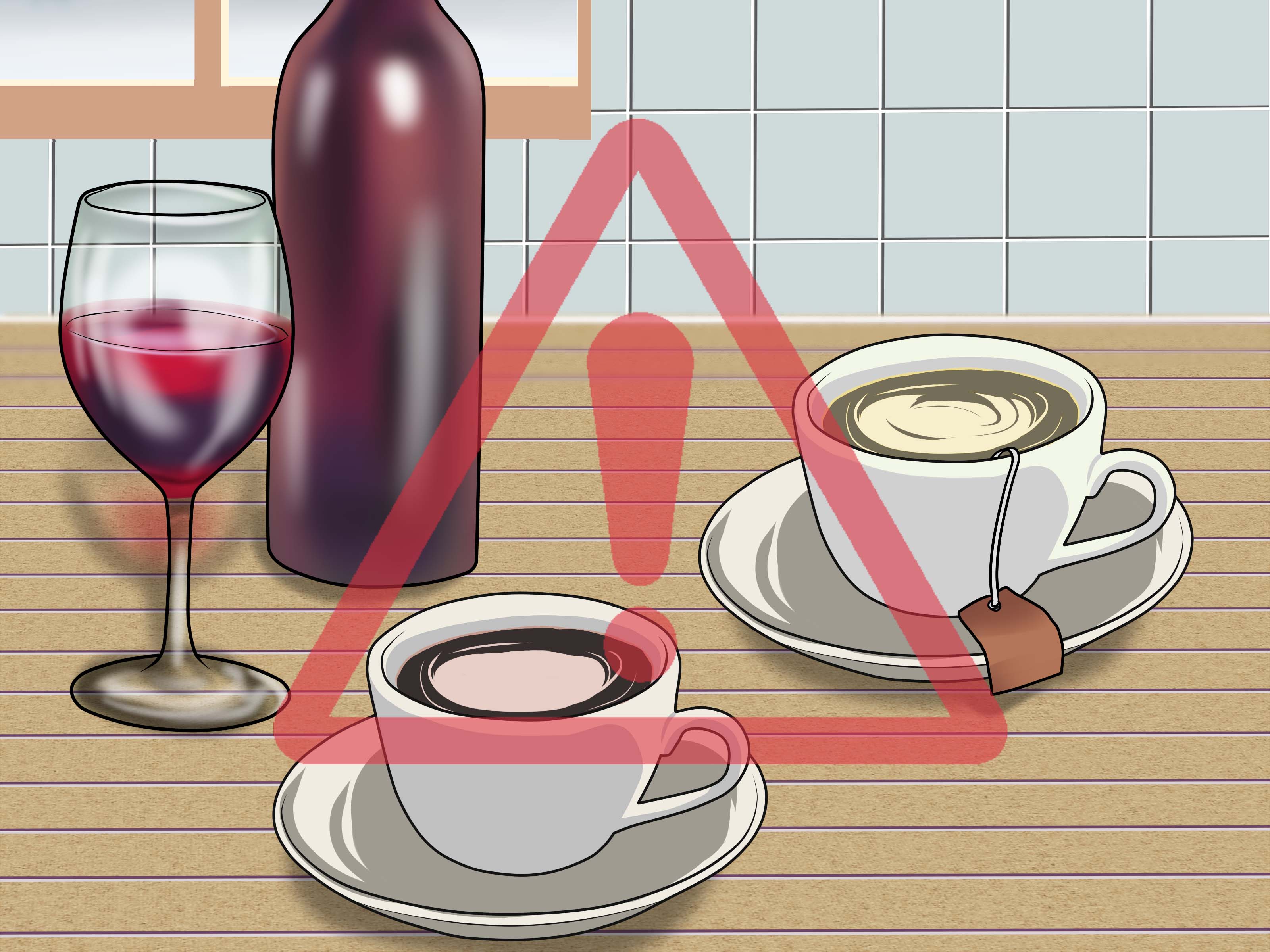
Hydrogen peroxide is popular in whitening products because it helps break apart stain molecules, making teeth look brighter over time. In plain English, it helps fade the stuff that has been hanging around on your enamel and dulling your smile. That makes it especially helpful for common surface stains caused by coffee, tea, red wine, soda, tobacco, and generally living like a normal adult with tastes and habits.
That said, not all discoloration is created equal. Yellow teeth often respond better to whitening than brown or gray teeth. Some stains start deep inside the tooth, and some types of discoloration are tied to dental trauma, medications, restorations, or underlying oral problems. Translation: whitening can help, but it is not magic and it is definitely not Photoshop for your molars.
The Most Important Rule Before You Start
If you want to whiten teeth with hydrogen peroxide safely, use a product that was made for mouths. Whitening strips, whitening toothpastes, gels, trays, and whitening mouth rinses are designed with oral use in mind. A household bottle of hydrogen peroxide is not the same thing as a carefully formulated dental product, even if the ingredient name looks familiar.
That distinction matters. Dental whitening products are designed with concentration, contact time, and tooth safety in mind. Household peroxide may sound like a shortcut, but shortcuts are how people end up with irritated gums, unhappy teeth, and a deep emotional bond with lukewarm soup because everything cold suddenly hurts.
How to Whiten Teeth With Hydrogen Peroxide: 9 Steps
Step 1: Figure Out What Kind of Stain You Have
Before you whiten, take a minute to figure out what you are actually dealing with. If your teeth look yellow from age, coffee, tea, red wine, or smoking, peroxide-based whitening may help. If your teeth look gray, blotchy, uneven, or oddly dark in just one area, whitening may not be the fix you want. In those cases, a dentist may recommend a different solution such as bonding, veneers, or treatment for an underlying issue.
This step matters because the right expectations will save you frustration. Whitening works best when you are solving the right problem. It is much easier to be happy with gradual improvement than to expect movie-star teeth from a stain that never planned to cooperate.
Step 2: Make Sure Your Teeth and Gums Are Healthy First
Hydrogen peroxide whitening should not be your first move if you have untreated cavities, gum irritation, receding gums, worn enamel, or tooth pain. Whitening healthy teeth is one thing. Whitening teeth that are already sending distress signals is another. If you have sensitivity before treatment starts, bleaching can make that sensitivity feel louder and more dramatic.
If you have not had a dental checkup in a while, consider getting one before starting a whitening routine. That is especially true if you notice bleeding gums, sharp pain, dark spots, or a single tooth that looks very different from the rest. A brighter smile is nice. A healthy mouth is better.
Step 3: Choose the Right Hydrogen Peroxide Product
Not every whitening product works the same way. Whitening toothpaste is usually the gentlest option and is good for maintaining brightness or gradually lifting minor stains. Whitening mouth rinses are easy to use but may work slowly because they do not stay on the teeth for long. Strips, gels, and tray systems usually deliver more noticeable results because they keep the whitening ingredient in contact with the teeth longer.
If you want a good starting point, look for a product from a well-known brand and check whether it carries recognized dental safety and efficacy guidance. Also pay attention to whether the product is for daily maintenance or short-term whitening. A toothpaste is not a strip. A strip is not a tray. And none of them should be used like a “more is more” life philosophy.
Step 4: Read the Directions Like They Actually Matter
This is the part many people treat like optional fine print. It is not optional. The label tells you how often to use the product, how long it should stay on your teeth, whether you should rinse after use, and what signs mean you should stop. Follow it exactly.
Overusing whitening products does not usually turn you into a brighter, shinier version of yourself. More often, it just increases the chance of tooth sensitivity or gum irritation. The goal is steady improvement, not speed-running your way into discomfort.
Step 5: Brush and Floss Before Whitening
A clean surface gives whitening products a better shot at doing their job. Brush your teeth gently with fluoride toothpaste and floss before applying strips, trays, or gel systems, unless the product instructions tell you otherwise. This helps remove plaque and food debris that can get in the way.
Think of it like painting a wall. You would not paint over dust and expect a perfect finish. Teeth are no different. Give the whitening product a clean stage, and it tends to perform better.
Step 6: Apply the Product Carefully and Keep It Off the Gums
Whether you are using a strip, gel, tray, or rinse, aim for your teeth, not your gums. Whitening ingredients can irritate soft tissue when they sit where they are not supposed to. If you are using strips, line them up carefully. If you are using trays, do not overload them. If gel squishes everywhere like it is auditioning for chaos, use less next time.
Careful application also helps keep results more even. Whitening one patch intensely while ignoring another is how people end up with a smile that looks accidentally tie-dyed.
Step 7: Spit, Rinse if Directed, and Give Your Teeth a Little Peace
After using a whitening rinse, spit it out and do not swallow it. If your product instructions say not to eat or drink for a while afterward, listen. That waiting period gives the product time to work and helps reduce the chance of washing the active ingredients away too soon.
If you are using strips or trays, remove them on time. Not late. Not “just five extra minutes because I’m brave.” On time. Your enamel and gums will appreciate your sudden burst of discipline.
Step 8: Watch for Sensitivity and Adjust If Needed
Mild, temporary sensitivity can happen with peroxide whitening. Some people notice zingers when they drink cold water or breathe in cool air. Others feel mild gum tenderness. If that happens, do not panic. It usually means your teeth want a break, not a dramatic farewell tour.
You can pause treatment for a day or two, switch to a milder product, reduce frequency if the product allows, or use a toothpaste made for sensitive teeth. If sensitivity becomes intense, lingers, or comes with visible gum irritation, stop the treatment and call your dentist. Teeth are excellent. Nerve pain is not.
Step 9: Maintain Your Results So You Do Not Have to Start Over
Once your teeth look brighter, the maintenance phase begins. This is where your daily habits matter more than your initial excitement. Brush twice a day, floss daily, drink water after coffee or tea, and try not to sip stain-heavy drinks slowly for hours like you are hosting a tiny beverage festival in your mouth.
If you smoke, quitting helps both your color and your overall oral health. If you love coffee, tea, cola, curry, berries, tomato sauces, or red wine, you do not need to swear lifelong loyalty to plain water. Just be aware that your teeth remember everything. A straw, a rinse with water, and good brushing habits can make a real difference.
What Not to Do
Let’s save you from a few internet-famous mistakes:
- Do not use random household hydrogen peroxide directly on your teeth. A whitening ingredient is not automatically a whitening method.
- Do not mix peroxide with abrasive DIY ingredients and scrub like you are refinishing furniture. Teeth are durable, but they are not countertops.
- Do not whiten through pain. If your mouth hurts, that is feedback, not motivation.
- Do not expect crowns, veneers, caps, or fillings to whiten. Dental restorations do not bleach like natural teeth.
- Do not ignore underlying dental problems. Cavities, gum disease, and erosion should be treated before whitening.
How Long Does It Take to See Results?
That depends on the product and the stains. Whitening toothpaste and mouth rinses usually work gradually and are best for mild discoloration or maintenance. Strips and tray systems tend to show faster results. Professional treatments in a dental office usually work the quickest and can be more dramatic.
But speed is not the only goal. Even whitening, comfort, and protecting your enamel matter more than getting the brightest result in the shortest time. The best whitening plan is the one you can use safely and consistently without making every sip of ice water feel like an electrical event.
Who Should Talk to a Dentist Before Whitening?
You should check with a dentist first if you have gum disease, cavities, cracked teeth, major sensitivity, dental restorations on front teeth, braces or retainers that affect coverage, a history of dental trauma, or discoloration that looks gray, brown, or patchy. You should also get professional input if you are trying to whiten a single dark tooth or if you are shopping for solutions for a teenager.
There is nothing uncool about asking for professional advice. In fact, it is much cooler than spending money on products that are not right for your mouth.
Common Experiences People Have When Whitening With Hydrogen Peroxide
One reason people get confused about peroxide whitening is that the experience is rarely dramatic on day one. Many expect instant transformation and end up disappointed when the first use only delivers a subtle change. In reality, a lot of people describe the early stage as more of a “my teeth look a little cleaner and brighter” moment than a “wow, I am now visible from space” moment.
During the first few days, people often notice one of two things. Either they see a mild brightness boost, especially on surface stains, or they mostly notice that they have become hyper-aware of their teeth. Suddenly they are checking every mirror, every phone camera, every reflective spoon. Whitening has a funny way of turning people into part-time smile inspectors.
Another very common experience is temporary sensitivity. This can show up as a quick zing when drinking cold water, a strange reaction to breathing in cool air, or a general feeling that the teeth are a little more “awake” than usual. For many people, this sensitivity fades when they skip a day, shorten use according to label directions, or switch to a gentler routine. That is why slow and steady tends to win the race.
People also report that some teeth seem to whiten faster than others. That can happen because staining is not always perfectly even, and the shape and position of teeth affect how whitening products sit on them. If someone has old dental work, they may also notice that natural teeth get brighter while fillings or crowns stay the same shade. That contrast can be surprising if they were expecting a perfectly uniform result.
Many users say the biggest lesson is that maintenance matters more than the initial whitening round. Someone can get a noticeably brighter smile, then slowly lose ground because of daily coffee, red wine, smoking, or inconsistent brushing and flossing. On the other hand, people who rinse with water after staining drinks, keep up a strong oral hygiene routine, and use whitening products sensibly often say the results feel more worthwhile and last longer.
There is also a confidence factor that should not be ignored. Even modest whitening results can make people feel more polished in photos, at work, on video calls, or during social events. Sometimes the benefit is not chasing a blindingly white smile. It is just feeling like your teeth look fresher, cleaner, and more cared for. That is a very reasonable goal, and frankly, a lot easier to maintain.
The most positive experiences tend to come from people who treat whitening as part of overall oral care instead of a miracle hack. They use the right product, follow directions, stop when their mouth asks for mercy, and remember that healthy teeth come first. In other words, the best whitening stories usually begin with realism, patience, and just enough restraint to keep the process from becoming a weird bathroom side quest.
Final Thoughts
If you want to whiten teeth with hydrogen peroxide, the safest and smartest route is to use a peroxide-based product specifically made for oral care, follow the directions carefully, and keep your expectations realistic. Done properly, hydrogen peroxide can help brighten natural teeth and lift everyday stains. Done recklessly, it can leave you with sore gums, sensitive teeth, and a lot of regret.
The winning formula is simple: start with healthy teeth, choose the right product, use it exactly as directed, and protect your results with good daily habits. No drama. No myths. No toothpaste-commercial delusions required. Just a cleaner, brighter smile that still feels like your own.













