
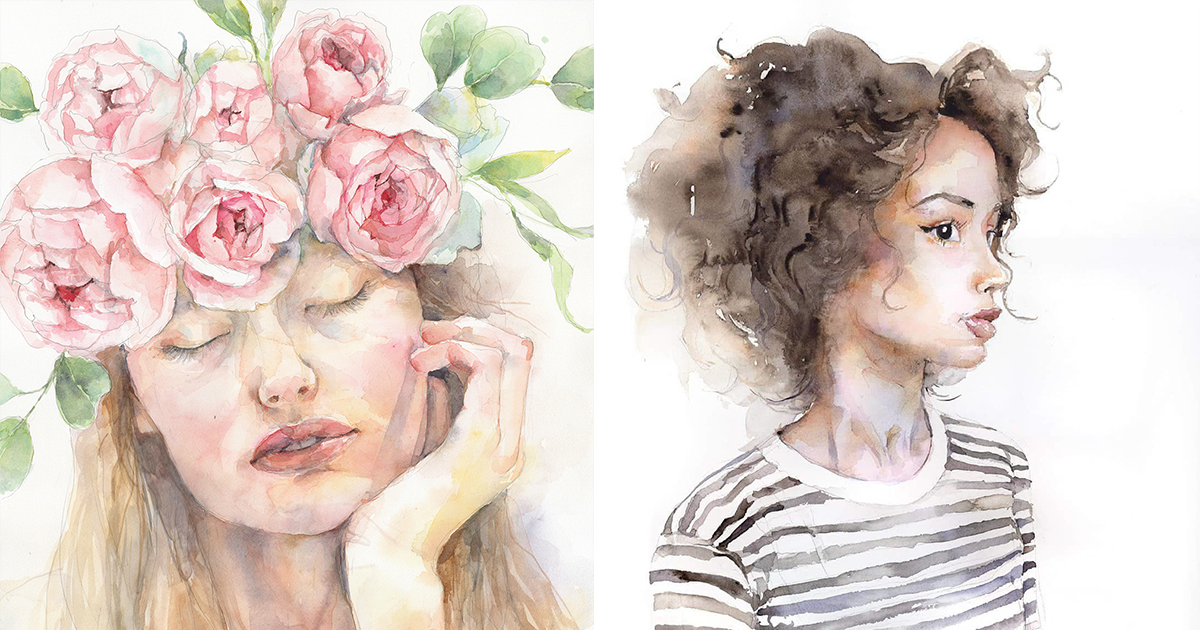
Every artist begins with a dream, a blank surface, and the dangerously optimistic belief that one more tube of paint will solve everything. My dream is to become a successful artist, not simply in the “sell one painting and buy fancy coffee” sense, but in the deeper sense: to create work that speaks, connects, comforts, surprises, and maybe makes someone stop scrolling for longer than three seconds.
This collection of 50 paintings represents more than finished canvases. It is a visual diary of experiments, mistakes, late-night breakthroughs, muddy colors, happy accidents, and tiny personal victories. Some pieces started with a careful sketch. Others began with a dramatic splash of color and a whispered prayer to the art gods. Together, they show the long, messy, beautiful road of becoming an artist.
Success in art is often misunderstood. It is not only gallery walls, collectors, awards, or viral posts. Those things are wonderful, of courseno artist has ever looked at a sold-out exhibition and said, “How inconvenient.” But real artistic success also means building a recognizable voice, developing discipline, learning how to present your work professionally, and staying brave enough to keep creating when the results are not yet perfect.
The Dream Behind the Paintings
The dream of becoming a successful artist usually starts quietly. Maybe it begins in childhood, when crayons feel like magic wands. Maybe it appears later, after a person realizes that painting is the one activity that makes time disappear. For me, the dream grew from a simple feeling: I wanted to turn emotions, memories, colors, and ordinary moments into something people could see.
Painting gives shape to things that are hard to explain. A lonely street at sunset can become a study in orange and violet. A vase of flowers can become a celebration of resilience. A portrait can reveal confidence, shyness, grief, humor, or the complicated expression of someone pretending they are “totally fine” while clearly not being totally fine.
The 50 paintings in this imagined collection explore that range. They include portraits, landscapes, abstract pieces, still lifes, dreamlike scenes, and small studies of daily life. Each painting is a stepping stone. Some are polished. Some are raw. Some whisper. Some practically kick open the door wearing boots. But all of them belong to the same journey.
What Makes a Painting Feel Alive?
A painting feels alive when it has intention. That does not mean every brushstroke must be planned with the seriousness of a NASA launch. It means the artist has made choicesabout color, composition, texture, light, subject, mood, and rhythm. Even loose, expressive paintings are built from decisions.
Color Creates the First Emotional Invitation
Color is often the first thing viewers notice. Warm colors can feel energetic, intimate, or nostalgic. Cool colors can feel peaceful, mysterious, distant, or cinematic. A bright red shape in a quiet blue painting can behave like a fire alarm at a library. Used well, color does not just decorate the work; it tells the viewer where to look and how to feel.
In this collection, several paintings use bold palettes to express hope and ambition. Others rely on muted tones to create softness and reflection. A successful artist learns not only which colors look beautiful together, but which colors support the message of the piece.
Composition Guides the Eye
Composition is the hidden architecture of a painting. It decides whether the viewer’s eye wanders gracefully through the artwork or gets lost like someone looking for parking at a crowded mall. Strong composition creates balance, contrast, movement, and focus.
For example, a painting of a young artist standing in a cluttered studio may use diagonal lines from the easel, table, and window light to guide attention toward the figure’s face. A floral painting may place the largest bloom slightly off-center to make the scene feel natural rather than stiff. In abstract work, composition can be even more important because shapes, edges, and negative space become the main storytellers.
Texture Adds Personality
Texture gives a painting physical presence. Thick paint can make a surface feel energetic and bold. Smooth blending can create calm or realism. Scratched layers, palette knife marks, visible brushstrokes, and transparent washes can all reveal the artist’s process.
One of the joys of painting is that the surface remembers everything. Even corrected mistakes leave a kind of history. Sometimes the best part of a painting is the area where the artist stopped trying to control everything and let the material breathe.
A Closer Look at the 50 Paintings
A collection titled “These Are My Paintings (50 Pics)” invites the viewer into a personal gallery. While the actual images would carry the emotional weight, the themes below show how such a body of work might be organized for readers, collectors, and art lovers.
1. Portraits of Becoming
The portrait section focuses on identity, confidence, and transformation. These paintings might show artists, friends, strangers, or imagined figures caught in thoughtful moments. A successful portrait does more than copy a face. It reveals presence. It suggests a story beyond the frame.
Some portraits may use realistic skin tones and careful lighting. Others may exaggerate colorgreen shadows, purple highlights, golden backgroundsto express emotion rather than photographic accuracy. That is the beauty of painting: a face can be truthful without being literal.
2. Landscapes of Memory
Landscape painting is never just about land. It is about atmosphere, memory, and point of view. A field can feel peaceful or lonely depending on the light. A road can suggest adventure, escape, or coming home. A city skyline can feel electric at night and surprisingly tender at dawn.
In this collection, landscapes might include quiet beaches, glowing skies, rainy streets, mountain paths, and imaginary places that exist somewhere between reality and dream. The goal is not only to show where the artist has been, but to reveal how those places felt.
3. Still Lifes With Soul
Still life paintings are often underestimated, which is unfair because a bowl of fruit has been carrying art history on its back for centuries. A still life can teach observation, patience, light, shadow, proportion, and symbolism. It can also turn ordinary objects into small monuments.
A chipped cup, a folded letter, a paint-stained rag, a half-open sketchbook, or flowers leaning toward a window can say a lot about creative life. These objects are quiet, but they are not empty. They hold evidence of work, routine, longing, and care.
4. Abstract Paintings and Emotional Weather
Abstract art gives emotion a playground. Instead of asking, “What is this a picture of?” viewers can ask, “What does this make me feel?” Abstract painting can use color fields, gestural marks, layered shapes, and unexpected contrasts to create movement and mood.
For an emerging artist, abstraction can be freeing. It allows experimentation without the pressure of making every hand, tree, or chair look anatomically correct. Of course, abstract painting still requires skill. Random marks are easy. Meaningful marks are harder. The trick is to make spontaneity look alive rather than accidental.
5. Studio Scenes and the Artist’s Daily Life
Some of the most relatable paintings in this collection may focus on the studio itself: brushes in jars, canvases leaning against walls, sunlight hitting the floor, coffee cups dangerously close to paint water, and the artist sitting in the middle of it all wondering whether the painting is finished or simply tired.
Studio scenes remind viewers that art is labor. Behind every finished painting are hours of mixing, revising, stepping back, squinting, cleaning brushes, doubting everything, and returning the next day anyway.
How Artists Grow From Hobbyists Into Professionals
Becoming a successful artist requires more than talent. Talent is a spark, but practice is the firewood. Many artists improve by building consistent habits: sketching regularly, studying other artists, visiting museums, learning color theory, practicing composition, and asking for serious feedback without collapsing into a dramatic puddle.
Professional growth also includes documentation. Artists need clear photos of their work, accurate titles, sizes, mediums, dates, and prices. A painting may be emotional, but the inventory spreadsheet is not. Still, the spreadsheet matters. It helps artists track what they have made, what has sold, where pieces have been shown, and how their style has evolved.
Building a Strong Portfolio
A strong artist portfolio is not simply a pile of favorite images. It should feel cohesive. Viewers should understand what the artist cares about, what visual language they use, and how the works relate to one another. A portfolio can include variety, but it should not feel like five different artists are fighting for control of the same website.
For a 50-piece painting collection, the best presentation might group works by theme, medium, size, or series. Each painting should have a clean image, title, medium, dimensions, year, and a short description. This helps galleries, collectors, editors, and casual viewers take the work seriously.
Writing an Artist Statement
An artist statement explains the ideas behind the work without making readers feel like they need a PhD and a rescue snack. The best statements are clear, specific, and human. They explain what the artist makes, why they make it, what materials or methods they use, and what questions their work explores.
For this collection, an artist statement might say that the paintings explore ambition, memory, emotional resilience, and the search for a personal voice. It might mention recurring symbols such as windows, flowers, roads, mirrors, hands, or unfinished rooms. A good statement does not over-explain the work; it opens a door.
Learning the Business Side
Artists often enjoy the creative side more than the business side, which is understandable. Pricing, marketing, taxes, contracts, shipping, and customer communication are not as romantic as painting under dramatic window light. But they are part of a sustainable art career.
A professional artist needs a basic business plan. This can include goals, target buyers, sales channels, pricing methods, production costs, marketing strategies, and a schedule for exhibitions or online releases. It does not need to be terrifying. Think of it as a map, not a prison sentence.
How to Share Paintings Online Without Losing the Magic
For emerging artists, the internet can be both gallery and jungle. It offers access to global audiences, but it also rewards speed, trends, and constant posting. The challenge is to share work consistently without turning creativity into a content treadmill powered by panic.
A smart online strategy starts with strong images. Paintings should be photographed in natural, even light, cropped cleanly, and shown both as full artwork and detail shots. Viewers love seeing texture, brushwork, scale, and process. A short caption can explain the story behind the piece without writing a novel under every post.
Artists can also share studio moments: sketches, color tests, failed attempts, packaging days, framing decisions, and before-and-after progress. These behind-the-scenes glimpses help people connect with the artist, not just the finished product. Collectors often buy the story and relationship as much as the object.
Pricing Paintings With Confidence
Pricing artwork can feel awkward at first. Many artists either underprice because they fear rejection or overthink until the painting starts looking nervous. A practical approach considers size, materials, time, experience, demand, and consistency across similar works.
One common method is to price by square inch, then adjust based on medium, complexity, framing, and market position. Another method is to create price tiers for small studies, medium works, large originals, commissions, and limited prints. Whatever system the artist chooses, consistency builds trust.
Confidence matters. If an artist speaks about their work as though they are apologizing for its existence, buyers may hesitate. Pricing should reflect respect for the labor, skill, materials, and years of practice behind the painting.
What “Successful Artist” Really Means
Success can look different for every artist. For one person, it means selling original paintings full-time. For another, it means exhibiting in galleries, teaching workshops, licensing designs, creating public art, publishing art books, building a loyal online audience, or simply making work that becomes more honest every year.
The healthiest definition of success includes both ambition and sustainability. An artist should be able to dream big while also protecting their energy, finances, and creative joy. Burnout is not a badge of honor. Neither is starving for the aesthetic. A successful artist learns to create, rest, plan, promote, experiment, and keep going.
Lessons Learned From Making 50 Paintings
Creating 50 paintings teaches lessons that no single masterpiece can. It teaches patience. It teaches problem-solving. It teaches that not every canvas will behave politely. It teaches that style is not something artists find under a pillow; it develops through repetition, curiosity, and brave decision-making.
Making 50 paintings also reveals patterns. The artist starts noticing favorite colors, recurring shapes, emotional themes, and technical habits. Maybe blue appears in nearly every piece. Maybe windows keep showing up. Maybe the artist paints hands whenever the subject is vulnerability. These patterns are clues to artistic identity.
Most importantly, a large body of work proves commitment. It says, “I did not stop after one good painting or one bad painting. I kept showing up.” That consistency is one of the strongest signs of an artist becoming serious.
of Personal Experience: What This Dream Feels Like From the Inside
Dreaming of becoming a successful artist sounds glamorous from the outside, but from the inside it often feels like carrying a lantern through fog. You can see a few steps ahead, but not the whole road. Some days the dream feels close enough to touch. Other days it feels like everyone else received a secret instruction manual and yours got lost in the mail.
The first experience every artist learns is that confidence comes and goes. One morning, a painting looks powerful, fresh, and full of life. By evening, the same painting looks like it was attacked by confused spaghetti. This emotional roller coaster is normal. The key is not to judge the entire dream by one difficult session. A painting can go through an ugly stage and still become beautiful. Honestly, many paintings have an awkward teenage phase.
Another important experience is learning how to accept feedback. At first, criticism can feel personal, especially when the work contains real emotion. But useful feedback is not an insult; it is a flashlight. It may show where the composition is weak, where the colors are fighting, or where the story needs more clarity. The artist does not need to obey every opinion, but listening carefully helps the work grow.
There is also the experience of comparing yourself to others. This is one of the sneakiest traps. Online, it can seem like every artist is younger, richer, more talented, better lit, and somehow painting in a spotless studio with a photogenic cat. Comparison can steal joy if you let it. The better approach is to study other artists for inspiration and strategy, not self-punishment. Someone else’s success is proof that paths exist; it is not proof that your path is closed.
Selling artwork for the first time is unforgettable. It is not only about money, though money is lovely and helps buy more paint, which artists mysteriously always need. The real magic is knowing that something you created will live in someone else’s space. A stranger or collector saw your work and decided it belonged in their life. That feeling can power an artist through many uncertain days.
Rejection is part of the experience too. Applications are declined. Posts flop. Galleries do not reply. Competitions choose someone else. A painting sits unsold for months and starts giving you judgmental looks from the corner. But rejection is not a final verdict. It is information, timing, taste, and sometimes pure randomness wearing a serious hat. The artists who grow are the ones who keep learning without letting rejection harden their hearts.
The best experience, though, is noticing progress. A year later, the brush feels more natural. The colors become more intentional. The compositions get stronger. Ideas arrive faster. The artist begins to recognize their own voice. That moment is deeply rewarding because it proves that effort has been quietly working in the background.
My dream is to become a successful artist, and these 50 paintings are not the end of the story. They are the evidence that the story has truly begun.
Conclusion
Becoming a successful artist is not a single dramatic moment. It is a long creative relationship with practice, courage, curiosity, and persistence. A collection of 50 paintings shows more than skill; it shows commitment. It reveals the artist’s emotional range, visual interests, technical growth, and willingness to keep creating through uncertainty.
Whether these paintings hang in a gallery, appear in an online portfolio, sell to collectors, or simply mark the beginning of a larger journey, they matter. They are proof that the dream is active. They are proof that imagination can become a body of work. And perhaps most importantly, they are proof that the artist is still becoming.
Note: This article was written for web publication and synthesizes real-world guidance from reputable U.S. art, museum, nonprofit, and small-business resources, including professional art practice, portfolio development, artist statements, grants, marketing, and creative career planning.














