
We have all been there: staring at the clock, convinced it is broken, because there is absolutely no way only four minutes have passed. Maybe you are stuck in a waiting room, dragging yourself through a slow workday, counting down the hours until vacation, or sitting through a lecture that seems to bend the laws of physics. Time may be steady on a clock, but in the human brain, it can feel stretchy, slippery, and occasionally rude.
The good news is that you cannot technically speed up time, but you can change how you experience it. When your brain is bored, under-stimulated, anxious, or overly focused on the clock, minutes tend to feel longer. When you are engaged, moving, creating, learning, laughing, or focused on a meaningful task, time often feels like it has put on roller skates.
This guide explores 14 ways to make time go by faster using practical strategies rooted in attention, routine, mood, movement, and mental engagement. Whether you are trying to survive a slow shift, a long commute, a dull afternoon, or a never-ending wait, these tips can help your day feel lighter, quicker, and a lot less like watching paint dry in slow motion.
Why Does Time Feel Slow Sometimes?
Time often feels slower when you are bored, tired, stressed, or paying too much attention to the passage of time itself. The brain is not just a stopwatch; it is a storyteller. When nothing interesting is happening, your mind has fewer events to process, so it starts checking the clock like a suspicious security guard.
On the other hand, when you are deeply engaged in a task, your attention shifts away from time. This is why an hour of scrolling, gaming, cooking, writing, or talking with a friend can disappear mysteriously, while ten minutes in a checkout line can feel like a historical era.
14 Ways to Make Time Go by Faster
1. Get Busy With a Clear Task
The fastest way to make time feel shorter is to give your brain something specific to do. Vague busyness does not work as well as focused busyness. Instead of saying, “I need to get through this afternoon,” choose a defined task such as organizing your inbox, folding laundry, cleaning one drawer, writing 300 words, or finishing one small project.
Clear tasks create structure. Structure reduces clock-watching. When your attention has somewhere useful to go, time becomes background noise instead of the main character.
2. Break the Day Into Smaller Time Blocks
A long day can feel overwhelming when you look at it as one giant slab of time. Instead, divide it into smaller blocks: morning setup, first work sprint, short break, second work sprint, lunch, afternoon reset, final wrap-up. Suddenly, you are not surviving eight hours; you are completing a series of manageable mini-missions.
This technique works especially well for slow workdays, study sessions, chores, and travel. Give each block a purpose, even if that purpose is simply “answer messages” or “walk around for five minutes.” Smaller containers make time feel less intimidating.
3. Use the Pomodoro Method
The Pomodoro method is simple: work for a focused period, often 25 minutes, then take a short break. After several rounds, take a longer break. It works because your brain likes finish lines. A 25-minute sprint feels more doable than an endless command to “be productive until further notice.”
You can adjust the timing to fit your energy. Try 20 minutes of work and 5 minutes of rest, or 45 minutes of focus and 10 minutes of recovery. The point is not to worship a tomato-shaped timer. The point is to stop letting time feel like a foggy swamp.
4. Listen to Music, Podcasts, or Audiobooks
Sound can change the emotional texture of time. Upbeat music can make chores feel more energetic. A good podcast can turn a commute into a story. An audiobook can make waiting feel less empty. The right audio gives your brain a companion, which is helpful when the task itself is repetitive or dull.
Choose audio based on the situation. For deep work, instrumental music may help you avoid distraction. For cleaning or walking, lively playlists can add momentum. For waiting rooms or travel, podcasts and audiobooks can make time feel occupied instead of wasted.
5. Move Your Body
Physical activity is one of the most reliable ways to shift your mood and attention. You do not need a full gym session to benefit. A brisk walk, light stretching, a few squats, dancing in your kitchen, or even tidying your space can help break the feeling of time dragging.
Movement is especially useful when your brain feels stuck. If you have been sitting too long, your body may be quietly filing a complaint. Stand up, move around, get your blood flowing, and let your mind reset. Time often feels faster when your body is not frozen in “waiting mode.”
6. Create a Mini Challenge
Games make time move because they add goals, rules, and feedback. You can turn almost anything into a mini challenge. Can you clean the kitchen before the playlist ends? Can you reply to five emails in 20 minutes? Can you walk 2,000 steps before lunch? Can you memorize ten new words while waiting?
A challenge gives your brain something to measure besides the clock. Even better, it adds a tiny spark of competition, and apparently humans will compete with anything, including timers, laundry piles, and their own past selves.
7. Learn Something Small
Learning is a powerful boredom antidote. When you learn something new, your brain has to pay attention, make connections, and store information. That mental engagement can make time feel fuller and faster.
You do not need to start a PhD in the middle of a slow afternoon. Try a short language lesson, a quick tutorial, a documentary clip, a recipe technique, a vocabulary list, or a how-to guide. Small learning sessions are perfect for waiting, commuting, or filling quiet gaps in the day.
8. Change Your Environment
Sometimes time feels slow because your surroundings feel stale. A small environmental change can refresh your attention. Move to a different room, sit near a window, work from a café, rearrange your desk, open the blinds, or take your laptop outside if possible.
Your brain notices novelty. Even a minor shift can make the day feel less repetitive. If you cannot change locations, change sensory details: lighting, background sound, scent, seating position, or the order of your tasks.
9. Stop Watching the Clock
Clock-watching is the emotional equivalent of poking a bruise. The more you check the time, the slower it seems to move. Every glance becomes a disappointing little progress report: “Congratulations, only two minutes have passed.”
Hide the clock if you can. Put your phone face down. Set an alarm for when you actually need to stop or leave. This frees your brain from constant time surveillance and helps you sink into whatever you are doing.
10. Talk to Someone
Conversation can make time fly because it demands attention, emotion, memory, and response. A short chat with a coworker, a call with a friend, or even a friendly exchange with someone nearby can make a dull stretch feel more alive.
This does not mean you need to become the mayor of small talk. Even a quick check-in can help. Ask someone about their weekend, share a funny observation, or send a thoughtful message. Human connection adds meaning, and meaningful moments rarely feel as slow as empty ones.
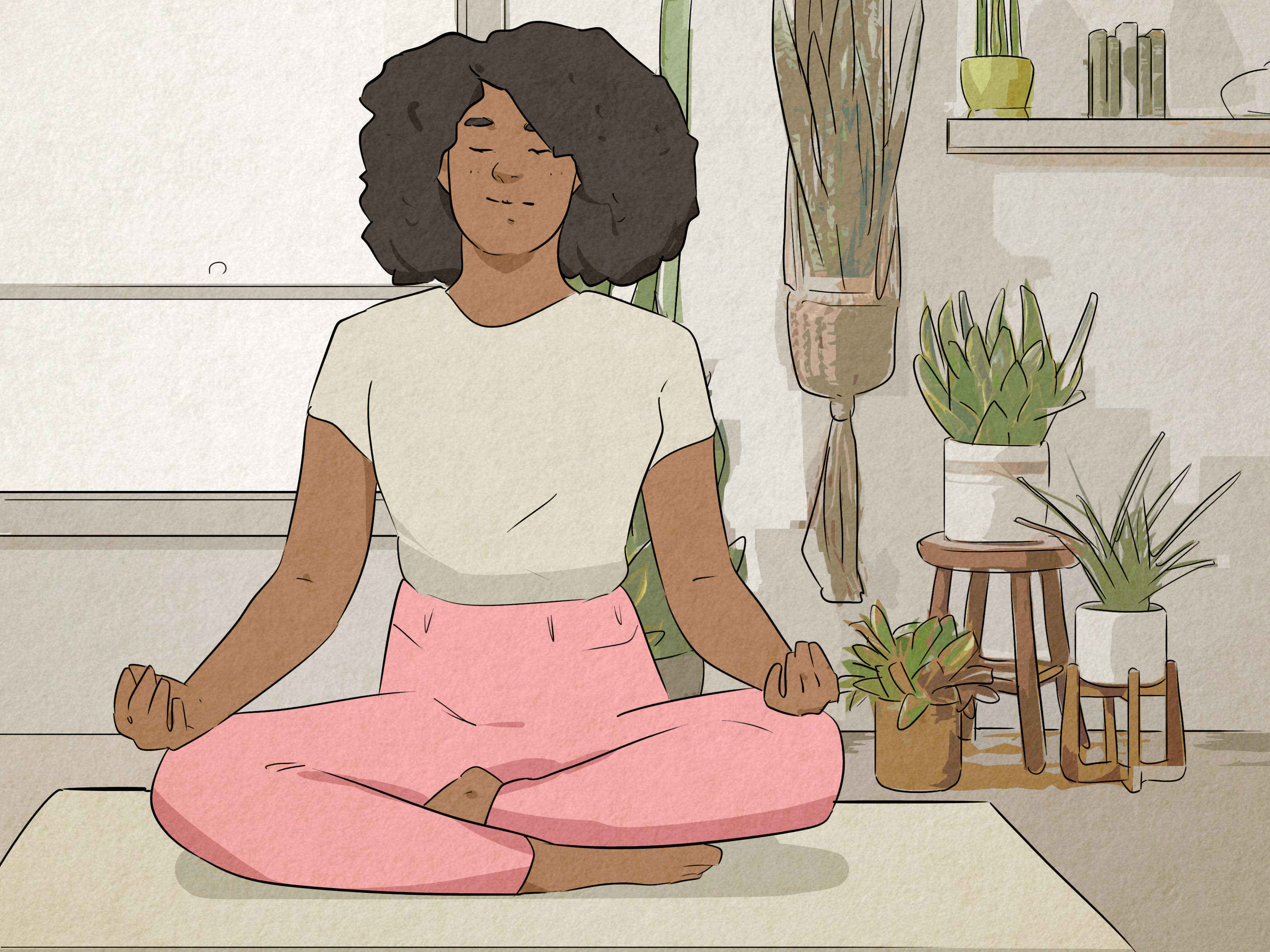
11. Practice Mindfulness Without Staring Into Space Dramatically
Mindfulness does not require incense, a mountain retreat, or a robe that whispers “ancient wisdom.” It can be as simple as paying attention to your breathing, noticing sounds around you, or observing how your body feels for a few minutes.
This may sound odd in an article about making time go faster, because mindfulness often asks you to slow down. But it helps because it reduces restless resistance. When you stop fighting the moment, the moment becomes easier to tolerate. A calmer mind is less likely to obsess over how slowly time is passing.
12. Do a Creative Activity
Creative tasks are excellent time accelerators. Drawing, writing, cooking, crafting, editing photos, planning a room makeover, playing music, or brainstorming ideas can pull your attention into the present. Creativity creates flow, and flow is where clocks go to be ignored.
You do not have to be “good” at the activity. The goal is engagement, not producing a museum-worthy masterpiece. Doodle badly. Write a silly poem. Make a playlist. Invent a sandwich that may or may not be legal in three states. Creativity wakes up the brain.
13. Take Care of Boring Maintenance Tasks
Oddly enough, boring tasks can help time pass faster when you group them and move through them with purpose. Update passwords, delete old photos, clean your downloads folder, organize receipts, prep meals, water plants, schedule appointments, or tidy your bag.
These tasks provide quick wins. Each completed item gives your brain a small reward, and a series of small rewards can turn dead time into useful time. Future you will also be grateful, and future you is notoriously hard to impress.
14. Plan Something You Look Forward To
Anticipation can make a dull day feel more bearable. Plan a weekend activity, a meal, a workout, a movie night, a personal project, or a small treat after a long shift. Having something pleasant on the horizon gives your mind a reason to move forward.
The key is to plan, not obsess. If you spend six hours wishing the workday were over, time may crawl. But if you spend ten minutes choosing a recipe, texting a friend, or sketching out a fun evening plan, you create momentum and improve your mood.
What Not to Do When Time Feels Slow
Do Not Rely Only on Endless Scrolling
Scrolling can make time disappear, but it can also leave you feeling foggy, restless, or strangely annoyed at people you have never met. Use it intentionally. A short scroll break is fine; falling into a two-hour rabbit hole of celebrity kitchen tours and raccoon videos may not leave you refreshed.
Do Not Overload Your Schedule
Trying to make time go faster by becoming constantly busy can backfire. Overloading yourself may create stress, fatigue, and burnout. The goal is not to outrun time. The goal is to engage with it in a healthier, more satisfying way.
Do Not Ignore Basic Needs
Hunger, dehydration, poor sleep, and too much caffeine can make slow time feel even worse. If every minute feels like a personal attack, check the basics. Have you eaten? Had water? Moved? Slept enough? Your brain may not need a productivity hack. It may need lunch.
How to Make Time Go Faster at Work
Workdays often drag when tasks are repetitive, unclear, or disconnected from a larger purpose. Start by listing three priorities for the day. Then batch similar tasks together, such as emails, calls, admin work, or creative work. Use short breaks to reset your attention instead of pushing through until your brain starts buffering like a bad video connection.
If your job allows it, alternate between high-focus tasks and lighter tasks. For example, write a report, then organize files. Make calls, then update notes. This variety keeps your mind from sinking into monotony.
How to Make Time Go Faster While Waiting
Waiting is difficult because it often feels passive. The trick is to make waiting active. Bring a book, download a podcast, save small tasks for waiting periods, or keep a notes app list of things you can do in five minutes. You can review your budget, plan meals, write gift ideas, clear photos, practice breathing, or message someone you care about.
Prepared waiting feels shorter than empty waiting. Think of it as a tiny pocket of usable time rather than a punishment issued by the universe.
How to Make Time Go Faster During a Bad Day
Some days are slow because they are emotionally heavy. On those days, do not pressure yourself to become a productivity superhero. Start with gentle momentum: take a shower, go for a walk, make tea, clean one surface, or complete one small task. A tiny action can break the spell of stuckness.
It also helps to lower the drama of the clock. You do not have to solve your entire life before 3 p.m. You only need to move through the next small piece of the day with a little care.
Real-Life Experiences and Practical Examples: Making Time Move Without Losing Your Mind
One of the most common experiences with slow time happens during a long work shift. Imagine someone working from 9 a.m. to 5 p.m. on a quiet day. There are no urgent projects, no exciting meetings, and the office coffee tastes like it was brewed from pencil shavings. If that person keeps checking the clock, the day will crawl. But if they divide the day into blocks, the experience changes. From 9 to 10, they clear emails. From 10 to 11, they update a document. Before lunch, they organize tomorrow’s tasks. After lunch, they take a walk and then finish a project. The day is the same length, but it feels more manageable because it has rhythm.
Another familiar example is waiting at an airport. A delayed flight can make time feel painfully slow because travelers have little control. The most effective strategy is to create a waiting routine. First, check the new boarding time. Then walk the terminal for ten minutes, refill water, listen to a podcast, answer one message, and read a chapter of a book. Instead of sitting under fluorescent lights and silently judging the carpet, the traveler gives the brain several points of focus. The delay is still annoying, but it no longer feels like being trapped in a clock-themed villain origin story.
Students often face the same problem while studying. A two-hour study session can feel endless if the goal is simply “study biology.” But when the session becomes specific, time moves more smoothly: review flashcards for 20 minutes, watch one explanation video, summarize one chapter, take a five-minute stretch break, then do practice questions. The brain likes progress it can see. Each completed step creates momentum.
Chores offer another surprisingly useful example. Cleaning the whole house sounds exhausting. Cleaning while playing a 30-minute playlist feels different. The music adds energy, and the time limit adds urgency. Many people find they can finish more than expected when they turn chores into a timed challenge. Even if the whole house is not perfect, the sink is clear, the laundry is started, and the floor no longer sounds crunchy. Victory.
There are also emotional waiting periods: waiting for test results, waiting for a reply, waiting for an important decision. In those moments, distraction alone may not be enough. A better approach combines activity with grounding. Take a walk, cook something simple, call a friend, write down worries, then choose one comforting task. This does not magically erase anxiety, but it gives the mind a safer place to land.
The real lesson is that time feels faster when you stop treating it as empty space. Fill it with attention, movement, meaning, creativity, connection, or rest. You do not have to make every minute productive. Some minutes can simply be pleasant. Some can be quiet. Some can be used to breathe, stretch, laugh, or make a snack that improves your faith in humanity.
Conclusion
Learning how to make time go by faster is really about learning how to guide your attention. When you are bored, anxious, or stuck watching the clock, time can feel painfully slow. But when you add structure, movement, music, creativity, conversation, mindfulness, or small goals, your brain has something better to do than count seconds.
The best strategy depends on your situation. At work, use time blocks and mini goals. While waiting, bring entertainment or small tasks. During a slow day, move your body and change your environment. When life feels emotionally heavy, choose gentle actions that help you feel grounded. Time may not actually speed up, but your experience of it can become lighter, smoother, and much less boring.













