
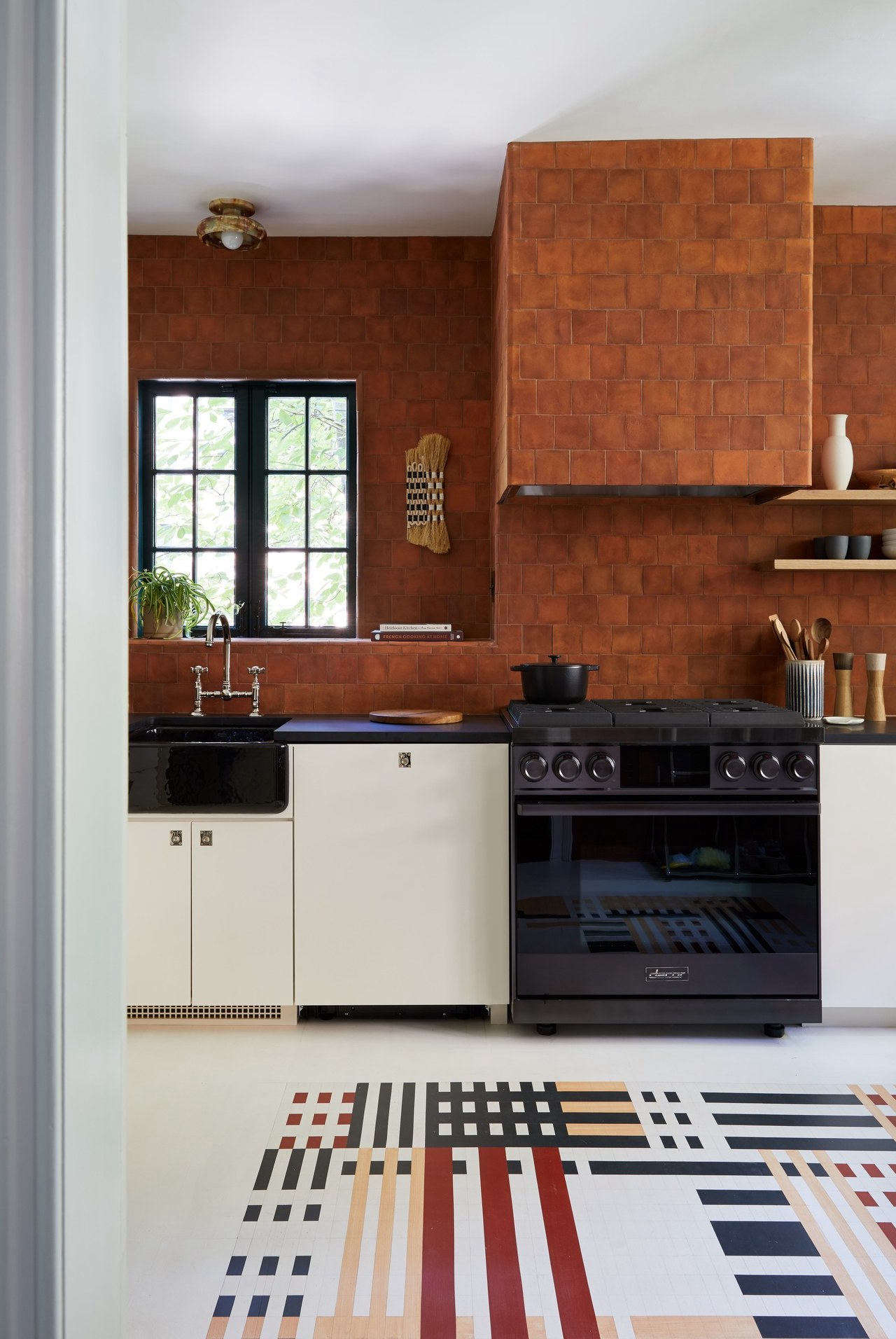
Fall has a suspicious talent for making everyone suddenly care about texture. One minute we are surviving summer with iced coffee, linen shirts, and the emotional support of ceiling fans. The next, we are discussing walnut, mohair, oxblood lacquer, sculptural lighting, and whether a checkerboard floor is “timeless” or “my grandmother was secretly ahead of her era.” Welcome to the season of design happenings, where showrooms glow, panels run long, and every room wants to smell faintly of cedar, espresso, and creative confidence.
Current Obsessions: Fall Design Happenings is more than a stylish phrase. It captures the energy of the American design world when the calendar turns toward September, October, and November. Across the United States, fall brings market weeks, architecture festivals, show house openings, furniture launches, trade conversations, and a fresh wave of interior design trends that feel richer, warmer, and more personal than the all-white minimalism of years past.
This is the moment when design lovers stop asking, “What is trending?” and start asking, “What actually makes a space feel alive?” The best fall design events answer that question with layered rooms, tactile materials, smart technology, artisan details, historic references, and enough dramatic wallpaper to make a plain wall feel underdressed.
Why Fall Is the Secret High Season for Design
Spring may get the flowers, but fall gets the mood. In the design industry, autumn is a natural reset button. Families return from travel, clients start planning renovations before the holidays, and designers gather at major events to see what manufacturers, makers, architects, and tastemakers are putting forward next.
Fall design happenings also arrive at the perfect psychological moment. As daylight softens and routines settle, people begin noticing their homes again. The sofa that looked “fine” in July suddenly looks like it has given up on its dreams. The dining room asks for better lighting. The entryway wants a mirror with more personality. Even the neglected guest room starts whispering, “I deserve a headboard.”
That seasonal attention is why fall interior design trends tend to be practical and emotional at the same time. We want warmth, but not clutter. We want color, but not chaos. We want rooms that feel collected, not staged. The strongest design happenings this season are pointing toward a home that is expressive, grounded, and deeply human.
The Big U.S. Fall Design Happenings to Watch
High Point Market: The Furniture World’s Fall Pilgrimage
High Point Market in North Carolina remains one of the biggest magnets on the fall design calendar. For interior designers, retailers, editors, and manufacturers, it is less a trade show and more a citywide furniture universe. The fall edition brings thousands of product introductions across furniture, lighting, textiles, rugs, outdoor pieces, and decorative accessories.
What makes High Point especially influential is the way trends become tangible there. A color forecast is one thing; seeing it across sofas, case goods, upholstery, lamps, and showroom vignettes is another. Recent market coverage has highlighted refreshed traditional silhouettes, nostalgic details, garden-inspired motifs, statement pieces, and a renewed appetite for rooms that feel layered instead of sterile. In other words, “grandma chic” has been promoted from joke to boardroom strategy.
For homeowners, High Point’s influence usually shows up months later in retail collections: warmer wood tones, tailored curves, skirted furniture, patterned upholstery, and bolder accent lighting. If your favorite home store suddenly has a velvet chair in deep olive or a table lamp that looks like it moonlights as sculpture, there is a decent chance the idea passed through market culture first.
Archtober: New York Turns Architecture Into a Monthlong Conversation
In New York City, October means Archtober, the annual architecture and design festival filled with tours, talks, exhibitions, and public programs. Its greatest strength is access. Instead of keeping architecture locked inside professional circles, Archtober invites the public to look more closely at the buildings, streets, interiors, and shared spaces that shape daily life.
For design lovers, Archtober offers a valuable reminder: interiors do not exist in a vacuum. The best rooms respond to architecture, neighborhood, climate, history, and human behavior. A beautiful chair is nice. A beautiful chair placed in a room with thoughtful light, proportion, circulation, and purpose is design doing its full-time job.
This fall obsession with architecture is also influencing residential interiors. Homeowners are paying more attention to arches, built-ins, ceiling treatments, window frames, stair details, plaster finishes, and transitions between rooms. Instead of decorating over weak spaces, the new goal is to strengthen the bones first.
Design Chicago and Dallas Design Week: Regional Powerhouses With National Reach
Design Chicago at The Mart and Dallas Design Week at Dallas Market Center show how regional events can shape national taste. These gatherings bring together designers, brands, editors, and showrooms for presentations, CEU sessions, product previews, book signings, and networking events. They are professional in structure but highly creative in spirit.
Chicago has long been a design city with architectural muscle, and Design Chicago channels that legacy into residential interiors, kitchens, baths, furnishings, and educational programming. Dallas, meanwhile, brings a polished, luxury-driven point of view with strong ties to showrooms, entertaining, hospitality, and high-style living. Together, they prove that American design is not one aesthetic. It is a lively argument conducted in fabric samples, floor plans, and very good shoes.
WestEdge Design Fair and Pacific Design Center: The West Coast Mood
On the West Coast, fall design happenings often feel a little more relaxed but no less serious. WestEdge Design Fair in Santa Monica brings modern furnishings, panel discussions, workshops, culinary programming, and parties into a setting that feels made for design discovery. The Pacific Design Center’s Fall Market in West Hollywood adds another layer, connecting designers with showrooms, product launches, keynote conversations, and the larger Los Angeles creative scene.
The West Coast influence is especially visible in indoor-outdoor living, natural materials, sculptural forms, wellness-focused spaces, and designs that balance sophistication with ease. Think plaster walls, low-slung seating, woven textures, artful outdoor furniture, soft neutrals, and lighting that makes everyone look like they have slept eight hours and own excellent sunscreen.
Fall Interior Design Trends Worth Obsessing Over
1. Warm Browns, Deep Reds, Olive, and Moody Neutrals
The all-gray era has been quietly escorted out of the building. In its place: warm browns, chocolate, maroon, olive green, tobacco, clay, ocher, cream, and deep navy. These colors feel seasonal without screaming “pumpkin aisle.” They work because they create atmosphere. A brown room can feel tailored and expensive. A burgundy accent can add drama without turning the space into a theater lobby. Olive green can behave like a neutral while still having a pulse.
The trick is to avoid flattening the room. Pair darker tones with contrast: antique brass, stone, parchment shades, linen, aged leather, warm white trim, or a glossy surface that catches light. Fall color should feel like a slow jazz playlist, not a leaf pile dumped indoors.
2. Pattern Drenching and the Return of Visual Courage
Pattern is back, and it did not come quietly. Designers are embracing rooms wrapped in wallpaper, layered prints, checkerboards, florals, stripes, animal prints, and tone-on-tone motifs. Pattern drenching, where one pattern or family of patterns spreads across walls, curtains, upholstery, or even ceilings, is gaining attention because it makes a room feel intentional fast.
For beginners, the safest path is scale variation. Pair a large floral with a small stripe. Combine a checkerboard rug with solid upholstery. Use animal print as a pillow, ottoman, or stair runner before committing to wall-to-wall leopard confidence. Pattern should create rhythm, not dizziness. If guests need a map to find the sofa, edit.
3. Vintage, Antiques, and the Joy of Not Matching
One of the most refreshing shifts in fall design is the move away from matchy-matchy interiors. Rooms are becoming more personal, with vintage furniture, antique lighting, inherited pieces, handmade ceramics, old portraits, quirky side tables, and travel finds mixed into modern layouts.
This trend is not about making a home look old. It is about giving it memory. A vintage chair beside a clean-lined sofa creates tension. An antique mirror over a new console adds depth. A worn wooden table can make a glossy kitchen feel less like a showroom and more like a place where people actually eat toast.
4. Natural Stone, Wood, Plaster, and Touch-Me Texture
Fall design happenings are full of tactile temptation. Honed marble, travertine, soapstone, walnut, oak, rattan, cane, bouclé, velvet, mohair, limewash, plaster, clay tile, and handwoven textiles are everywhere because they give rooms sensory weight.
Texture is also the easiest way to make neutral interiors interesting. A beige room with flat drywall, flat fabric, and flat lighting is just a bowl of oatmeal with a mortgage. A beige room with plaster walls, nubby linen, a walnut table, a wool rug, ceramic lamps, and aged brass hardware suddenly has depth and confidence.
5. Lighting as Jewelry, Architecture, and Therapy
Lighting has become one of the biggest design obsessions of the season. Sculptural pendants, rechargeable table lamps, picture lights, layered sconces, oversized lanterns, and vintage chandeliers are replacing the sad single ceiling fixture that made everyone look like they were being questioned by airport security.
The strongest rooms use at least three layers of lighting: ambient light for general glow, task light for reading or cooking, and accent light for art, shelves, or architectural details. Fall is the ideal time to fix lighting because shorter days expose every weak bulb and shadowy corner. Good lighting does not just illuminate a room. It edits your life more kindly.
What to Skip: Fall Decor That Feels Tired
Not every autumn idea deserves a place on the mantel. Designers are increasingly moving away from overly literal fall decor: plastic leaves, word signs, fake pumpkins in bulk, orange overload, and themed accessories that look cute for seven minutes and then become visual clutter.
A more elevated approach is to decorate with seasonal feeling rather than seasonal props. Use branches in a tall vessel, pears in a ceramic bowl, a wool throw over a chair, beeswax candles on the table, or a richer lampshade in the bedroom. The goal is not to turn your home into a harvest festival gift shop. The goal is to make it feel warmer, slower, and more welcoming.
How to Bring Fall Design Happenings Home
Start With One Room, Not a Whole-House Identity Crisis
Design events can be dangerously inspiring. After one showroom tour, it is easy to believe your entire home needs plaster walls, a curved sofa, six new pendants, and a breakfast nook upholstered in botanical velvet. Breathe. Start with one room. Better yet, start with one problem.
If the living room feels cold, add texture and warmer lighting. If the dining room feels flat, introduce art, a rug, or a deeper wall color. If the bedroom feels unfinished, upgrade the headboard, bedside lamps, and bedding before buying decorative objects. Good design is not about buying everything. It is about making better decisions in the right order.
Create a Seasonal Materials Palette
Before shopping, build a small palette: one wood tone, one metal finish, one dominant textile, one accent color, and one natural element. For example: walnut, aged brass, wool, oxblood, and stone. Or oak, blackened metal, linen, olive, and ceramic. This keeps your fall refresh cohesive without making it predictable.
A materials palette also helps avoid impulse purchases. That adorable pumpkin-shaped mug may be charming, but if your palette is walnut, brass, olive, and stone, it has to earn its keep. Design discipline is simply saying no to cute chaos.
Mix High, Low, Old, and New
The most current interiors rarely look as if everything arrived from one catalog on the same truck. Mix investment pieces with affordable updates. Pair a vintage lamp with a new shade. Put a modern print above an antique chest. Add a handmade bowl to a mass-market dining table. The contrast is what creates personality.
This is where fall design happenings offer their best lesson: the future of interiors is not about one perfect look. It is about curation. A room should reveal what you love, how you live, where you have been, and what kind of atmosphere makes you feel most at home.
Experiences Related to “Current Obsessions: Fall Design Happenings”
The real magic of fall design happenings is not only in the products, panels, or trend reports. It is in the experience of moving through spaces designed to wake up your eye. A good design event makes you notice details you normally rush past: the thickness of a table edge, the glow of a silk lampshade, the confidence of a painted ceiling, the way a chair’s curve changes the mood of an entire room.
For many visitors, the day begins with sensory overload in the best possible way. You step into a showroom and immediately see five ideas you want to steal politely. A sofa in chocolate velvet looks both classic and dangerously nap-friendly. A dining table set with smoky glass, ceramic plates, and loose branches makes you reconsider every rushed meal you have ever eaten standing at the counter. Somewhere nearby, a designer is explaining performance fabric with the seriousness of a national security briefing, and honestly, after seeing what children can do to upholstery, the tone feels appropriate.
Panels and talks add another layer to the experience. The best conversations are not just about what is pretty. They explore how people live now: hybrid work, smaller urban spaces, multigenerational households, sustainability, wellness, entertaining, aging in place, and the growing desire for homes that feel personal instead of performative. You leave with practical questions. Does this room support my actual routine? Is this material durable? Is this lighting flattering? Can this chair survive pets, guests, and someone eating crackers with reckless confidence?
Show houses create a different kind of inspiration. They are theatrical, yes, but they also show what happens when designers take risks. A powder room becomes a jewel box. A hallway becomes a gallery. A study becomes a cocoon of color, books, art, and task lighting. Even if you would never copy the entire room, you can take one idea home: paint the trim, hang art lower, add a patterned shade, use a small table where you expected nothing, or treat the ceiling like the fifth wall.
The most memorable fall design experiences often happen in small moments. Touching a woven textile and understanding why texture matters. Seeing natural stone in person and realizing every slab has its own personality. Watching designers debate two shades of brown as if world peace depends on undertone accuracy. Discovering that a room can feel luxurious without being shiny, expensive without being cold, and seasonal without relying on plastic pumpkins wearing hats.
By the end of a design happening, you may not have a finished decorating plan. That is fine. What you have is better: a sharper eye. You begin to understand proportion, contrast, lighting, materials, and mood. You become less impressed by rooms that merely look expensive and more drawn to rooms that feel considered. That shift is the real obsession of fall design. It is not about chasing every trend. It is about learning how to see your home with fresh attention, then making choices that bring warmth, character, and a little well-behaved drama into everyday life.
Conclusion: Fall Design Is About Feeling, Not Just Furnishings
The best fall design happenings remind us that interiors are not static displays. They are living environments shaped by seasons, habits, memories, craft, and culture. This year’s strongest ideas point toward warmth, individuality, texture, pattern, architectural awareness, and a smarter relationship with trends.
Whether you are following High Point Market launches, exploring Archtober tours, attending Design Chicago, browsing Dallas showrooms, watching West Coast makers, or simply refreshing your own living room, the message is clear: good design should feel collected, useful, and alive. Fall is the perfect time to bring that thinking home.
So light the lamp, move the chair, rethink the wall color, buy the vintage mirror, and let your rooms develop a little more personality. Minimalism had a long run. Now it is texture’s turn to talk.













