
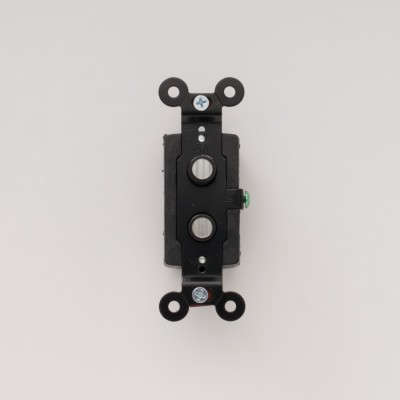
A heavy duty three-way switch is one of those quiet little electrical devices that does not ask for applause, yet it makes daily life dramatically more convenient. It lets you control the same light, fan, or compatible fixture from two separate locationslike the top and bottom of a staircase, both ends of a hallway, a garage entry and mudroom door, or a bedroom doorway and bedside wall. In other words, it is the switch that says, “No, you do not have to walk across a dark room like a Victorian ghost hunter just to turn off the lights.”
But the phrase “heavy duty” matters. A standard residential three-way switch may be perfectly fine for many lighting circuits, while a heavy duty three-way switch is built for tougher use, higher ratings, commercial environments, larger conductor compatibility, and longer service life. Many heavy duty and specification-grade models are rated 15 amps or 20 amps and commonly support 120/277-volt AC applications, depending on the product. Some are designed with stronger internal contacts, more durable toggles, back-and-side wiring options, grounding features, and quieter operation. In plain English: they are made to be flipped, clicked, and bossed around for years without getting dramatic.
This guide explains what a heavy duty three-way switch is, where it is used, how it differs from a regular switch, what features to look for, and when it makes sense to call a licensed electrician instead of turning your hallway into a “learning experience.”
What Is a Heavy Duty Three-Way Switch?
A three-way switch is a wall switch used in pairs to control one lighting load from two different locations. Unlike a basic single-pole switch, which has simple on/off control from one spot, a three-way switch works as part of a two-switch arrangement. Each switch changes the path of electricity through traveler conductors, allowing either switch to turn the light on or off.
The term “three-way” can be slightly misleading because it does not mean three switches. It means the switch has a common terminal and two traveler terminals, plus a grounding terminal on modern grounded models. When more than two control points are needed, such as controlling a hallway light from three or more places, four-way switches are added between the two three-way switches.
What Makes It “Heavy Duty”?
A heavy duty three-way switch is typically built for more demanding use than a basic residential-grade switch. Depending on the model, it may include:
- Higher amperage rating, often 20 amps for commercial or heavy-use circuits
- 120/277-volt AC rating for residential and commercial lighting applications
- Specification-grade or industrial-grade construction
- Stronger internal contacts and switching mechanism
- Back and side wiring options
- Self-grounding or grounding terminal design
- Compatibility with larger conductor sizes, depending on the product
- Quieter switch action and longer mechanical life
In homes, these switches are often used where reliability matters: garages, workshops, stairways, basements, exterior lighting controls, utility rooms, and high-traffic hallways. In commercial spaces, they are common in offices, schools, warehouses, retail corridors, maintenance areas, and anywhere people flip switches more often than they check their phoneswhich is saying something.
How a Three-Way Switch Works
A three-way switch system uses two switches to control one load. The power source may enter at one switch box, at the light fixture, or at another point in the circuit, depending on how the wiring was installed. Because there are several possible layouts, three-way switch wiring can confuse even confident DIYers.
Each three-way switch usually has one darker-colored common terminal and two lighter-colored traveler terminals. The common terminal connects either to the incoming hot conductor or the switched conductor going to the light, depending on the switch’s position in the circuit. The traveler terminals connect the two switches together. The grounding terminal connects to the equipment grounding conductor, helping support electrical safety when properly installed.
That sounds simple until you open an older switch box and find a cheerful spaghetti bowl of wires, faded insulation, mystery colors, and someone’s previous “creative solution.” This is why labeling wires before replacement and verifying the circuit with proper tools is essential. It is also why professional electricians drink coffee with the calm confidence of people who have seen things behind walls.
Heavy Duty vs. Standard Residential Three-Way Switch
At first glance, a heavy duty three-way switch and a basic three-way switch may look nearly identical. Both may have a toggle, mounting strap, screw terminals, and a grounding screw. The difference is in the rating, internal construction, durability, and intended use.
Residential Grade
Residential-grade switches are designed for normal household use. They are often affordable, easy to find, and suitable for standard lighting loads when properly matched to the circuit rating. For a bedroom, closet, or low-traffic hallway, a standard switch may be all that is needed.
Commercial or Specification Grade
Commercial-grade and specification-grade switches are designed for more frequent operation and more demanding settings. They may have stronger contact materials, heavier mounting straps, better terminal designs, and a more solid switching feel. These are often used in rental properties, offices, shops, and homes where the owner prefers a more durable installation.
Industrial or Extra Heavy Duty Grade
Industrial-grade or extra heavy duty switches are built for harsh environments and repeated use. They may be chosen for workshops, industrial facilities, institutional buildings, and demanding commercial spaces. These switches are not “more powerful” in a magical way; they are simply engineered to perform reliably within their listed ratings under tougher conditions.
Common Ratings: 15 Amp, 20 Amp, 120V, and 277V
Switch ratings matter because the switch must be suitable for the circuit and load it controls. A common residential light switch may be rated for 15 amps at 120 volts. Heavy duty three-way switches are often available in 20-amp versions and may also be rated for 120/277 volts AC. The 277-volt rating is commonly associated with commercial lighting systems, not typical household lighting.
For homeowners, the key point is simple: match the switch to the circuit, wiring, load, and local electrical code. A 20-amp heavy duty switch does not automatically turn a 15-amp circuit into a 20-amp circuit. The circuit breaker, conductor size, device rating, fixture load, and code requirements all matter together. Electricity is not impressed by wishful thinking.
Where Heavy Duty Three-Way Switches Are Most Useful
A heavy duty three-way switch is worth considering anywhere the switch will be used frequently, exposed to tougher conditions, or expected to last a long time.
Stairways
Stairways are one of the most common places for three-way switches. You can turn the light on before going up and turn it off when you reach the top. This is not just convenient; it helps reduce the risk of walking on stairs in poor lighting.
Long Hallways
In a long hallway, a three-way switch at each end prevents awkward backtracking. A heavy duty model is especially useful in busy homes, rental units, offices, or shared buildings where the switch may be used dozens of times a day.
Garages and Workshops
Garages and workshops often have higher-use lighting, more dust, vibration, and sometimes heavier-duty fixtures. A specification-grade switch can provide a sturdier feel and better durability in these spaces.
Basements and Utility Rooms
Basements often have multiple entrances or stairway access. A heavy duty three-way switch can make lighting control more practical, especially in unfinished spaces where fixtures and switches may see rougher use.
Commercial Corridors and Offices
In commercial buildings, three-way switches may be used in corridors, conference rooms, storage spaces, and shared areas. Heavy duty ratings and commercial-grade construction are often preferred because the devices must stand up to frequent operation.
Important Features to Look For
Not all heavy duty three-way switches are identical. Before choosing one, consider the following features.
Correct Electrical Rating
Check the amperage and voltage rating printed on the device or packaging. Common heavy duty models may be rated 15A or 20A, and some are marked 120/277V AC. Never rely on appearance alone. The tiny print matters, even if reading it makes you feel like you need a jeweler’s loupe and a motivational speech.
UL Listing or Equivalent Certification
Choose switches that are listed by a recognized testing laboratory. Certification helps confirm that the device has been evaluated to applicable safety standards for its intended use. For general-use snap switches, UL 20 is a key standard often referenced in product documentation.
Back and Side Wiring
Many heavy duty switches offer both back and side wiring. Side wiring uses screw terminals on the sides of the switch. Back wiring on better-grade switches may use clamp-style terminals that secure conductors firmly. This should not be confused with low-quality push-in backstab connections found on some inexpensive residential devices.
Grounding Design
Modern switches should include a grounding terminal, and some heavy duty models include self-grounding clips or features when installed in compatible grounded metal boxes. Proper grounding supports safety and code compliance.
Quiet Switching Action
Some heavy duty models are marketed as quiet switches. That does not mean silent like a ninja librarian, but it does mean the toggle action may feel smoother and sound less sharp than cheaper devices.
Durable Strap and Body
A stronger mounting strap helps the switch sit securely in the box and resist bending during installation. A durable thermoplastic or nylon body can also help the switch handle long-term use.
Safety Considerations Before Replacing a Three-Way Switch
Electrical work can be hazardous. A switch box may contain more than one circuit, and turning off a wall switch does not mean the wiring inside the box is safe to touch. Power should be shut off at the breaker, and the absence of voltage should be verified with an appropriate tester before any work begins.
Because three-way switch wiring can vary, replacing one incorrectly may cause the light not to work, may create unsafe connections, or may leave parts energized unexpectedly. If the wiring is old, damaged, aluminum, ungrounded, overheated, or confusing, the safest choice is to hire a licensed electrician.
Also watch for warning signs such as buzzing, crackling, heat, discoloration, a burning smell, flickering lights, or a switch that feels loose or sticky. These symptoms should not be ignored. A switch should control the light, not audition for a haunted house soundtrack.
Heavy Duty Three-Way Switch and Smart Lighting
Traditional heavy duty three-way switches are mechanical devices. Smart three-way switches, on the other hand, may require a neutral conductor, specific companion switches, Wi-Fi or hub compatibility, and load-type compatibility. A heavy duty mechanical switch is often simpler, more rugged, and less dependent on software updates.
That said, smart switches can be useful when you want app control, voice control, scheduling, dimming, or automation. The important thing is not to mix random smart and mechanical three-way devices unless the manufacturer specifically allows that configuration. Smart lighting is convenient, but guessing at compatibility can turn a simple lighting upgrade into a weekend-long relationship test.
Choosing the Right Switch for Your Project
When choosing a heavy duty three-way switch, start with the circuit requirements. Identify whether the circuit is 15 amps or 20 amps, the voltage involved, the type of load, and whether the installation is residential or commercial. Then choose a switch with a suitable rating and listing.
For a typical home hallway or stairway, a 15-amp or 20-amp three-way switch may be appropriate depending on the circuit. For high-use areas, commercial-grade or specification-grade products are often worth the small extra cost. For workshops, garages, and commercial settings, a heavy duty 20-amp model may offer better long-term durability when properly matched to the circuit.
Color and style matter too. Heavy duty switches are available in white, ivory, light almond, gray, black, brown, and sometimes red. Toggle switches are common, but decorator-style rocker versions are also available. If the switch plate looks like it has survived three renovations and a minor kitchen rebellion, replacing the cover plate can make the whole installation look cleaner.
Installation: What Homeowners Should Know
This article is not a wiring manual, and for good reason. Three-way switch wiring can differ from one home to another, and local electrical codes may apply. However, homeowners should understand the general process before deciding whether the job is appropriate for them.
A safe replacement begins with identifying the correct circuit, shutting off power at the breaker, verifying that power is off, documenting the existing wiring, identifying the common and traveler conductors, connecting the new switch according to the manufacturer’s instructions, securing the device, and testing operation after power is restored.
The biggest mistake people make is moving wires from the old switch to the new one by location instead of by terminal function. Terminal positions can vary between brands and models. The common terminal on one switch may not be in the same physical location as the common terminal on another. The screw color and labeling matter more than the old switch’s layout.
If that paragraph made your eyebrows move upward, that is a sign. A licensed electrician can complete the work safely, verify the wiring, and identify hidden issues such as overloaded circuits, missing grounds, improper splices, damaged insulation, or outdated boxes.
Common Mistakes to Avoid
Buying the Wrong Type of Switch
A single-pole switch cannot replace a three-way switch in a two-location control circuit. Make sure the package says “3-way.” A four-way switch is also different and is used between two three-way switches when there are three or more control points.
Ignoring the Circuit Rating
Do not assume that a heavy duty switch is automatically right for every circuit. Match the switch rating to the circuit and application. When in doubt, consult an electrician.
Mixing Up Common and Traveler Wires
This is the classic three-way switch mistake. If the common and traveler conductors are mixed up, the light may only work in certain switch positions or may not work at all.
Using Damaged or Loose Connections
Loose terminals can create heat and unreliable operation. Damaged conductors, cracked insulation, or scorched devices should be treated as warning signs, not “probably fine” decorations.
Skipping the Ground Connection
Grounding is an important safety feature. If the box lacks a grounding conductor or the grounding path is uncertain, get professional help.
Maintenance and Warning Signs
A properly installed heavy duty three-way switch should need very little maintenance. Still, it is smart to pay attention to how switches feel and sound over time. Replace or have a switch inspected if you notice:
- Buzzing, sizzling, or crackling sounds
- Heat at the switch or wall plate
- Flickering lights connected to the switch
- A burning odor
- Visible discoloration or scorch marks
- A loose toggle or switch that sticks
- Frequent breaker trips
Electrical devices usually give hints before they fail completely. Listen to those hints. A switch should feel boring. Boring is excellent in electrical work.
Cost and Value
Heavy duty three-way switches usually cost more than basic residential switches, but the price difference is often modest compared with the value of durability and reliability. In many cases, the switch itself is not the expensive part; labor, troubleshooting, box repairs, and code-related upgrades can add more to the project cost.
For a homeowner replacing one worn switch in a low-use room, a standard listed three-way switch may be enough. For high-traffic areas, rentals, garages, workshops, or commercial spaces, a heavy duty model is often a smart upgrade. It is like buying a sturdier door handle for a busy entry: not glamorous, but quietly useful every single day.
Best Use Cases for a Heavy Duty Three-Way Switch
A heavy duty three-way switch makes the most sense when durability, safety, and repeated operation matter. Good examples include:
- Stairway lighting in a busy household
- Garage lighting controlled from the house and exterior door
- Workshop lighting with frequent switching
- Commercial hallway lighting
- Basement lighting with multiple access points
- Rental property upgrades
- Utility room or storage area lighting
It may be unnecessary for a rarely used closet light or a small decorative fixture, but even there, some homeowners prefer the better feel and stronger build of specification-grade devices.
Real-World Experience With Heavy Duty Three-Way Switches
In practical use, the biggest difference people notice after upgrading to a heavy duty three-way switch is not usually dramatic. The lights do not suddenly glow with heroic confidence. The room does not applaud. The cat remains unimpressed. Instead, the switch simply feels better. The toggle has a firmer action, the device sits more securely in the wall box, and the operation feels less flimsy. That matters most in places where the switch gets used constantly.
One common experience comes from stairways. In many homes, stairway switches are operated multiple times every day by several people. A cheaper switch can eventually feel loose, make inconsistent contact, or develop a weak toggle action. Replacing it with a heavy duty three-way switch often gives the wall control a more solid feel. The light turns on predictably from either end of the stairs, and the switch no longer feels like it is one bad click away from retirement.
Garages are another excellent example. A garage switch may be used while carrying groceries, tools, sports gear, trash bags, or an emotionally fragile cardboard box labeled “miscellaneous.” People hit it with elbows, knuckles, tool handles, and occasionally the confidence of someone who forgot where the wall was. A heavy duty switch with a stronger mounting strap and durable body can better tolerate that rougher environment.
In workshops, reliability becomes even more important. Lighting is not decorative in a workspace; it is part of safety and productivity. A switch controlling overhead shop lights may be used at the start and end of every project session. If the switch feels warm, buzzes, flickers, or works intermittently, it is more than an annoyance. It is a sign that the device or wiring needs attention. A properly rated heavy duty switch, installed correctly, provides a dependable control point for lighting that may be used for long hours.
Rental properties also benefit from specification-grade switches. Tenants vary. Some are gentle. Some treat wall switches like arcade buttons. A heavy duty three-way switch can reduce callbacks for loose, cracked, or worn-out controls in common areas. For landlords and property managers, small upgrades like this can make a property feel better maintained without turning the budget into a horror movie.
Another experience worth mentioning is the importance of documentation. When replacing an existing three-way switch, taking a clear photo of the old wiring before disconnecting anything can prevent confusion later. However, photos are not a substitute for electrical knowledge, because terminal positions vary by brand. The most useful habit is identifying and labeling the common conductor before removing the old switch. Many frustrating three-way switch problems begin with someone assuming all screws are arranged the same way. They are not. Switch manufacturers apparently enjoy keeping us humble.
Users also notice that heavy duty switches tend to pair well with better wall plates and properly fitted electrical boxes. If the box is loose, too shallow, overcrowded, or damaged, even the best switch will not feel right. A quality switch deserves a solid installation. That means conductors should be neatly arranged, terminals should be secure, the device should not be forced into the box, and the wall plate should sit flat without bending.
Finally, the most valuable real-world lesson is knowing when not to DIY. Replacing a switch may seem simple, but three-way circuits can hide surprises. Older homes may have nonstandard wiring colors, missing grounds, shared neutrals, aluminum branch wiring, or multiple circuits in the same box. If anything looks damaged, confusing, overheated, or different from expected, the best experience is the one where a licensed electrician handles it before the problem becomes expensive. Electrical work rewards patience and respect. It does not reward guessing, rushing, or saying, “How hard could it be?” right before dinner.
Conclusion
A heavy duty three-way switch is a smart choice when you need reliable two-location control for lighting in high-use, demanding, or commercial-style environments. Compared with basic residential switches, heavy duty models often provide stronger construction, higher ratings, better terminal options, and a more durable feel. They are especially useful for stairways, long hallways, garages, workshops, basements, rental properties, and commercial corridors.
The best switch is not simply the most expensive one. It is the one properly rated for the circuit, listed for safety, compatible with the wiring method, and installed according to manufacturer instructions and local code. When the wiring is uncertain, damaged, old, or unusually complex, hiring a licensed electrician is the safest and smartest move. A good heavy duty three-way switch should do its job quietly for yearswhich, in the electrical world, is basically a standing ovation.
Note: This article is written for general educational and publishing purposes. Electrical installation should follow local codes, manufacturer instructions, and guidance from a qualified electrician.














