
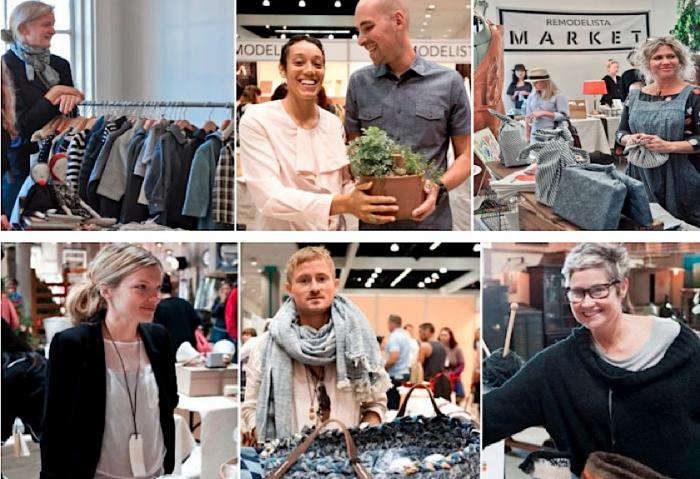
There are holiday markets, and then there are holiday markets that make you suddenly question every scented candle, panic-bought mug, and “world’s okayest uncle” T-shirt you have ever wrapped in shiny paper. The Remodelista Holiday Market at Heath on Saturday belongs firmly in the second category. Set at Heath Ceramics in San Francisco’s Mission District, this beloved design event brought together the best parts of seasonal shopping: thoughtful gifts, handmade goods, local makers, good coffee, serious ceramics, and the kind of relaxed creative energy that makes you want to reorganize your entire kitchen when you get home.
Originally highlighted by Remodelista as its third annual Holiday Market, the Saturday event took place at Heath Ceramics’ San Francisco location at 2900 18th Street, running from 10 a.m. to 5 p.m. Admission was free, parking was promoted as plentiful, and the event included food from Alicia’s Tamales Los Mayas, Blue Bottle coffee, local sellers, and a one-day 10 percent Heath showroom discount for market attendees. In other words, this was not simply a shopping stop. It was a full design-lover field trip with caffeine, clay, tamales, and temptation arranged in one beautifully edited package.
What Made the Remodelista Holiday Market at Heath Special?
The magic of the Remodelista Holiday Market at Heath came from the pairing. Remodelista, known for its “considered home” point of view, has long championed simple, functional, well-made design. Heath Ceramics, founded in California in 1948 by Edith and Brian Heath, is one of America’s most respected names in modern ceramic dinnerware and tile. Put them together in a holiday setting, and the result is a market that feels less like a mall and more like your most stylish friend opened a secret gift bazaar inside a working design landmark.
Instead of aisles of mass-produced stocking stuffers, shoppers could expect a curated selection of goods with stories behind them. Think ceramics with hand-shaped personality, textiles that make a sofa look instantly more intentional, jewelry with architectural lines, kitchen goods that actually earn their drawer space, organic botanicals, small-batch foods, and home accessories that whisper, “I was chosen carefully,” rather than shouting, “I was grabbed near the checkout line.”
That distinction matters. A Remodelista-style market is not about buying more. It is about buying better. The event’s appeal came from its focus on regional makers, independent designers, and objects that blend beauty with use. A wooden spoon, a linen napkin, a ceramic bowl, or a hand-poured candle may seem simple, but when it is made well, it can become part of everyday life for years. That is the heart of considered holiday shopping.
Heath Ceramics: The Perfect Setting for a Design Holiday Market
Heath Ceramics is not just a backdrop; it is part of the story. The company began as a small-scale pottery in 1948 and grew into an American design institution known for dinnerware, tile, and a philosophy rooted in craft, durability, and everyday beauty. Its San Francisco campus in the Mission District opened in 2012 and became a creative hub with a showroom, tile factory, studio activity, food, design events, and community gatherings under one roof.
That setting gave the market its atmosphere. A holiday market inside Heath does not feel like a temporary sales floor. It feels connected to a larger design ecosystem. Visitors walk into a space where clay, glaze, kilns, shelves, tableware, architecture, and retail all speak the same visual language. The result is warm but not fussy, modern but not cold, festive but not covered in tinsel from floor to ceiling. In short, it is holiday shopping for people who love the holidays but do not want their living room to look like a glitter cannon had a nervous breakdown.
A Market Built Around Craft, Not Clutter
The most successful holiday markets understand restraint. The Remodelista market did not try to be everything to everyone. Instead, it leaned into a clear identity: well-made home goods, meaningful gifts, and access to the people who make or curate them. That focus helped shoppers avoid the classic December problem: wandering around with a hot drink, buying random items, and later wondering why they purchased three ornaments shaped like woodland animals.
At a market like this, the browsing experience is slower and smarter. You can ask a maker how a textile is dyed, why a glaze varies from piece to piece, what wood was used for a board, or how to care for handmade ceramics. These conversations transform shopping into discovery. They also make gift-giving easier because the story travels with the object. A serving platter is nice. A serving platter from a local maker, discovered at Heath during a Saturday holiday market, is a gift with a plot.
What Shoppers Could Expect to Find
While vendor lineups changed from year to year, Remodelista’s San Francisco holiday markets were known for home goods, clothing, jewelry, botanicals, artisanal foods, ceramics, linens, and design-forward accessories. Later market previews featured dozens of local artisans and small shops, with goods ranging from handmade pottery and sculptural objects to children’s clothing, leather accessories, natural sleepwear, architectural jewelry, jams, linens, and sustainable home furnishings.
That mix made the market especially useful for holiday shoppers with different personalities on their gift list. For the host who already has everything, a handmade serving piece or linen apron feels personal without being overly intimate. For the design obsessive, a simple ceramic vessel can be more thrilling than a gadget. For the friend who says, “Don’t get me anything,” a small-batch jam, botanical soap, or elegant tea towel says, “I heard you, and then I ignored you tastefully.”
Gift Ideas Inspired by the Market
If you are using the Remodelista Holiday Market at Heath on Saturday as inspiration for your own holiday shopping strategy, focus on objects that are useful, beautiful, and easy to enjoy. A great ceramic mug is never just a mug when it becomes someone’s daily coffee companion. A linen runner can make a table feel festive without requiring an entire theme. A small vase can turn grocery-store flowers into something that looks suspiciously like interior styling.
Other smart gift categories include handmade bowls, pantry goods, artisan chocolate, quality candles, woven baskets, natural skincare, stationery, small prints, garden accessories, and kitchen tools made from wood, metal, ceramic, or linen. These gifts work because they do not demand a major lifestyle overhaul. They simply make daily rituals a little better.
Why Local Holiday Markets Still Matter
Online shopping is convenient. It is also very good at turning December into a blur of tracking numbers, cardboard boxes, and mysterious delivery photos taken from ankle height. A local holiday market offers something different: presence. You see the scale of an object. You feel its texture. You compare colors in real light. You meet makers. You discover small brands you might never find through a search bar.
Remodelista’s market tradition tapped into that desire for connection. Its markets were described as more than retail experiences, giving readers a chance to meet editors, designers, craftspeople, and other design-minded shoppers. That community element matters because the home world can sometimes feel overly polished from a distance. At a market, design becomes human again. Someone made the bowl. Someone sewed the apron. Someone bottled the jam. Someone definitely stayed up too late labeling products before the doors opened.
Supporting local makers also keeps money circulating within creative communities. Instead of sending every gift dollar to giant retailers, shoppers can help sustain ceramicists, textile designers, woodworkers, printers, food artisans, florists, and small studio owners. The recipient gets a more original gift, the maker gets direct support, and the shopper gets to feel charmingly virtuous without having to say, “I am shopping my values,” out loud in public.
The Role of Food, Coffee, and Atmosphere
A great market needs more than good products. It needs rhythm. The Remodelista Holiday Market at Heath understood this by including food and coffee as part of the day. Blue Bottle coffee gave shoppers a reason to pause, refuel, and continue browsing with renewed focus. Alicia’s Tamales Los Mayas added the kind of savory comfort that makes winter shopping feel less like an errand and more like a small urban adventure.
Later Remodelista and Gardenista market listings also mentioned food favorites such as Del Popolo’s mobile pizzeria and recurring coffee service, reinforcing the idea that these gatherings were meant to be enjoyed, not rushed. This is important because the best holiday shopping experiences have pauses built in. You look, you sip, you chat, you reconsider whether your cousin deserves the good candle, and then you continue.
How to Shop a Market Like Remodelista’s Without Losing Your Mind
Even a beautifully curated market can overwhelm you if you arrive with no plan. The trick is to bring structure without killing the fun. Start with a short list of recipients and a rough budget. Divide your list into categories: home cooks, design lovers, hosts, kids, gardeners, coworkers, and the people who are impossible to shop for because they buy themselves everything in October.
Next, do one full lap before purchasing. This prevents the classic market mistake: spending half your budget at the first table and then finding the perfect gift twelve minutes later. Take quick notes on your phone, snap photos if vendors allow it, and pay attention to limited pieces. If something is handmade and one-of-a-kind, waiting too long can mean watching another shopper walk away with your destiny in a tote bag.
Questions Worth Asking Vendors
Good questions make market shopping easier. Ask how an item is made, whether it is food-safe, how to clean it, whether colors or sizes vary, and if the maker has an online shop for future purchases. For ceramics, ask whether pieces are dishwasher- or microwave-safe. For textiles, ask about laundering. For food gifts, check ingredients and shelf life. For jewelry, ask about materials and care. These small details can save your gift recipient from accidentally turning a handmade treasure into a cautionary tale.
Also ask vendors what they recommend. Makers often know which pieces people return for, which items are best for gifting, and which small objects pack the biggest emotional punch. Their answer may surprise you. Sometimes the modest spoon rest, tiny bowl, or simple linen cloth is the item people end up using every day.
Design Lessons from the Remodelista Holiday Market
The market’s deeper lesson is that good design does not need to be loud. Heath Ceramics and Remodelista share an appreciation for materials, proportion, function, and longevity. That philosophy can guide holiday decorating and gifting beyond the event itself.
Instead of buying piles of seasonal decor that will spend eleven months sulking in a storage bin, choose items that work all year. A beautiful bowl can hold ornaments in December, citrus in January, and tomatoes in August. Linen napkins can dress a holiday table but still work for Sunday dinner. A ceramic candleholder, wooden tray, or handmade vase can move from mantel to table to bedside without looking like it escaped from a theme party.
This is where the Remodelista approach feels especially practical. It encourages shoppers to think about how objects live in a home. A good gift should not require an explanation, a storage strategy, or a dedicated charging cable. It should slide naturally into daily life and make one small corner of it better.
Why the Saturday Timing Worked
Saturday is prime market time for a reason. People have enough weekend energy to explore, but not yet the Sunday-evening dread that makes even gift wrapping feel philosophical. A 10 a.m. to 5 p.m. schedule gives early birds first pick, slow starters a forgiving window, and families enough flexibility to drop in between errands, brunch, and the annual hunt for tape that did not mysteriously vanish from the junk drawer.
For San Francisco shoppers, Heath’s Mission District location added another advantage. The neighborhood is rich with food, independent shops, studios, and walkable side trips. A visit to the market could become part of a larger day out: coffee, browsing, lunch, more browsing, and perhaps a final stop to admire tile you are not technically renovating for but emotionally already own.
Experience Notes: A Day at the Remodelista Holiday Market at Heath
Imagine arriving just after the doors open. The Mission air is crisp, the sidewalk has that Saturday-morning mix of strollers, bikes, dogs, and people pretending they are not already behind on holiday shopping. The Heath building immediately sets the tone. It does not scream “holiday sale.” It suggests something calmer: craft, clay, thoughtful display, and maybe a very convincing argument for upgrading your cereal bowls.
Inside, the first impression is texture. Ceramics catch the light. Linens soften the tables. Wooden objects bring warmth. Jewelry flashes quietly. Food gifts sit in tidy rows like they know they are going to be extremely popular. There is a pleasant buzz, not the frantic energy of a department store two days before Christmas. People are looking closely. They are touching materials, asking questions, and making the kind of tiny satisfied noises design people make when they find a perfectly proportioned mug.
The best strategy is to start slowly. Take one loop with coffee in hand. Notice what pulls you in. A hand-thrown vessel may remind you of your sister’s kitchen windowsill. A woven textile may solve the problem of what to bring your friend who hosts every dinner and insists she “doesn’t need anything.” A jar of jam or box of chocolate may become the emergency gift you are proud to give rather than the emergency gift that says, “I met you in a pharmacy aisle.”
One of the pleasures of a market like this is the conversation. A maker might explain how a glaze behaves differently in the kiln, why a piece of wood has a particular grain, or how a textile pattern was developed. Suddenly, the object is no longer anonymous. It has a maker, a method, and a reason for being. That story changes the gift. When the recipient unwraps it, you can say more than, “I thought this was nice.” You can say, “I met the person who made this.” That sentence carries weight.
Food and coffee shape the experience, too. A hot drink gives you permission to linger. A tamale or slice from a food truck turns the trip into a mini outing rather than a shopping mission. You pause, compare notes with whoever came with you, and revise your list. The market becomes social. You overhear someone debating glaze colors with admirable seriousness. You watch another shopper hold up a linen towel as if auditioning it for a future kitchen. You may even catch yourself thinking, “Maybe I am the kind of person who owns beautiful everyday objects.” Good news: you can be. It starts with one bowl.
By the end, your tote bag is heavier, but ideally your holiday anxiety is lighter. You have gifts with character, not filler. You have supported independent makers. You have spent time in a space where design feels accessible and alive. And you have probably added Heath Ceramics to your mental list of places that are dangerous in the best possible way. The Remodelista Holiday Market at Heath on Saturday was memorable because it treated holiday shopping as an experience of discovery, not a retail obstacle course. That is a tradition worth remembering, borrowing from, and recreating wherever thoughtful makers gather.
Conclusion
The Remodelista Holiday Market at Heath on Saturday captured what makes the best seasonal markets so appealing: local craft, useful beauty, a strong sense of place, and the rare chance to shop directly from makers in a thoughtfully curated setting. With Heath Ceramics as the backdrop and Remodelista’s editorial eye guiding the experience, the event offered more than gifts. It offered a model for better holiday shopping: slower, warmer, more personal, and far less likely to result in novelty socks purchased out of panic.
Whether you are remembering the original Saturday market, researching San Francisco design events, or looking for inspiration for your own holiday gift list, the lesson is clear. Choose objects with care. Support the people who make them. Give gifts that can become part of daily life. And whenever possible, shop somewhere with excellent coffee nearby. That last rule may not be official design doctrine, but it should be.
Note: This article is written as original editorial content for web publication and is based on verified public information about Remodelista Markets, Heath Ceramics, and the San Francisco holiday maker-market tradition.










