
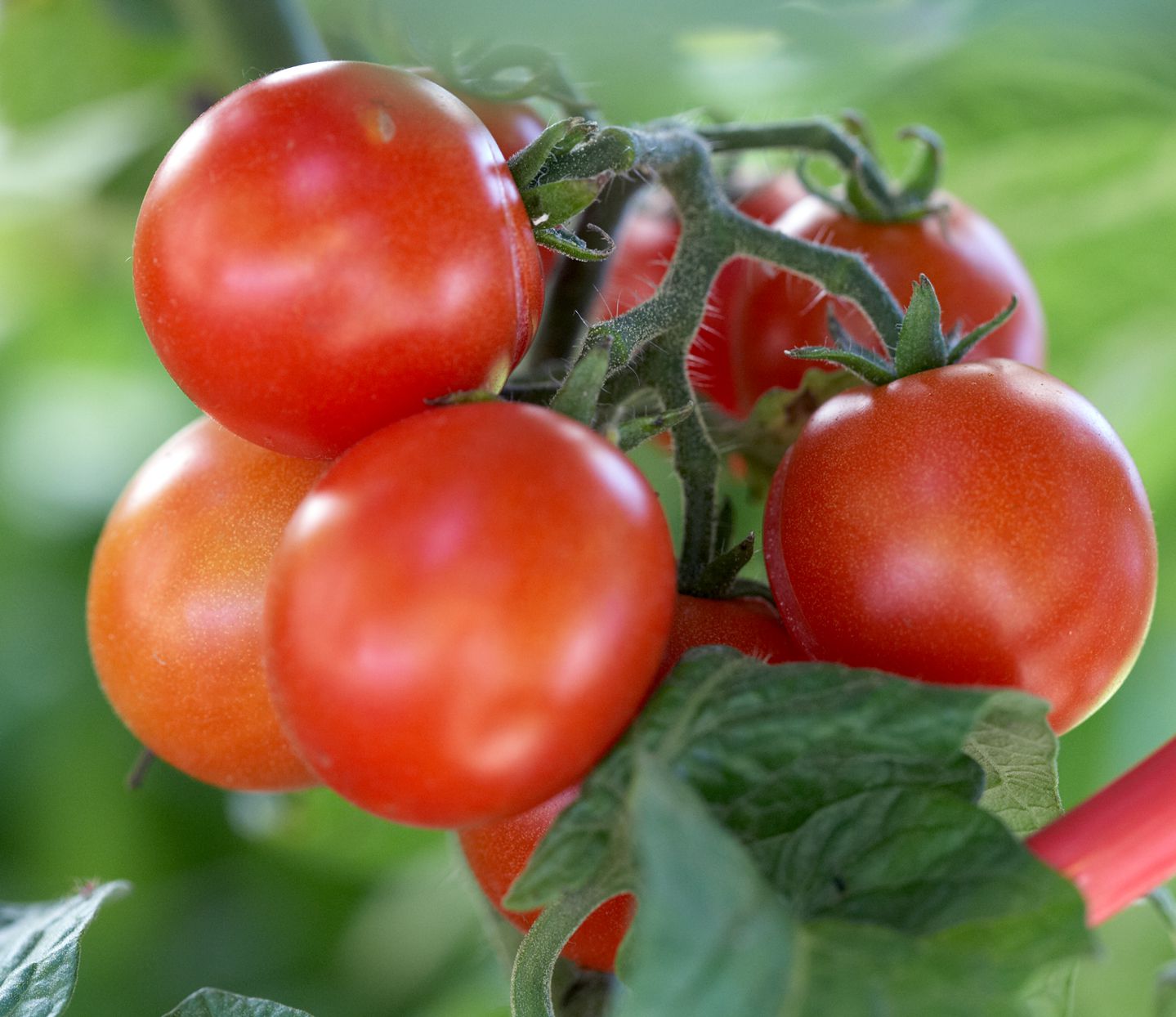
Tomatoes are the golden retrievers of the garden: enthusiastic, productive, and occasionally guilty of digging up your plans.
Learn how to grow tomatoes and you’ll be rewarded with fruit that tastes like summer and smells like victory.
Whether you’re planting in raised beds, a backyard plot, or a container on a sunny balcony, the basics are the same:
give tomato plants warmth, sun, steady water, and a little supportemotional and structural.
This guide walks you through choosing varieties, planting, watering, fertilizing, pruning, pest/disease prevention, and harvesting,
with practical tips and a few hard-earned lessons so you can skip the “why is my plant doing that?” phase.
1) Choose the Right Tomato Variety (Because Not All Tomatoes Behave)
The fastest way to “win” at growing tomatoes is picking a variety that fits your space, climate, and patience level.
Tomato varieties generally fall into a few useful buckets:
Determinate vs. Indeterminate
- Determinate (bush): Grows to a more compact size and tends to set fruit over a shorter window. Great for containers, small gardens, and sauce-making weekends.
- Indeterminate (vining): Keeps growing and producing until frost. Great if you want tomatoes all seasonbut you’ll need sturdy support and regular pruning.
Pick by Purpose (and Your Sandwich Goals)
- Cherry/grape (e.g., “Sungold,” “Sweet 100”): Prolific, beginner-friendly, and snackable.
- Slicers (e.g., “Celebrity,” “Better Boy”): Classic for burgers and BLTs.
- Paste/plum (e.g., “Roma”): Meatier, less wateryideal for sauce.
- Heirlooms (e.g., “Cherokee Purple”): Big flavor, often more finickylike a gourmet cat.
If your area struggles with tomato diseases (many do), look for labels like V, F, or N
(Verticillium wilt, Fusarium wilt, nematodes). Disease-resistant varieties won’t make your plant invincible, but they do stack the odds.
2) Timing: When to Plant Tomatoes Without Inviting Frost to the Party
Tomatoes are warm-season plants. They don’t “tough it out” in cold weather; they sulk, stall, and occasionally collapse like a lawn chair.
For best growth, transplant outdoors after your last frost date and once the soil has warmed.
Starting Seeds Indoors
If you’re starting from seed, sow tomatoes indoors about 6–8 weeks before your last expected frost.
Use a seed-starting mix, provide bright light (a sunny window is rarely enough on its own), and keep seedlings gently moistnot swampy.
Hardening Off (The Tomato “Boot Camp”)
Before moving seedlings outdoors full-time, “harden them off” for about a week: start with a couple hours outside in shade,
then gradually increase sun and wind exposure. This reduces transplant shock and keeps your plants from acting betrayed by the outdoors.
3) Sun and Soil: The Two Non-Negotiables
If tomatoes had a dating profile, it would say: “Seeking full sun and well-drained soil. Must love compost.”
Aim for 6–8+ hours of direct sun daily. More sun generally means more flowers, better fruiting, and sweeter flavor.
Soil Texture and Drainage
Tomatoes prefer soil that holds moisture but drains well. If your soil is heavy clay, amend with compost to improve structure.
If it’s sandy, compost helps retain water and nutrients.
Soil pH and Fertility
Tomatoes do best in slightly acidic to neutral soil (often around the low-to-mid 6s), but they’re adaptable if the soil is healthy.
The practical move: mix in 2–3 inches of compost before planting. Compost improves water management, feeds beneficial microbes,
and makes your soil feel like it got a promotion.
4) Planting Tomatoes: Go Deep (Yes, Really)
Tomatoes have a neat superpower: they can form roots along buried stems. Planting them deep builds a stronger root system,
which helps with drought tolerance and overall vigor.
How Deep Should You Plant?
- Remove the lower leaves and bury a good portion of the stem so only the top leaves remain above ground.
- If seedlings are leggy, you can “trench plant” by laying the stem sideways in a shallow trench and gently curving the top upright.
Spacing That Prevents the Fungus Olympics
Crowded tomatoes are an open invitation to disease. Spacing depends on variety and support method:
- Staked or caged: often around 18–24 inches apart.
- Sprawling, unsupported plants: more space (think 3–4 feet) so leaves can dry and airflow improves.
- Rows: generally 3–5 feet apart so you can reach plants and avoid a mid-summer jungle expedition.
Pro tip: install support (cage, stake, or trellis) at planting time. Doing it later is like trying to put socks on a toddler mid-tantrum.
5) Watering Tomatoes: Consistent Moisture Without Overdoing It
The goal is deep, steady watering. Tomatoes often need roughly 1–2 inches of water per week,
but your climate and soil change everything. Hot weather, wind, sandy soil, and containers mean you’ll water more frequently.
Water at the Base
Wet foliage encourages disease. Water the soil, not the leaves. Drip irrigation or a soaker hose is ideal, but a watering can works fine if you aim carefully.
Mulch: The Simplest Tomato “Upgrade”
Add mulch (straw, shredded leaves, or bark) after the soil warms. Mulch keeps moisture consistent, reduces soil splash (a disease spreader),
and cuts down on weeds that steal water and nutrients.
6) Fertilizing: Feed the Plant, Not Just the Leaves
Tomatoes are heavy feeders, but too much nitrogen can produce a gorgeous green plant that forgets it’s supposed to make fruit.
If your plants are tall, leafy, and stingy with flowers, ease up on nitrogen-heavy fertilizer.
A Sensible Feeding Strategy
- At planting: Compost in the planting area goes a long way. Some gardeners also use a mild “starter” fertilizer solution.
- After establishment: Feed lightly once plants are growing steadily.
- At flowering/fruit set: Switch focus to a more balanced or slightly lower-nitrogen fertilizer so the plant invests in tomatoes, not leaf couture.
If you prefer organic methods, compost, worm castings, and slow-release organic tomato fertilizers can work beautifully. Just remember:
“Slow release” means you’re playing the long gamelike a tomato chess master.
7) Support Systems: Cages, Stakes, Trellises, and Other Tomato Furniture
Supporting tomato plants keeps fruit off the ground, improves airflow, and makes harvesting less of a scavenger hunt.
Choose the method that fits your variety and your willingness to build structures in your yard.
Common Support Options
- Cages: Simple and popular. Use sturdy cages (lightweight ones often lose the wrestling match by July).
- Stakes: Great for keeping plants narrow. Requires tying as the plant grows.
- Trellis/string systems: Excellent for indeterminate tomatoes, especially in tight spaces; great airflow and easier pruning.
- Florida weave: A classic row-growing technique using stakes and twine to “sandwich” plants upright.
8) Pruning and Training: When to Snip and When to Chill
Pruning is not mandatory, but it can improve airflow, reduce disease pressure, and help channel energy into fruitespecially for indeterminate varieties.
The Sucker Question
“Suckers” grow in the angle between the main stem and a leaf branch. Left alone, they become stems that can produce flowers and fruit.
For indeterminate tomatoes, many gardeners prune some suckers to keep plants manageable, often training the plant to 1–3 main stems.
What Not to Prune
- Determinate tomatoes: Heavy pruning can reduce yield because they fruit in a more concentrated window.
- Too many leaves: Leaves power fruit production. Don’t turn your plant into a sad stick with regrets.
Easy, High-Impact Pruning
- Remove lower leaves that touch the soil.
- Thin a bit in the center for airflow if foliage is dense.
- Use clean snips and avoid pruning when leaves are wet.
9) Troubleshooting: Pests, Diseases, and Tomato Drama
Tomatoes are generous, but they’re not low-maintenance. The good news: most problems are preventable with a few smart habits
and solvable if you catch them early.
Top Prevention Habits
- Rotate crops: Avoid planting tomatoes (or other nightshades like peppers/eggplants) in the same spot year after year.
- Water at the base and keep leaves dry.
- Space plants for airflow and sunlight penetration.
- Mulch to reduce soil splash and moisture swings.
- Remove diseased leaves and dispose of them (don’t compost serious disease material).
Common Diseases (and What to Do)
Many tomato diseases thrive with wet leaves, humidity, and poor airflow. If you see spotting, yellowing, or leaf drop starting from the bottom,
act quickly: prune affected leaves, improve airflow, avoid overhead watering, and consider disease-resistant varieties next season.
Blossom End Rot (The “Why Is the Bottom Black?” Moment)
Blossom end rot looks scary, but it’s typically not a pest or contagious disease. It’s usually tied to calcium delivery issues
caused by irregular watering and moisture swings. Keep watering consistent, mulch to stabilize soil moisture, and avoid overloading nitrogen.
New fruit often improves once watering is steady.
Fruit Cracking
Cracks often happen when dry soil is suddenly followed by heavy watering or rain. Consistent moisture and mulch are your best defense.
Harvest near-ripe fruit before a big storm if cracking is common in your garden.
Common Pests
- Tomato hornworms: Big green caterpillars with an impressive appetite. Hand-pick if you can spot them (look for missing leaves and dark droppings).
- Aphids/whiteflies: Small sap-suckers that cluster on new growth. A strong spray of water and encouraging beneficial insects can help.
- Stink bugs: Can cause cloudy spots on fruit. Row covers early in the season and garden hygiene help reduce issues.
If you use any pest control products, follow label directions and choose the least-disruptive option that works for your situation.
A thriving garden is a small ecosystem, not a war zone.
10) Harvesting Tomatoes: Pick for Flavor, Not Just Color
Harvest timing affects flavor and texture. A tomato is typically ready when it’s fully colored for its variety and slightly firm with a little give.
If critters, cracking, or storms threaten, you can pick at the “breaker” stage (when color just starts changing) and let it finish ripening indoors.
How to Store Tomatoes
- Room temperature is best for flavor.
- Avoid refrigerating unless the tomato is very ripe and you need to slow it down; cold can dull flavor and change texture.
- Store stem-side down to reduce moisture loss and bruising.
11) Growing Tomatoes in Containers (Small Space, Big Payoff)
Container tomatoes can be spectacularif you respect their thirst and give them enough root room.
The most common container mistake is choosing a pot that’s adorable but tiny. Tomatoes don’t want “cozy.” They want “spacious.”
Container Essentials
- Pot size: Aim for at least 5 gallons for many varieties; larger is better for indeterminates.
- Potting mix: Use high-quality potting soil (not garden soil) for drainage and aeration.
- Drainage: Non-negotiable. Roots hate sitting in water.
- Support: Add a cage or stake at planting time.
- Watering: Containers dry fastcheck moisture often in hot weather.
12) End-of-Season Cleanup: Your Future Tomatoes Will Thank You
When the season ends, remove tomato debris from the gardenespecially if disease showed up. Don’t leave vines to “melt back into the earth”
if they were covered in spots. That’s not composting; that’s setting up next year’s problems.
If you’re extending the season, row covers or frost cloth can protect plants on cool nights. But once frost is consistent,
it’s okay to call it: harvest what you can, ripen indoors, and plan next year like a strategist with a tomato obsession.
Conclusion: Your Simple Tomato Game Plan
To grow tomatoes successfully, remember the core formula: sun + warm soil + consistent water + support + airflow.
Start with the right variety, plant deeply, space wisely, mulch for moisture stability, feed moderately, and prune with intention.
Most tomato issuesdisease, blossom end rot, crackingtrace back to moisture swings, wet foliage, crowding, or skipping support.
Fix those, and you’ll be well on your way to a harvest that makes grocery-store tomatoes taste like distant acquaintances.
Real-World Tomato Growing Experiences (The “Learn From My Chaos” Edition)
The first time I grew tomatoes seriously, I treated them like houseplants: lots of love, frequent watering, and absolutely no plan for how large they’d get.
By mid-June, my “cute little tomato patch” had turned into a leafy, tangled soap opera. The plants looked incrediblelush, green, thriving
and produced exactly three tomatoes. Three. I had basically grown an ornamental shrub with ambitions.
Lesson one: support early. I installed cages late, after the vines had already flopped. Imagine trying to put a belt on a running dog.
The stems bent, leaves tore, and I learned new words (mostly not suitable for polite gardening blogs). The next season, I set sturdy cages at planting time,
and the difference was immediate: cleaner plants, fewer broken branches, and harvesting that didn’t require crawling under a tomato canopy like a raccoon.
Lesson two: watering is about rhythm, not volume. I used to water a little every day, which sounds caring but often keeps roots shallow.
Then a hot weekend hit, the soil dried fast, and the plants got stressed. A few days later, I “fixed it” by soaking the bedhello, fruit cracking.
Now I water more deeply and less often (adjusting for heat), and I mulch like it’s my part-time job. The plants stay steadier, and the fruit behaves better.
Tomatoes love consistency almost as much as they love sun.
Lesson three: don’t overfeed nitrogen. I once gave my tomatoes a high-nitrogen fertilizer because I wanted “strong growth.”
And wowdid I get it. The plants became green monsters with thick stems and leaves the size of my hand. Flowers? Minimal. Fruit? Scarce.
It turns out tomatoes are not impressed by your leafy flex. Once I switched to gentler feeding and focused on balanced nutrition during flowering,
the plants started producing like they remembered why they were here.
Lesson four: hornworms are real, and they are bold. I had heard of tomato hornworms, but in my mind they were tiny inconveniences.
Then I found one the size of a finger casually eating my plant like it paid rent. If you ever think, “My tomato lost a lot of leaves overnight,”
go look for a hornworm. They blend in, so check for dark droppings on leaves below. Hand-picking is weirdly satisfyinglike catching the cookie thief
in the act. After that, I started checking plants in the evening when the light is soft and the pests are less sneaky.
Lesson five: pruning can be helpful, but it’s not a haircut. I got carried away once and pruned an indeterminate tomato so aggressively
it looked like it had offended a barber. The plant recovered, but I learned to prune for airflow and manageability, not aesthetics.
My current approach is simple: remove the lowest leaves, thin the interior if it’s too dense, and pinch a few suckers to keep the plant from becoming a jungle.
I leave enough foliage to power fruit production and protect tomatoes from sunscald in peak summer.
Lesson six: containers need daily attention in hot weather. I grew a cherry tomato on a sunny patio and assumed it would be low-maintenance.
Then July arrived with its spicy sunshine, and the pot dried out so fast the plant wilted dramatically by afternoonlike it was auditioning for a telenovela.
The fix was a bigger container, consistent watering, and (you guessed it) mulch. After that, it produced nonstop, and I couldn’t walk outside without
eating three tomatoes like a garden gremlin.
The biggest takeaway from years of trial and error is this: tomatoes are forgiving if you handle the fundamentals.
When something goes wrong, don’t panicdiagnose. Is the soil drying out too fast? Are leaves staying wet? Are plants crowded?
Did you skip support? Solve the root cause, and the plant usually rebounds. And if it doesn’t, congratulations: you’ve earned the most valuable gardening skill
knowing what you’ll do differently next season.













