
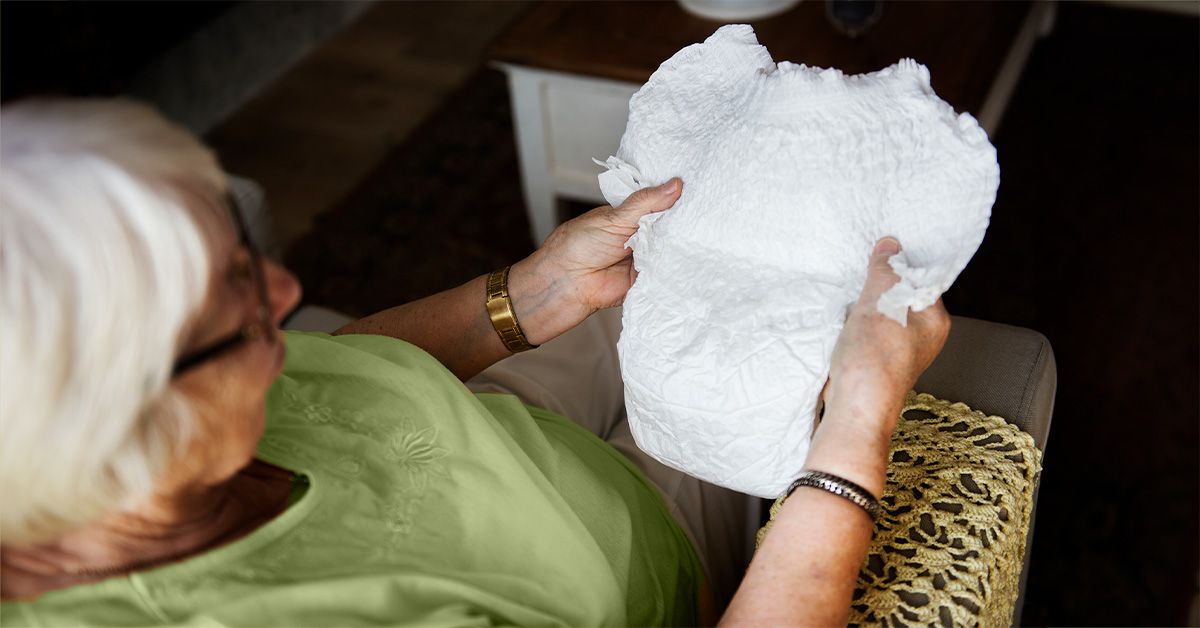
Adult diapers are not exactly the kind of item people dream about discussing over brunch. Yet for millions of older adults, people with disabilities, and family caregivers, incontinence supplies are as practical and necessary as eyeglasses, walkers, or blood pressure medication. The big question is simple: does Medicare cover adult diapers?
The short answer is: Original Medicare does not cover adult diapers or most disposable incontinence supplies. That includes disposable briefs, pull-up underwear, bladder control pads, liners, and underpads used at home. The longer answer is more useful: some Medicare Advantage plans may offer an over-the-counter allowance that can be used for certain incontinence products, Medicaid may help in many states when supplies are medically necessary, and smart shopping can lower monthly costs without turning your bathroom closet into a coupon bunker.
This guide explains Medicare coverage, incontinence supply options, estimated costs, ways to save, and real-world caregiver tips for choosing products that work without wrecking the household budget.
Does Medicare Cover Adult Diapers?
Original Medicare, which includes Part A and Part B, does not pay for adult diapers or incontinence supplies. Medicare generally treats these products as disposable personal care items rather than covered durable medical equipment. That distinction matters because Medicare Part B may cover certain durable medical equipment, such as walkers or hospital beds, when medically necessary, but adult diapers are used up and thrown away. In Medicare language, they do not make the coverage cut.
This means that if you have Original Medicare only, you usually pay 100% of the cost for:
- Disposable adult diapers or briefs
- Pull-up protective underwear
- Bladder control pads
- Male guards
- Booster pads and liners
- Disposable underpads for beds and chairs
- Most wipes, gloves, and personal hygiene supplies
A doctor’s recommendation is still important for diagnosis and treatment, but it does not automatically make adult diapers covered by Original Medicare. In other words, a prescription can help with Medicaid, tax documentation, or certain supplier programs, but it does not magically turn a pack of briefs into a Medicare-covered item. If only paperwork had that kind of superhero cape.
Why Medicare Coverage Feels Confusing
The confusion often starts with the phrase “medically necessary.” Incontinence supplies can absolutely be medically necessary for hygiene, skin protection, dignity, mobility, and caregiver support. But Medicare coverage depends not only on need, but also on benefit category. Adult diapers are usually considered routine disposable supplies, and Original Medicare usually does not cover common home medical supplies such as gauze, bandages, and disposable incontinence products.
Another reason people get mixed answers is that Medicare Advantage plans, Medicaid programs, Veterans Affairs benefits, long-term care facilities, and state programs all follow different rules. A neighbor may say, “My plan pays for them,” while your plan says, “Nice try.” Both can be true.
Original Medicare vs. Medicare Advantage
Original Medicare
Original Medicare does not cover adult diapers, even when urinary incontinence or bowel incontinence is related to aging, surgery, dementia, Parkinson’s disease, stroke, diabetes, mobility limitations, or another medical condition. It may cover evaluation and treatment for the underlying condition, such as doctor visits, certain tests, physical therapy when medically necessary, medications under Part D, or surgery if appropriate. But the disposable supplies themselves are generally out-of-pocket.
Medicare Advantage
Medicare Advantage, also called Medicare Part C, is offered by private insurance companies approved by Medicare. These plans must cover the services Original Medicare covers, but many also offer extra benefits. Some plans include an over-the-counter allowance, prepaid benefit card, catalog benefit, or flex-style benefit that may be used for approved health products.
Depending on the plan, eligible OTC items may include pain relievers, first aid items, vitamins, skin care products, and sometimes incontinence supplies. The important word is may. Medicare Advantage benefits vary by county, company, plan type, and year. A plan that covered adult pull-ups last year may change the catalog this year. A card that works at one pharmacy may be declined at another. A product may be eligible online but not in-store. The rules can be more dramatic than a soap opera, except the villain is usually a barcode.
If you have a Medicare Advantage plan, call the member services number on your card and ask these exact questions:
- Does my plan include an OTC benefit or allowance?
- Can the allowance be used for adult diapers, briefs, liners, pads, or underpads?
- How much is the allowance each month, quarter, or year?
- Does unused money roll over or expire?
- Do I have to order from a catalog, website, pharmacy, or approved supplier?
- Are there quantity limits or brand restrictions?
Does Medicaid Cover Adult Diapers?
Medicaid is often more helpful than Medicare for incontinence supplies, but coverage is state-specific. Many state Medicaid programs cover medically necessary incontinence products for eligible adults when the need is documented by a qualified healthcare provider. Covered items may include adult briefs, protective underwear, liners, booster pads, underpads, and related supplies.
Typical Medicaid requirements may include:
- A qualifying medical diagnosis causing urinary or fecal incontinence
- A prescription or order from a doctor, nurse practitioner, or other approved clinician
- Documentation of medical necessity in the patient’s record
- Use of an approved Medicaid supplier
- Prior authorization for higher quantities or certain products
- Monthly limits on how many supplies are covered
For people who qualify for both Medicare and Medicaid, Medicaid may help with items Medicare does not cover. Some dual-eligible Medicare Advantage Special Needs Plans may also coordinate extra benefits. The best first step is to contact the state Medicaid office, the Medicaid managed care plan, or a local incontinence supplier that works with Medicaid. Ask what diagnosis codes, documentation, and product limits apply in your state.
What Types of Incontinence Supplies Are Available?
Choosing the right product is part comfort, part absorbency science, and part “please do not leak during the grocery trip.” The right supply depends on the type of incontinence, body shape, mobility, skin sensitivity, caregiver involvement, and whether the person needs daytime, overnight, or heavy-absorbency protection.
Adult Briefs With Tabs
Adult briefs are often what people mean by “adult diapers.” They fasten with tabs on the sides and are useful for people with heavier leakage, limited mobility, or caregivers assisting with changes. They can be changed while lying down, which is helpful for bedbound users.
Pull-Up Protective Underwear
Pull-ups look and feel more like regular underwear. They are popular for active adults who can stand, walk, and use the bathroom independently. They are discreet, easy to wear, and often preferred for daytime use.
Bladder Control Pads and Liners
Pads and liners fit inside regular underwear and work best for light to moderate leakage. They are usually less bulky and may cost less per change than full briefs. However, menstrual pads are not designed for urine absorption and may not control odor or moisture as well as bladder control pads.
Male Guards
Male guards are shaped for male anatomy and are commonly used for light to moderate urinary leakage, including after prostate procedures. They fit inside close-fitting underwear and are less bulky than full briefs.
Booster Pads
Booster pads are placed inside another incontinence product to increase absorbency. They should be used only with compatible briefs or underwear because some have flow-through backing. Using the wrong combination can trap moisture, cause leaks, or irritate skin.
Underpads
Underpads protect beds, chairs, wheelchairs, car seats, and recliners. Disposable underpads are convenient, while washable underpads may save money over time. Many households use both: washable pads at home and disposable pads for travel or overnight emergencies.
How Much Do Adult Diapers Cost?
Costs vary widely based on brand, size, absorbency, product type, and whether you buy a small pack, large case, store brand, or premium overnight product. As a general retail estimate in the United States, adult incontinence products may cost around $0.45 to more than $1.25 per item. Heavy-duty overnight briefs, bariatric sizes, and specialty products usually cost more.
Monthly cost depends on how often products are changed. Here are simple examples:
- Light use: 1-2 pads per day may cost about $25-$75 per month.
- Moderate use: 3-4 protective underwear changes per day may cost about $75-$180 per month.
- Heavy use: 5-8 briefs per day, plus underpads and wipes, may cost $150-$300 or more per month.
That is real money, especially for people living on Social Security, fixed retirement income, or caregiver budgets already stretched by medications, transportation, and home care. A cheaper product is not always cheaper if it leaks, requires double-layering, or causes skin problems. The best value is the product that works reliably with the fewest changes and least laundry drama.
How to Lower the Cost of Incontinence Supplies
1. Check Medicare Advantage OTC Benefits
If you have Medicare Advantage, review your Evidence of Coverage, OTC catalog, and member portal. Many plans reset OTC benefits monthly or quarterly. Mark the reset date on a calendar because unused benefits may expire. If adult diapers are eligible, compare the plan catalog price with local retail prices. Sometimes the “free” catalog price is higher, but if the allowance covers it, your wallet may still applaud.
2. Ask About Medicaid Eligibility
If income and assets are limited, apply for Medicaid or a Medicare Savings Program through your state. If already enrolled in Medicaid, ask whether incontinence supplies are covered and which suppliers are approved. Do not assume denial after one confusing phone call. Medicaid rules are complicated, and the right supplier often knows the documentation process better than a general customer service representative.
3. Get Medical Documentation
Ask the healthcare provider to document the cause of incontinence, expected duration, product type, daily quantity, and medical need. A diagnosis such as neurogenic bladder, dementia-related functional incontinence, bowel incontinence, stroke-related impairment, severe mobility limitation, or another condition may support coverage under Medicaid or other programs.
4. Request Samples Before Buying Cases
A case of adult diapers can be expensive and bulky. Before buying 80 items that fit like a sad paper parachute, request samples from manufacturers, pharmacies, medical supply companies, or Medicaid suppliers. Test absorbency, fit, odor control, and skin comfort.
5. Compare Unit Price, Not Package Price
A $16 pack may look cheaper than a $48 pack until you realize the smaller package costs more per item. Divide the price by the number of products in the package. Also compare absorbency. A premium overnight brief may cost more per piece but reduce middle-of-the-night changes and laundry.
6. Use Washable Products Strategically
Washable underwear and reusable underpads can lower long-term costs for some people. They require laundry, drying time, and good infection-control habits, so they are not ideal for every household. Still, reusable bed pads are often a practical backup layer.
7. Look for Community Help
Local diaper banks, senior centers, Area Agencies on Aging, faith-based charities, disability organizations, and caregiver support groups sometimes distribute adult incontinence supplies. Availability varies, but it is worth asking. These programs understand that dignity should not depend on whether someone can afford another package of briefs.
When to Talk With a Healthcare Provider
Incontinence is common, but it should not be ignored. Urinary leakage can be related to urinary tract infections, medication side effects, constipation, diabetes, prostate problems, menopause, pelvic floor weakness, neurological conditions, mobility issues, or cognitive impairment. Bowel incontinence can have separate causes and deserves medical attention too.
Talk with a healthcare professional if incontinence is new, suddenly worse, painful, associated with blood in urine or stool, accompanied by fever, or causing skin breakdown. Treatment may include bladder training, pelvic floor exercises, medication changes, constipation treatment, physical therapy, weight management, surgery, or other targeted care. Adult diapers manage symptoms, but they should not be the only plan if the underlying cause can be treated.
Skin Care Matters More Than People Think
Good incontinence care is not just about staying dry; it is about protecting skin. Moisture, friction, and prolonged contact with urine or stool can lead to irritation, rashes, odor, and pressure injuries. Change products regularly, cleanse gently, dry the skin, and consider barrier cream when recommended. Avoid harsh scrubbing. Skin is not a frying pan; it does not need aggressive scouring.
Caregivers should also watch for redness, open areas, pain, swelling, or unusual odor. A product that is too tight can rub. A product that is too loose can leak. A product that is not absorbent enough can keep skin wet. Fit and absorbency are not luxury features; they are part of health and comfort.
Experience-Based Tips for Families Managing Medicare, Adult Diapers, and Costs
Families often learn the adult diaper system the hard way: one emergency pharmacy run, one wrong size, and one very full trash bag at a time. The first practical lesson is to measure before buying. Waist and hip size matter, and different brands fit differently. If a product leaks around the legs, the problem may be size, not absorbency. Many caregivers buy a bigger size thinking it will hold more, but oversized briefs often gap and leak. Bigger is not always better; sometimes it is just more expensive confetti.
The second lesson is to separate daytime and nighttime needs. A person who does well with light protective underwear during the day may need a tab-style brief or high-absorbency overnight product for sleep. Overnight leakage can lead to laundry overload, poor sleep, and skin irritation. Adding a washable underpad beneath a disposable underpad may feel excessive until the first morning everyone wakes up dry and calm. That is not overplanning; that is household peacekeeping.
The third lesson is to document everything if you are trying to get help from Medicaid, a Medicare Advantage plan, or a supplier program. Keep a simple log for one week: how many products are used per day, when leaks happen, whether bowel incontinence is involved, and whether skin irritation occurs. Bring that information to the doctor. A vague request for “diapers” is easier to deny than a documented need for “four adult briefs per day plus overnight protection due to functional urinary incontinence after stroke.” Specifics matter.
The fourth lesson is to call the insurance plan with product names in hand. Instead of asking, “Do you cover diapers?” ask, “Can my OTC allowance be used for adult protective underwear, tabbed briefs, booster pads, or disposable underpads?” If the representative says yes, ask where to buy them, whether the allowance expires, and whether shipping is included. Write down the date, representative name, and answer. Insurance phone calls are like socks in a dryer: details disappear unless you pin them down.
The fifth lesson is to protect dignity. Many adults feel embarrassed about incontinence, especially when family members become involved. Use neutral language: “supplies,” “briefs,” or “protective underwear” may feel better than “diapers.” Store products discreetly but accessibly. Offer choices when possible, such as brand, style, or when to reorder. Small choices restore control.
The sixth lesson is to build a reorder routine. Running out of supplies creates stress, rushed spending, and poor substitutions. Keep a two-week backup supply if possible. For online orders, account for shipping delays. For Medicaid supplier shipments, confirm renewal paperwork before the last box is opened. A simple calendar reminder can prevent an urgent midnight trip to a 24-hour store, where the only available size is “maybe fits a linebacker.”
Finally, remember that incontinence supplies are not a personal failure. They are tools. Glasses help vision, canes help walking, and adult briefs help people stay clean, mobile, social, and comfortable. The goal is not merely to buy the cheapest product. The goal is to preserve health, dignity, sleep, and independence while using every coverage option available.
Conclusion: What to Remember About Medicare and Adult Diapers
Original Medicare does not cover adult diapers or most disposable incontinence supplies, so beneficiaries usually pay out of pocket unless another program helps. Medicare Advantage may offer OTC benefits that include certain supplies, but details vary by plan and year. Medicaid may cover medically necessary incontinence products in many states with proper documentation, approved suppliers, and quantity limits.
The smartest approach is to combine coverage research with practical product testing. Check your Medicare Advantage OTC allowance, ask about Medicaid eligibility, get medical documentation, compare unit prices, request samples, and choose products based on fit, absorbency, skin protection, and daily routine. Adult diapers may not be glamorous, but choosing them well can protect dignity, reduce caregiver stress, and save real money month after month.














