
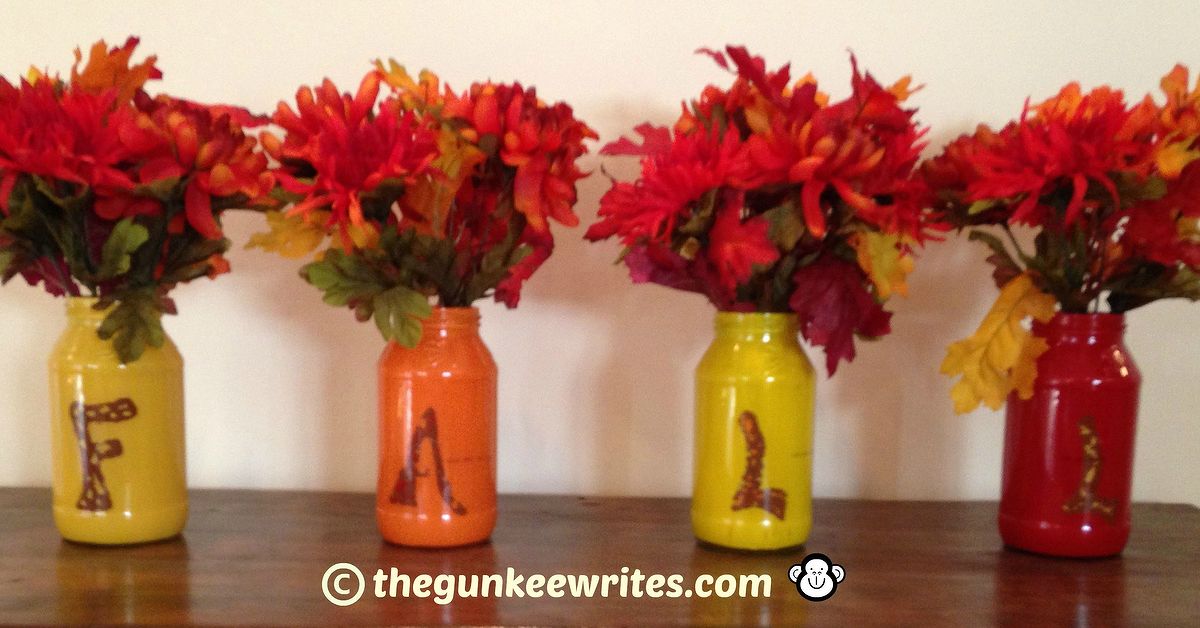
Note: This is a decorative DIY project. Use only clean, crack-free glass jars, keep painted surfaces away from food, and work in a well-ventilated space when using paint or adhesive.
Fall decorating does not require a truckload of velvet pumpkins, a suspiciously expensive wreath, or an advanced degree in arranging eucalyptus. Sometimes all you need is a handful of empty glass jars, a few seasonal stems, and the willingness to admit that the pasta sauce jar sitting in the recycling bin has potential.
Making fall glass jar vases is one of the easiest ways to bring autumn color into your home without turning every surface into a craft-store explosion. A simple jar can become a rustic centerpiece, a warm mantel accent, a table decoration for Thanksgiving, or a small handmade gift. The secret is not perfection. The secret is combining useful materials with natural texture, cozy color, and a little bit of “I meant to do that” confidence.
Whether you prefer a farmhouse look, a modern autumn palette, or a more traditional harvest style, glass jar vases can be adapted to fit your space. You can leave them clear and minimal, paint them in warm fall colors, wrap them in twine, dress them with ribbon, or fill them with dried flowers, branches, leaves, and berries. The result is charming, affordable, and far more impressive than the jar’s former life holding pickles.
Why Glass Jar Vases Work So Well for Fall Decor
Glass jars are practical, inexpensive, and easy to customize. Mason jars are popular, but they are not the only option. Jelly jars, candle jars, pasta sauce jars, jam jars, olive jars, and small glass bottles can all become decorative fall vases. Using several different sizes creates more visual interest than relying on one large arrangement.
Fall decor looks especially good when it includes a mix of natural materials. Glass gives the display a clean, reflective surface, while dried leaves, flowers, branches, wheat, seed heads, and grasses add softness and texture. The contrast makes a simple arrangement feel layered instead of flat.
Another advantage is flexibility. A clear jar filled with a few colorful leaves can look modern and understated. The same jar wrapped in jute twine and topped with a tiny wooden tag can look rustic and cozy. Add a little amber paint, dried hydrangea, and a velvet ribbon, and suddenly the humble jar is behaving like it has its own interior design podcast.
Materials You Need to Make Fall Glass Jar Vases
You do not need every item on this list. Choose supplies based on the style you want to create and the materials you already have at home.
- Clean glass jars in different shapes and sizes
- Dish soap, warm water, and a lint-free cloth
- Rubbing alcohol or glass cleaner for removing residue
- Twine, raffia, jute cord, ribbon, lace, or fabric scraps
- Craft glue or hot glue
- Painter’s tape for stripes, blocks, or patterns
- Glass paint, chalk-style paint, or spray paint suitable for glass
- Dried flowers, faux stems, fresh flowers, ornamental grasses, leaves, berries, or branches
- Small pinecones, acorns, mini pumpkins, dried orange slices, or cinnamon sticks
- Scissors, pruning shears, and a protected work surface
Before decorating, remove all labels and sticky residue. Soaking jars in warm soapy water usually loosens paper labels. For stubborn adhesive, use a little cooking oil or rubbing alcohol, then wash the jar again. Dry it completely before painting or gluing. Paint and glue do not enjoy moisture, grease, or surprise pickle perfume.
How to Make Fall Glass Jar Vases Step by Step
1. Choose the Right Jar for the Arrangement
Start by matching the jar shape to the stems you plan to use. Short, wide jars work well for compact arrangements, tea lights, and low table centerpieces. Tall jars are better for branches, ornamental grasses, sunflowers, or long-stemmed flowers. Small jelly jars make excellent bud vases for a single bloom, a few berries, or a miniature sprig of dried foliage.
If you are creating a group of vases, choose jars with varied heights. A cluster usually looks more intentional when one jar is tall, one is medium, and one is short. You do not need matching containers. In fact, slightly mismatched jars often feel warmer and more collected.
2. Clean and Prep the Glass
Wash the jars with warm water and dish soap, then rinse thoroughly. Wipe them with a lint-free cloth and let them dry completely. If you are painting the surface, wipe the glass one more time with rubbing alcohol or glass cleaner to remove fingerprints and oil.
Inspect each jar before using it. Do not use cracked or chipped glass, especially if you plan to fill it with water. A tiny chip may seem harmless until the jar decides to audition for a dramatic breakup scene on your dining table.
3. Pick a Fall Color Palette
The easiest way to make your fall glass jar vases look polished is to work with a limited palette. Choose two to four colors and repeat them throughout the display. Traditional fall colors include burnt orange, mustard yellow, deep red, copper, brown, cream, and forest green.
For a softer or more modern look, try muted shades such as dusty rose, olive green, warm beige, terracotta, amber, pale blue, charcoal, or matte white. Deep navy can also work beautifully with orange leaves and gold accents. Fall does not require every item to look like a pumpkin spice latte in physical form.
4. Decorate the Outside of the Jar
There are many ways to dress up a glass jar without making it look overloaded. The best designs usually focus on one main treatment and one small accent.
For a rustic jar vase: Wrap twine or jute around the neck of the jar several times. Tie it into a loose bow and tuck in a small dried leaf, cinnamon stick, or miniature pinecone. This works especially well with clear glass and dried grasses.
For a painted fall jar vase: Use painter’s tape to create a clean line around the jar, then paint only the lower half. This lets the stems remain visible while adding color and texture. Matte terracotta, mustard, olive, cream, and muted orange look especially good for autumn.
For an amber glass effect: Use translucent glass paint or place an amber-colored votive holder inside a clear jar. The warm tint creates a cozy glow without hiding the stems completely. Amber glass pairs beautifully with dried hydrangea, golden leaves, wheat, or burgundy flowers.
For a textured jar vase: Wrap a narrow strip of fabric around the center of the jar, then layer a thin ribbon or twine over it. Plaid fabric, burlap, faded denim, ticking stripe, or neutral linen can all create a seasonal look.
For a simple modern vase: Leave the jar clear. Add only a small leather cord, a slim black ribbon, or a minimal paper tag. Fill it with one type of stem, such as eucalyptus, dried grasses, maple leaves, or a single branch with berries.
5. Paint Safely and Let the Finish Cure
If you use spray paint, work outdoors or in an open, well-ventilated area. Cover the surrounding surface and wear the protective equipment recommended on the product label. Apply several light coats rather than one heavy coat. Thin coats are less likely to drip, bubble, or create a finish that looks like it melted during a very emotional craft session.
Allow the paint to dry and cure according to the manufacturer’s instructions before adding water or handling the jar frequently. If the jar will hold fresh flowers, consider leaving the inside unpainted. Decorative paint on the exterior is usually the easiest option, because the water never touches the finish.
6. Add Floral Foam Only When It Makes Sense
For dried or faux arrangements, floral foam can help hold stems in place. For fresh flowers, use a jar with clean water whenever possible. You can also use a small flower frog, floral tape grid, or a few crisscrossed strips of clear tape over the opening to keep stems from flopping outward.
Do not pack the jar too tightly. A vase arrangement looks fuller when the stems can move slightly and create different heights. Think “cozy fall meadow,” not “traffic jam at the pumpkin patch.”
Best Flowers and Foliage for Fall Glass Jar Vases
You can make a beautiful fall arrangement with store-bought flowers, garden clippings, or dried materials. Mixing fresh and dried elements often creates the best texture, but make sure any fresh stems have access to water.
Fresh Fall Flowers
- Chrysanthemums
- Dahlias
- Zinnias
- Sunflowers
- Marigolds
- Roses in rust, peach, cream, or burgundy
- Celosia
- Asters
Dried and Natural Fall Fillers
- Wheat stalks
- Pampas grass or smaller ornamental grasses
- Dried hydrangea blooms
- Seed heads
- Preserved eucalyptus
- Maple, oak, or magnolia leaves
- Berry branches
- Pinecones and acorns
When arranging fresh flowers, trim the stems at an angle and remove leaves that would sit below the waterline. Use clean water and change it regularly. For dried arrangements, keep the vase away from humidity and direct sunlight to help the color last longer.
Easy Fall Glass Jar Vase Ideas for Every Style
Farmhouse Fall Jar Vases
Use clear jars, raffia, jute twine, cream ribbon, dried wheat, and small berry branches. Group three jars on a wooden tray and place a few mini pumpkins or pinecones around them. This is a simple centerpiece for a kitchen island, dining table, or entryway console.
Elegant Thanksgiving Centerpieces
Paint jars in warm white, matte black, burgundy, and muted gold. Fill them with dahlias, roses, eucalyptus, and dried grasses. Set the jars along a linen table runner with taper candles placed safely in separate holders. The combination feels festive without looking like a craft project attacked the buffet.
Modern Minimalist Fall Vases
Choose three clear jars with clean lines. Fill each one with a single material: golden leaves, olive branches, and dried grasses. Keep the colors restrained and place the jars in a row on a shelf or windowsill. This approach proves that fall decor can be calm, stylish, and not covered in glitter.
Cozy Porch or Entryway Display
Use larger jars or glass bottles filled with tall branches, faux maple leaves, or dried grasses. Place them beside pumpkins, lanterns, and a woven basket. Avoid placing glass where it can be knocked over by pets, children, or a guest carrying six grocery bags and a questionable amount of confidence.
How to Style Several Jar Vases Together
A single vase can look sweet, but a collection of glass jars creates a stronger fall statement. Use the “odd number” rule when possible: three, five, or seven jars tend to look more natural than two or four. Vary the height, but repeat at least one material or color so the group feels connected.
For example, you might use three jars: one tall amber jar with dried grasses, one medium clear jar with orange chrysanthemums, and one small painted jar with berry branches. Add a few loose leaves, mini gourds, or a candle nearby. The jars do not need to match exactly; they simply need to look like they belong in the same cozy neighborhood.
Trays are useful for keeping a grouped arrangement tidy. A wood tray gives a rustic look, while a metal tray can make the jars feel more polished. A linen runner, woven placemat, or old cutting board can also create a base for the arrangement.
Common Mistakes to Avoid
Using jars that are too small for heavy stems: Tall branches can make a lightweight jar tip over. Add stones, decorative pebbles, or a wider base if needed.
Overfilling the vase: More stems do not always create more beauty. Leave room for the individual shapes of flowers and foliage to show.
Skipping cleaning: Old labels, oil, dust, or residue can make paint peel and water look cloudy.
Mixing every fall color at once: Orange, red, gold, green, purple, plaid, glitter, and faux spiderwebs may all be wonderful separately. Together, they can become a seasonal hostage situation. Choose a focused palette.
Forgetting about placement: Keep painted jars away from food-prep areas, open flames, and high-traffic spots. Decorative jars are lovely. Broken glass is not a charming rustic detail.
Make Fall Glass Jar Vases as Gifts
Fall glass jar vases make thoughtful hostess gifts, teacher gifts, neighbor gifts, or small seasonal surprises. Create a dried arrangement that can last for months, then tie a gift tag around the neck of the jar. Add a note such as “A little autumn for your table” or “Because your home deserves more than one decorative gourd.”
For an easy gift set, make three small bud vases with matching twine or ribbon and package them in a shallow box with tissue paper. Include a few dried stems separately so the recipient can arrange them at home. It feels personal, useful, and much more original than another scented candle with a name like “Sweater Weather at a Cider Mill.”
Experiences and Lessons From Making Fall Glass Jar Vases
The first useful lesson from making fall glass jar vases is that the best jar is rarely the one you planned to use. You may begin with a perfectly matched set of Mason jars, then discover that the short jelly jar works better for a single marigold, the tall olive jar makes dried grasses look dramatic, and the old candle jar somehow becomes the star of the whole display. This is one of those crafts where a little improvisation is not a mistake; it is often the point.
Another common experience is realizing that natural materials do most of the decorating work. A jar wrapped in ten yards of ribbon can still look busy, while a clear jar with one branch of red leaves can look quietly beautiful. Fall has plenty of built-in color and texture, so the container does not need to wear a tiny costume. A little twine, a simple paint treatment, or one small tag is usually enough.
Many people also learn that dried materials are more forgiving than fresh flowers. Fresh flowers look lively and special, but they require clean water, trimmed stems, and occasional attention. Dried wheat, grasses, hydrangea, seed heads, and eucalyptus are much easier to manage. You can arrange them once and leave them alone for weeks. They are the low-maintenance friends of the decorating world: attractive, reliable, and unlikely to collapse before dinner guests arrive.
Painted jars can be especially satisfying, but they also teach patience. The temptation is to spray one thick coat, bring the jar indoors immediately, and start arranging flowers before the paint is dry. This almost always leads to fingerprints, drips, or paint sticking to the table. Light coats and proper drying time may not feel exciting, but neither does repainting a jar because your thumb became permanently part of the design.
Grouping jars is another small trick that makes a huge difference. One jar may feel like an afterthought. Three jars at different heights can look like a deliberate centerpiece. The arrangement does not have to be symmetrical. In fact, a slightly uneven cluster often feels more relaxed and natural. Let one vase hold the tallest stems, one carry the brightest color, and one stay simple with a few leaves or grasses.
Finally, the most enjoyable part of this project is how easily it changes with the season. The same jars can hold sunflowers and leaves in early fall, dried grasses and seed heads in October, and evergreen clippings by late November. Once you start saving attractive jars, you begin seeing them everywhere. Pasta sauce becomes a vase. A candle jar becomes a centerpiece. A jelly jar becomes a bud vase. Your recycling bin may never trust you again.
Conclusion
Making fall glass jar vases is proof that seasonal decorating can be creative, inexpensive, and surprisingly elegant. Start with clean jars, choose a simple color palette, add natural fall texture, and arrange your stems with a little variation in height and shape. Whether you use fresh flowers, dried grasses, colorful leaves, or branches from the yard, the finished vases can bring warmth to tables, shelves, mantels, porches, and gift baskets.
The goal is not to create a flawless showroom display. The goal is to make your home feel welcoming, personal, and ready for sweater weather. A few glass jars, a handful of autumn stems, and a small amount of creative chaos are often all it takes.













