
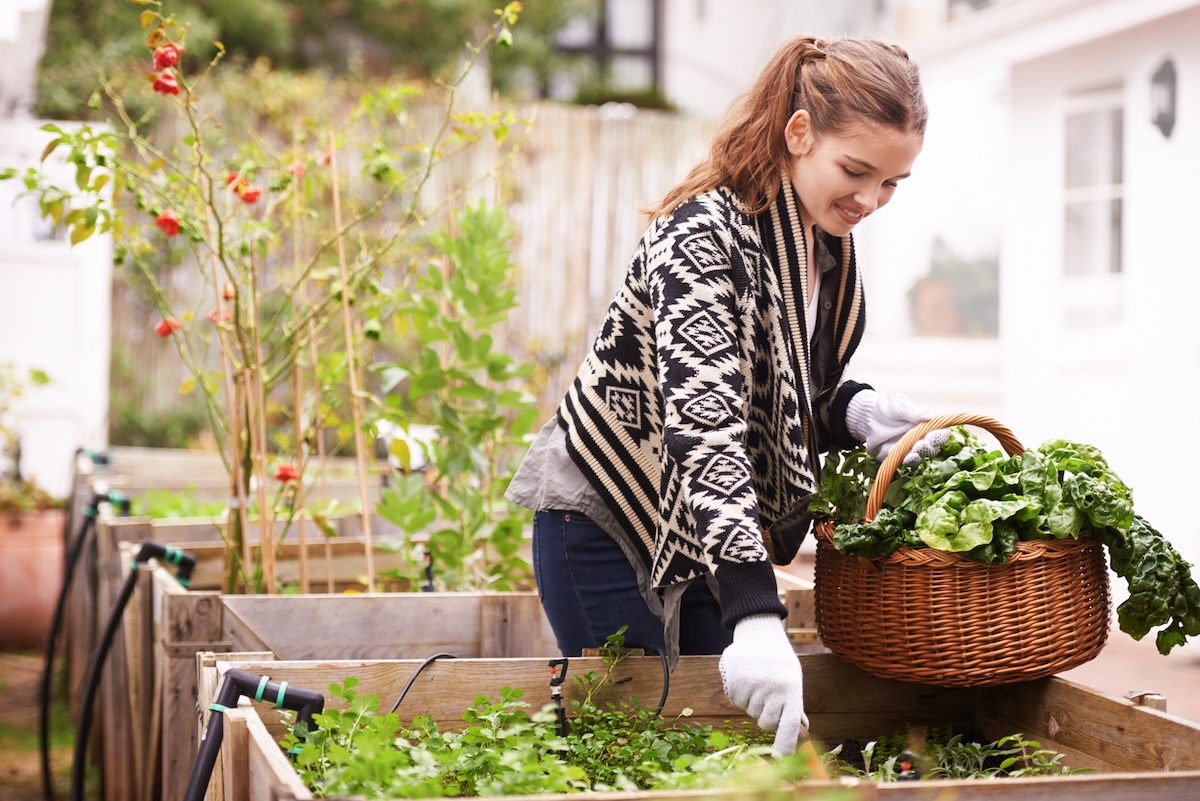
Fall companion planting has a wonderful little secret: it rewards gardeners who think like stage managers instead of gamblers. Summer is loud, crowded, and dramatic. Fall is more strategic. The light changes, the temperatures cool, and suddenly crops like kale, lettuce, radishes, carrots, broccoli, spinach, and cabbage stop acting like they are auditioning for a meltdown and start behaving like they actually read the instructions.
That is why fall is such a smart season for companion planting. When you pair crops with similar needs, stagger fast growers with slower ones, and use flowers, herbs, or trap crops with intention, you can save space, reduce pest pressure, and keep your garden productive long after the summer tomatoes have thrown in the towel. The trick is knowing that companion planting is not magic. It is gardening with better planning, better timing, and fewer random acts of optimism.
Below are the seven keys experts keep circling back to when they talk about successful fall companion planting, plus practical combinations you can actually use without turning your raised bed into a botanical group project gone wrong.
Why Fall Companion Planting Works So Well
Companion planting is simply the practice of growing different plants close together so they help each other in some way. Sometimes the benefit is physical, like using space more efficiently. Sometimes it is cultural, like pairing crops with similar water and soil needs. Sometimes it is ecological, like attracting beneficial insects or drawing pests away from the crop you care about most.
Fall makes this easier because many of the best autumn vegetables already belong to the same cool-season club. Lettuce likes cooler weather. So does spinach. So do many brassicas, including broccoli, kale, cabbage, cauliflower, and collards. Root crops such as carrots, beets, radishes, and turnips also slide nicely into the season. That overlap means you can build combinations that are practical, tidy, and easier to manage than some summer pairings, where one plant wants a sauna and the other wants a cardigan.
1. Start With Your First Frost Date, Not a Vibe
The first key to fall companion planting success is timing. Not “I should probably plant something soon” timing. Actual calendar timing. Experts consistently recommend working backward from your area’s average first fall frost date and then counting back using each crop’s days to maturity. In fall, growth slows as the days shorten, so many gardeners also add a little extra time as a buffer.
This matters because companion planting only works when both plants are in the right growth stage at the right moment. A fast crop such as radish may be ready in a matter of weeks, while broccoli, cabbage, and cauliflower need a longer runway. If you seed everything on the same day without doing the math, one crop may be gorgeous while the other is still trying to remember who it is.
What this looks like in practice
Let’s say your first frost usually lands around late October. You might sow radishes, baby greens, or spinach relatively late, but broccoli and cabbage usually need to get moving much earlier. The garden does not care that August still feels like summer. Fall planting often begins while you are still sweating.
Smart move: Keep a simple list of your favorite fall crops and their days to maturity. Then group them into “fast,” “medium,” and “slow” categories before you design your bed.
2. Pair Plants That Actually Want the Same Conditions
Good companion planting starts with compatibility, not superstition. In fall, the easiest wins come from pairing crops that enjoy similar temperatures, moisture levels, and soil conditions. Cool-season vegetables are your best friends here, because many of them already prefer fertile soil, steady moisture, and mild weather.
For example, lettuce and broccoli can work well together because they like similar watering patterns, and lettuce can benefit from a little shade as larger broccoli plants develop. Carrots and onions or scallions make sense because they share many growing needs, and the strong scent of alliums may help confuse pests that target carrots. Kale and garlic or onions also make practical autumn neighbors in many gardens.
Reliable fall-friendly combinations
- Broccoli + lettuce or spinach: similar cool-weather preferences, with leafy greens making good use of open soil.
- Carrots + radishes: radishes germinate quickly, mark the row, and clear out before carrots need more elbow room.
- Carrots + scallions, leeks, or onions: a classic cool-season pairing with overlapping cultural needs.
- Kale or cabbage + onions or garlic: a practical combination for gardeners trying to make brassica beds a little less irresistible to pests.
- Beets + lettuce: a tidy pairing for raised beds where you want quick leaf harvests around slower root crops.
The golden rule is simple: if two plants need wildly different water, temperature, or spacing, they are not companions. They are roommates who should have filled out separate applications.
3. Mix Fast Growers With Slow Growers to Stretch Space
One of the most useful expert-backed ideas in fall gardening is to combine companion planting with intercropping and succession planting. That means using fast crops and slow crops together so the quick one is harvested before the slower one needs the room.
This approach is especially effective in autumn because so many fall vegetables are compact or quick to mature. Radishes between broccoli rows are a classic example. By the time broccoli starts bulking up, the radishes are already out of the picture. Lettuce and baby greens can do something similar around slower brassicas. You get more food from the same bed, and less bare soil is left sitting around inviting weeds to move in like uninvited cousins.
Easy layout ideas
- Sow radishes between broccoli or cabbage transplants.
- Plant leaf lettuce around young kale or cauliflower.
- Use spinach as a short-term filler in beds that will soon be dominated by larger brassicas.
- Tuck scallions along the edges of carrot or beet beds.
This is also where raised beds really shine. When space is limited, pairing crops by maturity speed can make a small fall garden feel surprisingly generous.
4. Use Flowers, Herbs, and Trap Crops With a Strategy
A lot of companion planting advice online sounds like it was whispered by a Victorian gardener under a full moon. Real experts are more careful. The research support behind companion planting varies, and not every famous pairing deserves blind faith. But there is solid practical value in increasing plant diversity, attracting beneficial insects, and using trap crops intelligently.
Flowers and herbs can help make your garden more attractive to pollinators and natural enemies of pests. Meanwhile, trap crops are planted to pull insects away from the crop you most want to protect. In fall beds, this can be especially useful around brassicas, which are beloved by cabbage pests with truly offensive levels of enthusiasm.
Useful supporting plants for fall beds
- Mustard near brassicas: often used as a trap crop because pests that love brassicas may love mustard even more.
- Radishes: useful in more than one role, including as a quick trap crop or spacer crop in mixed beds.
- Nasturtiums: often used to attract certain pests away from vegetables.
- Flowering herbs and insect-friendly blooms: helpful for drawing beneficial insects into the garden ecosystem.
The key word here is strategically. Do not scatter random companion plants everywhere and assume nature will sort out your paperwork. Place them where they serve a purpose: along borders, between rows, or near the crops most likely to benefit.
5. Rebuild the Soil Before You Replant
By late summer, many garden beds look tired because, frankly, they are. Summer crops are heavy feeders, weeds may have moved in, and old plant debris can shelter pests and disease. Before setting up your fall companions, experts recommend cleanup first and soil improvement second.
Remove spent crops, especially anything diseased or heavily infested. Pull weeds before they compete with fresh seedlings for moisture and nutrients. Then add compost or other organic matter to recharge the soil. Fall companion planting works best when the bed is fertile enough to support multiple crops growing together without turning the whole arrangement into a nutrient hunger game.
If you are serious about improving results, a soil test is a wise move. It tells you whether you need to adjust pH or fertility before planting brassicas, greens, and roots. That is not the glamorous side of gardening, but it is the side that produces fewer disappointing cabbages.
Before-you-plant checklist
- Remove old crop residue.
- Discard diseased plant material instead of composting it.
- Add 2 to 3 inches of finished compost when appropriate.
- Loosen compacted soil.
- Water deeply after planting to settle new seeds and transplants.
6. Respect Spacing, Airflow, and Water Needs
Fall companion planting is not permission to pack a bed until the plants need counseling. One of the biggest mistakes gardeners make is confusing diversity with crowding. Yes, mixed planting can reduce the risks that come with a monoculture. But if your crops are shoulder to shoulder with no air circulation, pests and disease still get plenty of opportunities.
Experts recommend paying close attention to timing and spacing so each companion plant is close enough to be useful, but not so close that it becomes a problem. Brassicas need room to size up. Lettuce and spinach may be happy under partial shade, but they still need airflow. Carrots and beets need enough underground space to form properly. Onions may be helpful neighbors, but they should not be jammed in like parking-lot stripes.
Watering matters too. Many fall vegetables need consistent moisture, especially while seeds are germinating and while the weather is still warm. As a general baseline, about 1 inch of water per week works for many fall crops, though soil type, rainfall, and temperature will shift the exact number.
Spacing wisdom in one sentence
Plant tightly enough to use space well, but loosely enough that leaves dry, roots expand, and you can still see the soil without using a flashlight.
7. Pair Companion Planting With Crop Rotation and IPM
The seventh key is the one experienced gardeners eventually learn the hard way: companion planting is a tool, not a complete pest-management plan. It works best alongside crop rotation, scouting, sanitation, row covers, and integrated pest management.
In practical terms, that means you should not plant brassicas in the same place year after year just because you tucked onions beside them once and felt optimistic. Rotate plant families whenever possible. Monitor for pests regularly. Identify the problem before reacting. Use row covers when pest-prone crops need extra protection. Keep records so you know which combinations actually helped in your garden, in your climate, with your pest pressure.
This is especially important in fall, when gardeners sometimes assume cool weather means zero insect problems. Pest pressure often drops, but it does not vanish. Cabbage worms, flea beetles, aphids, and disease issues can still show up. A good fall companion plan reduces risk. A good IPM plan keeps that risk from bossing the whole garden around.
Common Fall Companion Planting Mistakes to Avoid
- Planting too late: your crops cannot negotiate with daylight hours.
- Overcrowding: mixed planting is not a license for chaos.
- Ignoring crop families: rotation still matters, especially for brassicas and other pest-prone groups.
- Using folklore as your only strategy: stick with combinations that make cultural and ecological sense.
- Forgetting cleanup: old debris can harbor pests and disease.
- Assuming all companions need the same space forever: small seedlings turn into big personalities.
Best Beginner-Friendly Fall Companion Plans
Plan 1: The Cool-Season Salad Bed
Use leaf lettuce, spinach, scallions, and radishes in the same raised bed. This combination is fast, forgiving, and perfect for gardeners who like visible progress. Radishes pop quickly, lettuce fills space nicely, and scallions add structure without demanding much room.
Plan 2: The Brassica Support Team
Set broccoli or kale as your main crop, then add leaf lettuce or spinach between plants and onions around the edges. If cabbage pests are a regular headache, consider mustard as a sacrificial trap crop nearby rather than inside the center of the bed.
Plan 3: The Root-and-Leaf Combo
Mix carrots with radishes, then border the bed with lettuce or scallions. It is neat, productive, and especially good for gardeners who want a bed that feels efficient without looking like it was designed during a caffeine emergency.
What Gardeners Often Experience in a Real Fall Companion Planting Season
One of the most interesting things about fall companion planting is how different it feels from spring and summer, even when the tasks look similar on paper. In spring, gardeners tend to plant with big optimism and slightly chaotic energy. In fall, the mood changes. You are not racing toward a whole season ahead of you. You are trying to use what remains wisely. That tends to make gardeners more observant, and honestly, better at the craft.
A very common experience is surprise at how early the process begins. Many people imagine “fall gardening” starts when the weather feels crisp and the coffee gets fancier. In reality, a lot of fall planting begins while the garden still looks thoroughly summery. The first emotional hurdle is trusting the calendar over the temperature. It feels odd to sow spinach when you are still sweating, but once those seedlings come up and the weather softens, the logic becomes obvious.
Another shared experience is the satisfaction of seeing a bed become productive again after summer burnout. A tired tomato patch can look like a cautionary tale by late August. Then it gets cleaned out, compost goes in, and suddenly the same area is hosting lettuce, radishes, kale, and scallions like nothing bad ever happened. That transformation is one of the quiet joys of fall gardening. It feels efficient, but it also feels restorative.
Gardeners also notice that mixed fall beds often look calmer. There is less sprawling chaos than in peak summer, and the pace of change is easier to follow. A row of carrots with radishes marking the line, or young broccoli with lettuce at its feet, gives the garden a layered, purposeful look. It is the sort of setup that makes you feel organized, even if the garage still says otherwise.
Pest experiences tend to be more nuanced than beginners expect. Yes, fall can bring relief. No, it is not a pest-free fairy tale. Many gardeners report fewer overall pest explosions, but the pests that remain can still be annoying, especially on brassicas. This is often where companion planting starts to make emotional sense. Not because it creates perfection, but because it gives you several smaller advantages at once: less bare soil, more biodiversity, better monitoring, and a layout that makes problems easier to spot early.
There is also a very particular kind of happiness that comes from harvesting after a light frost. Kale tastes sweeter. Spinach keeps going. Radishes feel crisp and snappy. The garden stops feeling like a race and starts feeling like a conversation. You are no longer begging peppers to behave in extreme heat. You are working with crops that genuinely prefer the season they are in.
Perhaps the biggest long-term experience gardeners describe is confidence. After one good fall companion bed, people start planning more intentionally. They take notes. They rotate crops more seriously. They stop tossing seeds around on pure enthusiasm and begin designing combinations with purpose. That is the real success story of fall companion planting: not just a better harvest, but a better gardener standing in the middle of it.
Conclusion
Fall companion planting works best when you stop thinking of it as a bag of old gardening myths and start treating it like a practical system. Time your planting from the first frost date. Pair cool-season crops with similar needs. Mix fast and slow growers to save space. Use herbs, flowers, and trap crops with intention. Refresh the soil. Protect spacing and airflow. Then back it all up with crop rotation and smart pest monitoring.
Do that, and your fall garden will not just survive the season. It will make a compelling case for why autumn may be the most underrated vegetable-growing window of the year. Summer gets the headlines. Fall gets the last laugh, plus the sweeter kale.













