
Aphasia can turn an ordinary conversation into a frustrating game of verbal hide-and-seek. A person may know exactly what they want to communicate, yet the correct word refuses to appear. Someone else may speak in long, effortless sentences that sound clear but do not convey the intended meaning. Reading, writing, naming objects, repeating phrases, and understanding speech may also become difficult.
Aphasia is an acquired language disorder caused by damage to the brain’s language network, which is located primarily in the left hemisphere for most people. It does not automatically mean that a person has lost intelligence, memories, opinions, or personality. The communication pathway is damaged; the person behind it is still there.
What Is Aphasia?
Aphasia affects a person’s ability to use or understand language. Depending on the location and severity of brain damage, it may interfere with:
- Speaking and finding the right words
- Understanding spoken language
- Reading words, sentences, or longer passages
- Writing, typing, or spelling
- Naming familiar people and objects
- Repeating words or phrases
- Using numbers, gestures, or sign language
Stroke is the leading cause of aphasia, but the condition may also follow a traumatic brain injury, brain surgery, tumor, infection, inflammation, or a progressive neurological disease. Aphasia can appear suddenly or develop gradually, and that difference is medically important.
Aphasia Is Not the Same as a Speech Disorder
Language and speech are closely connected, but they are not identical. Aphasia affects the brain’s ability to formulate or understand language. Dysarthria occurs when weakness or poor control of the speech muscles makes words sound slurred. Apraxia of speech affects the brain’s ability to plan the movements needed to produce sounds. A person can have one of these disorders or a combination after a stroke or other brain injury.
How Doctors Classify the Types of Aphasia
Clinicians traditionally classify aphasia by examining three major abilities: fluency, comprehension, and repetition. They may also test naming, reading, writing, grammar, and conversational communication.
“Fluent” does not necessarily mean “normal.” It simply means that speech flows at a relatively normal rate and rhythm. Fluent speech may contain incorrect words, invented words, or sentences that are difficult to understand. In nonfluent aphasia, speech is usually slow, brief, effortful, or grammatically simplified.
Textbook labels are useful, but the brain does not always follow textbook chapter headings. Many people have mixed features, and their pattern may change during recovery or disease progression.
Common Types of Aphasia
1. Broca’s Aphasia
Broca’s aphasia is a nonfluent form sometimes called expressive aphasia. A person generally knows what they want to communicate but has difficulty producing complete sentences. Speech may be slow, effortful, and limited to important content words.
For example, instead of saying, “I would like a glass of water because I am thirsty,” the person might say, “Water… glass… thirsty.” The message is understandable, but connecting words and grammatical endings may be missing.
Understanding is often better than speaking, especially for simple sentences, although complex grammar may still cause trouble. Reading and writing can also be affected. Because people with Broca’s aphasia are frequently aware of their difficulties, frustration may be considerable.
2. Wernicke’s Aphasia
Wernicke’s aphasia is a fluent form sometimes called receptive aphasia. Speech may be smooth, grammatically shaped, and delivered at a normal or rapid pace. However, the sentences may include incorrect words, sound substitutions, invented terms, or ideas that are difficult for listeners to follow.
A person might say, “The chair floated my breakfast into Tuesday,” while believing the sentence communicates the intended idea. Understanding spoken and written language is often substantially impaired. Some people do not immediately recognize their errors, which can make conversations especially confusing for everyone involved.
3. Global Aphasia
Global aphasia is among the most severe forms. It affects both the production and comprehension of language. A person may say only a few recognizable words or repeated syllables and may have great difficulty understanding questions, reading, or writing.
This pattern commonly follows extensive damage to the brain’s language network. Symptoms may be most severe immediately after a stroke or brain injury. Some people later improve enough that their communication pattern resembles another aphasia type. Treatment commonly combines language rehabilitation with gestures, pictures, communication boards, or electronic devices.
4. Anomic Aphasia
Anomic aphasia is characterized primarily by persistent word-finding difficulty, known as anomia. Speech is usually fluent, and comprehension and repetition may be relatively well preserved. The missing word, however, can feel as though it has slipped behind the brain’s filing cabinet.
A person may substitute a description, saying “the thing used to tell time” instead of “clock.” They might use general words such as “thing,” “place,” or “stuff” more frequently. Occasional tip-of-the-tongue moments happen to everyone, but anomic aphasia is more frequent, disruptive, and linked to acquired brain damage. It may occur on its own or remain after a more severe aphasia improves.
5. Conduction Aphasia
People with conduction aphasia usually speak fluently and understand much of what they hear, but they have disproportionate difficulty repeating words and sentences. Their speech may contain sound-level mistakes, such as saying “bable” instead of “table.”
They often notice the error and attempt several corrections. A simple repetition task can become surprisingly difficult even when the person understands the requested word. Speech-language therapy may focus on repetition, sound sequencing, word retrieval, and strategies for repairing communication breakdowns.
6. Transcortical Motor Aphasia
Transcortical motor aphasia resembles Broca’s aphasia because spontaneous speech is limited and nonfluent. A notable difference is that repetition is relatively preserved. A person may struggle to start a conversation or generate an original sentence but repeat a phrase spoken by someone else with surprising accuracy.
Comprehension may be relatively strong, although complex instructions can still be challenging. The pattern is associated with damage affecting areas around, rather than directly within, portions of the classic language network.
7. Transcortical Sensory Aphasia
Transcortical sensory aphasia resembles Wernicke’s aphasia. Speech is fluent, but understanding and naming are impaired. Repetition remains unusually strong compared with other language abilities.
Some people repeat a question instead of answering it, a behavior called echolalia. For example, when asked, “Would you like coffee?” the person may respond, “Would you like coffee?” without demonstrating that the question was understood.
8. Mixed Transcortical Aphasia
Mixed transcortical aphasia causes severe difficulty with both speaking and understanding, while repetition may remain relatively preserved. It is sometimes called isolation aphasia because important language regions are left functioning but disconnected from surrounding brain networks.
The person may produce little spontaneous language yet repeat sentences that they do not fully understand. This is a reminder that repetition alone does not prove comprehension.
Primary Progressive Aphasia
Primary progressive aphasia, or PPA, differs from aphasia caused by a single stroke or injury. PPA develops gradually because of an underlying neurodegenerative disease. Language problems are the most prominent early feature, although other cognitive or behavioral changes may emerge as the condition progresses.
PPA has three widely recognized variants. A person’s symptoms may not fit perfectly into one group, particularly later in the disease.
Semantic Variant PPA
In semantic variant PPA, a person gradually loses knowledge of word meanings and familiar concepts. They may speak fluently but use increasingly general terms. A “poodle” may become a “dog,” then an “animal,” and eventually “that thing.” Naming people and objects and understanding individual words become progressively harder.
Nonfluent/Agrammatic Variant PPA
This variant causes increasingly slow, effortful speech. Grammar may become simplified or incorrect, and planning speech movements may also be difficult. A person may know what they want to say but need considerable time and effort to produce it.
Logopenic Variant PPA
Logopenic PPA prominently affects word retrieval and the ability to repeat longer phrases or sentences. Speech may contain frequent pauses while the person searches for words, but grammar and knowledge of word meanings can remain relatively intact early on. Following lengthy instructions may become harder as verbal working memory declines.
What Causes Aphasia?
Aphasia results from damage or degeneration involving the brain’s language network. Possible causes include:
- Ischemic or hemorrhagic stroke
- Transient ischemic attack, or TIA
- Traumatic brain injury
- Brain tumor or treatment involving the brain
- Brain infection or inflammation
- Neurological surgery
- Neurodegenerative conditions associated with PPA
The severity of aphasia depends on factors such as the cause, location and extent of brain damage, overall health, accompanying neurological problems, and access to rehabilitation. The diagnostic label alone cannot predict exactly how well an individual will recover.
When Aphasia Is a Medical Emergency
Call 911 immediately when difficulty speaking, understanding, reading, or writing begins suddenly. Sudden aphasia may be a warning sign of stroke, even when there is no pain and even when the symptoms improve after several minutes.
Use the B.E. F.A.S.T. warning signs:
- B Balance: Sudden dizziness, loss of balance, or poor coordination
- E Eyes: Sudden vision loss or visual changes
- F Face: One side of the face droops or feels numb
- A Arm: One arm becomes weak, numb, or difficult to raise
- S Speech: Speech becomes strange, slurred, confused, or difficult to understand
- T Time: Call 911 without delay and note when symptoms began
Do not drive the affected person to the hospital unless emergency services are unavailable. Emergency medical teams can begin assessment during transport and alert the hospital. Do not wait for symptoms to disappear, and do not assume that a person is simply tired, stressed, or “having a senior moment.” A TIA can produce temporary language symptoms and still requires emergency evaluation.
When to Schedule a Nonemergency Doctor Visit
Gradual or recurring communication changes should also be evaluated, even when they are mild. Arrange a medical appointment when a person increasingly:
- Struggles to name familiar objects or people
- Uses vague substitute words more often
- Has difficulty understanding ordinary conversations
- Cannot follow familiar written instructions
- Makes new and persistent spelling or writing errors
- Pauses frequently because words will not come
- Loses the meaning of familiar words
- Has communication changes that interfere with work, safety, finances, or relationships
A gradual pattern is not usually treated as a 911 emergency, but it should not be dismissed as ordinary aging. A primary care clinician may refer the person to a neurologist, speech-language pathologist, neuropsychologist, or specialized memory and language clinic. If symptoms suddenly worsen at any point, emergency stroke guidance applies.
How Aphasia Is Diagnosed
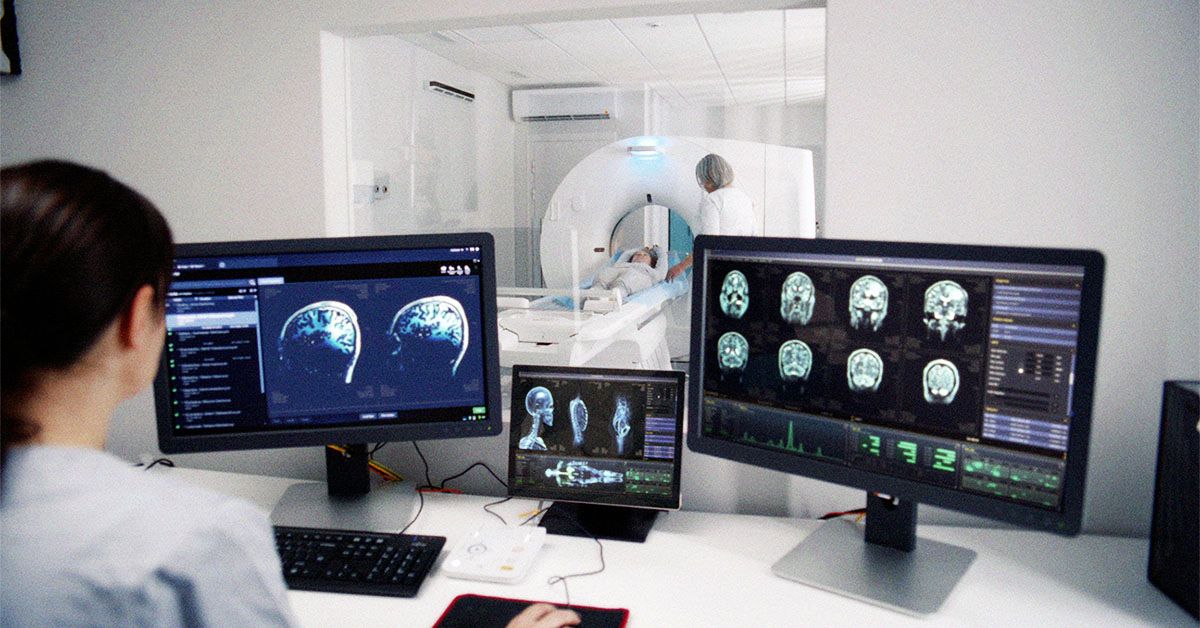
When aphasia appears suddenly, the immediate priority is identifying and treating the cause. Clinicians may perform a neurological examination and order CT or MRI scans to look for a stroke, bleeding, tumor, or other brain injury.
A speech-language pathologist can then assess:
- Conversational fluency and grammar
- Word and object naming
- Understanding of words, questions, and instructions
- Repetition of sounds, words, and sentences
- Reading comprehension
- Writing and spelling
- Use of gestures and alternative communication
The evaluation should consider education, hearing, vision, cultural background, and the languages a person used before the brain injury. Multilingual people may experience different levels of difficulty in each language, depending partly on proficiency and patterns of use.
Treatment and Recovery
Treatment begins with the underlying cause. Stroke care, surgery, infection treatment, tumor management, or other medical interventions may be necessary. Language rehabilitation is commonly provided by a speech-language pathologist.
Therapy may help a person rebuild specific language abilities, practice useful daily conversations, retrieve words, improve reading or writing, and learn alternative ways to communicate. Tools may include notebooks, alphabet boards, picture systems, gestures, smartphone applications, or speech-generating devices.
Family participation can be valuable. Helpful communication habits include speaking in short, adult-level sentences, allowing extra response time, reducing background noise, confirming key information, and offering choices without turning every conversation into a quiz show.
Recovery differs widely. Some people improve substantially, particularly during the early period after a stroke, while others continue to have long-term communication difficulties. PPA is progressive, so therapy generally focuses on maintaining communication, preparing strategies, and supporting quality of life rather than reversing the underlying disease.
Experiences of Living With Different Types of Aphasia
The following scenarios are illustrative composites based on commonly reported communication challenges. They are not accounts of specific patients and should not be used for self-diagnosis.
Knowing the Answer but Being Unable to Say It
A person with Broca’s aphasia may understand a family conversation and have a detailed response ready, yet produce only two or three words. Other people may mistakenly finish every sentence, change the subject, or speak as though the person cannot understand.
A more respectful approach is to pause, maintain normal eye contact, and ask whether assistance is welcome. A notebook, drawing, gesture, or first-letter cue may help. The goal is not to create perfect grammar; it is to let the person participate in the conversation.
Speaking Easily but Missing the Message
Wernicke’s aphasia can create the opposite experience. Words flow, but the message may not match the person’s intention. Family members sometimes assume the speaker is joking, confused, or deliberately avoiding the question.
Repeating the same sentence more loudly rarely solves the problem. It is usually more helpful to slow the exchange, use key written words or pictures, demonstrate an action, and check one idea at a time. Communication becomes less of a debate and more of a cooperative puzzle.
The Exhaustion of Word-Finding Problems
Anomic aphasia may look mild from the outside, yet it can make routine tasks exhausting. Ordering lunch becomes difficult when “sandwich” disappears. Introducing a colleague becomes stressful when a familiar name cannot be retrieved. The word may return five minutes later, when it is no longer invited to the party.
Descriptions can keep the conversation moving: “It is the tool used to open a bottle” may successfully replace “corkscrew.” Communication partners can ask whether the person wants a clue rather than immediately supplying the word.
When Repetition Becomes the Unexpected Obstacle
Someone with conduction aphasia may understand “Please repeat: hospital appointment” but be unable to reproduce the phrase accurately. Repeated attempts can produce different sound errors. Because the person often recognizes the mistakes, frustration may rise quickly.
Breaking the message into shorter pieces, writing it down, or emphasizing rhythm may reduce pressure. A failed repetition does not mean that the person ignored or misunderstood the request.
Adjusting to Severe Aphasia
Global aphasia can initially leave families wondering how to communicate at all. Yes-or-no questions, photographs, objects, facial expressions, pointing, and consistent routines may become important. Communication may be slow, but slow is not the same as meaningless.
Families often learn that success should be measured by whether a need, feeling, or choice was communicatednot by whether every word was spoken correctly. Choosing a shirt, requesting coffee, laughing at a familiar joke, or refusing an unwanted activity are meaningful acts of communication.
Experiencing Gradual Language Loss
Primary progressive aphasia can be especially difficult because changes accumulate over time. At first, a person may cover word-finding gaps with humor or avoid telephone calls. Later, reading, writing, grammar, or word comprehension may become affected.
Early planning can preserve independence. Families may create labeled photo albums, personalized communication books, written routines, voice recordings, and lists of important names or phrases while these tools are easier to develop. Decisions about work, driving, finances, healthcare, and future support are best discussed before communication becomes more limited.
Protecting Dignity During Conversation
One of the most consistent lessons across aphasia experiences is that communication difficulty should not erase adult identity. Speaking loudly, using childish language, excluding the person, or pretending to understand can increase isolation.
Good communication partners acknowledge breakdowns honestly: “I know you are telling me something important. Let’s try another way.” They allow extra time, reduce distractions, use multiple methods, and continue addressing the person directly. Aphasia may change the route a message takes, but it does not make the messageor the messengerless valuable.
Conclusion
The major types of aphasia differ in fluency, comprehension, repetition, naming, reading, and writing. Broca’s aphasia primarily limits fluent expression; Wernicke’s aphasia severely affects understanding; global aphasia disrupts most language abilities; and anomic aphasia prominently affects word retrieval. Conduction and transcortical syndromes have distinctive repetition patterns, while primary progressive aphasia causes language abilities to decline gradually.
These categories help clinicians describe symptoms, but they are not do-it-yourself diagnostic boxes. A complete medical and speech-language evaluation is necessary. Most importantly, sudden trouble speaking or understanding language should be treated as a possible stroke: call 911 immediately, even if the symptoms improve.














