
Toilet paper is essential, but let us be honest: it rarely wins awards for visual drama. Stack a few rolls beside the toilet, and your bathroom can suddenly resemble a warehouse loading dockonly softer and considerably more awkward.
Fortunately, one oversized glass vase can transform those necessary rolls into an intentional decorative feature. The idea is simple: choose a wide, stable vase, clean it thoroughly, fill it with neatly arranged toilet paper, and style the surrounding area so the container looks like part of the room rather than an emergency paper reserve.
This glass vase toilet paper storage project requires no power tools, no advanced crafting skills, and no tense conversation with an instruction manual translated into seventeen languages. It is affordable, renter-friendly, customizable, and useful in bathrooms where cabinets are limited. Better still, the clear glass keeps extra rolls visible, so guests never need to begin an embarrassing scavenger hunt.
Why Use a Glass Vase for Toilet Paper Storage?
A vase is usually associated with flowers, dramatic branches, or the bouquet you promised yourself you would refresh three days ago. However, a large glass vase can also function as an attractive bathroom storage container.
It makes an ordinary item look intentional
Toilet paper packaging is designed for supermarket shelves, not sophisticated bathrooms. Removing rolls from their plastic wrapping and arranging them inside a decorative vessel instantly creates a cleaner presentation. The rolls remain recognizable and accessible, but the overall effect feels curated.
It uses vertical space efficiently
Many small bathrooms have narrow strips of unused floor space beside the toilet, vanity, or linen cabinet. A tall vase takes advantage of that vertical area without requiring a wide basket or bulky freestanding cabinet. Depending on its diameter and height, a vessel may hold three to six standard rolls while occupying relatively little floor space.
It works with many decorating styles
Clear cylindrical glass suits modern, minimalist, coastal, farmhouse, transitional, and spa-inspired bathrooms. Smoked glass creates a moodier effect, while amber or green glass adds vintage personality. A ribbed vase introduces texture, and an apothecary-style vessel can make the arrangement feel pleasantly old-fashioned.
It helps guests find supplies immediately
Beautiful storage should not require detective work. Because glass is transparent, visitors can see exactly where the spare rolls are. No cabinet opening, drawer rattling, or nervous calling through the door is necessary.
What You Will Need
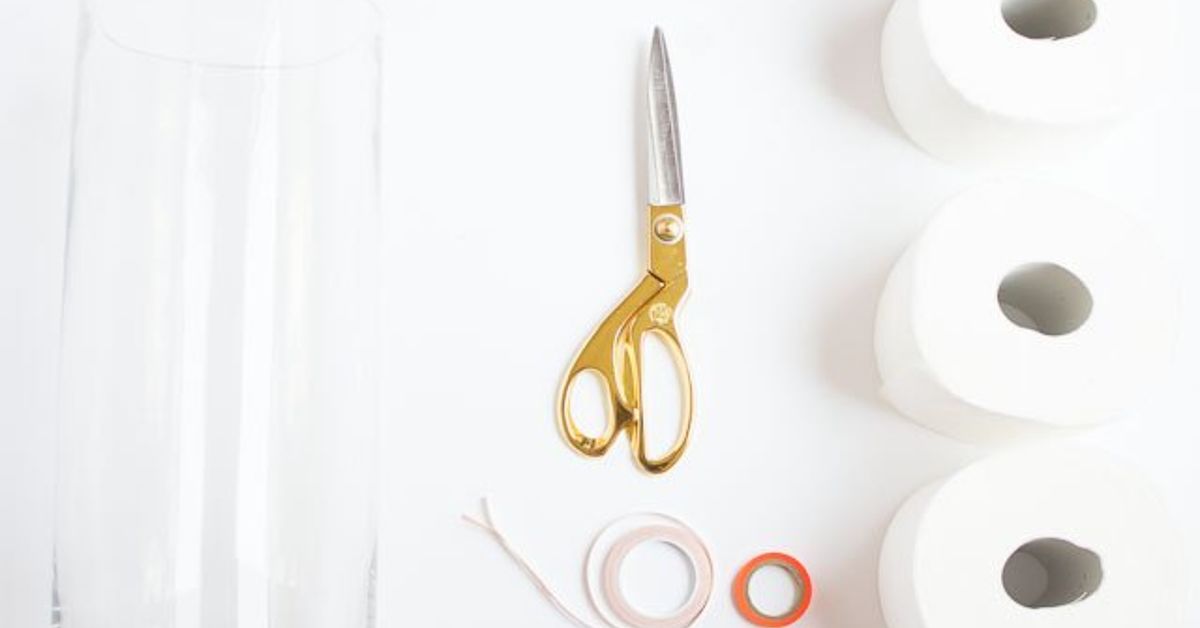
- One large, wide-mouth glass vase or glass cylinder
- Three to six toilet paper rolls, depending on vase size
- Mild dish soap
- A soft sponge or bottle brush
- A lint-free or microfiber cloth
- Optional white vinegar for mineral deposits
- Optional clear rubber feet or felt furniture pads
- Optional ribbon, vinyl decal, paint marker, tray, or decorative tag
The entire project may cost very little if you already own a suitable vase. Thrift stores, estate sales, discount home stores, and neighborhood resale groups are also excellent places to find oversized glass vessels. A vase with minor surface wear can still work well, but avoid anything chipped, cracked, or unstable.
How to Choose the Right Glass Vase
Measure the toilet paper first
Do not buy a vase based on hope and attractive store lighting. Measure the diameter and width of the rolls you normally purchase. Standard, double, mega, and super-mega rolls can differ significantly, and a vase that holds one product comfortably may reject another like an exclusive nightclub.
For a simple vertical stack, the inside diameter of the vase should be slightly wider than the roll. Allow enough clearance to lift each roll without scraping your knuckles against the glass. If you want to arrange rolls at angles or in two columns, bring your measurementsor a clean sample rollwhen shopping.
Prioritize a wide, heavy base
Glass is attractive, but it is not forgiving when introduced to tile at high speed. Choose a vase with a broad, flat bottom and enough weight to resist tipping. Avoid delicate pedestal bases, sharply tapered bottoms, and extremely thin glass if the container will sit in a busy family bathroom.
Look for an open mouth
A narrow-neck vase may be beautiful with tulips but frustrating with toilet paper. The opening should be wide enough for effortless loading and removal. Straight-sided cylinders are particularly convenient because their interior width remains consistent from top to bottom.
Select a practical height
A tall vase can hold more rolls, but taller is not automatically better. The top roll should remain easy to reach without tipping the vessel or inserting an entire arm. In a powder room, a container holding two or three rolls may be sufficient. A frequently used family bathroom may benefit from a larger vessel that holds four to six.
Step-by-Step: Turn the Vase Into Toilet Paper Storage
Step 1: Inspect the glass carefully
Run a finger cautiously around the rim and examine the vase under bright light. Do not use a vessel with cracks, deep chips, or sharp edges. Minor bubbles created during manufacturing are usually cosmetic, but spreading lines or damaged rims are warning signs.
Step 2: Remove labels and residue
Soak stubborn paper labels with warm, soapy water. Peel away as much material as possible, then gently loosen remaining adhesive with a nonabrasive cloth. Avoid metal scrapers, harsh scouring pads, and aggressive tools that may scratch the glass.
Step 3: Wash the vase
Use mild dish soap, warm water, and a soft sponge or bottle brush. If the vase has cloudy mineral deposits, white vinegar can help loosen the film. Rinse thoroughly so no cleaner remains inside.
Dry the vase completely with a lint-free cloth. Moisture trapped beneath paper products is an invitation to soggy edges, unpleasant odors, and general bathroom disappointment. Allow a narrow vase to air-dry upside down if the base is difficult to reach.
Step 4: Add protective feet
Clear rubber bumpers or small felt pads can reduce sliding and prevent the bottom from scraping a vanity, shelf, or finished floor. Rubber feet are generally more practical on tile because they improve grip. Attach them evenly so the vase does not wobble.
Step 5: Load the toilet paper
Place the rolls inside with the circular openings facing upward for a simple, orderly stack. For a wider vase, experiment with a staggered arrangement. Keep the presentation neat, but do not compress the rolls so tightly that removing one becomes a strength-training exercise.
Step 6: Position the container safely
Place the vase where it is visible and reachable but unlikely to be kicked, bumped by a door, or splashed by the shower. A corner beside the toilet, a low open shelf, or a protected section of the vanity can work well.
Keep it away from narrow walkways and avoid balancing it on the toilet tank. A tank lid may shift, and plumbing sometimes requires quick access. Your stylish storage should assist the bathroom, not complicate its maintenance.
Ways to Make the Vase Look More Expensive
Create a coordinated base
Set the vase on a small wood, stone, ceramic, or metal tray. A tray visually anchors the container and makes the display feel deliberate. Coordinate its finish with the bathroom hardware: brushed brass for warm metallic fixtures, matte black for modern rooms, or pale wood for a relaxed spa look.
Add a subtle label
A small waterproof tag reading “Extra Rolls,” “Paper,” or “Guest Supplies” can add personality. Keep the label simple. A giant script decal announcing “TOILET PAPER” is technically informative, but the contents have already solved that mystery.
Use removable decoration
Tie cotton cord, velvet ribbon, jute, or a narrow leather strip around the upper portion of the vase. This introduces color and texture without permanently altering the glass. Choose washable or moisture-tolerant materials, particularly in a full bathroom with frequent showers.
Coordinate neighboring accessories
Repeat the vase’s visual language elsewhere. Pair clear glass with a glass soap dispenser, acrylic tray, or mirrored accessory. Match amber glass with warm wood and brass. A few repeated finishes help the toilet paper holder belong to the room instead of appearing as a vase that took a wrong turn.
Keep the styling restrained
The rolls themselves create a graphic pattern of circles and white layers. Too many bows, beads, signs, and artificial flowers can overwhelm the clean shape. One decorative detail is usually enough.
Best Locations for Glass Vase Toilet Paper Storage
Beside the toilet
This is the most convenient location, provided the vase does not narrow the walkway. Leave enough space for cleaning around the toilet and for comfortable movement.
On a low open shelf
A sturdy shelf keeps the vessel away from floor splashes. Confirm that the shelf is deep and strong enough for the vase, especially once several rolls add height and visual weight.
Inside an open linen closet
A clear vase can organize extra rolls while making an exposed closet look polished. This placement also protects the paper from direct shower spray and reduces the chance of accidental impact.
In a guest powder room
Powder rooms are ideal because they typically have less steam than full bathrooms. A smaller vase holding two or three rolls provides practical backup without crowding the room.
Bathroom Humidity and Paper Storage
Bathrooms naturally experience moisture, particularly when showers or baths are used. Even though toilet paper is packaged for bathroom use, unopened bulk supplies are best protected from repeated condensation and direct splashes.
Run the exhaust fan during showers and continue ventilating afterward. Open a window when practical, address plumbing leaks promptly, and avoid placing the vase against surfaces that remain damp. If the room frequently develops fogged mirrors or wet walls, store only a few rolls in the vase and keep the larger supply in a dry closet.
Glass does not absorb humidity like woven storage, but the paper inside certainly can. Check the lowest roll periodically, especially if the vase sits on the floor near a tub, shower, or frequently mopped area.
Cleaning and Maintenance
Dust the outside of the vase weekly with a dry microfiber cloth. During normal bathroom cleaning, remove the rolls and wipe the glass with a slightly damp cloth. Dry it immediately to reduce water spots.
Every month or two, empty and wash the vessel with mild dish soap. White vinegar may be used when hard-water residue appears, followed by a thorough rinse and complete drying. Avoid abrasive powders and rough pads, which can leave scratches that become more visible over time.
Rotate the rolls rather than continuously adding new ones on top. Use the oldest rolls first so the bottom layer does not remain in the vase for months. Replace any roll that feels damp, looks discolored, or has absorbed an unusual odor.
Important Safety Considerations
- Do not use chipped, cracked, or unusually thin glass.
- Choose a broad base that does not rock or lean.
- Keep the vase outside door swings and walking paths.
- Avoid placing it where children or pets may knock it over.
- Do not position it beside a shower opening where the floor becomes slippery.
- Use a non-slip base on smooth tile or polished stone.
- Never force oversized rolls through a narrow rim.
Households with energetic children, large pets, or very tight bathrooms may be better served by acrylic, metal, or woven storage. Style matters, but not enough to turn every bathroom visit into an obstacle course involving breakable glass.
Common Mistakes to Avoid
Buying the vase before measuring the rolls
A beautiful vessel is useless when the opening is half an inch too narrow. Measure both the rolls and the available floor or shelf space before shopping.
Using an unstable decorative vase
Top-heavy silhouettes, pedestal feet, and narrow bases are risky. Select function first, then admire the curves.
Placing paper near constant moisture
Do not set the vase directly beside the bathtub, beneath a dripping towel, or under a window that develops condensation. Toilet paper should be available, not pre-moistened.
Overfilling the vessel
Leave enough room to remove the top roll comfortably. If rolls need to be squeezed, folded, or negotiated with, the vase is too full.
Adding too many decorations
The attraction of this project is its simplicity. An elegant vessel, a neat stack, and one coordinated accent usually look more sophisticated than a full craft-store parade.
Experience Notes: What This Project Is Like in Everyday Use
The most noticeable benefit of this storage idea is how quickly it changes the visual tone of a bathroom. A plastic-wrapped multipack communicates “restocking day.” The same rolls arranged in a clear vase communicate “someone thought about this.” Nothing about the paper has changed, but presentation carries surprising power.
In practical use, a straight-sided cylinder is generally easier to live with than a sculptural vase. Curved vessels may look more artistic, but rolls can become wedged in the narrowest section. A cylinder with a generous opening makes refilling almost effortless: drop in the rolls, straighten the stack, and continue with life.
The first arrangement may require experimentation. Standard rolls often stack cleanly, while oversized rolls can create a tight fit. Some wide vases look best with rolls placed vertically; others allow a staggered pattern that feels more decorative. Testing the vase with the brand normally used at home prevents future frustration.
Placement also matters more than expected. A vase positioned too close to the toilet may be convenient but vulnerable to shoes, cleaning tools, or an aggressively swung bath towel. Moving it a few inches into a protected corner can make the setup feel safer without reducing accessibility.
A non-slip base is one of the least glamorous additions and one of the most useful. On smooth tile, bare glass may slide slightly during cleaning or when a roll is removed. Small transparent rubber feet are barely visible, yet they make the container feel much more secure.
Another practical discovery is that clear storage encourages better inventory habits. Because the supply is visible, it becomes easy to notice when only one roll remains. Hidden toilet paper has a mysterious ability to disappear at the exact moment everyone assumes somebody else purchased more. The vase eliminates that surprise.
Cleaning is straightforward when the container is not overdecorated. A removable ribbon or tag is easier to manage than permanently attached rope, shells, artificial moss, or layered embellishments. Bathrooms collect dust, hair, moisture, and product residue, so simple surfaces are a gift to the person holding the cleaning cloth.
The project works especially well in guest bathrooms. Visitors immediately recognize the backup supply, while the homeowner avoids filling a small vanity with bulky paper products. Two or three rolls are usually enough for a powder room, allowing a modest vessel to provide both organization and decoration.
Full family bathrooms require slightly more attention. Steam can soften paper over time, even when the rolls are not visibly wet. Keeping only a short-term supply in the vase and storing the main multipack elsewhere produces the best balance. The displayed rolls remain fresh, and the container never looks overcrowded.
Styling tends to improve when the vase coordinates with one or two nearby details rather than every object in the room. For example, a clear vessel on a small wood tray may echo a wood-framed mirror. An amber vase can relate to brass hardware or warm-toned towels. These subtle connections make the storage feel integrated without creating a matching-set showroom.
Perhaps the most satisfying part of the experience is that the project asks very little from the maker. There is no drilling, sawing, sanding, or permanent installation. Renters can use it without altering walls, and homeowners can move it whenever the layout changes. If the bathroom is redecorated, the vase can return to flowers, hold rolled washcloths, or become storage in another room.
That flexibility makes the idea more than a quick visual trick. It is a useful example of decorating with objects that can perform several jobs over time. The result is practical, attractive, easy to maintain, and just humorous enough to make an ordinary bathroom essential feel like part of the design plan.
Conclusion
Turning a glass vase into chic toilet paper storage is one of those rare DIY projects that is inexpensive, fast, attractive, and genuinely useful. The right vessel turns extra rolls into a clean decorative display while preserving easy access for family members and guests.
Measure your paper, choose stable glass, keep the vase away from splashes and traffic, and resist the urge to decorate it like a parade float. With thoughtful placement and routine cleaning, this simple bathroom storage hack can make even a tiny powder room feel more organized and intentional.
Apparently, toilet paper can look chic. It simply needed better housing.














