
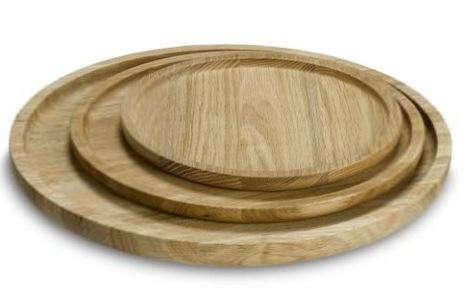
Some kitchen pieces try very hard to be the star of the table. They arrive wearing a bow tie, demanding mood lighting, and silently judging your store-bought crackers. A wood serving platter, on the other hand, is the cool guest who shows up in good boots, brings excellent olives, and somehow makes everyone else look better. That is exactly why the idea behind the wood serving platter from Jamie Oliver still feels relevant today.
When this platter first caught design lovers’ attention, it wasn’t because it was flashy. It was because it looked honest. Useful. Tactile. The sort of piece you could use for bread at lunch, antipasti at dinner, and a dramatic pile of cookies at 10 p.m. when your “light snack” mysteriously turned into an event. That simple appeal is what makes a wood serving board feel timeless. It works hard, looks good, and never seems like it’s trying too hard.
In a world of over-accessorized tabletops and “look but don’t touch” serveware, a wooden platter hits a sweet spot between rustic and refined. It can live on a farmhouse table, a modern marble island, or a city apartment counter the size of a yoga mat. And because it brings natural grain, warmth, and texture to the table, it gives even easy food a little ceremony. Suddenly, cheese cubes aren’t just cheese cubes. They are “a curated grazing moment.” Congratulations to the cheddar on its promotion.
Why the Jamie Oliver Wood Serving Platter Still Works
The original appeal of the Jamie Oliver serving platter was its simplicity. It leaned into natural wood, clean form, and the idea that serving pieces should be as practical as they are beautiful. That design language still lands today because people want tabletop items that can move between cooking, serving, and casual entertaining without feeling precious.
A piece like this also fits neatly into the larger Jamie Oliver style: generous food, unfussy presentation, and serving that invites people to gather around rather than sit stiffly with perfect posture and tiny portions. The platter feels less like a museum object and more like a tool for actual living. That matters. Nobody wants a serving board that looks amazing in photos but acts personally offended by bread crumbs.
Wood also softens a table in a way ceramic and metal sometimes cannot. A wooden serving platter adds visual warmth, makes fruit and cheese look richer, and brings a natural counterbalance to glassware, stoneware, and linens. If your table feels a little cold or overly polished, a wood tabletop serving platter can fix that in about three seconds.
What Makes a Good Wood Serving Platter?
Not all wooden platters are created equal. Some are beautifully grained but too shallow for real use. Some are oversized enough to require their own zip code. The best ones balance material, shape, scale, and maintenance.
1. Great wood grain
The beauty of a wooden serving piece begins with its grain. Whether it is oak, acacia, or mango wood, the surface should have visible variation and character. That is the magic. Tiny knots, tonal shifts, and natural patterns give the platter its personality. Every board looks a little different, which means your tabletop gets something that feels more collected than mass-produced.
2. A useful shape
Long boards are wonderful for antipasti, bruschetta, flatbreads, and dessert lines. Round or oval platters are better for cheese, fruit, or center-of-table grazing setups. A good serving platter should match what you actually like to serve, not just what looks photogenic on social media. If your hosting style is “friends, dips, and whatever can be assembled in 15 minutes,” a broad, stable board will serve you better than something sculptural and fussy.
3. The right size for real life
Bigger is not always better. Yes, an oversized platter looks fabulous. It also has to fit in your cabinet, your sink, and your life. A medium-to-large serving board is often the most practical choice because it can handle a spread without becoming a piece of kitchen furniture. If you entertain often, one long board plus one medium platter is usually a smarter setup than a single giant slab that needs its own parking permit.
4. Easy maintenance
The best wood serving platter is one you will actually keep in good condition. That means hand-washing, drying promptly, and occasionally treating the wood with food-safe oil or board cream. If that sounds like a burden, it really is not. It is more “weekend skincare for your platter” than “high-maintenance wood ritual.”
How to Style a Wood Serving Platter Like a Pro
A serving platter earns its keep when it makes simple food look deliberate. That is where wood shines. The warm tone creates contrast with creamy cheeses, bright citrus, cured meats, olives, herbs, and crusty bread. It also makes casual food feel inviting rather than random.
For a classic setup, start with a few anchor items. Think a wedge of brie, a small bowl of olives, sliced salami, grapes, and crackers. Then layer in color and texture: fresh figs, nuts, pickles, honey, mustard, or a little ramekin of jam. The point is not to create a board so crowded no one can identify what they are eating. The point is balance.
One of the smartest styling tricks is to vary shape and height. Put spreads or olives in small bowls, fan slices of cheese, and let grapes or herbs tumble naturally. The board should look generous, not engineered by a geometry professor. A great platter says, “Please help yourself,” not, “Please admire my parsley symmetry.”
Wooden platters also work beautifully beyond charcuterie. Try one for:
- Warm bread and butter at dinner
- Roasted vegetables with yogurt sauce
- Cookies, brownies, or sliced loaf cake
- Brunch pastries and fruit
- Mini sandwiches for casual lunches
- Holiday appetizers and snack spreads
In other words, the platter is not just for cheese-board season. It is an all-year player.
Wood Serving Platter Care: The Unsexy but Important Part
Let’s talk maintenance, because even the prettiest board can become a warped, thirsty, slightly tragic object if you treat it like a dishwasher-safe superhero. Wood serveware needs a little respect.
Wash it by hand
Always hand-wash your wooden platter with mild soap and warm water. Do not soak it. Do not leave it lounging in a sink full of dishes like it pays rent there. Wash it, rinse it, and dry it promptly.
Dry both sides
A lot of people forget this part. Moisture imbalance can encourage warping, so dry both sides instead of just the one that held the food. A platter that dries evenly stays flatter and lasts longer.
Refresh the surface
Over time, the wood can look dry. That is your cue to apply a food-safe mineral oil or a board cream formulated for wooden kitchen surfaces. This helps moisturize the wood, reduce dryness, and preserve that rich finish that makes the platter so handsome in the first place.
Address stains gently
If the board picks up stains or odors, a little baking soda, coarse salt, or lemon can help freshen it up. No need to go full mad scientist. Gentle cleaning usually does the trick.
Know when a board is for serving only
This is a big one. If you use the same board for raw meat prep and tabletop serving, you are asking for a food-safety lecture from the universe. A platter like this is best treated as serveware, not as an all-purpose raw-protein battlefield. Keep your serving board for breads, cheese, produce, cooked foods, and appetizers, and use separate prep boards for raw meat and poultry.
Why Wood Feels Better on the Table
The charm of a wooden serving platter is not just visual. It changes the mood of service. Ceramic platters can feel formal. Metal trays can feel cold. Plastic trays feel like they gave up on the party before it began. Wood brings a grounded, relaxed energy that makes guests more comfortable reaching in, sharing, and lingering.
That is part of the genius behind the Jamie Oliver tabletop idea. It reflects food as something social and abundant, not overly staged. A wooden platter invites casual generosity. Put bread on it, and it feels farmhouse. Put prosciutto and burrata on it, and it feels chic. Put brownies on it, and suddenly you are the kind of person who deserves compliments for “presentation,” even if the brownies came from a box mix. We love a versatile overachiever.
This flexibility is what makes a Jamie Oliver wood platter such a compelling tabletop reference. It is not trendy in the disposable sense. It is stylish in the durable sense. The look still works because it solves a real problem: how to serve food beautifully without becoming formal, complicated, or annoying.
How to Use a Wood Serving Platter in Modern Homes
One reason wooden serveware has staying power is that it fits modern entertaining habits. More people host casually now. They snack, graze, mingle, and build meals around shared plates. A wooden platter suits that style perfectly because it can hold an antipasto spread one night and act as a fruit-and-pastry brunch board the next morning.
In open kitchens, it also doubles as decor. Lean it against a backsplash, leave it on a shelf, or style it on the counter when not in use. This is especially useful in small spaces where every object has to earn its footprint. If it can serve guests and look handsome while waiting for the next dinner, that is excellent household citizenship.
It also pairs beautifully with layered table settings. Linen napkins, matte ceramics, simple glassware, and one beautiful wood board can make even a low-key meal feel intentional. You do not need twelve accessories and a floral installation worthy of a wedding planner. Sometimes one strong piece is enough.
Buying Advice: Is It Worth It?
If you love to host, appreciate natural materials, or simply want serveware that works harder than the average platter, then yes, a wooden serving piece in this style is absolutely worth it. The value is not just in appearance. It is in usability. It turns ordinary food into a spread, encourages sharing, and transitions easily between everyday meals and special occasions.
The smartest way to buy is to focus less on hype and more on function. Look for durable wood, comfortable size, easy grip, and a finish suitable for food presentation. If a Jamie Oliver-inspired board checks those boxes, you will likely reach for it far more often than a fragile platter that only comes out when your in-laws are visiting and everyone is pretending not to be stressed.
In short, the appeal of the Tabletop: Wood Serving Platter from Jamie Oliver idea is that it makes entertaining feel warmer, easier, and more human. And honestly, that is the kind of kitchen object worth keeping around.
The Experience of Using a Wood Serving Platter: Real-Life Tabletop Moments
Living with a wood serving platter is a little different from admiring one online. In photos, it looks calm, curated, and impossibly clean. In real life, it becomes part of the rhythm of your kitchen. You reach for it when company drops by unexpectedly. You pull it out on holidays when the oven is busy and the counter is chaos. You use it on nights when dinner is nothing more than good bread, a wedge of cheese, sliced pears, and the firm belief that this absolutely counts as a meal.
One of the first things people notice is how much better food looks on wood. Strawberries seem brighter. Crackers look less sad. A pile of roasted carrots suddenly reads as “rustic side dish” instead of “vegetables I almost forgot in the oven.” The platter creates contrast and warmth in a way that makes simple ingredients feel considered. It is one of those rare kitchen pieces that improves presentation without demanding extra effort from the cook.
There is also a tactile pleasure to it. Wood feels substantial. It has weight, texture, and presence. Carrying a loaded wooden board to the table feels more grounded than carrying a flimsy tray that flexes under pressure and makes you question your grip, your upper-body strength, and several of your recent life choices. A good board feels stable, and that confidence matters when you are navigating a crowded kitchen.
Over time, the platter tends to collect memories. It becomes the board for birthday pastries, late-summer tomatoes, holiday cookies, and Friday-night snacks eaten in front of a movie nobody fully agrees on. Tiny marks and subtle color changes do not necessarily ruin it; they often make it feel lived in. Unlike precious serveware that must remain perfect, a wooden platter ages with a little grace. It develops character, which is a lovely way of saying, “Yes, this thing has seen some brie.”
It also changes how people gather. Put food on plates, and guests wait to be served. Put food on a wooden platter in the center of the table, and people lean in. They point. They ask what that jam is. They steal the good olives. The board encourages movement and conversation. It creates a casual, communal atmosphere that feels more relaxed than plated appetizers and much more charming than tearing open snack packaging straight from the pantry.
Of course, ownership comes with tiny responsibilities. You learn not to leave it wet. You learn that hand-washing takes one minute and saves years of wear. You learn that oiling the board occasionally is worth it because the surface goes from dull to handsome almost instantly. And eventually, these tasks do not feel annoying. They feel like the normal care you give to a useful object that earns its place in your kitchen.
In the end, the best experience of all is this: a wooden serving platter never feels one-note. It can be elegant, rustic, relaxed, or festive depending on what you put on it. That flexibility is what makes it so satisfying to own. It is not just a board. It is a stage for everyday abundance, and that is a pretty wonderful thing to keep on hand.
Conclusion
The enduring appeal of the wood serving platter from Jamie Oliver comes down to three things: natural beauty, everyday usefulness, and easygoing style. It is the kind of tabletop piece that makes food look better, hosting feel easier, and the whole table seem warmer without trying too hard.
Whether you use one for antipasti, dessert, brunch spreads, or low-effort weeknight nibbling, a wooden platter brings texture, character, and practicality to the table. It asks for a little care, but it gives back a lot in flexibility and visual charm. In other words, it is not just pretty wood. It is a quietly brilliant serving essential.













