
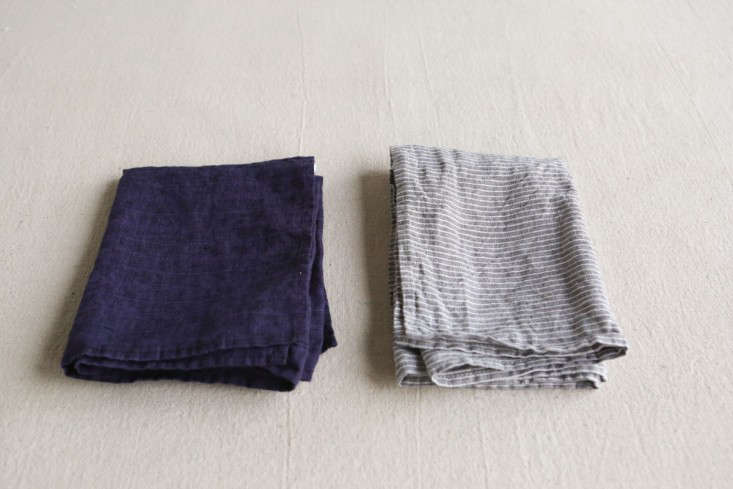
A linen kitchen towel sounds like a small thing until you actually use one. Then, suddenly, the humble towel becomes the quiet overachiever of the kitchen: drying glasses without fuzz, covering warm bread like a farmhouse postcard, rescuing counters from coffee drips, and looking stylish while doing the emotional labor of cleanup. The real question is not whether a linen kitchen towel belongs in your home. It does. The real debate is more dramatic: should you choose the grey stripe or the dark purple stripe?
Both versions bring the same practical linen benefits: natural texture, long-lasting fibers, quick drying, and a relaxed elegance that says, “Yes, I cook, and yes, I know where the good olive oil is.” But color changes the mood. A grey stripe linen kitchen towel feels crisp, neutral, and timeless. A dark purple stripe linen kitchen towel feels richer, warmer, and a little more expressive. One is the calm friend who labels pantry jars. The other is the friend who brings fig jam to a cheese board.
This guide explores how linen kitchen towels work, why stripes are such a smart design choice, how grey and dark purple compare, and how to care for linen so it keeps getting better with age. We will also look at real-life ways to use these towels, from drying dishes to styling open shelving, because a good towel should not be locked in a drawer like a tiny fabric secret.
What Makes a Linen Kitchen Towel Special?
Linen is made from flax fibers, and flax has a reputation for strength, breathability, and a naturally crisp hand-feel. In kitchen towel form, those qualities matter. A good linen dish towel can absorb moisture, dry quickly between uses, and resist the limp, sour-smelling fate that haunts many overworked towels. Linen also tends to become softer over time, which means the towel you buy today may feel even better after repeated washing.
Unlike thick terry towels, linen towels are usually flatter and lighter. That makes them especially useful for drying glassware, polishing serving pieces, covering dough, lining a bread basket, or wrapping herbs. They are not meant to behave like a bath towel that accidentally wandered into the kitchen. Their strength is precision: smooth drying, low lint, fast air drying, and a clean look when hung from an oven handle or hook.
Linen vs. Cotton Kitchen Towels
Cotton kitchen towels are soft, familiar, and often very absorbent. They are excellent for big spills and heavy-duty wiping. Linen, however, shines when you want a towel that dries quickly, looks refined, and handles repeated use without feeling bulky. Many homes benefit from both: cotton for the splashy disasters, linen for dishes, hands, bread, hosting, and display.
Think of cotton as the enthusiastic helper who says, “I got it!” when soup spills. Think of linen as the composed professional who quietly makes your wine glasses sparkle. Both are useful. But linen brings a more polished personality to everyday kitchen work.
Why Stripes Work So Well in Kitchen Towels
Stripes are classic for a reason. They add visual structure without overwhelming the room. A striped linen kitchen towel can fit into farmhouse, modern, coastal, Scandinavian, transitional, rustic, or traditional kitchens. It looks intentional without trying too hard, which is the sweet spot for kitchen decor.
Stripes also help hide light wear and small marks better than a completely plain towel. In a working kitchen, that matters. A towel near the sink will meet coffee, tomato sauce, flour, lemon juice, and the mysterious countertop crumb that nobody admits creating. A striped pattern gives the eye something to follow, making the towel look fresh longer between washes.
Grey Stripe Linen Kitchen Towel: Clean, Calm, and Classic
The grey stripe version is the safest choice in the best possible way. Grey is neutral, flexible, and easy to pair with most kitchen palettes. It works with white cabinets, black hardware, marble counters, butcher block, stainless steel appliances, warm wood shelves, and even colorful tile. If your kitchen already has a lot going on, grey brings balance.
Best Kitchen Styles for Grey Stripe
A grey stripe linen kitchen towel is especially strong in modern farmhouse kitchens, minimalist spaces, black-and-white kitchens, and neutral interiors. It can also soften industrial kitchens with concrete, steel, or matte black finishes. The stripe adds enough pattern to keep the towel from looking plain, while the grey keeps everything calm and coordinated.
If your kitchen uses white, cream, charcoal, beige, greige, walnut, oak, or stainless steel, grey stripe is almost impossible to mess up. It is the kitchen towel equivalent of a well-cut white shirt: simple, useful, and quietly stylish.
When Grey Stripe Is the Better Choice
Choose grey stripe if you want a towel that blends easily with existing decor. It is also ideal if you are buying towels as a gift and do not know the recipient’s kitchen colors. Grey feels universal without being boring. It is tasteful, practical, and unlikely to clash with seasonal decorations.
Grey stripe also photographs beautifully for food styling. If you like taking pictures of fresh bread, coffee, homemade pasta, or a “casual” brunch that took three hours to arrange, grey linen provides a subtle backdrop. It does not fight the food for attention, which is more than can be said for certain loud placemats from 2009.
Dark Purple Stripe Linen Kitchen Towel: Rich, Warm, and Unexpected
The dark purple stripe version has more personality. It still feels grounded because the base linen keeps it natural, but the purple stripe adds depth. Dark purple can read as plum, aubergine, wine, berry, or muted lavender depending on the shade and lighting. In a kitchen, that can be surprisingly elegant.
Best Kitchen Styles for Dark Purple Stripe
Dark purple stripe works well in kitchens with warm woods, brass hardware, cream cabinetry, natural stone, terracotta, dark green accents, navy cabinets, or vintage-inspired details. It is also a beautiful choice for fall and winter styling because it brings a cozy, harvest-table mood without screaming “seasonal decor aisle.”
If your kitchen already includes jewel tones, berry shades, antique brass, walnut, or moody paint colors, dark purple stripe can feel intentional and upscale. It is a small accent, but small accents are how kitchens gain character without requiring a renovation budget and a support group.
When Dark Purple Stripe Is the Better Choice
Choose dark purple stripe if you want your linen kitchen towel to stand out a little. It is still practical, but it feels more decorative than grey. It can make open shelving look styled, add richness to a neutral kitchen, or bring warmth to a white kitchen that feels a bit too sterile.
Dark purple is also excellent for entertaining. Use it to line a bread basket, wrap a bottle of wine, layer under a cheese board, or place beside a dessert station. It gives the table a more curated look, as if you planned everything on purpose instead of panic-cleaning thirty minutes before guests arrived.
Grey Stripe vs. Dark Purple Stripe: Which One Should You Buy?
| Feature | Grey Stripe | Dark Purple Stripe |
|---|---|---|
| Overall mood | Clean, neutral, timeless | Rich, warm, expressive |
| Best for | Everyday use, gifting, minimalist kitchens | Accent styling, hosting, cozy kitchens |
| Color flexibility | Very high | Moderate to high |
| Decor impact | Subtle and polished | More noticeable and artistic |
| Best pairings | White, black, stainless steel, wood, marble | Cream, brass, walnut, green, navy, stone |
If you want one towel that fits everywhere, choose grey stripe. If you want one towel that feels special, choose dark purple stripe. If you want the truly correct answer, buy both and rotate them. That is not indecision; that is textile strategy.
Practical Uses for a Linen Kitchen Towel
Drying Dishes and Glassware
Linen is excellent for drying glassware because it tends to leave less lint than many fluffy towels. Use a clean, dry linen towel for wine glasses, water glasses, plates, and serving pieces. For best results, keep one towel dedicated to drying clean dishes and another for hands or spills.
Covering Dough or Fresh Bread
A linen kitchen towel is perfect for covering rising dough or warm bread. It protects food from dust while allowing airflow. The fabric is breathable, so it does not trap steam the same way plastic wrap can. The result is practical and charming, which is exactly the energy homemade bread deserves.
Wrapping Herbs or Produce
Lightly damp linen can help wrap herbs or leafy greens before refrigeration. It keeps them protected without sealing them in plastic. This use is especially helpful for parsley, cilantro, dill, lettuce, and other greens that appreciate moisture but dislike suffocation.
Serving and Styling
Use a grey stripe towel under a coffee tray for a clean breakfast look. Use a dark purple stripe towel beneath roasted figs, bread, or dessert for a warmer, more dramatic mood. Linen towels are practical enough to work and attractive enough to be seen, which makes them one of the most useful styling tools in the kitchen.
How to Care for Linen Kitchen Towels
Linen is durable, but good care keeps it looking and feeling better. Wash linen kitchen towels in cool or lukewarm water with a mild detergent. Avoid bleach, which can weaken fibers and alter color. Avoid heavy fabric softeners, too, because they can leave residue that reduces absorbency. Linen does not need to be babied, but it does appreciate not being treated like a garage rag.
Air drying is ideal when you have time. If you use a dryer, choose low heat and remove the towels while slightly damp to reduce harsh creasing. Linen wrinkles naturally, and that relaxed texture is part of its charm. If you want a smoother look for entertaining, iron while the towel is still a little damp.
How Often Should You Wash Kitchen Towels?
Kitchen towels should be washed frequently, especially if they are used for hands, spills, or food prep. A towel used only for clean dishes may last longer between washes, but towels used around raw ingredients, heavy moisture, or sticky counters should go straight to the laundry. When in doubt, wash it. Kitchens are magical places, but they are also splash zones with snacks.
How to Style Grey and Dark Purple Stripe Towels Together
Pairing grey stripe and dark purple stripe towels creates a layered look. Grey acts as the neutral base, while dark purple provides depth. Hang the grey towel on the oven handle for everyday polish and fold the purple towel near a coffee station, bread board, or open shelf for contrast.
For a clean look, use grey stripe with white ceramics, clear glass, stainless steel, and pale wood. For a richer look, use dark purple stripe with dark cutting boards, brass utensils, stoneware mugs, and deep green plants. Together, they create a kitchen palette that feels collected rather than matched from a single package.
Buying Tips: What to Look for in a Linen Kitchen Towel
Check the Fabric Content
Look for 100% linen if you want the full linen experience: crisp texture, fast drying, and a naturally relaxed look. Linen blends can also be useful, especially if they include cotton for softness, but they may behave differently in absorbency, drying speed, and texture.
Look at the Size
A practical kitchen towel should be large enough to dry dishes or cover bread but not so huge that it drags into sink water or becomes a countertop cape. Common kitchen towel sizes often fall around 18 by 28 inches, though dimensions vary. Choose based on how you plan to use it.
Consider the Weave
A flat-weave linen towel is great for polishing and drying. A waffle or textured weave may feel more absorbent but can be bulkier. For a stripe linen kitchen towel, a smooth or lightly textured weave usually gives the best balance of function and visual appeal.
Inspect the Stitching
Strong hems matter. Kitchen towels are washed often, tugged from hooks, folded, unfolded, and occasionally used to rescue a hot pan in a moment of poor planning. Clean stitching and reinforced edges help the towel last longer.
Are Linen Kitchen Towels Worth It?
Yes, if you value durability, quick drying, natural fibers, and a more polished kitchen look. Linen kitchen towels usually cost more than basic cotton towels, but they can last a long time with proper care. They also serve multiple roles: dish towel, tea towel, bread cloth, produce wrap, tray liner, gift wrap, and decor accent.
The best part is that linen does not need to look perfect. Its wrinkles, texture, and slubs give it character. In fact, a linen towel often looks better when it is slightly rumpled. That is wonderful news for anyone who enjoys beautiful things but has no interest in ironing kitchen towels on a Tuesday.
Real-Life Experience: Living With Grey Stripe and Dark Purple Stripe Linen Kitchen Towels
The first thing you notice when using a linen kitchen towel is that it feels different from a fluffy cotton towel. It is lighter, drier to the touch, and a little crisp at first. The grey stripe version feels instantly at home in a busy kitchen. It hangs neatly, looks clean even when the counter is full of coffee mugs, and does not demand attention. If you have a white or wood kitchen, the grey stripe towel blends in so smoothly that it looks like it has always been there.
In everyday use, grey stripe is the towel I would reach for after washing breakfast dishes. It works well with glassware, plates, and hands. It also looks good tossed over a mixing bowl while pancake batter rests. It has that calm “Saturday morning” look: coffee brewing, sunlight on the counter, and one person pretending the sink will clean itself.
The dark purple stripe towel creates a different feeling. It still works just as hard, but it feels more decorative. When placed under a loaf of bread or folded beside a wooden cutting board, it gives the kitchen a warmer personality. It is especially lovely in the evening, when the lights are softer and the kitchen shifts from work zone to gathering place. The purple stripe makes simple food look more intentional: roasted vegetables, a bowl of grapes, a stack of napkins, a cheese plate, or even a humble batch of cookies.
After repeated washing, both towels become softer and more relaxed. The edges may wrinkle a bit, and the fabric may develop that lived-in linen texture people either love immediately or learn to love after realizing it means they do not have to chase perfection. The grey stripe remains the everyday hero. The dark purple stripe becomes the accent piece that makes the kitchen feel styled with almost no effort.
If you cook often, the best system is to assign towels by task. Keep one linen towel for clean dishes, one for hands, and a separate cotton or utility cloth for messy spills. This prevents your pretty linen towel from becoming the designated tomato-sauce emergency responder. Linen can handle real work, but there is no need to send your nicest towel into battle every time a jar of marinara gets ambitious.
For small kitchens, linen towels are also a clever decor tool. You may not have room for extra art, shelves, or countertop accessories, but you always have room for a beautiful towel. A grey stripe towel makes the space look tidy. A dark purple stripe towel adds personality. Rotating between the two can refresh the kitchen without buying new hardware, paint, or appliances. That is a tiny upgrade with a big mood shift.
The final experience-based verdict is simple: grey stripe is the daily classic; dark purple stripe is the stylish accent. Grey is what you choose when you want everything to look clean and coordinated. Dark purple is what you choose when you want the kitchen to feel a little richer, warmer, and more personal. Together, they cover nearly every kitchen moment, from drying a cereal bowl to serving guests something that came out of the oven looking far more impressive than expected.
Conclusion: Grey Stripe or Dark Purple Stripe?
A linen kitchen towel is more than a rectangle of fabric. It is a hardworking kitchen tool, a reusable alternative to endless disposable wiping, and a small design detail that can make the whole room feel more finished. The grey stripe linen kitchen towel is the best choice for minimalists, neutral kitchens, everyday use, and easy gifting. The dark purple stripe linen kitchen towel is ideal for people who want warmth, depth, and a slightly more distinctive accent.
If you want one towel, choose the color that matches your kitchen personality. If your style is clean, calm, and classic, go grey. If your style is cozy, expressive, and a bit more dramatic, go dark purple. If your kitchen contains both weekday coffee and weekend cheese boards, choose both. Your dishes will not complain, and your oven handle will look fantastic.













