
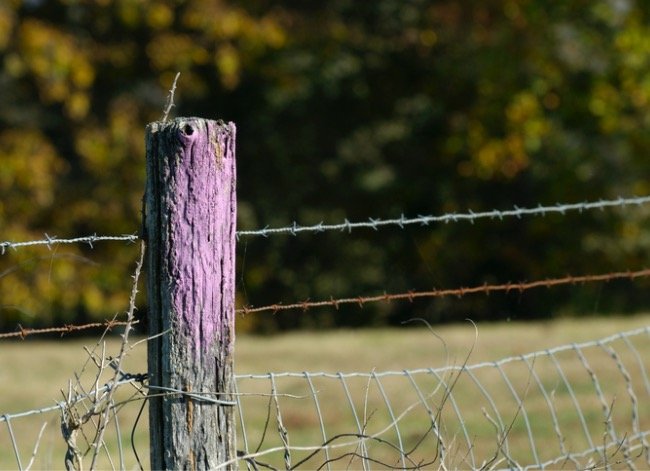
Note: Purple paint laws vary by state, county, and land-use situation. This article explains the general meaning in many parts of the United States, but landowners and visitors should always verify local rules before relying on purple paint alone.
Introduction: When a Fence Is More Than a Fence
A purple fence may look like a bold design choice from someone who owns both a paint sprayer and an impressive amount of confidence. But in many U.S. states, that streak of purple on a fence post, tree, or boundary marker is not there to match the lavender in the garden. It means something far more practical: No Trespassing, or in some states, Access by Permission Only.
The purple fence meaning has become one of those bits of rural knowledge that can save hikers, hunters, dog walkers, mushroom foragers, and curious shortcut-takers from an awkward conversationor worse, a trespassing charge. Instead of putting up dozens of “No Trespassing” signs that fade, fall, blow away, get stolen, or become target practice for someone with too much free time, landowners can use purple paint to mark private property boundaries.
That little purple stripe is a legal notice in many states. It is the landowner’s way of saying, “This land is private. Please turn around. No, really. The deer are not your tour guides.”
What Does a Purple Fence Mean?
In many states with a purple paint law, purple markings on fences, trees, posts, or stones signal that the property is privately owned and entry is restricted. The exact legal meaning depends on state law. In some places, purple paint is treated like a “No Trespassing” sign. In others, it may specifically restrict hunting, fishing, trapping, or outdoor access without permission.
The basic idea is simple: if you see purple paint on a boundary marker, do not cross unless you have clear permission from the landowner. Think of it as a quiet sign that does not shout but still has legal teeth.
Purple Paint Is Not Just Decoration
People sometimes mistake a purple fence post for a quirky design feature. After all, homeowners paint front doors turquoise, barns red, and porch ceilings blue. Why not fence posts purple? But when purple paint appears in vertical lines along property edgesespecially in rural, wooded, farming, or hunting areasit is usually not a decorative flourish. It is a boundary notice.
For visitors, the safest interpretation is: purple means stop, check, and do not enter without permission.
Why Purple? The Color Was Not Chosen by Accident
Purple stands out in natural landscapes. It is not easily confused with bark, leaves, soil, grass, snow, or common trail blazes. It is also not a standard forestry marking color in many areas, which helps reduce confusion between property posting and timber-management markings.
Another advantage is visibility. A bright purple mark can be spotted from a reasonable distance when placed correctly. It also lasts longer than paper signs, especially when applied with exterior-grade paint. Rain may bully paper. Wind may slap signs around. The sun may fade ink into ghostly sadness. But a proper stripe of boundary paint can hold up much better with routine maintenance.
In short, purple is noticeable, durable, and legally useful. Not bad for a color that also has to carry the emotional baggage of grape candy.
How Purple Paint Laws Work
Purple paint laws allow property owners to mark land boundaries with specific paint markings instead of, or sometimes in addition to, traditional posted signs. The details vary, but many state rules share common requirements.
Common Purple Paint Requirements
Although each state writes its own rules, many purple paint laws require marks to be vertical lines. A common standard is a stripe at least eight inches long and at least one inch wide. The bottom of the stripe is often required to be between three and five feet from the ground, making it visible to a person approaching the property.
Spacing also matters. Some states require paint marks every 100 feet in wooded areas. Others allow wider spacing in open land. Certain laws require markings at entrances, gates, road access points, or obvious paths onto the property. The point is not to hide the warning like a legal Easter egg. The marks must be reasonably visible.
Paint Placement Matters
A random splash of purple on a fence does not always create a valid legal notice. To work as intended, the marking usually needs to follow state rules for size, height, spacing, and visibility. Landowners should avoid casual “close enough” marking if they want the paint to carry legal weight.
For example, painting one tiny purple dot behind a bush and calling it a day is not wise. That is not property management; that is a scavenger hunt with court documents.
States Where Purple Paint May Carry Legal Meaning
Purple paint laws have been adopted in many parts of the United States, especially in states with significant rural land, farmland, forestland, hunting areas, or large private properties. States commonly associated with purple paint laws include Arkansas, Texas, Missouri, Indiana, Pennsylvania, Maine, North Carolina, South Carolina, Tennessee, Illinois, Kansas, Alabama, Arizona, Florida, Idaho, Iowa, Louisiana, Maryland, Montana, New Hampshire, Virginia, and West Virginia.
However, this list can change as legislatures update trespass laws. Also, the meaning is not identical in every state. A purple mark in Texas may carry broader no-trespassing meaning, while in some other states the law may relate more specifically to hunting, fishing, trapping, or access by permission.
That is why both landowners and visitors should check state statutes, wildlife agency guidance, or local legal resources before assuming that every purple mark means the exact same thing everywhere.
Purple Fence vs. No Trespassing Sign
The purple fence meaning is closely tied to the traditional “No Trespassing” sign. Both tools communicate that the property is private and unauthorized entry is not allowed. But purple paint has a few advantages that make it popular with landowners.
Signs Can Disappear
Signs are useful, but they are not invincible. They can be torn down, stolen, shot, faded by weather, covered by vegetation, or knocked crooked by wind. A sign that once said “No Trespassing” may eventually look like “No Tresp” which is less legally poetic than anyone wants.
Purple paint is harder to remove accidentally. A properly applied stripe on a fence post or tree can last through seasons of rain, snow, heat, and wind. It still needs maintenance, but it usually requires less attention than paper or metal signs.
Paint Can Be Cheaper
For large rural properties, posting signs around an entire boundary can become expensive. A landowner may need dozens or hundreds of signs, plus hardware, posts, and time. Purple paint is often cheaper and easier to apply across long boundaries.
Paint Reduces Tree Damage
When signs are nailed directly into trees, they can damage the tree and create problems for future timber cutting. Paint avoids nails and staples. For landowners who care about forest health, that is a quiet but meaningful advantage.
What Should You Do If You See Purple Paint?
If you are hiking, hunting, walking, riding an ATV, scouting land, looking for a shortcut, or simply wandering because your phone’s map app has betrayed you, treat purple paint as a warning.
Stop and Turn Around
The safest response is to stop before crossing the boundary. Do not step over the fence, pass the gate, duck under wire, or continue down a private trail. If you are unsure whether the purple mark applies to the area ahead, assume it does until you can confirm otherwise.
Ask for Permission
Some landowners allow access for hunting, fishing, hiking, horseback riding, foraging, or retrieving a dog, but they want people to ask first. Permission protects both sides. The visitor knows where they can go, and the landowner knows who is on the property.
Do Not Assume “No Sign” Means “Open Land”
In states with purple paint laws, the paint may replace posted signs. If you see purple paint but no sign, that does not mean the property is open. The paint may be the sign.
Why Landowners Use Purple Paint
Landowners use purple paint for practical reasons. It is not usually about being unfriendly. In many cases, it is about safety, liability, privacy, livestock protection, crop protection, wildlife management, or preventing damage.
Safety Comes First
Rural property can contain hazards that visitors may not recognize: livestock, electric fencing, irrigation equipment, old wells, hunting blinds, steep terrain, logging areas, farm machinery, ponds, unstable structures, or working dogs that take their job extremely seriously.
A landowner who marks a boundary may be trying to prevent accidents. They may also be reducing the chance that someone wanders into an active hunting area or crosses land where vehicles, animals, or equipment are operating.
Privacy Still Matters
Private land is private land, even when it looks peaceful, empty, or inviting. A field without a house on it is not automatically public. A wooded trail does not become a community park because it has nice shade. Purple paint helps landowners say “private property” without installing a billboard every few yards.
Wildlife and Land Management
Some properties are managed for hunting leases, conservation, timber, livestock, or crops. Unauthorized access can disturb wildlife, damage fences, spread invasive seeds, leave trash, or interfere with planned land use. Purple paint provides a low-maintenance boundary signal that helps protect that work.
Common Misunderstandings About Purple Fences
Misunderstanding 1: A Purple Fence Means the Whole Fence Is Decorative
Not always. If the purple appears as repeated vertical marks along a boundary, it may be a legal notice. A fully painted purple garden fence in a suburban front yard may simply be a style choice. Context matters.
Misunderstanding 2: Purple Paint Means Danger
Purple paint does not necessarily mean the land is dangerous. It means access is restricted. The reason could be safety, privacy, farming, hunting, or simple property rights.
Misunderstanding 3: Purple Paint Applies Everywhere in the U.S.
No. Not every state has a purple paint law. Some states still rely mainly on signs, fencing, verbal notice, or other posting requirements. Travelers should not assume the law is universal.
Misunderstanding 4: Any Purple Mark Counts
Usually, no. Legal purple paint markings often must meet specific rules. Size, height, spacing, location, and visibility can all matter. A sloppy paint smear may communicate an intention, but it may not satisfy the law.
How Landowners Can Use Purple Paint Responsibly
If you own land and want to use purple paint for no trespassing notice, start by checking your state and local requirements. Do not rely on a social media post, a neighbor’s memory, or Uncle Ray’s confident explanation from 1998. Laws change, and Uncle Ray also thinks every mushroom is “probably fine.”
Use the Right Paint
Choose durable exterior paint designed for outdoor exposure. In some areas, rules may specify a particular shade such as safety purple or an equivalent. Hardware stores in rural areas may sell paint labeled for boundary marking or no-trespassing use.
Follow Size and Spacing Rules
Measure your marks. Use a consistent vertical stripe, often at least eight inches long. Keep the marks at the required height and spacing. Place them where someone approaching the property can actually see them.
Maintain the Marks
Paint fades. Trees grow. Bark flakes. Brush blocks visibility. Recheck your boundary lines at least once a year and refresh markings when needed. A faded purple stripe hidden behind vines is not doing much besides supporting local spider real estate.
Consider Using Signs Too
Even where purple paint is legally valid, signs can still help. A clear sign at gates, driveways, trailheads, and access roads reduces confusion. In some states, signs may be required along with paint, especially during transition periods or at major entry points.
What Visitors Should Know Before Entering Rural Land
Outdoor recreation is one of the great joys of American life. Hiking, hunting, fishing, birding, camping, and exploring can be wonderful. But private property rules still apply, even when the landscape looks wild.
Before entering land that is not clearly public, check maps, trail apps, property boundaries, wildlife agency guidance, and posted notices. Look for fences, gates, signs, purple paint, orange paint, marked trees, or other boundary indicators. If in doubt, do not enter.
The polite approach is simple: ask first. Many landowners are reasonable when treated respectfully. What they dislike is finding strangers wandering across their property as if the fence were merely a suggestion written in shrubbery.
Real-Life Examples of Purple Fence Meaning
Example 1: The Hunter at the Boundary
A hunter follows a deer trail and sees purple stripes on trees ahead. Even if there is no metal sign, those marks may indicate private land where hunting is not allowed without permission. The hunter should stop, turn back, and confirm the boundary before proceeding.
Example 2: The Hiker on a Country Road
A hiker notices a beautiful wooded path leading off a rural road. A fence post near the entrance has a vertical purple stripe. That is not an invitation to take a scenic detour. It is a warning that access may be restricted.
Example 3: The Landowner With Missing Signs
A landowner replaces posted signs every year because wind, weather, and vandals keep removing them. By using state-approved purple paint along the boundary, the landowner creates a more durable notice that requires less replacement.
Experience Notes: Lessons From the Purple Fence Line
The first time many people learn about purple fence meaning, they are surprised. It feels like discovering a secret language hiding in plain sight. A purple stripe on a tree does not look dramatic. It does not flash, beep, or wave a tiny legal flag. Yet in many places, it says exactly what a “No Trespassing” sign says, only with fewer words and better weather resistance.
One practical experience that comes up often in rural communities is the difference between how landowners and visitors see the same property. To a visitor, a field may look empty and harmless. To the owner, that same field may contain cattle, a crop, a hunting lease, a drainage problem, a repaired fence line, or a family privacy concern. The purple paint is not necessarily a hostile gesture. It is a boundary reminder.
Another useful lesson is that clear marking prevents conflict. A landowner who marks boundaries consistently is not only protecting property but also helping well-meaning people avoid mistakes. Most trespassing problems are not dramatic movie scenes involving sneaky villains. Many begin with confusion: someone follows the wrong trail, assumes an old road is public, or thinks a wooded area belongs to nobody. Purple paint reduces that gray area by adding a bright purple “please do not guess” message.
From the visitor’s side, the best habit is to slow down when entering unfamiliar rural land. Look at fence posts. Look at tree trunks. Look near gates, corners, and trail entrances. Purple marks are often placed at eye level for a reason. If you train yourself to notice them, you can avoid uncomfortable encounters and show respect for property owners.
There is also a neighborly lesson here. If you own land, do not assume everyone knows what purple paint means. Many people do not. A combination of purple paint and clear signs at main entrances can prevent confusion, especially near popular hunting areas, trail systems, lakes, or rural roads. Education works better than surprise.
Finally, purple paint is a reminder that good boundaries make better relationships. Whether you are protecting livestock, preserving privacy, managing timber, or simply trying to keep strangers from picnicking in your back pasture, a clearly marked boundary is helpful. And if you are the person exploring outdoors, respecting that boundary is part of being a good guest in the landscape. The woods may feel open, but the ownership map still existseven if it is written in purple.
Conclusion: Purple Means Pause
The purple fence meaning is simple but important: in many states, purple paint is a legal boundary marker that tells people not to enter private property without permission. It is not merely a splash of color, a rustic design trend, or evidence that someone had leftover paint from a grape-themed craft project.
For landowners, purple paint can be a practical, durable, and affordable way to mark property. For hikers, hunters, anglers, riders, and rural visitors, it is a sign to stop and respect the boundary. When in doubt, do not cross. Ask permission, check local law, and remember that the most beautiful shortcut is still a bad shortcut if it leads through posted private land.
Purple may be royal, stylish, and dramaticbut on a fence line, it usually means one thing: this is not your kingdom.














